Hair Fall in Rainy Season FAQ: Causes, Treatment & Monsoon Hair Care

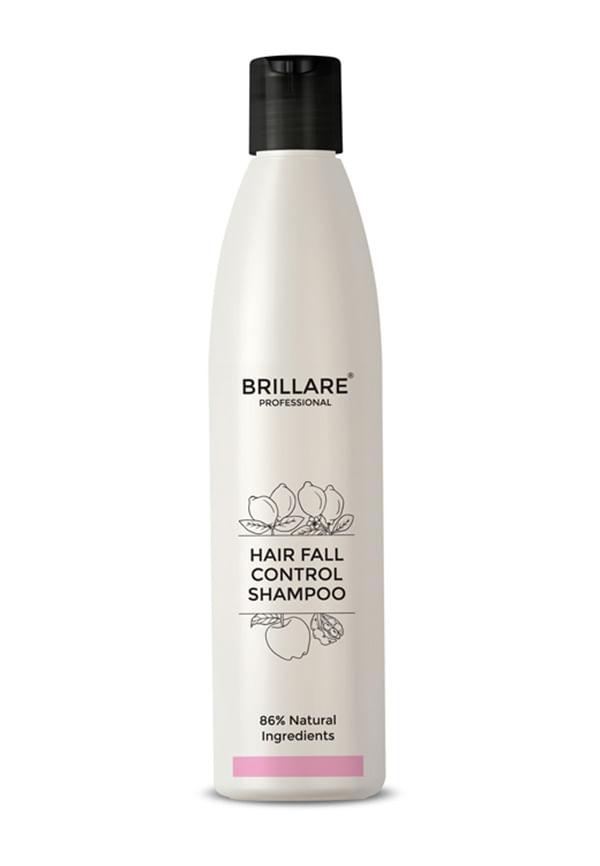
Shampoo To Reduce Seasonal Hair Fall
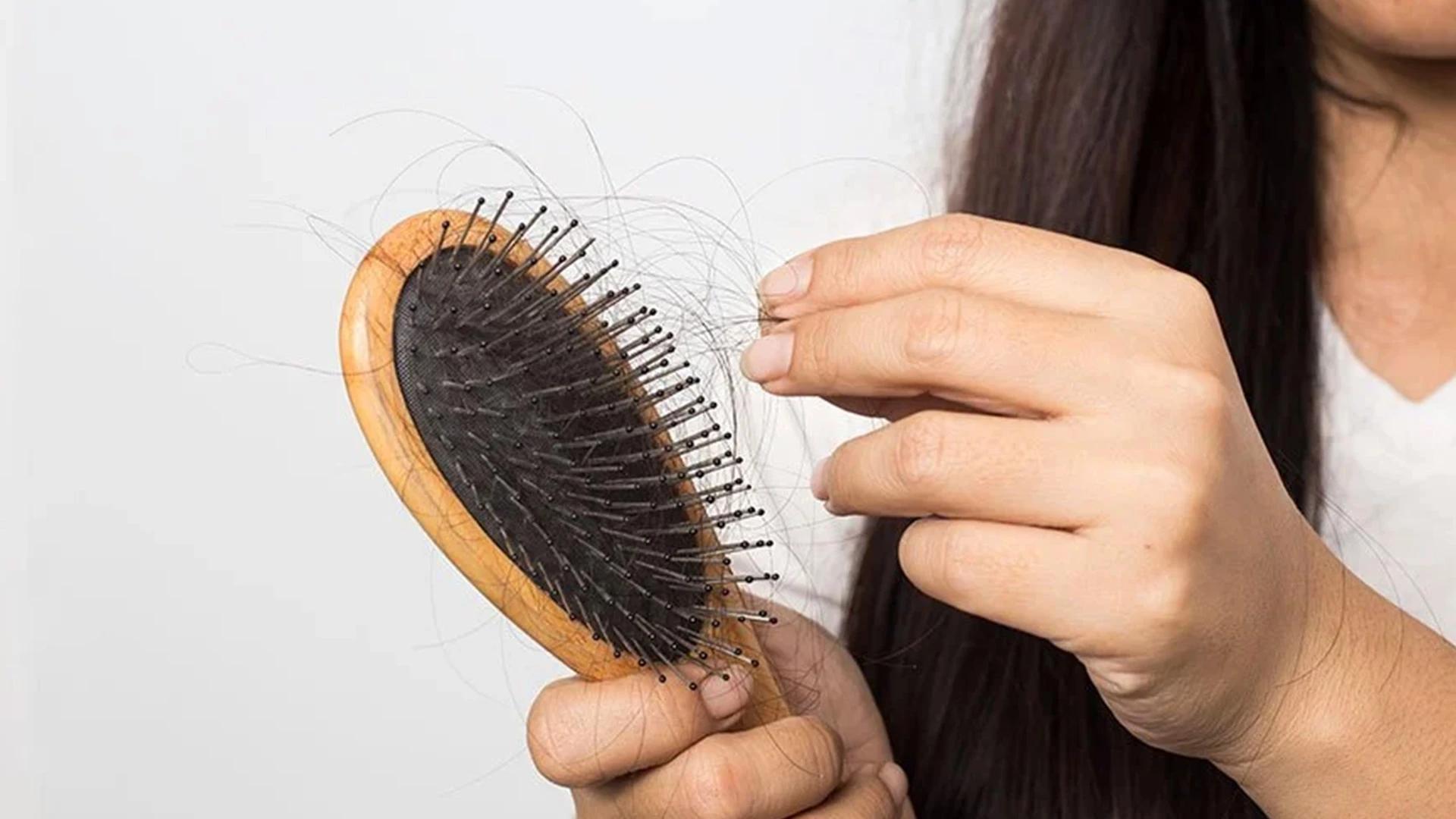
Ever noticed how your hair seems to have a complete meltdown the moment monsoon hits? One day you're flipping your locks like you're in a shampoo ad, and the next you're finding clumps of hair everywhere—your pillow, the shower drain, even your favourite jumper. If you've been wondering why your hair decides to abandon ship during rainy season, you're definitely not alone. The truth is, monsoon brings a whole cocktail of challenges that can turn even the healthiest mane into a shedding nightmare.
Let's get real about what's actually happening to your hair when the humidity levels go through the roof. During monsoon, the moisture in the air can increase by up to 80%, and your hair basically becomes a sponge. When hair absorbs all that extra moisture, the hair shaft swells up, which weakens the cuticle—that's the protective outer layer of your hair. Think of it like a wet piece of paper versus a dry one; the wet version tears way easier.
Here's something that might surprise you: studies show that hair fall can increase by about 30% during monsoon season. While losing 50-100 strands daily is totally normal, during rainy months, you might notice 150-200 strands coming out. The constant expansion and contraction of hair fibres due to humidity changes creates stress points along the hair shaft, making breakage almost inevitable.
The science bit is pretty fascinating too. Your hair has natural proteins called keratin that give it strength. When humidity levels spike, these proteins can lose their structural integrity, leading to weaker hair that's more prone to falling out. Plus, the scalp produces more oil during humid weather, which can clog hair follicles and create an environment where hair struggles to grow properly.
Understanding what's behind your monsoon hair woes is half the battle won. The causes aren't just about the rain itself—it's a combination of environmental factors that create the perfect storm for hair fall. Let's break down the main culprits so you know exactly what you're dealing with.
Humidity is basically your hair's frenemy during monsoon. While a little moisture can be good, too much of it wreaks havoc. When hair absorbs excess moisture from the air, it swells and becomes fragile. This constant swelling and shrinking weakens the hair structure, making it snap easily. Your scalp also struggles to maintain its natural oil balance, leading to either overly greasy or surprisingly dry conditions.
That romantic idea of dancing in the rain? Your hair definitely doesn't find it romantic. Rainwater in urban areas often contains pollutants, chemicals, and even traces of acid that can disrupt your scalp's natural pH balance. This contaminated water strips away natural oils and can cause irritation, leading to weakened hair roots and increased hair fall.
The warm, damp conditions during monsoon create an ideal breeding ground for bacteria and fungi on your scalp. This can lead to dandruff in monsoon, itchy scalp conditions, and various infections that directly impact hair health. When your scalp isn't healthy, your hair follicles can't function properly, resulting in hair thinning and increased shedding.
Your scalp tends to go into overdrive during humid weather, producing excess oil to compensate for the moisture imbalance. This leads to oily scalp issues where follicles get clogged with sebum, dead skin cells, and environmental pollutants. Clogged follicles mean poor circulation and weaker hair roots, which translates to more hair fall.
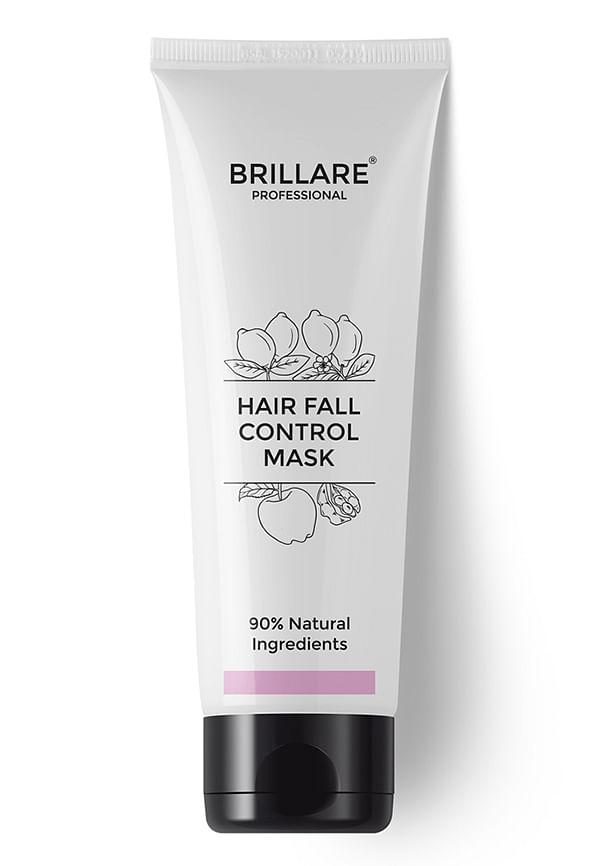
Conditioner To Reduce Seasonal Hair Fall
Wet hair is incredibly fragile—about 30% weaker than dry hair. During monsoon, when your hair gets wet frequently, improper handling like aggressive towel drying, combing wet hair, or tying it up while damp can cause significant breakage. Many people don't realise they're contributing to their hair fall through these seemingly harmless habits.
Now that we know what's causing the chaos, let's talk solutions. The good news is that monsoon-related hair fall is usually temporary and totally treatable with the right approach. You don't need to resign yourself to wearing hats for the next three months.
Start with gentle, sulfate-free shampoos that won't strip your scalp of its natural oils. Look for ingredients like tea tree oil, neem, or salicylic acid that can help combat fungal growth and keep your scalp clean without being harsh. Anti-dandruff shampoos with zinc pyrithione or ketoconazole can be particularly effective if you're dealing with scalp infections.
For immediate relief, try natural hair loss remedies like applying diluted apple cider vinegar to restore your scalp's pH balance, or using aloe vera gel to soothe irritation. Essential oils like rosemary and peppermint can stimulate blood circulation to hair follicles when mixed with a carrier oil and massaged into the scalp.
If you're losing more than 200 strands daily or notice bald patches, it might be time to consult a dermatologist. They can prescribe medicated treatments or identify underlying issues like hormonal imbalances or nutritional deficiencies that might be contributing to your hair fall. Sometimes, what seems like monsoon-related hair loss might actually be androgenetic alopecia or other conditions that need professional attention.
Your hair needs proper nutrition to stay strong, especially during challenging weather. B vitamins, particularly B12, biotin, and folate, play crucial roles in hair growth. Iron deficiency is another common cause of hair fall that can worsen during monsoon. Consider adding foods rich in omega-3 fatty acids, protein, and antioxidants to support your hair from the inside out.
Creating a solid monsoon hair care routine is like building a fortress around your hair. It's all about being proactive rather than reactive. The key is consistency and using the right techniques at the right times.
Before heading out during monsoon, apply a light leave-in conditioner or hair serum to create a protective barrier. Avoid heavy oils that can attract more dirt and pollution. If you know you'll be caught in the rain, tie your hair in a loose bun or braid to minimise exposure and tangling.
When you do get caught in the rain, don't panic. Gently squeeze out excess water with a microfibre towel—never rub or wring your hair. If possible, rinse with clean water as soon as you get home to remove any pollutants from rainwater. Follow up with a mild shampoo if your hair feels particularly grimy.
Your washing frequency might need adjustment during monsoon. If you have an oily scalp, you might need to wash every other day to prevent buildup. For dry or chemically treated hair, twice a week might be sufficient. Always use lukewarm water and finish with a cool rinse to seal the hair cuticles.
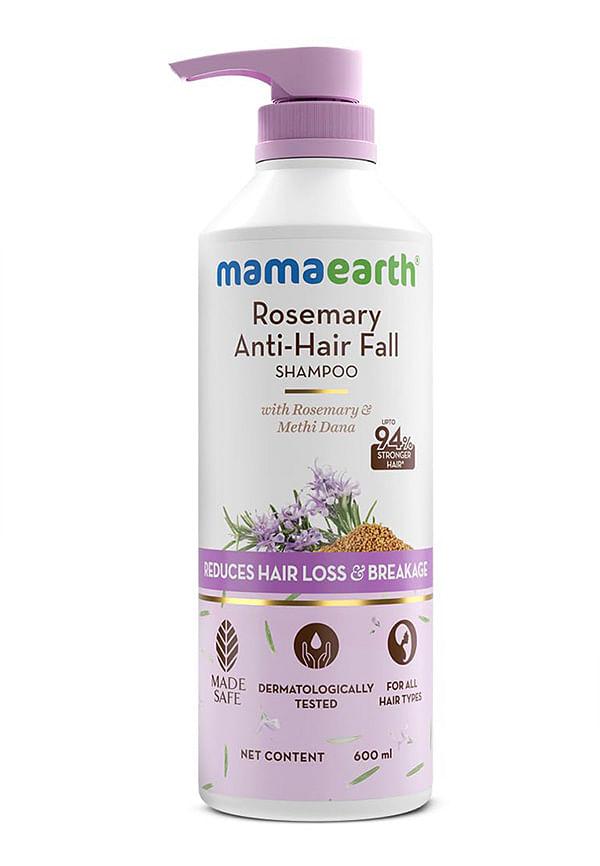
Rosemary Anti-Hair Fall Shampoo with Rosemary & Methi Dana for Reducing Hair Loss & Breakage
Once a week, treat your hair to a deep conditioning session. You can use store-bought masks or create your own with ingredients like yoghurt, honey, and coconut oil. Apply from mid-length to ends, avoiding the scalp if you have oily hair issues. Leave it on for 20-30 minutes before rinsing thoroughly.
Prevention is always better than cure, and when it comes to monsoon hair care, a few smart strategies can save you a lot of grief. These aren't just random tips—they're based on understanding how humidity and moisture affect hair structure.
Keep your hair as dry as possible. This doesn't mean avoiding all moisture, but rather protecting it from excessive dampness. Use an umbrella, wear a scarf, or carry a lightweight hood. When your hair does get wet, dry it properly rather than leaving it damp for hours.
Switch to a wide-tooth wooden comb and only use it on dry or slightly damp hair. Wet hair stretches and breaks easily, so detangling when it's soaking wet is asking for trouble. If you must detangle wet hair, use a leave-in conditioner and work from the ends upward.
Never tie wet hair tightly. The combination of moisture and tension creates weak points that are prone to breakage. If you need to tie your hair while it's damp, use a soft scrunchie and keep it loose.
Invest in a good quality hair dryer with multiple heat settings. Air drying is ideal, but if you're in a hurry, use the cool setting to minimise heat damage. Always apply a heat protectant before using any styling tools.
Regular scalp massage improves blood circulation and helps distribute natural oils. Spend 5-10 minutes massaging your scalp with your fingertips (not nails) before washing. This simple practice can significantly improve hair health over time.
Every hair problem has a solution, but the trick is identifying what you're dealing with first. Monsoon brings its own set of challenges, and what works for dandruff might not work for hair breakage.
If you're dealing with dandruff in monsoon, look for shampoos containing zinc pyrithione, selenium sulfide, or ketoconazole. These ingredients specifically target the fungus that causes dandruff. Use them 2-3 times a week initially, then reduce to once a week for maintenance.
For an itchy scalp, tea tree oil can be a game-changer. Mix a few drops with your regular shampoo or dilute it in coconut oil for a pre-wash treatment. Avoid scratching, as this can damage hair follicles and worsen hair fall.
Hair breakage requires a different approach than hair fall from the roots. Focus on protein treatments to strengthen the hair shaft, and be extra gentle when handling wet hair. Look for products containing keratin, collagen, or hydrolysed proteins.
Hair thinning might indicate that your follicles need some TLC. Scalp serums with ingredients like minoxidil, peptides, or caffeine can help stimulate growth. However, give any treatment at least 3-4 months to show results.
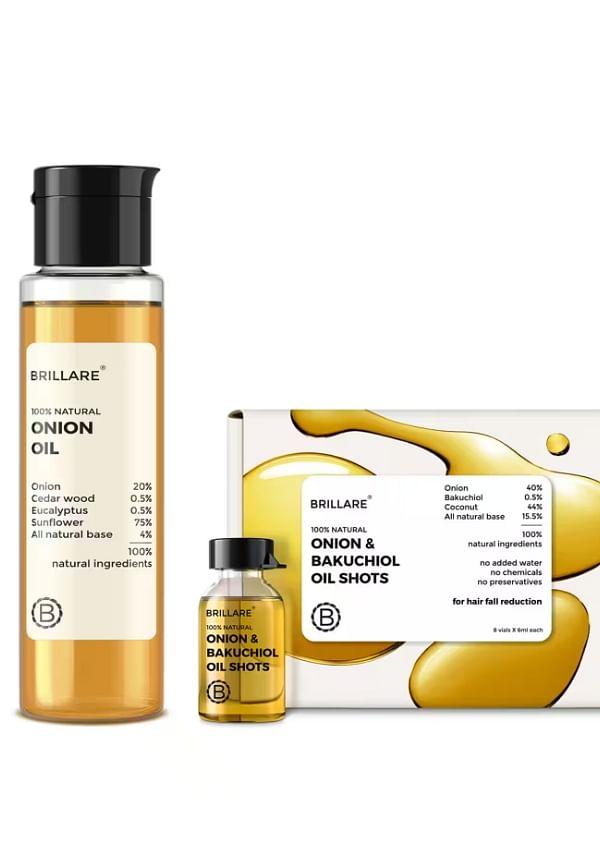
Hair & Scalp Treatment Duo for Dry, Frizzy & Hair Fall-Prone Hair
Oily scalp remedies during monsoon focus on balancing sebum production without over-drying. Clay masks once a week can help absorb excess oil, while maintaining proper washing frequency prevents buildup. Avoid over-washing, as this can actually trigger more oil production.
Losing 700 hairs daily is definitely not normal and indicates excessive hair fall that needs attention. While monsoon can increase hair fall by 30%, normal shedding ranges from 50-100 strands daily. If you're consistently losing 700 hairs, consider consulting a dermatologist to rule out underlying conditions like telogen effluvium, hormonal imbalances, or nutritional deficiencies. Document your hair fall for a week to get an accurate count, and look for other symptoms like scalp irritation or bald patches.
Effective monsoon hair management starts with protection and proper care routines. Keep hair covered when going out, use sulfate-free shampoos 2-3 times weekly, and never tie wet hair tightly. Apply leave-in conditioners for protection, dry hair properly after getting wet, and do weekly deep conditioning treatments. Focus on scalp hygiene to prevent fungal infections, and adjust your routine based on whether you have oily or dry hair. Consistency is key—small daily efforts prevent major problems.
In India, hair fall typically peaks during monsoon (June-September) and post-monsoon months due to high humidity, pollution, and scalp infections. However, the transition from winter to summer can also trigger increased shedding as the body adjusts to temperature changes. Coastal areas experience more monsoon-related hair issues, while northern regions might see more problems during extreme summer heat. The key is adapting your hair care routine to seasonal changes rather than using the same products year-round.
Most monsoon-related hair fall is temporary and reversible with proper care. Hair typically starts recovering 2-3 months after the season ends, assuming you address the underlying causes like scalp infections or nutritional deficiencies. However, if you ignore the problem or have underlying genetic predisposition to hair loss, monsoon stress can accelerate permanent hair thinning. The key is early intervention—treating scalp issues, maintaining proper nutrition, and following a consistent hair care routine can prevent temporary shedding from becoming permanent.
Hair fall occurs when hair comes out from the root (you'll see a white bulb at the end), while hair breakage happens along the hair shaft, leaving blunt or uneven ends. Hair fall is often related to scalp health, hormones, or follicle damage, whereas breakage results from external damage like harsh chemicals, heat styling, or rough handling. During monsoon, you might experience both—humidity weakens hair structure causing breakage, while scalp infections can cause hair fall. Identifying which you're dealing with helps choose the right treatment approach.
Monsoon hair fall might feel overwhelming, but it's totally manageable with the right knowledge and approach. The combination of humidity, pollution, and scalp infections creates a perfect storm for hair problems, but understanding these causes helps you tackle them effectively. Remember that consistency in your hair care routine matters more than expensive products—simple practices like proper drying, gentle handling, and regular scalp care can make a huge difference.
Focus on protecting your hair before problems start, rather than trying to fix damage after it happens. Keep your scalp clean and healthy, adjust your washing frequency based on your hair type, and don't ignore early signs like increased dandruff or itching. Most importantly, be patient—hair recovery takes time, and what you do today will show results in a few months.
If you're looking to experiment with different hair care products to find what works best for your monsoon routine, Smytten offers trial-size versions of many hair care products from trusted brands. It's a practical way to test different formulations and ingredients before committing to full-size bottles, especially when you're trying to build an effective seasonal hair care routine.
