Hair Fall in Men in Their 20s FAQ: All Causes Answered


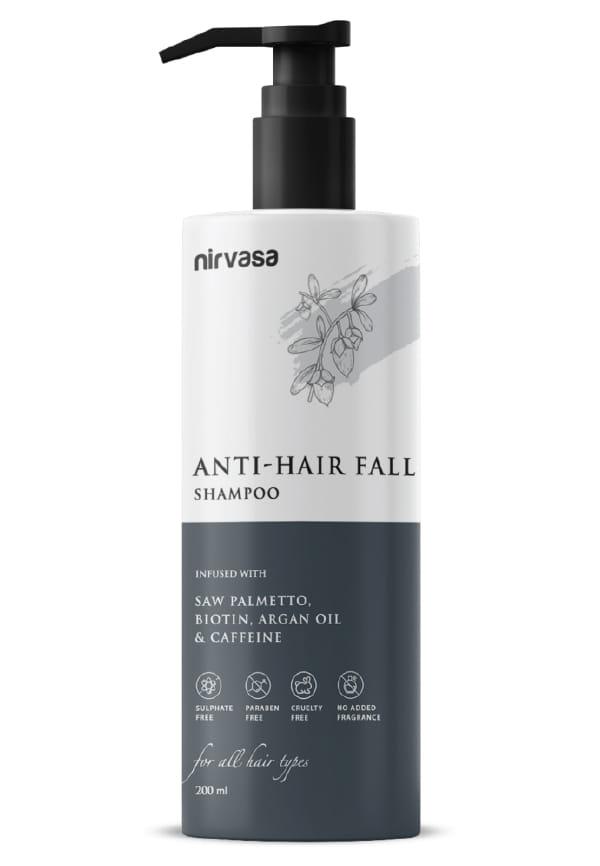
Anti-Hair Fall Shampoo for Men and Women
Good Quality, Small Quantity
 5
5“it was great nice and quality , but the quantity is low comparatively but okay... good for hairfall”
That moment when you're scrolling through old photos and realise your hairline has quietly been making its own exit strategy? Yeah, we've all been there. Hair fall in your twenties hits different because it feels way too early to be dealing with this. One day you're worried about which hair gel to use, and the next you're googling whether wearing caps too much causes baldness. Let's be real — hair loss at 20 can feel pretty overwhelming, but understanding what's actually happening up there is the first step to sorting it out.
Here's the thing about male pattern baldness — it doesn't always wait until you're middle-aged to make an appearance. Androgenetic alopecia, the fancy term for male pattern baldness, can actually start showing up in your late teens or early twenties. It's all down to genetics and how sensitive your hair follicles are to a hormone called DHT (dihydrotestosterone).
Think of DHT as that one friend who overstays their welcome at every party. When your body converts testosterone into DHT, this hormone can bind to hair follicles and gradually shrink them. The follicles become weaker and produce thinner, shorter hairs until they eventually stop producing hair altogether. The tricky bit is that this process can start years before you actually notice any visible thinning.
Male pattern baldness in young men often begins with a receding hairline or thinning at the crown. Unlike older men who might experience rapid hair loss, twenty-somethings usually see a more gradual progression. You might notice your hairline creeping back slightly or find that your hair doesn't feel as thick as it used to. The timeline can vary massively — some guys notice changes within a few months, while others might not see significant thinning for several years.
Family history plays a huge role here. If your dad, granddad, or uncles started losing hair early, there's a good chance you might follow a similar pattern. But here's what's interesting — you can inherit the baldness gene from either side of your family, not just your mum's side like that old myth suggests.
While genetics might be the main culprit, there are actually loads of other factors that can cause hair thinning in young men. Understanding these reasons for thinning hair can help you figure out whether your hair loss is permanent or something that can be sorted with the right approach.
Your hormones are basically running the show when it comes to hair growth. Thyroid disorders, insulin resistance, and fluctuating testosterone levels can all mess with your hair's natural growth cycle. Even stress hormones like cortisol can push hair follicles into a resting phase, leading to increased shedding.
Your hair needs proper fuel to grow, and if you're not getting enough iron, zinc, biotin, or vitamin D, your follicles might start slacking off. This is especially common if you're living off takeaways and energy drinks during uni or those early working years.
Between work pressure, relationship drama, and just general life stress, your twenties can be pretty intense. Chronic stress can literally shock your hair follicles into a resting phase, causing noticeable thinning about three months later.
Conditions like alopecia areata cause your immune system to attack your hair follicles, creating patchy hair loss. It's more common than you might think and can develop at any age.
Scalp infections, trichotillomania (compulsive hair pulling), and certain skin conditions can all contribute to hair loss. These are often treatable once properly diagnosed.
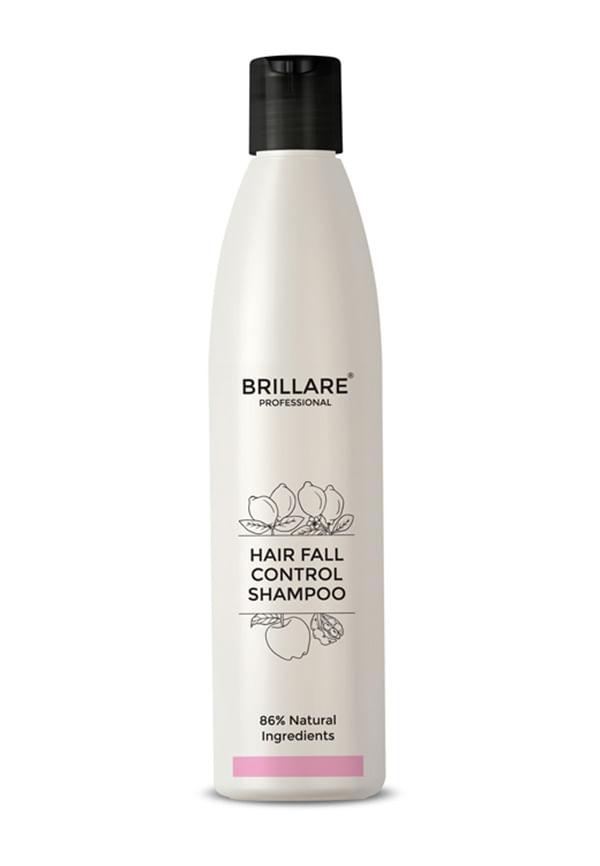
Shampoo To Reduce Seasonal Hair Fall
Helps in Hairfall Control
5“it actually helps in controlling hairfall”
Brillare products are very good
4“brillare all products are very good.i like it”
Nice Product, Must Try
5“nice product everyone must try once”
Some medications, including certain antidepressants, blood thinners, and acne treatments, can cause temporary hair loss as a side effect. Always worth checking with your doctor if you notice thinning after starting new medication.
Over-processing your hair with bleach, frequent heat styling, or using harsh chemical treatments can weaken hair shafts and lead to breakage that mimics hair loss.
Before you panic about every hair you find on your pillow, let's talk about what's actually normal. Most people lose between 50-100 hairs per day as part of the natural hair growth cycle. This is completely normal and nothing to worry about.
Premature hair loss in men looks different from regular shedding. You might notice your hairline starting to form an 'M' shape, or the hair at your crown becoming noticeably thinner. The causes of receding hairline in young men are often genetic, but can also be triggered by tight hairstyles, excessive heat styling, or hormonal changes.
Here's how to tell if your hair loss might be more than just normal shedding: if you're losing more than 100 hairs daily for several weeks, if you notice bald patches, or if your hair feels significantly thinner than it used to, it might be worth getting it checked out. Taking photos from the same angle every few months can help you track any changes objectively.
The key difference is that normal shedding is evenly distributed across your scalp, while hair loss in young men typically follows specific patterns — usually starting at the temples or crown.
Not all hair loss is created equal, and identifying which type you're dealing with can help determine the best treatment approach. Understanding the different types of hair loss in men can save you time, money, and a lot of unnecessary stress.
This is the classic male pattern baldness we talked about earlier. It usually starts with temple recession or crown thinning and follows predictable patterns. The good news is that it's gradual, so you have time to explore treatment options.
This shows up as circular bald patches that can appear anywhere on your scalp. It's an autoimmune condition and often comes and goes unpredictably. Many people with alopecia areata see their hair grow back naturally within a year.
This is temporary hair loss triggered by stress, illness, or major life changes. You'll notice diffuse thinning all over your scalp rather than specific bald spots. The good news is that this type usually resolves itself once the trigger is removed.
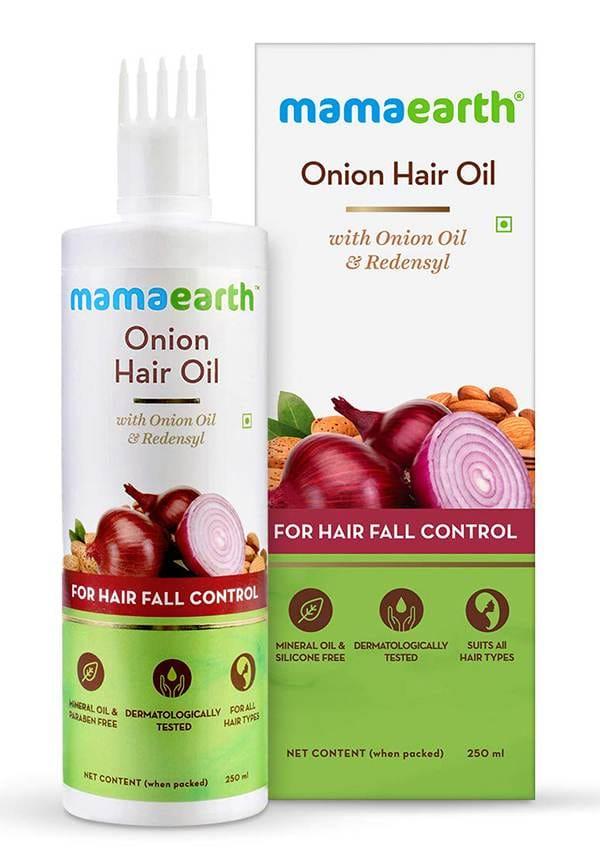
Onion Hair Oil For Hair Regrowth & Hair Fall Control
Positive Results After One Month
5“I have been using this product for one month very good results”
Product not effective for hair fall control
4“ok ok product not satisfied for this result. hair fall control ni hua .”
Effective for Hair Growth
5“best for hair, & to the person having hair fall problem. it also improve your hair growth”
Caused by hairstyles that pull on your hair — think tight man buns, braids, or constantly wearing caps. This is completely preventable and often reversible if caught early.
Getting a proper diagnosis from a dermatologist or trichologist can help you understand exactly what you're dealing with and create a targeted treatment plan.
Your twenties are a time when lots of lifestyle factors can impact your hair health. Understanding these factors affecting male hair growth can help you make changes that support healthier hair.
Diet plays a massive role in hair health. Your hair follicles are some of the most active cells in your body, so they need a steady supply of nutrients to function properly. Protein is especially important since hair is basically made of protein. If you're not eating enough protein, your body will prioritise other functions over hair growth.
Sleep quality affects everything, including your hair. Poor sleep can increase stress hormones and disrupt the natural hair growth cycle. Aim for 7-9 hours of quality sleep to give your hair follicles the best chance to do their thing.
Exercise is generally good for hair health because it improves circulation and reduces stress. However, excessive exercise can sometimes increase DHT levels, so it's about finding the right balance.
Your hair care routine matters too. Over-washing, using harsh products, or constantly styling your hair with heat can damage the hair shaft and make thinning more noticeable. Gentle, consistent care is usually the way to go.
Environmental factors like pollution, UV exposure, and even hard water can affect hair health over time. While you can't control everything, being aware of these factors can help you take protective measures.
When it comes to hair fall treatments for men, there are several evidence-based options that can help slow down hair loss or even promote regrowth. The key is starting treatment early and being consistent with whatever approach you choose.
Minoxidil is probably the most well-known treatment. It's available over the counter and works by improving blood flow to hair follicles. Most guys see some improvement after 3-6 months of consistent use, though results vary. The main downside is that you need to keep using it to maintain any benefits.
Finasteride is a prescription medication that blocks the production of DHT. It's quite effective for male pattern baldness, but it can have side effects that some men find concerning. Always discuss the pros and cons with a doctor before starting.
Natural remedies like saw palmetto, pumpkin seed oil, and rosemary oil have shown some promise in studies, though the evidence isn't as strong as for the FDA-approved treatments. They might be worth trying as part of a comprehensive approach.
Professional treatments like PRP (platelet-rich plasma) therapy and microneedling are becoming more popular. These treatments aim to stimulate hair follicles and improve the scalp environment for hair growth.
Lifestyle modifications can also make a real difference. Managing stress, eating a balanced diet, getting enough sleep, and being gentle with your hair can all support healthier hair growth.
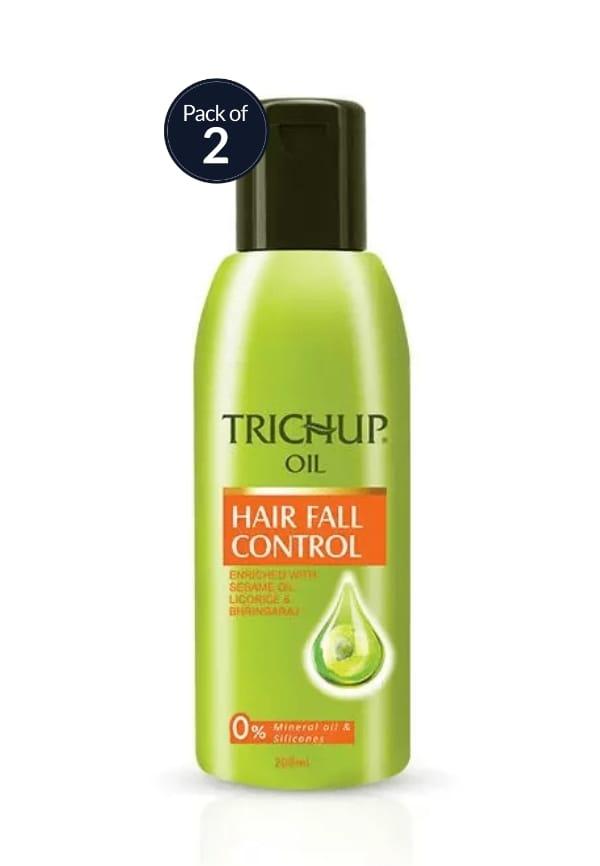
Hair Fall Control Hair Oil
Great Product
5“very nice good good product 👍👍”
Positive Product Experience
5“nice good to use very good experience”
Hair loss at 20 typically results from genetic factors like androgenetic alopecia, but can also be caused by hormonal imbalances, nutritional deficiencies, stress, or underlying health conditions. The good news is that early intervention can help slow progression and sometimes reverse the process, especially if the cause isn't purely genetic.
Depending on the cause, hair loss may be reversible. Conditions like telogen effluvium from stress often resolve naturally within 6-12 months. Male pattern baldness can be slowed or partially reversed with proper treatment, especially when caught early. The key is identifying the underlying cause and starting appropriate treatment quickly.
Common deficiencies that contribute to hair loss include iron, vitamin D, biotin, zinc, and B-vitamins, particularly B12 and folate. Iron deficiency is especially common in young men who don't eat enough red meat or have absorption issues. A simple blood test can identify specific deficiencies affecting your hair growth.
Yes, natural regrowth is possible, especially when hair loss is caught early and the underlying causes are addressed. This might involve improving your diet, managing stress, getting enough sleep, and using gentle hair care practices. However, genetic hair loss typically requires medical intervention for significant regrowth.
While not extremely common, some men do start experiencing hairline recession in their early twenties due to genetic factors. About 16% of men aged 18-29 show some signs of male pattern baldness. If you're concerned, it's worth getting it checked early so you can explore treatment options.
Stress typically causes temporary hair loss called telogen effluvium, where hair follicles enter a resting phase and shed more than usual. This usually resolves within 6-12 months once stress levels decrease. However, chronic stress can potentially accelerate genetic hair loss patterns.
Hair thinning refers to a reduction in hair density or diameter, making your hair appear less full but without obvious bald spots. Hair loss involves actual loss of hair follicles, creating visible bald patches or significant reduction in coverage. Thinning often precedes hair loss and may be easier to treat.
If you're noticing significant changes in your hair density, pattern, or if you're losing more than 100 hairs daily for several weeks, it's worth seeing a dermatologist or trichologist. Early diagnosis can help identify treatable causes and prevent further progression.
Dealing with hair loss in your twenties can feel pretty overwhelming, but understanding all the reasons for hair fall in men in their 20s is the first step towards finding a solution that works for you. Whether it's genetic male pattern baldness, stress-related shedding, or nutritional deficiencies, there are usually options available to help slow down the process or address the underlying cause.
The most important thing is not to panic and to get proper advice from a healthcare professional who can help identify what's actually going on with your hair. Early intervention often leads to better outcomes, so don't wait until the problem becomes more severe.
Remember that hair loss affects loads of young men, and there's no shame in seeking help or exploring treatment options. Whether you choose medical treatments, lifestyle changes, or a combination of both, the key is being consistent and patient with whatever approach you decide to try.
If you're looking to explore hair care products that might support your hair health journey, Smytten offers trial-size versions of many hair care products from trusted brands. This can be a practical way to test different formulations and find what works for your specific hair type and concerns before committing to full-size purchases.
