Hair Fall From Rain Explained: Your Monsoon Haircare FAQ


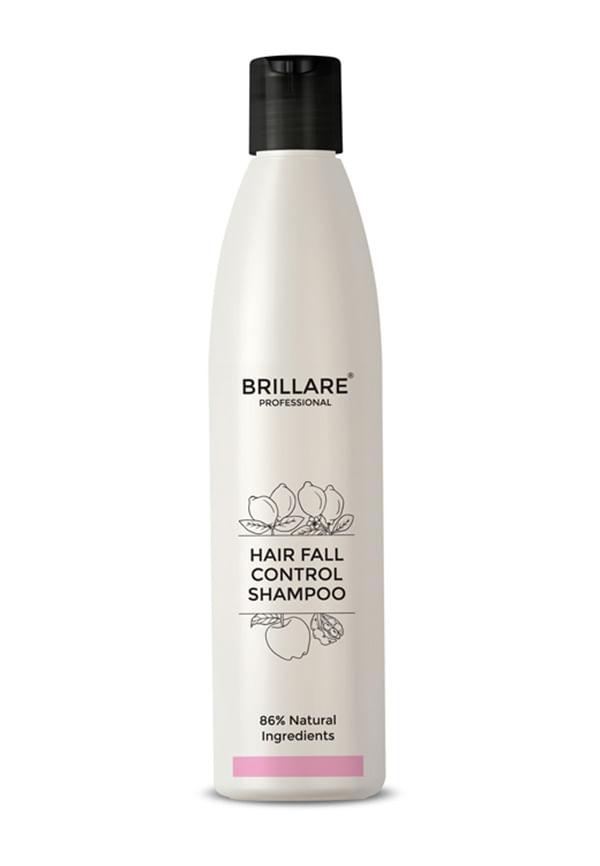
Shampoo To Reduce Seasonal Hair Fall
You step out for five minutes during a drizzle, and by evening, your hairbrush looks like it's collected half your head. Sound familiar? If you've noticed your hair fall ramping up every monsoon season, you're definitely not imagining things. The rainy months bring their own set of challenges for your hair, and understanding why this happens is the first step to keeping your strands strong and healthy. Let's break down exactly what's going on with your hair when the clouds roll in.
Here's the thing about hair fall from rain explained in simple terms: your hair doesn't actually love getting soaked as much as you might think. During monsoon season, which typically runs from June to September across most of India, several factors team up to make your hair more vulnerable to falling out.
First off, let's talk numbers. Normal daily hair fall sits around 50-100 strands, but during peak monsoon months, many people notice this jumping to 150-200 strands or even more. This isn't just coincidence—it's your hair responding to a perfect storm of environmental changes.
The relationship between rain and hair is more complex than just getting wet. When humidity levels spike (often reaching 80-90% during monsoons), your scalp's natural oil production goes a bit haywire. Your sebaceous glands start working overtime, creating an environment that can clog hair follicles and weaken the roots. Add to this the fact that rainwater isn't exactly pure H2O—it picks up pollutants, dust, and sometimes acidic compounds as it falls through the atmosphere.
Your hair growth cycle also plays a role here. Hair naturally goes through phases of growth, rest, and shedding. Environmental stressors like sudden weather changes can push more hair follicles into the shedding phase simultaneously, creating what feels like excessive hair loss.
Understanding the specific hair fall causes during monsoon helps you tackle the problem more effectively. Let's dive into what's really happening to your hair when the rains arrive.
Humidity hair loss is a real thing, and here's why it happens. When moisture levels in the air skyrocket, your scalp becomes a breeding ground for issues. The excess moisture makes your scalp sweat more, mixing with natural oils to create a sticky layer that can block hair follicles. This blockage prevents proper nutrient flow to your hair roots, weakening them over time. Your hair shaft also absorbs moisture from the air, causing it to swell and become more fragile.
The effects of rain on hair go beyond just getting wet. Modern rainwater often contains pollutants, chemicals, and sometimes acidic compounds that can damage your hair cuticles. When these contaminants sit on your scalp and hair, they can cause protein loss and cuticle erosion. Hair damage from rain is particularly noticeable in urban areas where air pollution is higher, making the rainwater more harmful to your strands.
Monsoon hair problems often include increased dandruff and scalp infections. The warm, moist environment creates perfect conditions for fungal growth on your scalp. When your hair stays damp for extended periods (hello, slow-drying weather), bacteria and fungi multiply rapidly. These microorganisms can inflame your scalp, disrupt the hair growth cycle, and lead to increased shedding.
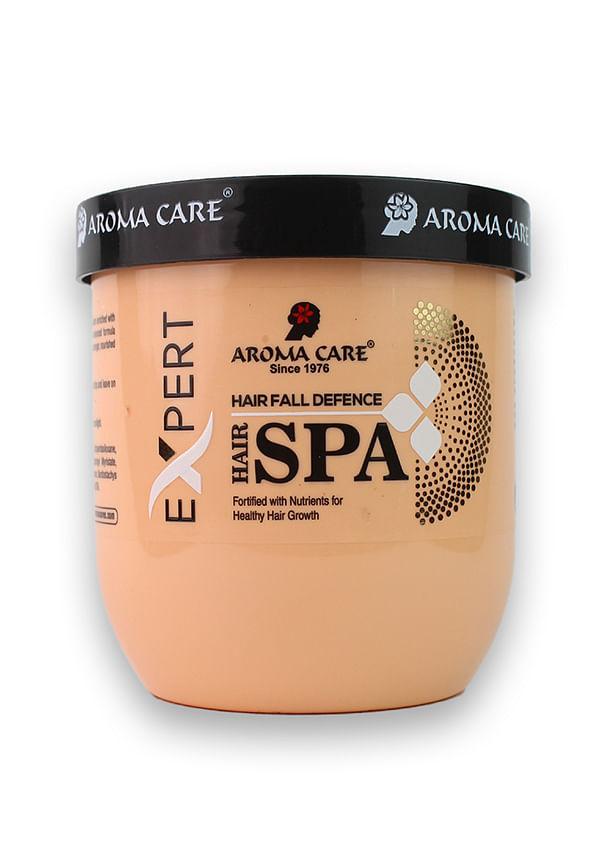
Hair Fall Defence Hair Spa
Your hair follicles are surprisingly sensitive to temperature and weather fluctuations. The constant switching between hot, humid days and cooler, rainy periods can stress your hair growth cycle. This environmental stress can trigger more hair follicles to enter the shedding phase, leading to temporary but noticeable hair loss.
Good news first: yes, monsoon-related hair fall typically does regrow. Since most seasonal hair loss is temporary and related to environmental factors rather than genetic or hormonal issues, your hair usually bounces back once conditions improve.
The recovery timeline generally follows a 3-6 month cycle. Hair that falls out during monsoon season (June-September) often starts showing regrowth signs by November-December. However, you might not notice significant length until February-March, since hair grows roughly half an inch per month.
Several factors affect how well your hair recovers. Your overall health, diet, stress levels, and how well you care for your scalp during the monsoon all play roles. People who maintain good haircare routines and address scalp issues promptly tend to see better regrowth rates.
If you're still experiencing significant hair fall 2-3 months after monsoon season ends, it might be worth consulting a dermatologist. Sometimes, what seems like seasonal hair loss can mask other underlying conditions.
Now for the practical stuff—how to actually prevent hair fall during those soggy months. The key is being proactive rather than reactive.
To prevent hair fall when you know you'll be exposed to rain, start with physical protection. A good umbrella or hood isn't just about staying dry—it's about protecting your hair from contaminated rainwater. If you do get caught in the rain, rinse your hair with clean water as soon as possible to remove any pollutants or chemicals.
Pre-rain preparation can make a huge difference. Apply a light leave-in conditioner or hair serum before heading out. This creates a protective barrier that prevents rainwater from directly contacting your hair cuticles.
Your regular haircare tips need some tweaking during monsoon season. Start with more frequent but gentler washing—every other day instead of daily, using a mild, sulphate-free shampoo. Focus on keeping your scalp clean without over-stripping natural oils.
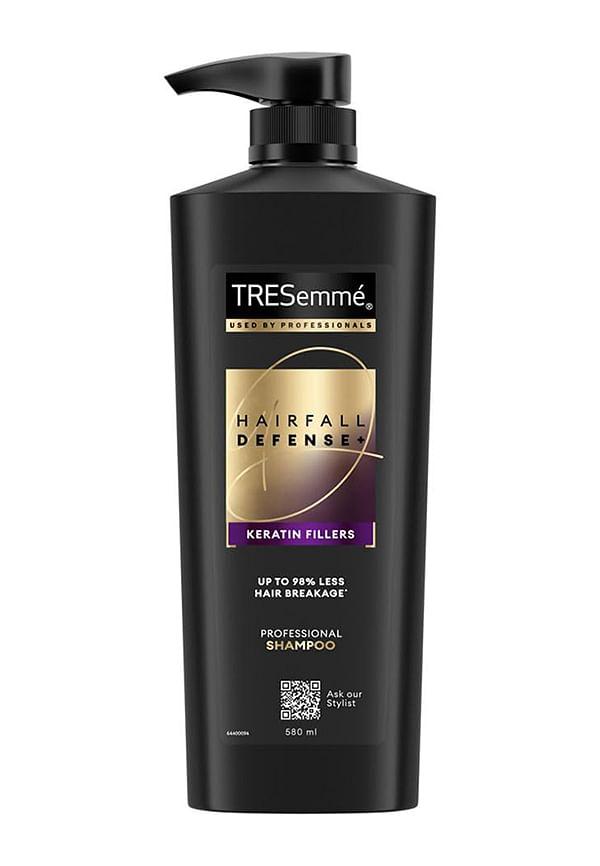
Hair Fall Defence Shampoo
Conditioning becomes crucial during humid months. Use a lightweight conditioner that won't weigh your hair down but will provide enough moisture to prevent frizz and breakage. Pay special attention to your scalp—gentle massage while shampooing can improve blood circulation and strengthen hair roots.
Drying your hair properly is non-negotiable during monsoons. Never leave your hair damp for extended periods. If air-drying takes too long, use a blow dryer on cool or low heat settings. Damp hair is more vulnerable to fungal infections and breakage.
For more serious hair fall solutions, consider treatments that target the root causes. Ketoconazole-based shampoos can help control fungal growth on the scalp. If you're dealing with significant hair loss, consulting a dermatologist about treatments like minoxidil might be worth considering, though these are typically for longer-term hair loss rather than seasonal shedding.
Natural remedies can also be effective. Weekly oil treatments with coconut, argan, or jojoba oil can strengthen hair and improve scalp health. Just make sure to wash thoroughly afterwards to prevent buildup in the humid weather.
Effective haircare during monsoon goes beyond just washing and conditioning. Your diet plays a huge role in hair health, especially during challenging weather. Focus on protein-rich foods, iron, and vitamins B and D. Monsoon season often means less sunlight, so vitamin D supplements might be helpful.
Lifestyle modifications can significantly reduce seasonal hair loss. Try to keep stress levels in check—easier said than done, but stress is a major contributor to hair fall. Regular exercise, adequate sleep, and staying hydrated all support healthy hair growth.
When it comes to styling, loose hairstyles are your friend during humid weather. Tight ponytails, buns, or braids can put extra stress on already vulnerable hair. Opt for loose styles that allow air circulation around your scalp.
Choose your hair products wisely. Heavy oils and creams can attract more dirt and pollutants during monsoon. Lightweight, water-based products work better in humid conditions.
Yes, increased hair fall during rainy season is completely normal. Most people experience 20-50% more hair shedding during monsoon months due to humidity, scalp conditions, and environmental factors. As long as the hair fall returns to normal levels after the season ends, it's usually nothing to worry about.
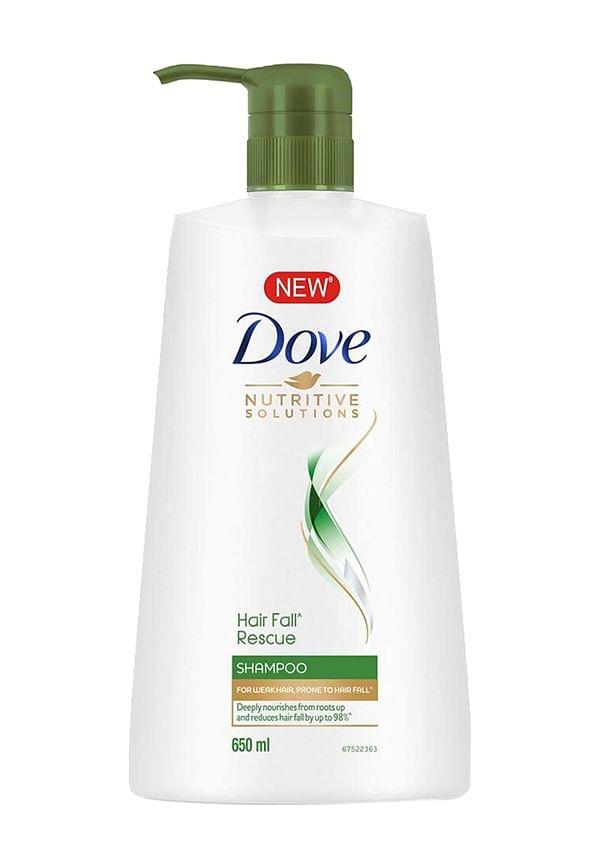
Hair Fall Rescue Shampoo
Monsoon season (June-September) typically sees the highest hair fall rates in India, followed by the transition periods between seasons. The combination of high humidity, frequent rain exposure, and scalp infections makes monsoon the most challenging time for hair health.
While summer heat and winter dryness can cause hair issues, monsoon generally causes the most significant hair fall increase. Summer might cause some shedding due to heat stress and sun damage, while winter can make hair dry and brittle, but neither typically matches monsoon-related hair loss.
Monsoon-related hair fall usually peaks during July-August and starts reducing by October. Most people see their hair fall return to normal levels within 4-6 weeks after the monsoon season ends, with full regrowth visible within 3-4 months.
Normal shedding involves 50-100 hairs per day and doesn't create visible thinning. Excessive hair loss means losing 150+ hairs daily, noticing clumps in your brush, or seeing visible scalp areas. If excessive shedding continues beyond monsoon season, consult a dermatologist.
Absolutely. Tight hairstyles put additional stress on hair follicles that are already weakened by humidity and environmental factors. During monsoon, stick to loose styles that don't pull on your hair roots and allow proper air circulation around your scalp.
While there aren't shampoos specifically marketed for monsoon, look for gentle, sulphate-free formulas with antifungal ingredients like ketoconazole or tea tree oil. Clarifying shampoos used once a week can help remove buildup from humidity and pollutants, while daily-use shampoos should be mild and moisturising.
Hair fall from rain doesn't have to ruin your monsoon months. Understanding that increased shedding during rainy season is normal helps you approach the problem with the right mindset. Focus on keeping your scalp clean and healthy, protect your hair from contaminated rainwater, and maintain a consistent haircare routine adapted for humid conditions.
Remember, most monsoon-related hair fall is temporary and will resolve once the weather improves. The key is prevention and proper care rather than panic. If you're looking to experiment with different haircare products to find what works best for your hair during challenging weather, Smytten offers trial-size versions of many haircare products—a practical way to test different formulas before committing to full bottles during your monsoon haircare journey.
