Hair Fall During Monsoon FAQ: Your Questions Answered
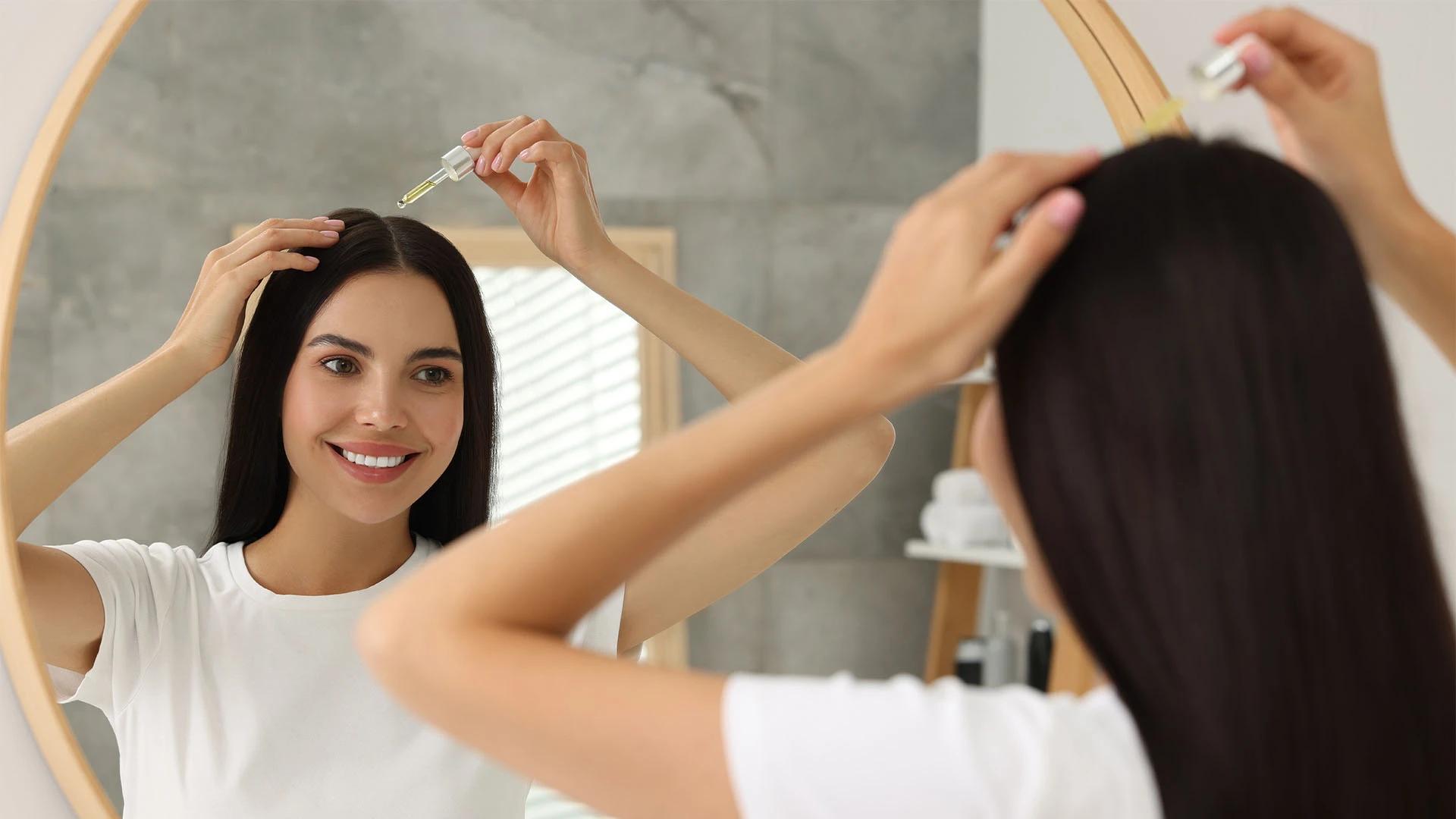

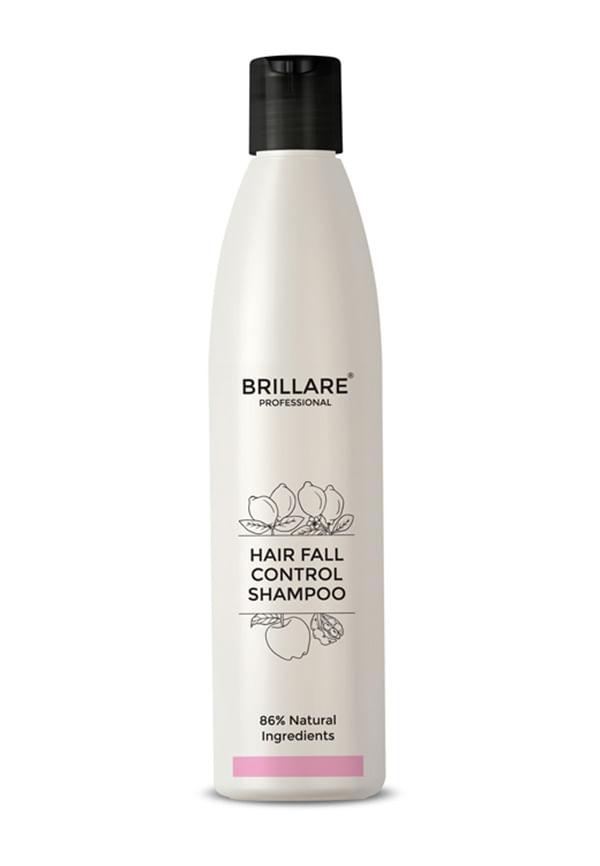
Shampoo To Reduce Seasonal Hair Fall
You step out of the shower, run your fingers through your hair, and there it is again — strands falling like autumn leaves. Sound familiar? If you've noticed your hairbrush collecting more hair than usual during monsoon season, you're definitely not alone. The rainy months bring their own set of hair challenges, and suddenly everyone's asking the same question: why does hair fall seem worse when the weather gets humid? Let's dive into everything you need to know about managing hair fall during monsoon, from understanding why it happens to practical tips that actually work.
Real talk — monsoon hair fall isn't just in your head. The science behind it is pretty straightforward, and once you understand what's happening, you can tackle it better. During the rainy season, humidity levels shoot up, which affects your hair structure in ways you might not expect.
High humidity makes your hair shaft swell and become more porous. Think of it like a sponge soaking up moisture from the air. This constant swelling and shrinking weakens the hair cuticle, making strands more prone to breakage. Your scalp also becomes a breeding ground for fungal infections during this time because of the constant moisture and lack of proper drying.
The monsoon season also brings nutritional challenges. Fresh produce becomes harder to find, and many people end up with deficiencies in essential vitamins and minerals that support healthy hair growth. Iron, zinc, and B vitamins take a hit during this time, which directly impacts your hair's strength and growth cycle.
Another factor worth mentioning is the stress your hair follicles face from constantly being damp. When hair doesn't dry properly — whether from rain or high humidity — it creates an environment where bacteria and fungi thrive. This can lead to scalp irritation, dandruff, and ultimately, increased hair fall.
Prevention is always better than cure, especially when it comes to monsoon hair care. The key is creating a routine that keeps your scalp healthy and your hair strong enough to withstand the seasonal challenges.
First up: keep your scalp and hair completely dry. This might sound obvious, but it's the most crucial step in hair fall prevention during monsoon. Whenever you get caught in the rain, make sure to dry your hair thoroughly as soon as possible. Leaving it damp for hours creates the perfect environment for fungal growth and weakens your hair roots.
Avoid heat styling tools during humid weather. Your hair is already dealing with enough stress from the moisture in the air. Adding heat damage on top of that is like asking for trouble. If you absolutely must style your hair, use heat protectant products and keep the temperature on the lower side.
Never tie wet hair — this is a monsoon hair care rule that's worth obsessing over. Wet hair is at its most vulnerable state, and pulling it into tight ponytails or buns can cause serious breakage. If you need to keep your hair out of your face, use a loose scrunchie or a soft headband instead.
Switch to microfiber towels for drying your hair. Regular cotton towels create friction that can damage wet hair cuticles. Microfiber towels are gentler and absorb moisture more effectively, reducing the time your hair stays damp.
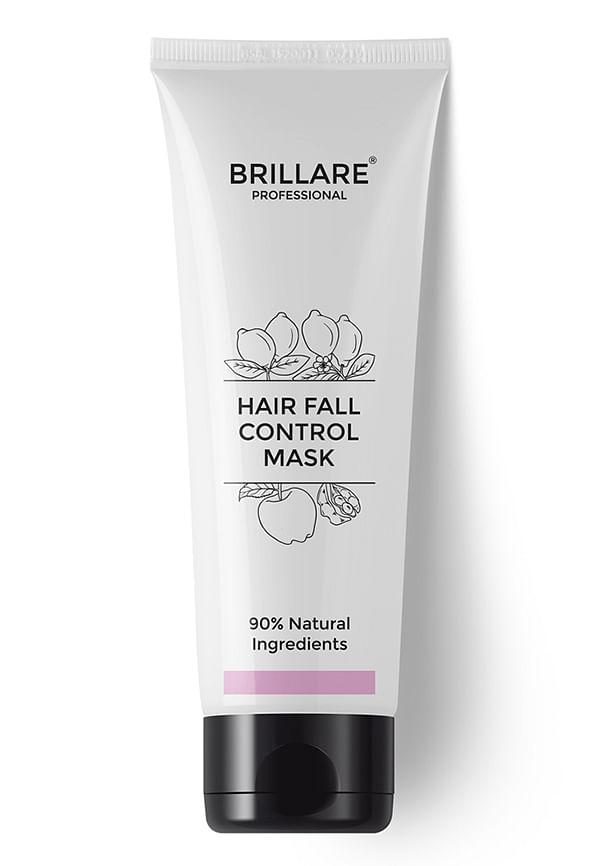
Conditioner To Reduce Seasonal Hair Fall
Building a solid monsoon haircare routine doesn't have to be complicated. It's about making smart choices that work with the weather, not against it. Here's a routine that actually makes sense for the rainy season.
Start with pre-wash oiling, but keep it light. Heavy oils can be harder to wash out during monsoon and might leave residue that attracts dirt and pollution. Coconut oil, argan oil, or a lightweight hair serum work well. Apply it to your scalp and lengths about 30 minutes before washing.
Choose mild, sulfate-free shampoos that won't strip your hair of its natural oils. During monsoon, your scalp produces less oil naturally due to the humidity, so harsh shampoos can leave your hair dry and brittle. Look for shampoos with ingredients like tea tree oil or neem that have antifungal properties.
Conditioning is non-negotiable, but focus on the mid-lengths and ends of your hair. Avoid applying conditioner directly to your scalp during monsoon as it can make your hair look greasy faster. Rinse thoroughly to prevent product buildup.
Weekly deep conditioning treatments become your best friend during this season. Your hair needs extra moisture to combat the drying effects of constant humidity changes. Look for protein-rich treatments that can help strengthen weakened hair strands.
Sometimes the best solutions come from your kitchen cabinet. Natural remedies can be incredibly effective for monsoon hair fall, especially when used consistently. These treatments work because they address the root causes — weak hair follicles, scalp infections, and nutritional deficiencies.
Coconut oil remains a monsoon favourite for good reason. It has natural antifungal properties that help keep scalp infections at bay. Warm a small amount and massage it into your scalp twice a week. The key is to use just enough to nourish without making your hair greasy.
Onion juice might not smell great, but it's worth trying for hair regrowth. The sulfur compounds in onions improve blood circulation to hair follicles and can help reduce hair fall. Blend an onion, strain the juice, and apply it to your scalp for 15 minutes before washing.
Egg yolk masks provide protein that strengthens hair from within. Mix one egg yolk with a tablespoon of olive oil and apply it to your hair once a week. The protein helps repair damaged cuticles while the oil adds moisture.
Aloe vera gel is perfect for soothing irritated scalps during monsoon. Its anti-inflammatory properties can help reduce scalp irritation that often leads to increased hair fall. Apply fresh aloe vera gel to your scalp and leave it on for 20 minutes before washing.
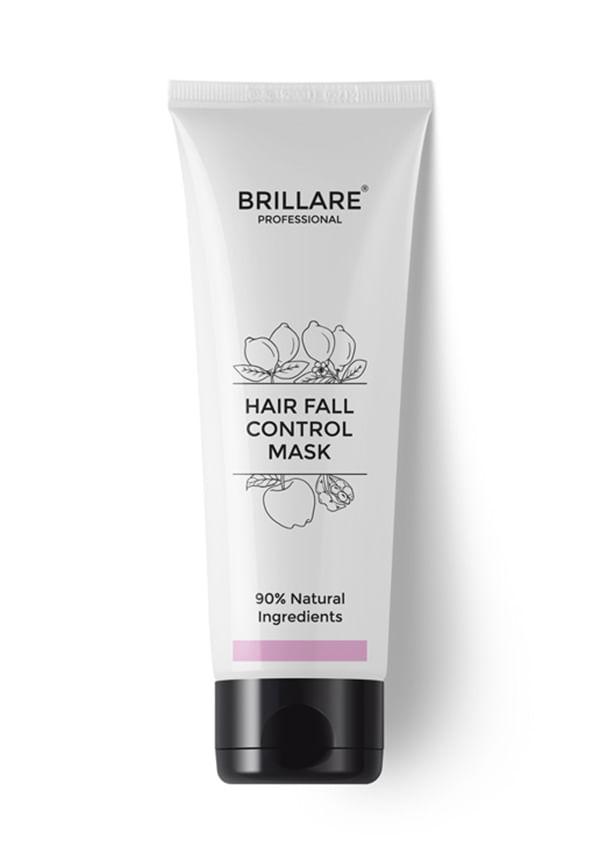
Hair Fall Control Mask To Reduce Seasonal Hair Fall
While home remedies are great, sometimes you need professional-grade solutions to tackle stubborn monsoon hair fall. Knowing when to step up your game can make all the difference in maintaining healthy hair during the rainy season.
Dermatologist-recommended products often contain active ingredients that home remedies can't match. Look for shampoos with ketoconazole for fungal infections, or minoxidil-based treatments if your hair fall is severe. These ingredients are clinically proven to address specific hair and scalp concerns.
Salon treatments like scalp facials or deep conditioning masks can provide intensive care that your at-home routine might miss. Professional treatments use concentrated formulas and techniques that can help reset your hair health for the season.
Consider consulting a hair specialist if you're losing more than 100 strands per day consistently. Normal hair fall ranges from 50-100 strands daily, but monsoon can push this number higher temporarily. A professional can help determine if your hair fall is seasonal or if there's an underlying issue that needs attention.
Regular scalp massages, whether done professionally or at home, improve blood circulation to hair follicles. This increased blood flow brings more nutrients to your hair roots, promoting stronger, healthier growth even during challenging weather conditions.
Focus on keeping your scalp clean and dry, use gentle hair care products, and incorporate natural treatments like coconut oil massages and aloe vera applications. Maintain a balanced diet rich in iron, zinc, and B vitamins. Avoid tying wet hair and always dry your hair completely after getting caught in the rain.
Most monsoon-related hair fall is temporary and should improve once the season ends and your hair adjusts to normal humidity levels. However, if you notice bald patches or if hair fall continues beyond the monsoon season, it might indicate an underlying condition that needs professional attention.
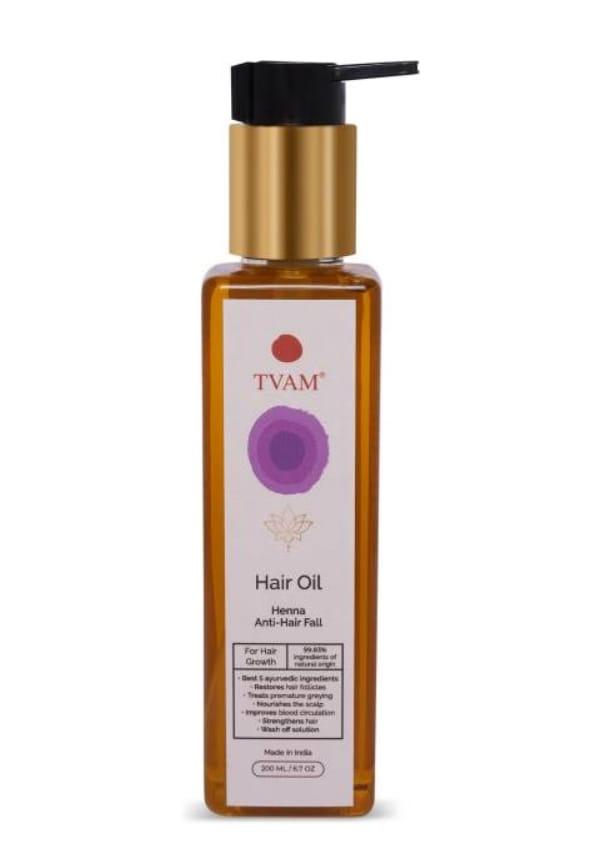
Hair Oil - Henna Anti-Hair Fall
During monsoon, you might notice an increase from the normal 50-100 strands per day to around 150-200 strands. This increase is usually temporary. If you're consistently losing more than 200 strands daily or notice significant thinning, it's worth consulting a dermatologist.
Absolutely. Monsoon season often leads to reduced intake of fresh fruits and vegetables, causing deficiencies in iron, zinc, vitamin D, and B vitamins. These nutrients are crucial for healthy hair growth. Consider taking supplements after consulting with a healthcare provider, and focus on eating nutrient-dense foods.
Not necessarily. Over-washing can strip your hair of natural oils, making it more vulnerable to damage. Stick to washing 2-3 times a week unless your scalp gets very oily or you've been caught in heavy rain. Focus on thorough cleansing rather than frequent washing.
Avoid heavy silicones, sulfates, and alcohol-based products. These can either weigh your hair down or dry it out excessively. Also, skip protein-heavy treatments if your hair feels brittle, as too much protein can make hair stiff and prone to breakage during humid weather.
Yes, the stress of dealing with constant humidity, travel disruptions, and seasonal changes can trigger telogen effluvium — a condition where hair follicles enter the resting phase prematurely. Managing stress through exercise, adequate sleep, and relaxation techniques can help reduce hair fall.
Loose braids, low buns, and gentle ponytails work best. Avoid tight hairstyles that pull on your hair roots. Use soft hair ties and avoid metal clips that can snag wet hair. The goal is to keep hair manageable without creating tension on the scalp.
Managing hair fall during monsoon doesn't have to be a losing battle. The key is understanding that this seasonal challenge requires a slightly different approach to your regular hair care routine. Focus on keeping your scalp healthy, your hair properly dried, and your nutrition on point.
Remember that some increase in hair fall during monsoon is completely normal and temporary. Your hair is adapting to environmental changes, and with the right care, it will bounce back stronger. The natural remedies and professional tips we've covered can help you navigate this season with confidence.
If you're looking to experiment with new hair care products to tackle monsoon challenges, Smytten offers trial-size versions of many professional-grade treatments and shampoos — a smart way to test what works for your hair type before investing in full-size bottles. After all, finding your perfect monsoon hair care routine might just be a trial away.
