Hair Fall Due to Hard Water: Causes, Prevention, and Solutions
-576a5922-df83-4f92-a8eb-894ecbb35a74.webp&w=3840&q=75)

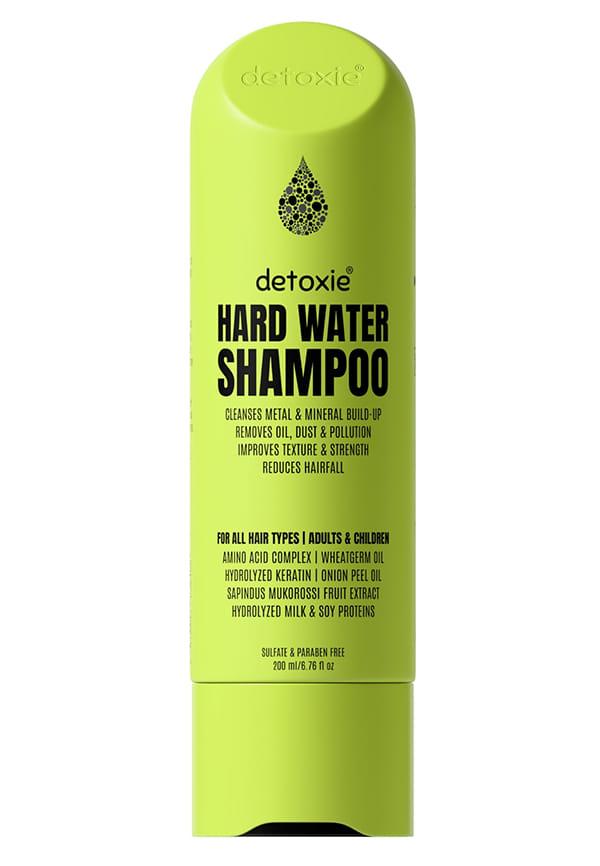
Hard Water Relief, Hair Fall Control & Pro Growth Shampoo
Have you been noticing more strands on your pillow, in the shower drain, or even stuck to your clothes? Your hair feels drier, rougher, and harder to manage. If you live in an area with hard water, minerals like calcium and magnesium might be silently weakening your hair. The good news is, you don’t need to overhaul your whole routine. A few smart tweaks, the right products, and trial-first testing can keep your hair healthy and manageable.
Hair fall from hard water happens because minerals coat the hair and scalp, making strands dry, brittle, and prone to breakage. Gentle chelating shampoos, hydrating conditioners, and weekly hair masks can remove buildup and restore softness. Using try minis and trials on Smytten lets you test products first, then move to full sizes confidently once you know they work for your hair.
Hard water contains a high concentration of minerals, primarily calcium and magnesium.
These minerals attach to the hair shaft and scalp, creating a barrier that prevents moisture from penetrating. Over time, this leaves hair feeling dry, tangling easily, and losing its natural shine. Even with your usual haircare routine, you might notice hair that’s harder to manage and more prone to breakage.
Leaves hair rough and straw-like
Reduces the lathering and effectiveness of shampoos
Causes hair to tangle and knot
Can irritate the scalp and worsen flakiness
Mineral buildup weakens hair shafts and stresses the scalp.
Calcium and magnesium deposits coat the hair cuticle, making it fragile and prone to breakage. Blocked follicles may also reduce nourishment to new hair growth. You may not see dramatic clumps falling out, but noticing more hair on your pillow or brush can be an early sign.
Weakens strands, increasing breakage
Dries out the scalp, leading to itching or flaking
Causes tangles, which can pull out fragile hair
Reduces the effectiveness of oils and treatments
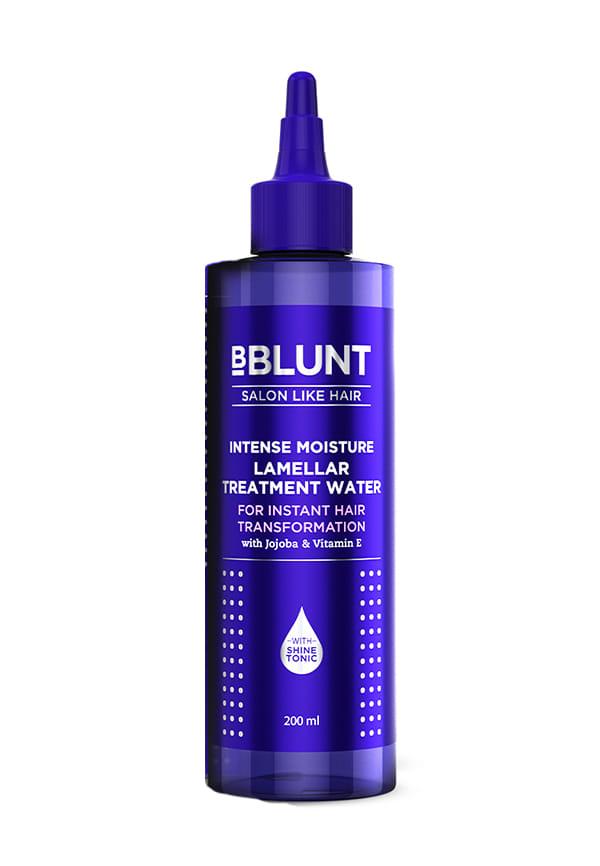
Intense Moisture Lamellar Treatment Water
You might notice subtle but telling changes if hard water is causing hair stress:
Hair feels rough and dry even after washing
More shedding than usual in the shower or on your pillow
Dull, lackluster hair that tangles easily
Scalp feels tight, itchy, or dry
Hair seems frizzier and harder to style
These signs often appear gradually, so it’s easy to ignore them until hair feels noticeably fragile.
Yes, with consistent care and the right routine, you can protect hair from mineral buildup.
Start by gently removing buildup with chelating or clarifying shampoos once or twice a week. Follow up with a nourishing conditioner or weekly hair mask to restore softness. Using try minis and trials on Smytten lets you test which products suit your hair type before buying full-size bottles.
Rinse with filtered or boiled water if possible
Use chelating shampoos weekly
Follow with moisturising conditioners or hair masks
Limit heat styling and chemical treatments
Apply lightweight leave-in oils or serums to lock in moisture
Chelating and hydrating products are the most effective.
Shampoos containing EDTA, citric acid, or apple cider vinegar help remove mineral buildup. Conditioners or hair masks with aloe vera, glycerin, and natural oils restore softness and shine. Try minis and trials on Smytten first to discover what works for your hair without wasting full-size products.
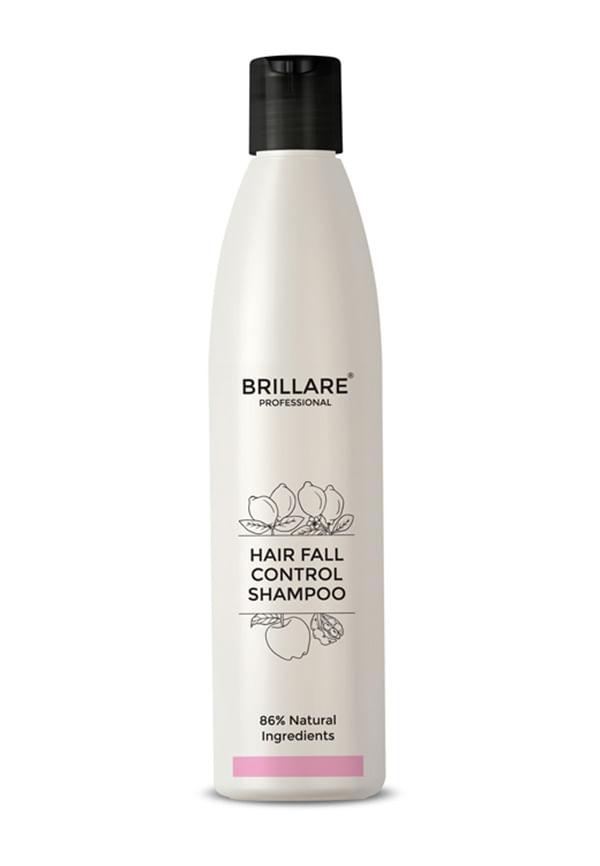
Shampoo To Reduce Seasonal Hair Fall
Chelating shampoos remove buildup gently
Hydrating conditioners reduce tangling and dryness
Hair masks strengthen strands once a week
Leave-in oils or serums lock in moisture and protect hair from friction
Yes, heat, humidity, and pollution can amplify hard water effects.
Sweat, dust, and pollution mix with mineral deposits, leaving hair drier, frizzier, and scalp itchier. Urban areas, seasonal heat spikes, and high humidity can make proper cleansing and hydration even more important.
Humidity worsens scalp dryness when minerals build up
Hard water plus heat makes hair brittle
Pollution sticks to mineral-coated hair, dulling it
Yes, several habits can make the problem worse:
Frequent heat styling can increase hair breakage
Chemical treatments like coloring, straightening, or perming add stress
Poor diet or nutrient deficiencies weaken hair from within
High stress levels can trigger temporary hair shedding (telogen effluvium)
Managing these factors alongside proper haircare can drastically reduce hair fall.
What it can do:
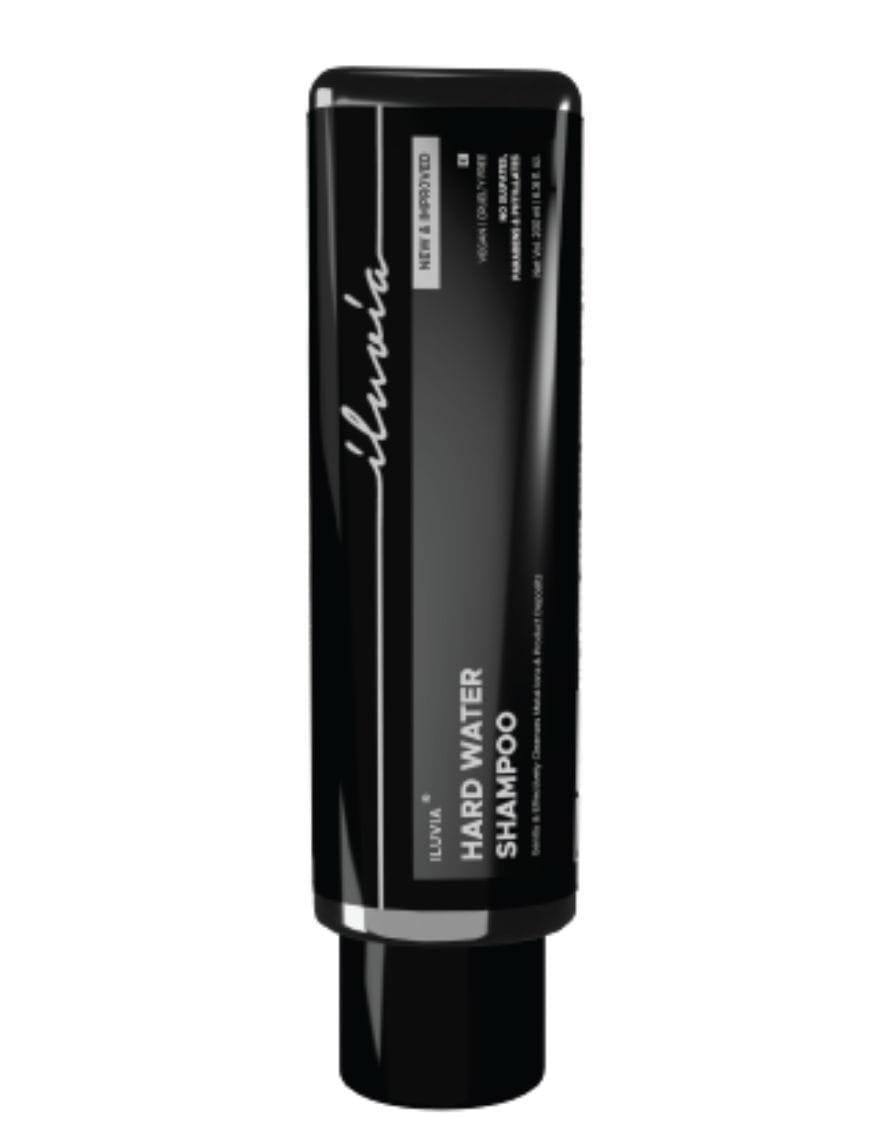
Professional Hard Water Shampoo
Reduce hair breakage and shedding from mineral buildup
Restore softness, shine, and manageability
Make your haircare routine more effective
What it can’t do:
Reverse genetic or hormonal hair loss
Fix damage from years of untreated hard water on its own
Replace medical treatments for scalp conditions
1. How Can I Tell If Hard Water Is Causing My Hair Fall?
If your hair feels rough, tangles easily, or doesn’t lather well, hard water could be the reason.
2. Can Vinegar Remove Mineral Buildup From Hair?
Yes, diluted apple cider vinegar helps remove mineral deposits. Follow with a conditioner to prevent over-drying.
3. How Often Should I Use Clarifying Shampoos?
Once or twice a week is usually enough. Using try minis and trials on Smytten helps you figure out the right frequency for your hair type.
4. Can Oils Prevent Hair Fall From Hard Water?
Light oils like argan or jojoba seal in moisture and reduce friction, but they won’t remove mineral buildup.
5. Will Conditioners Help With Hard Water Damage?
Absolutely, they restore moisture and make hair more manageable. You can try minis or trial packs on Smytten to find the perfect conditioner before buying the full size.
6. Is Hair Fall From Hard Water Permanent?
No. With regular care, mineral buildup can be removed, and hair can regain softness and strength.
7. When Should I See A Dermatologist?
Seek help if hair falls in clumps, appears patchy, or is accompanied by scalp irritation. Early professional advice gives the best outcomes.
8. Can Lifestyle Changes Help Alongside Haircare?
Yes, reducing heat styling, chemical treatments, stress, and improving diet can significantly support hair health.
Hair fall from hard water is common, but it’s very manageable. Gentle cleansing, mineral removal, and hydration go a long way in keeping hair soft and strong. Using try minis and trials on Smytten lets you discover which products suit your hair type before committing to full-size products. Once you find your ideal routine, moving to the full-size products becomes easy and worry-free. With consistent care, you can restore softness, shine, and manageability while keeping hair fall under control.
