Hair Fall Causes in Women FAQ: Everything You Need to Know

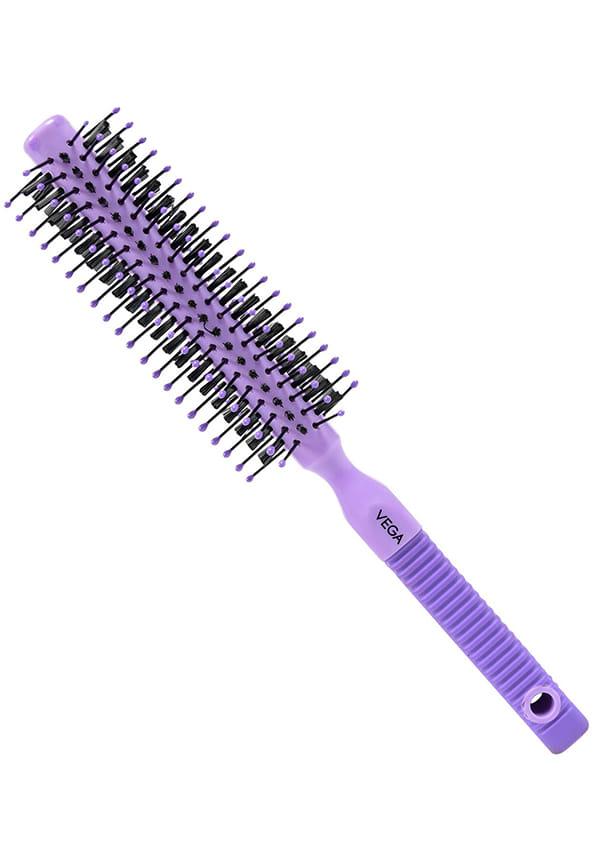
Round Hair Brushfor Adding Curls, Volume & Waves In Hairs| Men and Women| All Hair Types, Color May Vary (R2-RB)
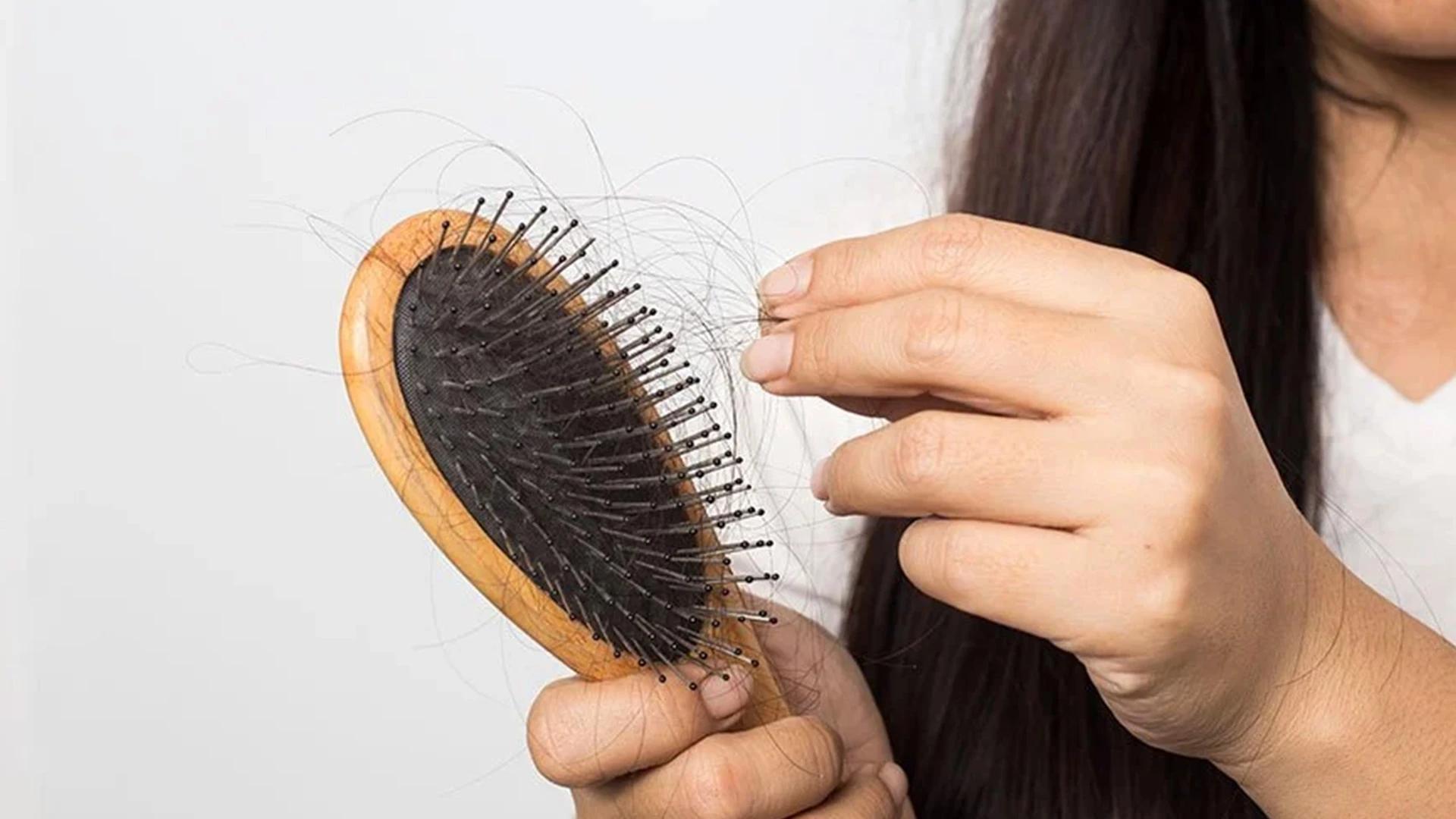
You know that sinking feeling when you run your fingers through your hair and find way more strands than usual? Or when you notice your ponytail feels thinner than it used to? Hair fall in women is incredibly common, yet it can feel isolating when you're the one dealing with it. The good news is that understanding what's behind your hair loss is the first step towards finding the right solution. Let's dive into everything you need to know about female hair fall, from the science behind it to the treatments that actually work.
Hair fall causes in women are surprisingly diverse, ranging from genetics to lifestyle factors. Unlike men, who typically experience a predictable pattern of hair loss, women often face more complex scenarios. Female hair fall can show up as overall thinning, crown area changes, or even patchy loss depending on the underlying cause.
The average person loses 50-100 hairs daily as part of the natural growth cycle. But when you're dealing with hair loss women experience beyond this normal range, it's worth investigating further. Hair thinning women notice often develops gradually, making it easy to dismiss until the changes become more obvious.
What makes female pattern hair loss different is how it presents. Rather than the receding hairline common in men, women typically see diffuse thinning across the crown and top of the head. The hairline usually stays intact, but the overall volume decreases noticeably.
Hormones play a massive role in hair health, which explains why many women notice changes during major life transitions. The relationship between hormones and hair is complex, with several key players affecting your strands differently throughout your life.
Female pattern baldness affects about 50% of women over 50, making it the most common reason for hair fall in women. This condition is driven by sensitivity to dihydrotestosterone (DHT), a hormone derived from testosterone. Even though women have lower testosterone levels than men, those with genetic predisposition can still experience DHT-related hair loss.
The pattern typically starts with widening of the part line and gradual thinning at the crown. Unlike male pattern baldness, complete baldness is rare in women with androgenetic alopecia.
During pregnancy, elevated estrogen levels keep hair in the growth phase longer, often resulting in thicker, fuller hair. However, after delivery, hormone levels drop dramatically, causing what's known as postpartum hair shedding women experience. This temporary but intense hair loss typically peaks around three to six months after birth.
The good news? This type of hair fall is usually temporary, with most women seeing their hair return to pre-pregnancy thickness within a year.
As estrogen levels decrease during menopause, many women notice their hair becoming thinner and more fragile. The protective effects of estrogen on hair follicles diminish, while the relative influence of androgens increases. This shift can trigger or accelerate female pattern hair loss in susceptible women.
Several health conditions can trigger hair fall causes women might not immediately connect to their overall health. Understanding these connections helps in getting the right treatment approach.
Both overactive (hyperthyroid) and underactive (hypothyroid) thyroid conditions can cause significant hair thinning women experience. Thyroid hormones directly influence hair follicle function, and when levels are off, hair growth cycles become disrupted.
Hypothyroidism often causes hair to become dry, brittle, and thin all over the scalp. Hyperthyroidism can lead to fine, soft hair that falls out easily. The encouraging part is that treating the underlying thyroid condition usually helps restore normal hair growth.
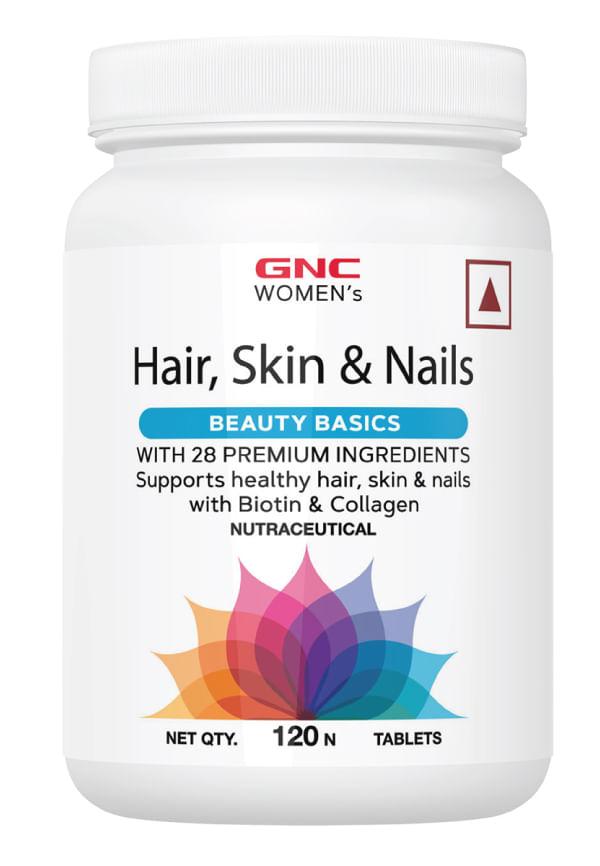
Women's Hair, Skin & Nails - For Stronger Hair, Clearer Skin, and Healthier Nails
Good Daily Vitamin
 4
4“decent product for daily vitamin intake”
Polycystic ovary syndrome (PCOS) affects up to 10% of women of reproductive age and can significantly impact hair health. The elevated androgen levels associated with PCOS can cause both hair loss on the scalp and unwanted hair growth elsewhere on the body.
Women with PCOS often experience hair thinning in the crown area, similar to male pattern baldness. Managing PCOS through diet, exercise, and sometimes medication can help reduce hair fall and other symptoms.
Alopecia areata causes patchy hair loss when the immune system mistakenly attacks hair follicles. This condition can affect women of any age and may progress to total scalp hair loss (alopecia totalis) or complete body hair loss (alopecia universalis) in severe cases.
Other autoimmune conditions like lupus can also cause hair loss, often accompanied by scalp inflammation or scarring.
What you eat directly impacts your hair's health and growth. Several nutritional deficiencies are particularly linked to causes of alopecia in women, with some being more common than others.
Iron deficiency is the most common nutritional cause of hair loss in women, especially those with heavy menstrual periods. Hair follicles need adequate iron stores to produce healthy hair, and when levels drop, hair growth slows and existing hair becomes weak.
Even if you're not technically anemic, low ferritin levels (iron stores) can contribute to hair fall. Many doctors recommend ferritin levels above 40-50 ng/mL for optimal hair growth, though some women may need higher levels.
Research shows that vitamin D receptors are present in hair follicles, and deficiency can disrupt the hair growth cycle. Many women, especially those with limited sun exposure, have suboptimal vitamin D levels that could be contributing to hair thinning.
Hair is primarily made of protein, so inadequate protein intake can lead to weak, brittle hair that breaks easily. B-vitamins, particularly biotin, B12, and folate, are also crucial for healthy hair growth. Strict diets, eating disorders, or absorption issues can lead to deficiencies that manifest as hair problems.
Sometimes what appears to be hair loss is actually hair breakage women experience due to styling practices or environmental factors. Understanding the difference helps in choosing the right approach to treatment.
Regular use of hot styling tools, chemical relaxers, perms, or frequent colouring can weaken hair structure, leading to breakage that mimics hair loss. The damage typically affects the hair shaft rather than the follicle, so addressing styling habits can help prevent further breakage.
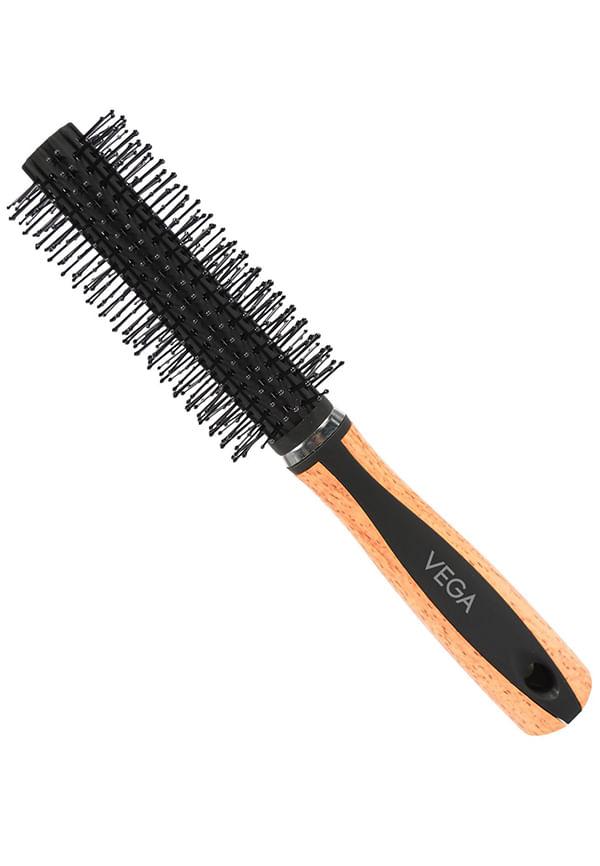
Round Hair Brushfor Adding Curls, Volume & Waves In Hairs| Men and Women| All Hair Types (H6-RB)
Consistently wearing tight ponytails, braids, or extensions can cause traction alopecia, where constant pulling damages hair follicles. This type of hair loss often affects the hairline and temples first. Early intervention by loosening hairstyles can prevent permanent damage.
Both physical and emotional stress can trigger telogen effluvium, a condition where hair prematurely enters the resting phase and falls out. This type of hair shedding women experience typically occurs 2-3 months after the stressful event and can last several months.
Major life events, illness, surgery, or chronic stress can all trigger this response. The positive aspect is that once stress levels normalise, hair growth usually returns to normal.
Hair fall treatment women can access ranges from over-the-counter solutions to prescription medications and professional procedures. The key is identifying the underlying cause to choose the most effective approach.
Minoxidil (available as Rogaine) is the only FDA-approved topical treatment for female pattern hair loss. It works by extending the growth phase of hair and increasing blood flow to follicles. Most women see results after 3-6 months of consistent use.
For women with hormonal hair loss, doctors might prescribe spironolactone, an anti-androgen medication that blocks DHT effects on hair follicles. This treatment requires medical supervision and regular monitoring.
While not replacements for medical treatment, several natural approaches may support hair health. Scalp massage can improve circulation, and some studies suggest essential oils like rosemary oil may have modest benefits for hair growth.
Addressing nutritional deficiencies through diet or supplements is crucial when deficiencies are identified. However, it's important to work with healthcare providers rather than self-treating with supplements.
Platelet-rich plasma (PRP) therapy involves injecting concentrated platelets from your own blood into the scalp to stimulate hair growth. While results vary, some women see improvement in hair density and thickness.
Low-level laser therapy devices are also available for home use, though evidence for their effectiveness is mixed. Hair transplant procedures are an option for women with significant hair loss, though the approach differs from male hair transplants.
While you can't prevent genetic hair loss entirely, there are ways to prevent hair fall women can implement to maintain healthier hair and potentially slow progression.
Gentle hair care practices make a significant difference. Use wide-tooth combs on wet hair, avoid excessive heat styling, and choose hairstyles that don't pull on the hairline. Regular trims help prevent split ends from travelling up the hair shaft and causing breakage.
Maintaining a balanced diet rich in protein, iron, and vitamins supports overall hair health. Managing stress through exercise, meditation, or other healthy outlets can help prevent stress-related hair loss.
Regular health check-ups can catch underlying conditions like thyroid disorders or nutritional deficiencies before they significantly impact your hair.
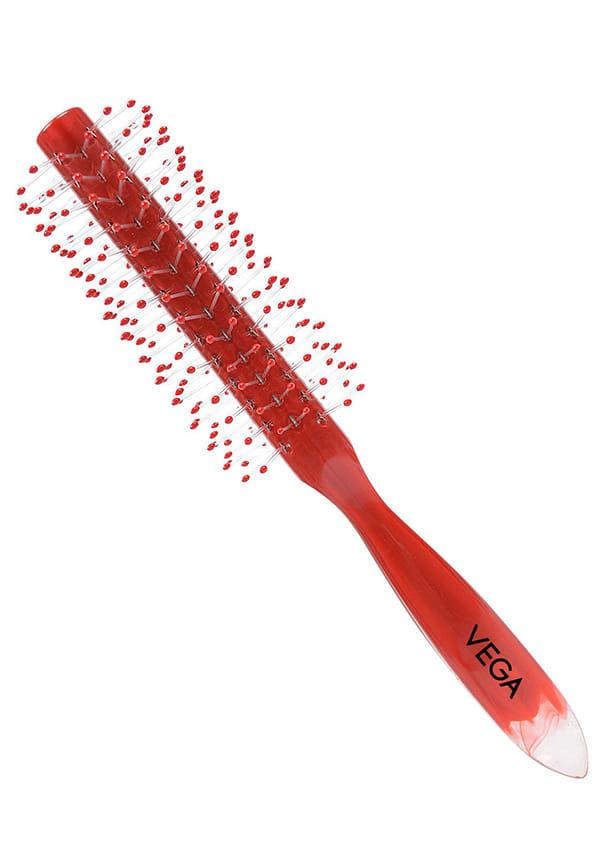
Round Hair Brushfor Adding Curls, Volume & Waves In Hairs| Men and Women| All Hair Types (R4-RB )
Androgenetic alopecia, also known as female pattern baldness, is the most common cause of hair fall in women. This genetic condition affects about 50% of women over 50 and is triggered by sensitivity to DHT (dihydrotestosterone). Unlike male pattern baldness, women typically experience diffuse thinning across the crown rather than complete baldness.
DHT (dihydrotestosterone) is the primary hormone responsible for genetic hair loss in women. However, fluctuations in estrogen, thyroid hormones, and insulin can also contribute to hair fall. During menopause, declining estrogen levels can unmask genetic sensitivity to DHT, leading to increased hair thinning.
Iron deficiency is the most common nutritional cause of hair loss in women, particularly those with heavy menstrual periods. Vitamin D deficiency is also increasingly recognised as a contributor to hair problems. B-vitamins, especially biotin and B12, play important roles in hair health, though true deficiencies are less common.
Many types of female hair loss can be improved or reversed, especially when caught early and the underlying cause is addressed. Temporary hair loss from stress, nutritional deficiencies, or hormonal changes often resolves with proper treatment. Even genetic hair loss can be slowed or partially reversed with appropriate medical treatment like minoxidil.
Consult a healthcare provider if you notice sudden hair loss, patchy bald spots, hair loss accompanied by scalp irritation or pain, or if you're losing more than 100-150 hairs daily for several weeks. Family history of hair loss, recent major life changes, or other symptoms like fatigue or weight changes should also prompt medical evaluation.
Common blood tests for hair loss include complete blood count (to check for anemia), ferritin levels, thyroid function tests (TSH, T3, T4), vitamin D levels, and sometimes hormone panels including testosterone and DHEA-S. Your doctor might also test for autoimmune markers if alopecia areata is suspected.
Most hair loss treatments require 3-6 months of consistent use before noticeable results appear. This is because hair grows slowly (about half an inch per month) and needs time to complete growth cycles. Treatments for underlying conditions like thyroid disorders or nutritional deficiencies may show results sooner, but hair regrowth still takes time.
Some women notice increased hair shedding during menstruation due to hormonal fluctuations, particularly if they have iron deficiency from heavy periods. However, significant hair loss during periods isn't normal and may indicate underlying issues like PCOS, thyroid problems, or severe iron deficiency that should be evaluated by a healthcare provider.
Understanding hair fall causes in women is the first step towards finding effective solutions. Whether you're dealing with genetic hair loss, hormonal changes, or lifestyle factors, there are treatment options available. The key is identifying the underlying cause through proper evaluation and working with healthcare providers to develop a comprehensive treatment plan.
Remember that hair loss is incredibly common among women, and you're not alone in this experience. Many effective treatments exist, from FDA-approved medications to lifestyle modifications that can help slow progression and improve hair health. Early intervention often leads to better outcomes, so don't hesitate to seek professional help if you're concerned about your hair loss.
For those looking to explore hair care products that support healthy hair, Smytten offers trial-size versions of many quality hair care products from trusted brands. This allows you to test different formulations and find what works best for your specific hair needs before committing to full-size purchases.
