Hair Fall Causes in Monsoon FAQ: Your Questions Answered

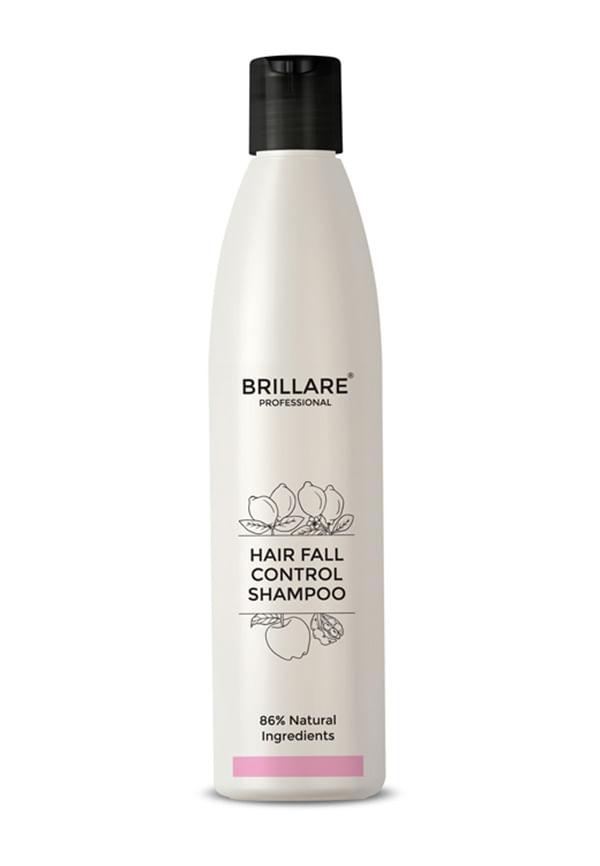
Shampoo To Reduce Seasonal Hair Fall
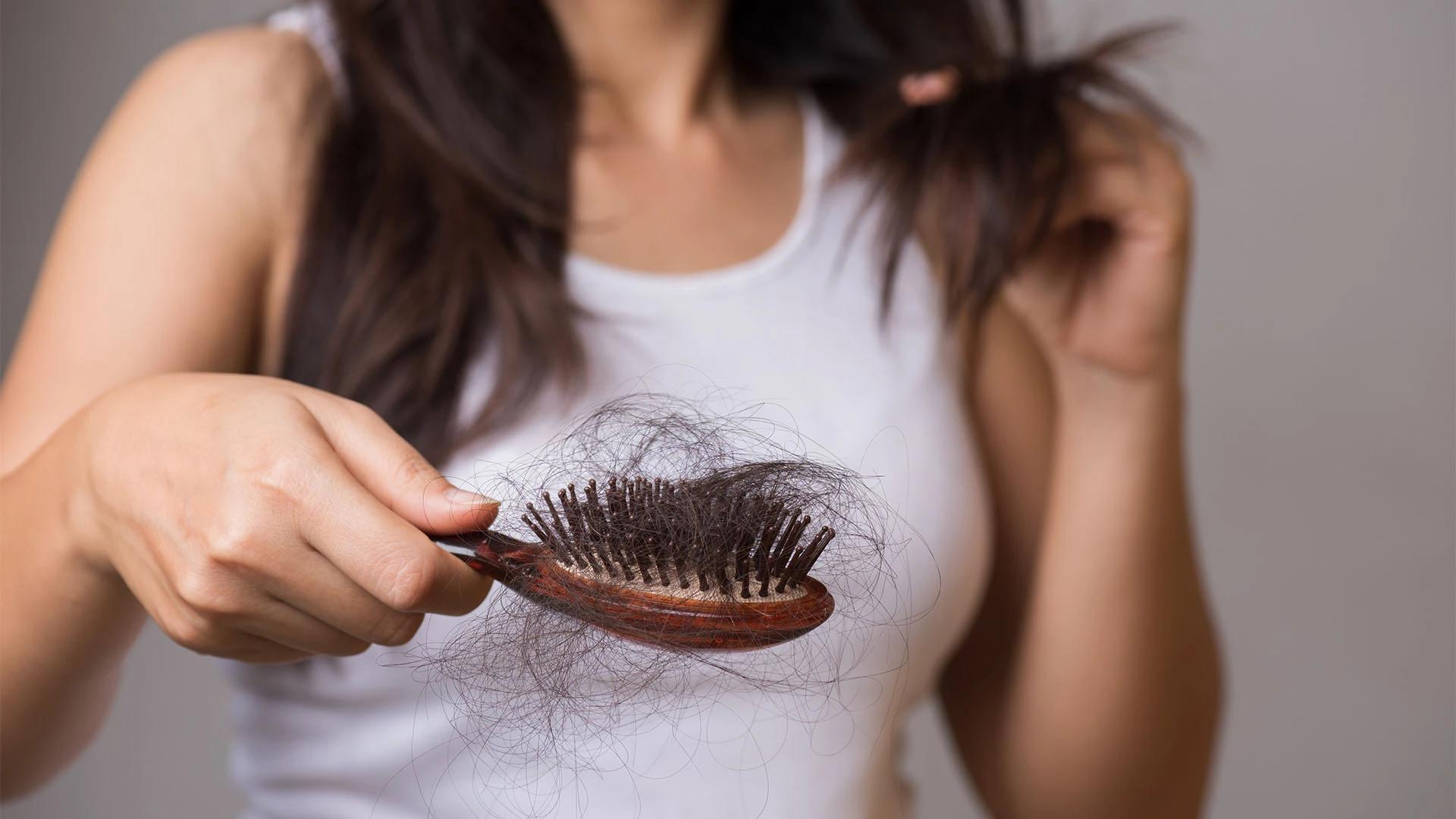
You wake up to find your pillow covered in strands. Again. The monsoon season has arrived, and with it, that familiar dread of watching your hair fall out faster than you can say "humidity." If you've been wondering why your hair seems to have a mind of its own during the rainy months, you're definitely not alone. Let's dive into the most common questions about monsoon hair fall and get some real answers that actually help.
Real talk — monsoon hair fall isn't just in your head. The science behind it is pretty straightforward, even if dealing with it feels anything but simple. When humidity levels spike during the rainy season, your hair structure literally changes. The moisture in the air penetrates your hair shaft, causing it to swell and become more fragile than usual.
Think of your hair like a sponge during monsoon. It absorbs all that extra moisture from the environment, which weakens the protein bonds that keep your strands strong. This makes your hair more prone to breakage and, yes, falling out. Studies show that hair fall can increase by up to 30% during high-humidity months compared to drier seasons.
The constant wet-dry cycle doesn't help either. Your hair gets soaked in the rain, then you dry it, then it gets humid again — this repetitive stress on your hair follicles can push them into the resting phase earlier than normal. That's when you start noticing more strands in your brush and on your clothes.
Seasonal hair fall is also linked to changes in your scalp's natural oil production. The humid weather makes your scalp produce more sebum, which can clog hair follicles and create the perfect environment for bacterial and fungal growth. Not exactly what you want when you're trying to keep your hair healthy.
Let's break down the main culprits behind your monsoon hair woes. Understanding these hair fall reasons can help you tackle the problem more effectively.
Humidity is your hair's biggest enemy during monsoon. When moisture levels in the air are high, your hair absorbs water and swells, making it weak and prone to breakage. This constant expansion and contraction stress your hair shaft beyond its limits.
Rainwater isn't as pure as it used to be, especially in urban areas. It picks up pollutants, dust, and chemicals as it falls, creating a cocktail that can irritate your scalp and weaken your hair roots when it comes into contact with your head.
The warm, moist environment during monsoon creates ideal breeding conditions for fungi and bacteria on your scalp. These microorganisms can cause inflammation, itching, and ultimately lead to hair thinning and loss.
Increased sweating combined with dirt and pollution creates a sticky mess on your scalp. This mixture can block your hair follicles, preventing proper hair growth and causing existing strands to fall out prematurely.
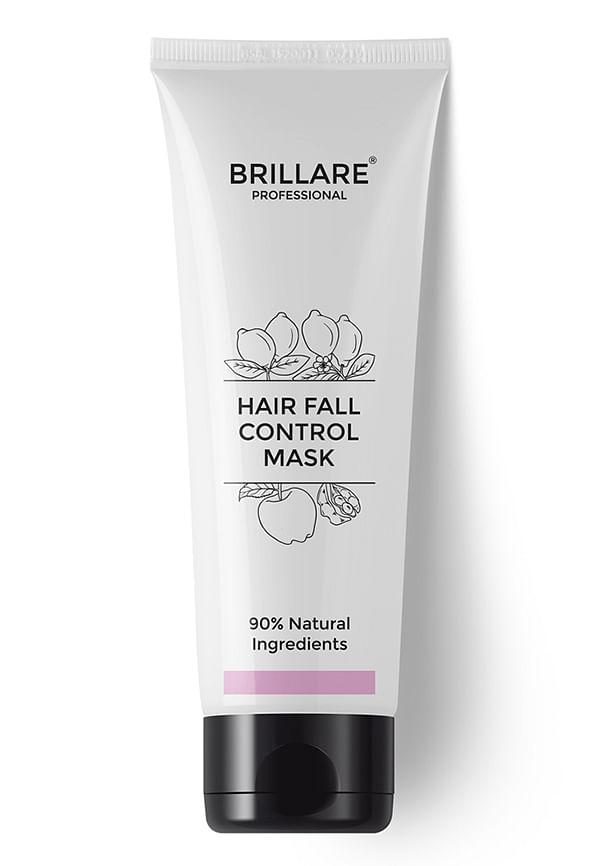
Conditioner To Reduce Seasonal Hair Fall
Your scalp goes into overdrive during humid weather, producing excess sebum. While some oil is good for your hair, too much can weigh down your strands and create an unhealthy scalp environment.
Constantly getting caught in the rain and then drying your hair puts tremendous stress on your strands. Wet hair is more elastic and fragile, making it susceptible to breakage when handled roughly or dried improperly.
Seasonal transitions can affect your appetite and nutrient absorption. Many people experience deficiencies in iron, vitamin D, and B vitamins during monsoon, all of which are crucial for healthy hair growth.
Monsoon doesn't just bring hair fall — it's like a package deal with other annoying hair and scalp issues. Let's talk about the most common ones you might be dealing with right now.
Dandruff in monsoon is incredibly common because the humid conditions create the perfect environment for Malassezia, a yeast that naturally lives on your scalp. When this yeast overgrows, it causes the flaky, itchy mess we call dandruff. The increased oil production during humid weather feeds this yeast, making the problem worse.
An itchy scalp during monsoon often goes hand-in-hand with dandruff, but it can also be caused by bacterial infections, clogged follicles, or even allergic reactions to pollutants in rainwater. The constant urge to scratch can damage your hair follicles and lead to more hair fall.
Hair breakage in monsoon is different from hair fall. While hair fall happens at the root, breakage occurs along the hair shaft. You'll notice shorter, broken pieces rather than full-length strands. This usually happens because wet hair becomes more elastic and fragile, especially when you brush it roughly or tie it up too tightly while it's still damp.
Knowing the difference between normal seasonal shedding and something more serious is crucial. If you're losing more than 150 strands daily, notice bald patches, or experience severe scalp irritation, it might be time to consult a dermatologist.
Yes, losing up to 150 strands daily during monsoon is considered normal. Your hair naturally goes through growth cycles, and seasonal changes can push more follicles into the shedding phase simultaneously. However, if you're consistently losing more than this or notice sudden patches of thinning, it's worth getting checked by a professional.
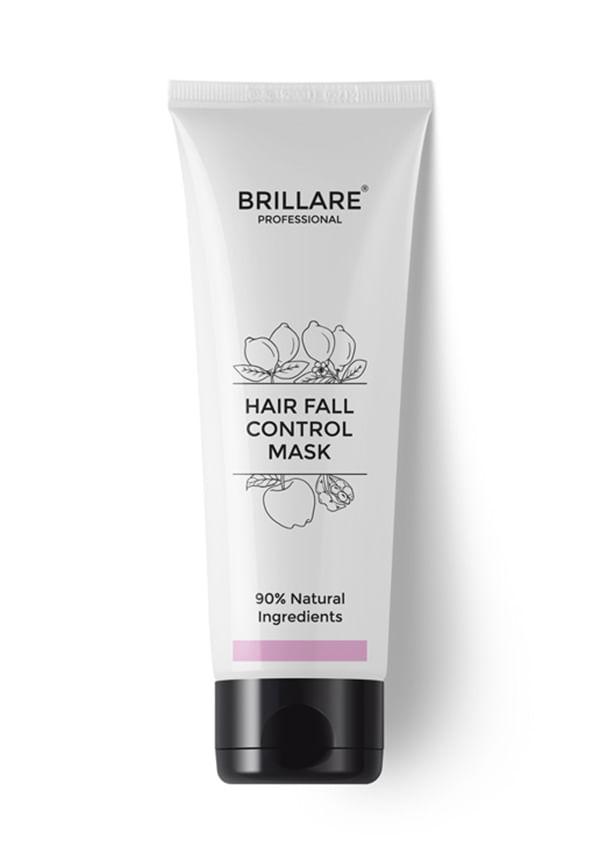
Hair Fall Control Mask To Reduce Seasonal Hair Fall
Focus on keeping your scalp clean and dry. Wash your hair regularly with a gentle shampoo, avoid tying wet hair tightly, and use natural ingredients like neem, tea tree oil, or aloe vera to combat fungal growth. Eating a balanced diet rich in protein, iron, and vitamins also helps strengthen your hair from within.
Most seasonal hair fall is temporary and should improve once the weather changes. However, if the hair loss was caused by scalp infections or severe damage, regrowth might take longer. Maintaining a good haircare routine during and after monsoon helps ensure healthy regrowth.
Hair fall typically peaks during July to September in most parts of India, coinciding with the heaviest monsoon months. The combination of high humidity, frequent rain, and increased pollution during this period creates the perfect storm for hair problems.
Absolutely. Deficiencies in iron, vitamin D, biotin, and protein can make your hair more susceptible to seasonal damage. During monsoon, when sunlight exposure is limited and appetite might be affected, these deficiencies can become more pronounced, leading to increased hair fall.
Humid weather affects your hair's protein structure, making it weaker and more prone to breakage. The moisture also creates an ideal environment for scalp infections and increases oil production, all of which contribute to hair fall. Additionally, the constant wet-dry cycles put mechanical stress on your hair follicles.
Prevention is always better than cure, especially when it comes to monsoon hair care. Here are some practical tips that actually work, not just sound good on paper.
Start with pre-wash preparation. Before stepping into the shower, gently detangle your hair with a wide-tooth comb. This prevents excessive pulling and breakage when your hair is wet and most vulnerable. If your hair is particularly oily or dirty, consider using a clarifying shampoo once a week to remove buildup.
When washing, focus on your scalp rather than the lengths of your hair. Use lukewarm water instead of hot water, which can strip your hair of natural oils and make it more brittle. Massage your scalp gently with your fingertips, not your nails, to improve circulation without causing irritation.
Drying your hair properly is crucial during monsoon. Never go to bed with wet hair, as this creates the perfect environment for fungal growth. If you must air dry, do it in a well-ventilated area. When using a blow dryer, keep it on a cool setting and maintain some distance from your scalp.
Weekly deep conditioning treatments can help repair damage from humidity and pollution. Look for treatments containing proteins like keratin or moisturising ingredients like argan oil. Apply these mainly to the mid-lengths and ends of your hair, avoiding the scalp area.
Regular scalp massages with oils like coconut, jojoba, or tea tree oil can improve blood circulation and help prevent fungal infections. Do this 2-3 times a week, leaving the oil on for at least 30 minutes before washing.
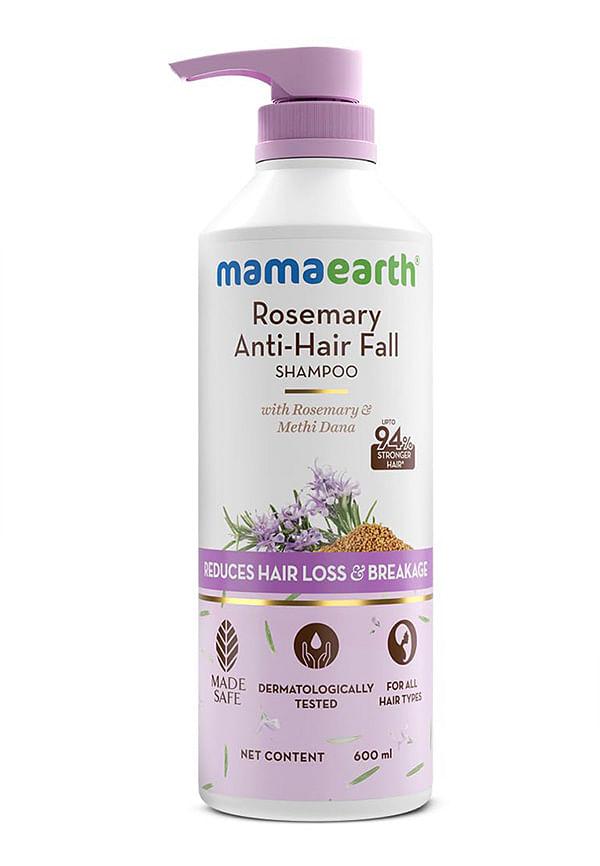
Rosemary Anti-Hair Fall Shampoo with Rosemary & Methi Dana for Reducing Hair Loss & Breakage
While some hair loss during monsoon is normal, there are red flags you shouldn't ignore. Knowing when to seek professional help can save you from long-term hair damage.
If you're losing more than 150-200 strands daily for more than two weeks, it's time to pay attention. Sudden onset of bald patches, severe scalp itching that doesn't respond to over-the-counter treatments, or hair that breaks off very close to the scalp are all signs that something more serious might be happening.
Underlying health conditions like thyroid disorders, hormonal imbalances, or autoimmune diseases can worsen during seasonal changes. If your hair loss is accompanied by other symptoms like fatigue, weight changes, or skin problems, consider getting a comprehensive health check-up.
Sometimes, what looks like seasonal hair fall might actually be androgenetic alopecia (male or female pattern baldness) that becomes more noticeable during stressful periods like monsoon. A dermatologist can help distinguish between temporary seasonal shedding and permanent hair loss conditions.
Professional treatments like platelet-rich plasma (PRP) therapy, mesotherapy, or prescription medications might be necessary for severe cases. Early intervention often leads to better outcomes, so don't wait too long if you're concerned.
Let's talk about solutions that dermatologists and trichologists actually recommend, not just what sounds trendy on social media.
Ingredients like ketoconazole, salicylic acid, and zinc pyrithione are proven effective against fungal infections that cause dandruff and hair fall during humid weather. Look for shampoos containing these ingredients if you're dealing with scalp issues.
Natural treatments can be surprisingly effective when used correctly. Neem has antifungal properties, tea tree oil can reduce scalp inflammation, and aloe vera provides soothing moisture without being too heavy. However, always patch test natural ingredients first, as some people can be sensitive to them.
For severe monsoon hair problems, professional treatments like chemical peels for the scalp, laser therapy, or prescription antifungal medications might be necessary. These should always be done under professional supervision.
Long-term hair health during monsoon requires a holistic approach. This includes maintaining a balanced diet, managing stress levels, getting adequate sleep, and protecting your hair from environmental damage. Consider taking supplements like biotin, iron, or vitamin D if your diet isn't providing enough of these nutrients.
Monsoon hair fall is a real phenomenon with real solutions. Understanding the causes — from humidity and pollution to scalp infections and nutritional deficiencies — helps you tackle the problem more effectively. Remember that some seasonal shedding is normal, but persistent or severe hair loss deserves professional attention.
The key to managing monsoon hair fall lies in prevention: keeping your scalp clean and dry, protecting your hair from environmental damage, and maintaining overall health through proper nutrition and stress management. With the right approach, you can minimise hair fall and keep your locks healthy throughout the rainy season.
If you're looking to try different haircare products to find what works best for your monsoon hair concerns, Smytten offers trial-size versions of many professional haircare brands. It's a smart way to test products before investing in full-size bottles, especially when you're dealing with seasonal hair changes that might require different care approaches.
