Hair Damage Wet Hair FAQ: Common Questions Answered

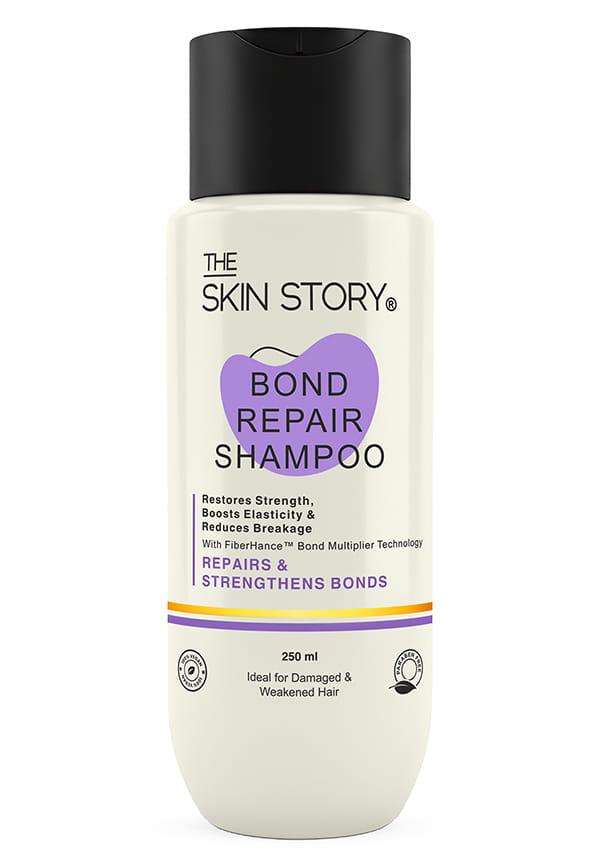
Professional Bond Repair Shampoo For Damaged Hair
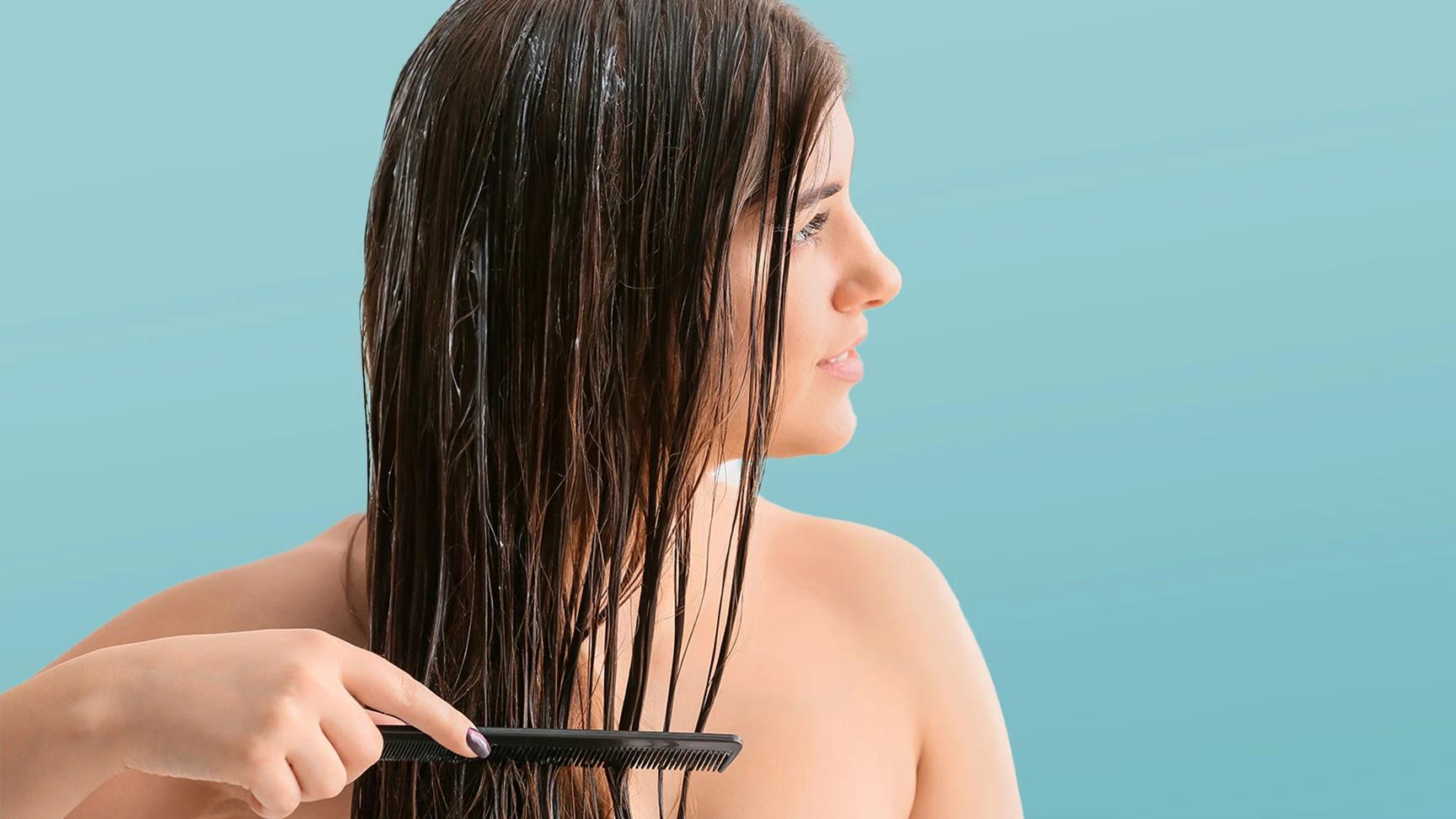
You know that moment when you step out of the shower and your hair feels like wet spaghetti? Or when you're gently combing through damp strands and suddenly hear that dreaded snap? Let's be real — wet hair can be a proper minefield, and most of us are accidentally causing damage without even realising it. The thing is, your hair is actually at its most vulnerable when it's soaking wet, which explains why so many of us struggle with breakage, split ends, and that frustrating lack of bounce. If you've ever wondered why your hair feels different when wet or how to actually care for it properly, you're definitely not alone.
Here's the science bit that'll make everything click: when your hair gets wet, the hydrogen bonds that give your strands their structure temporarily break down. Think of it like your hair's internal scaffolding getting a bit wobbly. This makes wet hair up to 30% weaker than when it's dry, which is why that gentle tug can suddenly turn into a snapping sound.
Hair porosity plays a massive role here too. If you've got high porosity hair (basically, hair with lots of tiny gaps in the cuticle), water rushes in super quickly, making your strands swell and become even more fragile. Low porosity hair takes longer to get saturated, but once it does, it holds onto that water for ages. Either way, wet hair means vulnerable hair.
The hair cuticle — those overlapping scales on the outside of each strand — lifts when wet, exposing the softer cortex underneath. It's a bit like opening an umbrella in reverse. This lifting makes your hair more prone to tangling, breakage, and general damage from friction. Your hair elasticity also changes dramatically when wet, which is why damaged hair can feel gummy or stretchy when it's saturated with water.
Spotting hair damage when your hair is wet is actually easier than you might think, once you know what to look for. Healthy wet hair should feel smooth and slightly slippery, not rough or bumpy. If your strands feel gummy, overly stretchy, or mushy between your fingers, that's a red flag for protein damage or over-processing.
Split ends become super obvious when hair is wet — they'll look like little white dots or frayed bits at the ends of your strands. You might also notice that damaged sections of your hair dry at different rates, creating patchy areas that stay damp longer than others. This uneven drying is often a sign of varying hair porosity levels caused by damage.
Try the elasticity test: gently stretch a wet strand between your fingers. Healthy hair should stretch about 30% of its length and then bounce back. If it snaps immediately or stretches way beyond that and doesn't return to its original length, you're dealing with damaged hair that needs some serious TLC.
Look out for hair that tangles excessively when wet, strands that feel rough or bumpy to the touch, and sections that seem to absorb water much faster than others. These are all telltale signs that your hair cuticle is compromised and needs repair.
Right, let's talk about the mistakes literally everyone makes with wet hair. First up: aggressive brushing. We've all been there — rushing to detangle wet hair with a regular brush, yanking through knots like we're in some kind of hurry. This is basically a recipe for hair breakage because wet hair is so much more fragile.
Damage Repair Kit
Rough towel drying is another major culprit. That vigorous rubbing motion creates friction that damages the lifted cuticles and can cause serious breakage. Sleeping with soaking wet hair is also problematic — not only does it create the perfect environment for bacteria and fungal growth on your scalp, but all that tossing and turning creates friction that leads to tangles and breakage.
Using the wrong products on wet hair can also spell trouble. Heavy oils or products with drying alcohols can either weigh down wet hair or strip it further. And please, for the love of all things hair-related, never use heat styling tools on soaking wet hair without proper heat protection. The water in your hair literally boils, creating steam that can cause serious damage to your hair structure.
Any kind of rough handling when hair is wet — from aggressive combing to harsh towel drying — creates friction that damages the already vulnerable cuticle layer. Think gentle movements and patience, always.
This is probably one of the most common questions about wet hair care, and the answer isn't as straightforward as you might think. Daily wetting doesn't directly cause hair loss, but it can contribute to damage if you're not doing it right. The key is understanding your hair type and what it actually needs.
For people with curly or textured hair, daily wetting (even without shampooing) can actually be beneficial because these hair types tend to be naturally drier and benefit from regular moisture. However, if you're roughly handling your hair every single day during the wetting and drying process, that's where problems start.
The real issue with daily wetting comes down to hair conditioning and how you're treating your strands when they're in their most vulnerable state. If you're being gentle, using the right products, and not over-manipulating your hair, daily wetting shouldn't cause significant damage. But if you're rushing through the process or using harsh techniques, that daily cycle can definitely lead to cumulative damage over time.
Your scalp health also plays a role here. Some people find that daily wetting helps keep their scalp clean and comfortable, while others might experience irritation or an imbalance in their scalp's natural oils. It's really about finding what works for your individual hair and scalp needs.
Let's get into the good stuff — how to actually care for wet hair without causing damage. First rule: always start detangling from the ends and work your way up. Use a wide-tooth comb or a detangling brush specifically designed for wet hair, and take your time. Rushing this process is where most breakage happens.
When it comes to drying, ditch the regular towel and opt for a microfiber towel or even a cotton t-shirt. These materials create less friction and are much gentler on your hair cuticles. The plopping method — where you gently squeeze water out rather than rubbing — is particularly good for curly hair types.
Product application timing matters too. Apply leave-in conditioners and styling products to damp (not soaking) hair for better distribution and absorption. If your hair is dripping wet, it won't absorb products properly, and you'll end up using more than necessary without getting the benefits.
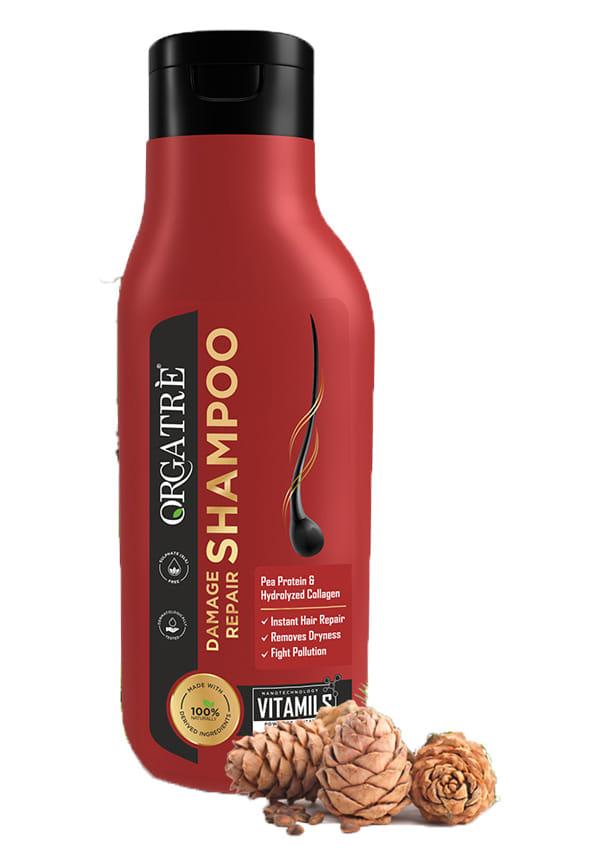
Damage Repair Shampoo
Temperature is another crucial factor. Lukewarm water is your friend — hot water can strip your hair and scalp of natural oils, while cold water can be too shocking and doesn't cleanse effectively. Find that sweet spot where the water feels comfortably warm but not steamy.
Invest in proper wet hair tools: a wide-tooth comb, microfiber towels, and gentle hair ties that won't snag. These small changes can make a massive difference in preventing daily damage.
If you're dealing with damaged hair, the good news is that there are loads of effective treatments that can help restore strength and elasticity. Hair masks are your best friend here — look for ones with protein (like keratin or amino acids) if your hair feels mushy when wet, or moisture-rich masks with natural oils if your hair feels dry and brittle.
The key with damaged hair treatment is consistency rather than intensity. It's better to do a gentle hair repair treatment weekly than to overload your hair with heavy treatments that might cause protein overload. Pay attention to how your hair responds — if it starts feeling stiff or brittle after protein treatments, switch to moisture-focused masks for a while.
Professional treatments like Olaplex or similar bond-building treatments can be game-changers for severely damaged hair. These work by rebuilding the broken bonds in your hair structure, essentially repairing damage at a molecular level. While they're pricier than DIY options, they can be worth it for seriously compromised hair.
For hair strengthening, look for ingredients like hydrolysed proteins, ceramides, and amino acids. These help fill in gaps in damaged cuticles and strengthen the hair shaft. Natural oils like argan, coconut, and jojoba can also provide protective benefits, but use them sparingly — a little goes a long way, especially on wet hair.
Start with one treatment type and see how your hair responds before adding others. Damaged hair can be sensitive, so introducing multiple new products at once might cause more harm than good.
Wet hair doesn't cause damage by itself, but it makes your hair much more vulnerable to damage from brushing, styling, and general handling. When hair is wet, it's up to 30% weaker than when dry because the hydrogen bonds that give hair its structure temporarily break down. The key is being extra gentle with wet hair and using proper techniques to minimise damage risk.
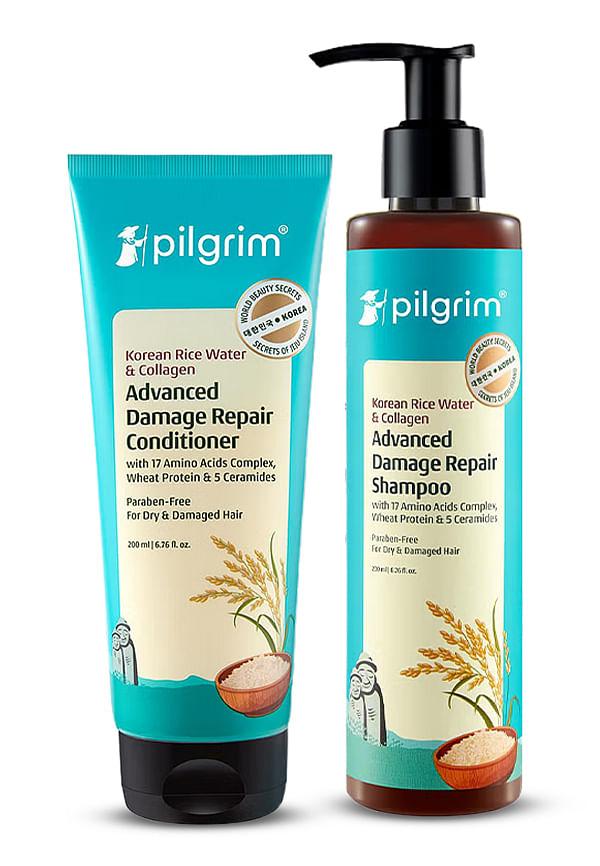
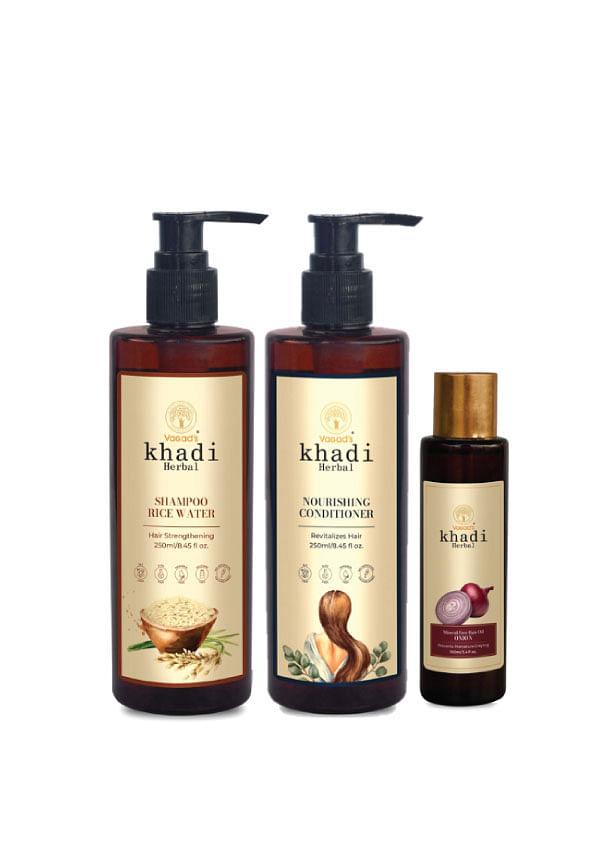
Korean Rice Water Damage Repair Duo
Damaged wet hair often feels gummy, overly stretchy, or mushy between your fingers. You might notice excessive tangling, rough or bumpy texture, and split ends that are more visible when hair is saturated. Healthy wet hair should feel smooth and slightly slippery, with good elasticity that allows it to stretch about 30% and bounce back to its original length.
Sleeping with soaking wet hair isn't ideal for several reasons. It creates a damp environment that can promote bacterial or fungal growth on your scalp, and all the tossing and turning creates friction that can lead to tangles and breakage. If you must sleep with damp hair, try loosely braiding it or using a silk pillowcase to reduce friction.
Leaving hair wet doesn't directly cause hair loss, but it can contribute to scalp issues that might affect hair health. Prolonged moisture on the scalp can disrupt its natural balance and potentially lead to irritation or fungal issues. The main concern with wet hair is increased breakage risk, not hair loss from the follicle.
While you can't completely reverse severe damage, you can significantly improve hair health with consistent care and the right treatments. Bond-building treatments, regular deep conditioning, protein masks, and gentle handling can help restore strength and reduce further damage. However, severely damaged sections might need to be trimmed to prevent the damage from travelling up the hair shaft.
The gentlest drying method for damaged hair is air drying or using a microfiber towel to gently squeeze out excess water. If you must use heat, apply a heat protectant and use the lowest temperature setting. Avoid rough towel drying, and never brush or comb damaged hair when it's soaking wet — wait until it's slightly damp for easier, safer detangling.
Understanding why wet hair is so vulnerable is the first step to preventing damage and keeping your strands healthy. Remember that wet hair is up to 30% weaker than dry hair, so gentle handling is absolutely crucial. Focus on proper detangling techniques, gentle drying methods, and using the right products at the right time.
If you're dealing with damaged hair, consistency is more important than intensity when it comes to treatments. Regular deep conditioning, protein treatments when needed, and protective styling can all help restore your hair's health over time. The key is listening to what your hair needs and adjusting your routine accordingly.
For those looking to explore different hair repair and conditioning products, Smytten offers trial-size versions of many professional-grade treatments from trusted brands. This way, you can test what works for your specific hair type and damage level before investing in full-size products — particularly helpful when you're trying to rebuild a damaged hair care routine from scratch.
