Hair Damage Repair for Colored Hair FAQ: Your Questions Answered

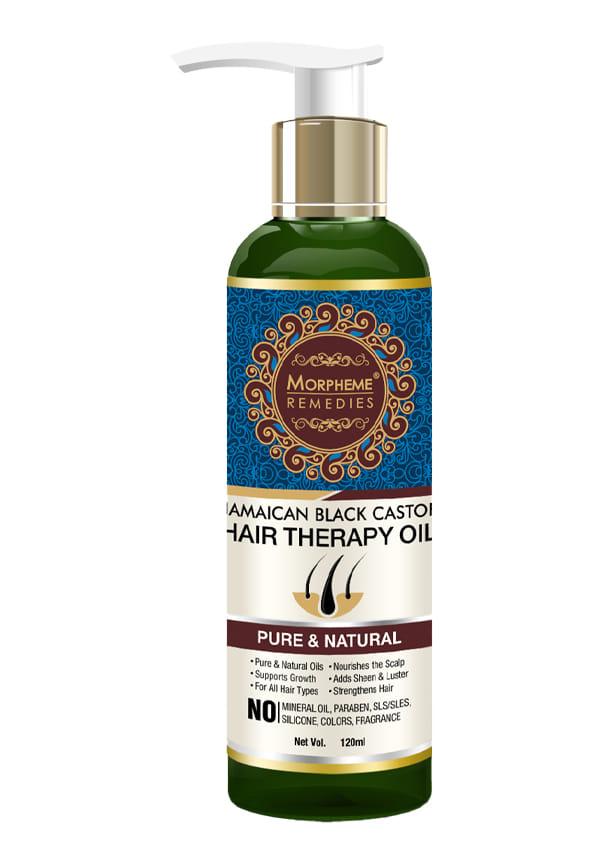
Morpheme Remedies Jamaican Black Castor Hair Therapy Oil - No Mineral Oil & Silicones
Coloured hair can be absolutely gorgeous, but let's be real—the damage that comes with it? Not so much. Whether you've gone platinum blonde, tried a bold red, or just touched up your roots, chemical processing can leave your strands feeling dry, brittle, and looking less than fabulous. If you're dealing with breakage, dullness, or that straw-like texture that makes you want to hide under a hat, you're definitely not alone. The good news? Hair damage repair for colored hair is totally possible with the right approach, products, and a bit of patience. At Smytten, we've seen countless people transform their damaged colour-treated hair back to healthy, vibrant locks—and we're here to answer all your burning questions about getting your hair back to its former glory.
TL;DR
Hair damage from colouring is caused by chemical processing that breaks down protein bonds and lifts the hair cuticle
Damaged colour-treated hair can be repaired using protein treatments, deep conditioning masks, and colour-safe products
Home remedies like egg masks and rice water treatments can help restore strength and moisture to damaged hair
Prevention is key—use heat protectants, wash less frequently, and choose sulfate-free products to maintain colour and hair health
Professional treatments may be necessary for severely damaged hair, especially bleached hair
Before we dive into solutions, let's talk about what actually happens to your hair during the colouring process. When you colour your hair, chemicals work to lift the cuticle (the outer layer) and penetrate the cortex (the inner layer) to deposit or remove pigment. This process inevitably causes some level of damage to your hair's structure.
The main culprits behind damaged color treated hair include oxidative damage from bleach and dyes, protein loss from chemical processing, and increased porosity as the cuticle becomes lifted and roughened. Bleaching is particularly harsh because it strips away your hair's natural melanin, often requiring multiple sessions that can seriously weaken your strands.
Wondering if your hair needs some TLC? Here are the telltale signs that your coloured hair is crying out for repair:
Excessive breakage - Finding more hair than usual on your brush or pillow
Dryness and brittleness - Hair feels rough and snaps easily when wet
Lack of shine - Your hair looks dull and lifeless instead of glossy
Tangling - Hair knots up easily and is difficult to detangle
Colour fading quickly - Your vibrant shade washes out faster than expected
Split ends - Visible splitting at the hair ends
Not all hair damage is created equal. Hair breakage from dye typically occurs when hair is over-processed or when multiple chemical treatments are done too close together. Bleached hair generally experiences more severe damage because the bleaching process strips away the hair's natural proteins and lipids more aggressively than regular dye.
Here's the truth about colored hair repair—while you can't completely reverse all damage (especially severe chemical damage), you can definitely improve your hair's condition significantly. The key is understanding what type of damage you're dealing with and choosing the right approach to restore color treated hair.
When hair is chemically processed, the disulfide bonds that give hair its strength can be broken. Some damage, like cuticle lifting and protein loss, can be addressed with the right treatments. However, severely damaged hair that's been over-bleached may require cutting and growing out healthy hair.
Don't expect overnight miracles—hair repair is a gradual process. Most people start seeing improvements in texture and manageability within 2-4 weeks of consistent treatment. For more significant repair, you're looking at 2-3 months of dedicated care.
If your hair is severely damaged, breaking off in chunks, or feels like elastic when wet, it's time to see a professional. They can assess whether your hair can be saved or if a significant cut is needed to remove the most damaged portions.
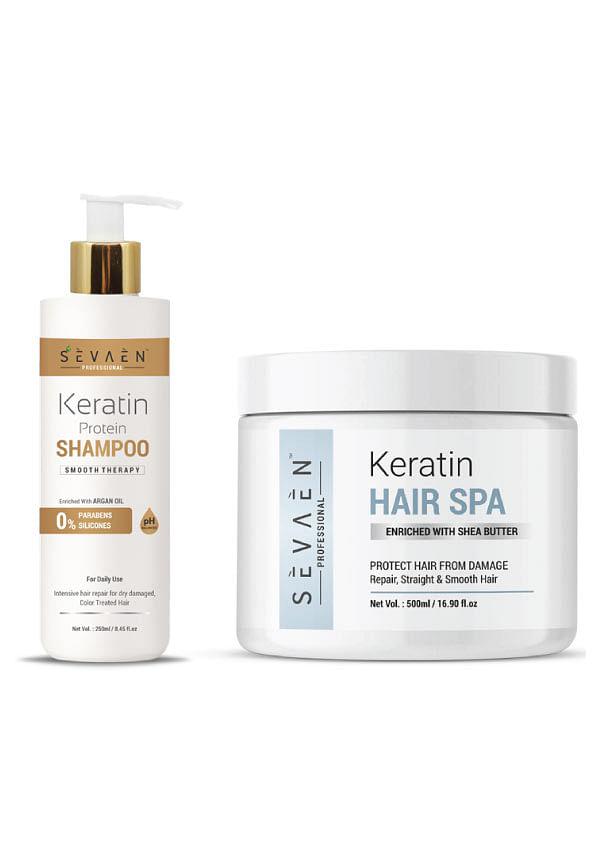
Keratin Shampoo And Hair Spa Cream For Hair Dry&Damage repair And strengthening&Smoothing Hair With Deep Conditioning Treatment
Soft & Shiny Hair
 5
5“Leaves hair very soft and shiny”
Positive Product Review
5“nice product........good to use”
Positive Spa Cream Review
4“nice products...... spa cream is very nice”
The best hair color damage treatment depends on your specific damage type and severity. Generally, you'll want to focus on protein reconstruction and moisture restoration to strengthen bleached hair and restore its health.
Professional salon treatments often provide the most dramatic results. Bond-building treatments work to reconnect broken disulfide bonds, while protein reconstructors help fill in gaps in the hair shaft. Deep conditioning masks provide intense moisture that damaged hair desperately needs.
Professional treatments can work wonders for severely damaged hair:
Bond-building treatments - These work at a molecular level to reconnect broken bonds
Protein reconstructors - Fill in gaps in damaged hair cuticles
Keratin treatments - Smooth the cuticle and add protective coating
Deep conditioning masks - Provide intense moisture and nourishment
For those who prefer DIY solutions, there are plenty of effective at-home options:
Weekly intensive masks - Use protein or moisture masks based on your hair's needs
Leave-in treatments - Provide ongoing protection and nourishment
Overnight repair treatments - Work while you sleep for maximum benefit
Home remedies can be surprisingly effective for repairing damaged colour-treated hair. The key is consistency and choosing treatments that address your specific damage type. Natural ingredients often work just as well as expensive salon treatments when used correctly.
DIY protein treatments are particularly effective for hair that feels mushy or overly stretchy when wet. These treatments help rebuild the hair's internal structure and restore strength.
Try these protein-rich treatments to strengthen damaged hair:
Egg and honey mask - Mix 2 eggs with 2 tablespoons honey, apply for 20 minutes
Rice water treatment - Soak rice in water for 30 minutes, strain, and use as a rinse
Greek yogurt mask - Apply plain yogurt to damp hair for 15-20 minutes
For dry, brittle hair, focus on moisture-rich treatments:
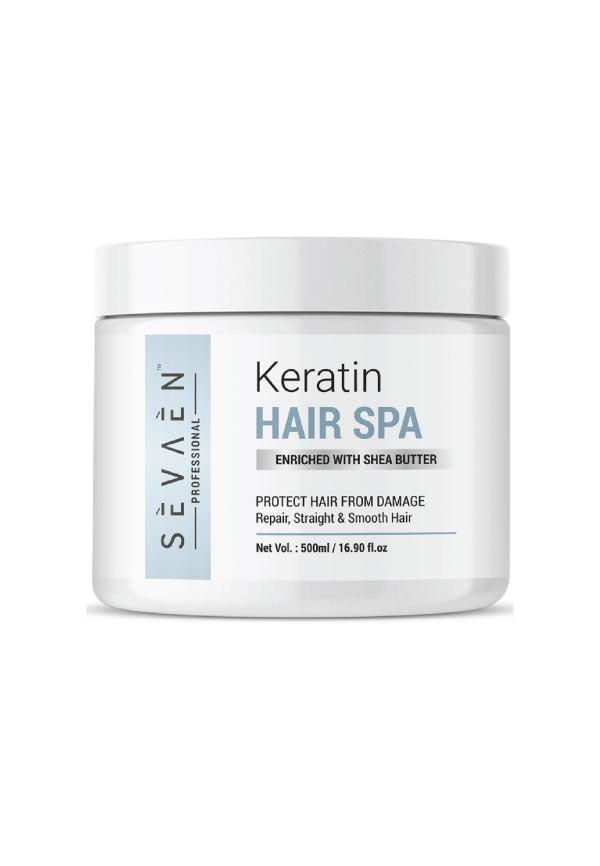
Keratin Hair Spa Cream For Hair Dry&Damage repair And strengthening&Smoothing Hair With Deep Conditioning Treatment
Superb for Hair
5“Superb soo good cant explain mu hair feels soo good now ”
Superb for Hair
5“Superb soo good cant explain mu hair feels soo good now ”
Superb for Hair
5“Superb soo good cant explain mu hair feels soo good now ”
Avocado and coconut oil mask - Mash 1 avocado with 2 tablespoons coconut oil
Aloe vera and essential oils - Mix aloe gel with a few drops of argan oil
Banana and olive oil treatment - Blend 1 banana with 1 tablespoon olive oil
When shopping for products to moisturize colored hair and repair damage, ingredient lists matter more than fancy packaging. Look for formulas specifically designed for colour-treated hair that won't strip your expensive dye job while providing the repair your hair needs.
The most effective ingredients for damaged colour-treated hair include proteins like keratin and amino acids, which help rebuild hair structure, and moisturising agents like ceramides and natural oils that restore hydration and flexibility.
Keratin and amino acids - Rebuild damaged protein structures
Ceramides and lipids - Restore the hair's protective barrier
Hydrolyzed proteins - Small enough to penetrate the hair shaft
Panthenol (Pro-Vitamin B5) - Adds moisture and improves elasticity
Argan oil - Provides deep nourishment without weighing hair down
Sulfate-free shampoos are gentler on colour-treated hair and help prevent color fade damage. They clean without stripping natural oils or colour molecules, making them essential for maintaining both hair health and colour vibrancy.
Prevention is always better than cure, and this couldn't be more true for coloured hair. A proper daily routine can significantly extend your colour's life while keeping your hair healthy and strong. The goal is to minimise further damage while allowing your hair to recover from the initial chemical processing.
Your daily routine should focus on gentle cleansing, adequate moisture, and protection from environmental stressors. This approach helps rejuvenate dyed hair and maintains the vibrancy you worked so hard to achieve.
Less is definitely more when it comes to washing coloured hair:
Wash 2-3 times per week maximum - Over-washing strips colour and natural oils
Use lukewarm water - Hot water opens the cuticle and causes colour to fade
Focus shampoo on roots only - Let it rinse through the lengths naturally
Always follow with conditioner - Apply from mid-length to ends
Heat styling can be particularly damaging to already-compromised coloured hair:
Always use heat protectant - Apply before any heat styling
Keep temperatures below 180°C - Higher temps can cause severe damage
Air dry when possible - Give your hair regular breaks from heat
Use ionic or ceramic tools - These distribute heat more evenly
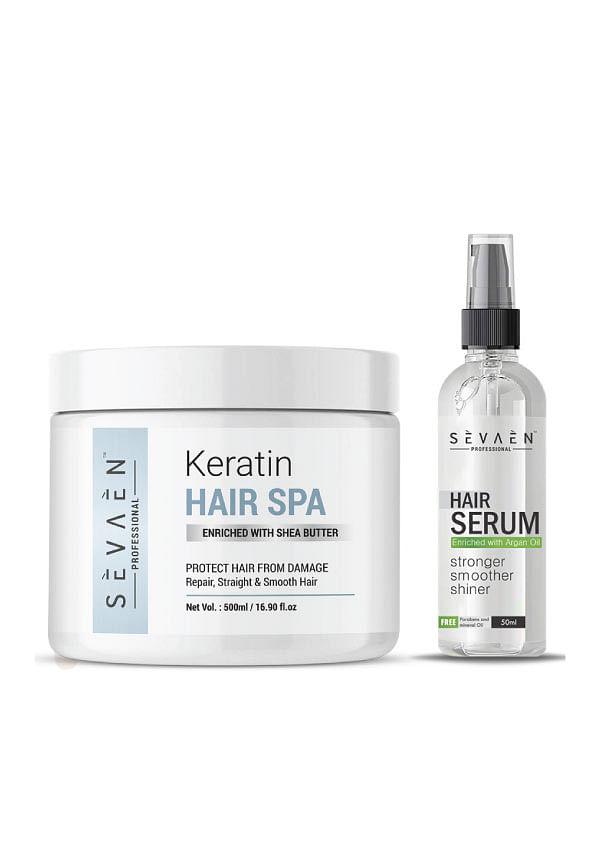
Keratin Hair Spa Cream And Hair Serum For Hair Dry&Damage repair And strengthening&Smoothing Hair With Deep Conditioning Treatment
Best Product Ever
5“best product ever loved it !!!!!”
Unexpectedly good, very moisturizing
5“I didn’t expect it to turn out so good. The mask is sooo mosturizing, that I am going to buy this again and again. ”
Effective Hair Combo
4“Nice combo for hair and also effictive”
Absolutely! In fact, damage repair shampoos are often specifically formulated for colour-treated hair. Look for sulfate-free formulas that contain proteins and moisturising ingredients. These shampoos can actually help extend your colour's life by maintaining hair health and preventing breakage that can make colour look patchy. Just make sure the formula is labelled as colour-safe to avoid any unwanted fading.
The timeline for repairing damaged colour-treated hair varies depending on the severity of damage and your hair's natural condition. For mild damage, you might notice improvements in texture and manageability within 2-3 weeks of consistent treatment. More significant repair typically takes 6-12 weeks of dedicated care. Severely damaged hair may require 3-6 months, and in some cases, cutting off the most damaged portions is necessary for healthy regrowth.
Avoid sulfates, which can strip colour and further dry out damaged hair. Stay away from alcohol-based products, excessive heat styling, and over-processing with additional chemical treatments. Don't brush wet hair aggressively, and avoid tight hairstyles that can cause breakage. Also, resist the urge to over-treat your hair—too much protein can make hair brittle, while too much moisture can make it mushy.
See a professional if your hair breaks off easily, feels gummy or elastic when wet, or if you're experiencing significant hair loss. If your hair won't hold moisture no matter what you try, or if it's so damaged that it tangles immediately after brushing, professional intervention is needed. A good stylist can assess whether your hair can be saved with treatments or if a significant cut is necessary.
Natural remedies can be quite effective for mild to moderate damage, especially when used consistently. Ingredients like eggs, honey, avocado, and coconut oil provide proteins and moisture that damaged hair needs. However, for severe damage, you'll likely need professional treatments or commercial products with more concentrated active ingredients. Natural remedies work best as part of a comprehensive repair routine rather than standalone solutions.
It's generally not recommended to colour severely damaged hair, as this can cause further breakage and damage. If your hair is only mildly damaged, you might be able to do gentle colour touch-ups, but avoid bleaching or dramatic colour changes. Always do a strand test first, and consider waiting until your hair is healthier before making major colour changes. When in doubt, consult with a professional colourist who can assess your hair's condition.
Repairing damaged colour-treated hair is definitely possible with the right approach and realistic expectations. Focus on protein treatments to rebuild structure and moisture treatments to restore flexibility and shine. Consistency is key—regular treatments and a gentle daily routine will yield the best results over time.
Remember that prevention is just as important as treatment. Use colour-safe products, minimise heat styling, protect your hair from UV damage, and avoid over-processing. With patience and the right care routine, you can restore your coloured hair to healthy, vibrant condition.
Finding the right products for your damaged colour-treated hair doesn't have to be a guessing game. Smytten is India's largest product discovery and trial platform, connecting you with top haircare brands that specialise in colour-safe repair treatments. With curated trial packs from over 2,400 trusted brands, you can try before you buy and discover which products work best for your specific hair needs. Get up to 10 Trial Points for just ₹279, plus enjoy 100% cashback on your trial purchases, making it affordable to experiment with different repair treatments until you find your perfect match. After all, why settle for damaged hair when you can #TryItAll and find the products that will restore your coloured locks to their former glory?
