Hair Coloring Tips for Women: Your FAQ Guide
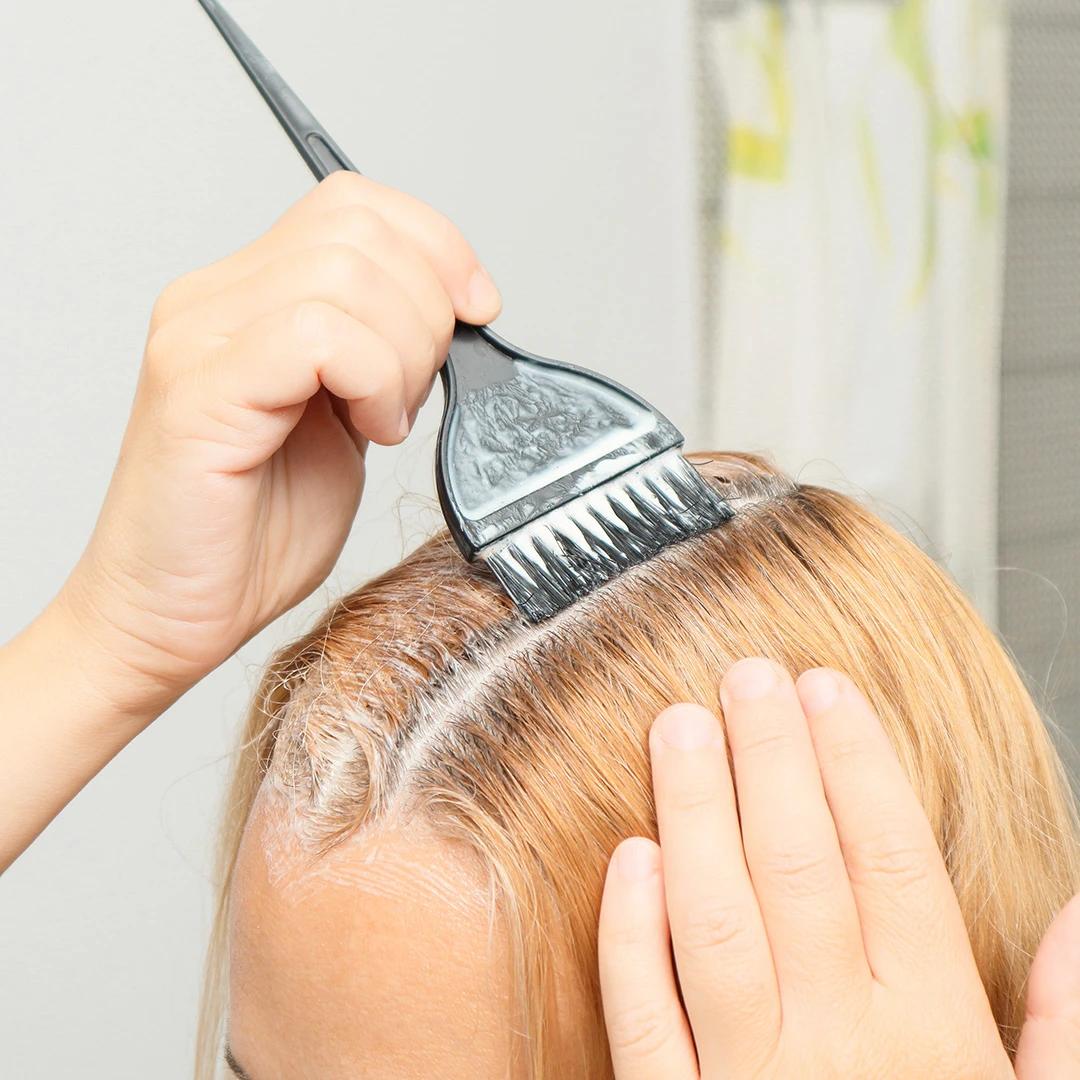


Salon Secret High Shine Conditioning Hair Colour
Picture this: you're scrolling through Instagram, seeing all those gorgeous hair transformations, and suddenly you're convinced that a dramatic colour change is exactly what your life needs. But then reality hits—what if it goes wrong? What if it damages your hair? What if you end up looking nothing like the inspiration photo? Let's be real, hair colouring can feel like a massive leap of faith. Whether you're thinking about dyeing hair at home for the first time or you're a seasoned colour enthusiast looking for fresh hair coloring tips women swear by, getting it right involves more than just picking a pretty shade and hoping for the best.
Before you even think about opening that box of dye, there's some groundwork to cover. Think of this as your pre-colour homework—boring maybe, but absolutely worth it when you're loving your results weeks later instead of frantically googling "how to fix hair colour disasters."
Your hair's current state is basically the foundation everything else builds on. If your hair is already damaged from heat styling, previous chemical treatments, or just general life, it's going to behave differently than healthy, virgin hair. Damaged hair tends to be more porous, which means it'll grab onto colour faster and potentially darker than you expect. On the flip side, if your hair has been chemically straightened or relaxed recently, it might resist colour altogether.
Here's a quick porosity test: take a clean strand of hair and drop it in a glass of water. If it sinks quickly, your hair is highly porous. If it floats for a while before sinking, you've got normal porosity. If it just sits on top, your hair has low porosity. This little test tells you how your hair will absorb colour and helps you adjust processing times accordingly.
This is where things get interesting. The best hair color for women isn't just about what's trending—it's about what makes your skin look amazing. Cool undertones (think pink, blue, or purple hints in your skin) generally look stunning with ashy browns, cool blondes, and jewel tones. Warm undertones (yellow, peach, or golden hints) come alive with golden browns, warm blondes, and rich coppers.
Not sure which camp you're in? Check your veins. If they look blue or purple, you're likely cool-toned. If they appear green, you're probably warm-toned. If you can't tell or see both, you might be neutral—lucky you, because most hair color ideas will work beautifully.
Real talk: strand tests might seem like an extra faff, but they're your insurance policy against hair disasters. Mix up a small amount of your chosen colour and apply it to a hidden section of hair—maybe behind your ear or underneath at the back. This tells you exactly how the colour will turn out on your specific hair, how long to leave it on, and whether you'll have any allergic reactions.
Process the test strand exactly as you plan to do your whole head, then wait 48 hours to see the final result and check for any skin reactions. It's a small time investment that could save you from weeks of hat-wearing.
Gone are the days when hair colouring meant one solid shade from root to tip. Today's hair coloring techniques offer so many ways to add dimension, depth, and personality to your look. Understanding these different approaches helps you communicate exactly what you want, whether you're heading to a salon or tackling it yourself.
Balayage is probably the technique you've seen everywhere—it's that natural-looking, sun-kissed effect where colour is hand-painted onto sections of hair. Unlike traditional highlights that use foils, balayage creates a more organic, graduated look. Ombré takes things further with a more dramatic transition from dark roots to light ends, while colour melting blends multiple tones seamlessly together.
Babylights are the subtle cousin of highlights—think tiny, delicate strands that mimic how a child's hair naturally lightens in the sun. These techniques typically require professional hair color expertise because they involve precise placement and multiple processing steps.
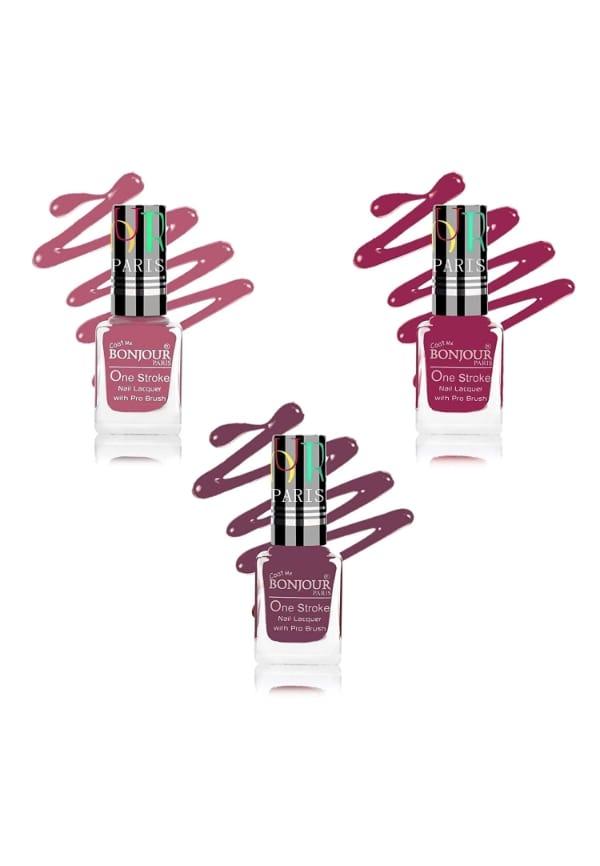
True Color Nail Polish
Feeling adventurous? Dip-dye gives you that pop of colour just on the ends—perfect for testing out bright shades without committing your entire head. Chunky highlights are making a comeback too, offering that early 2000s vibe but with modern execution. Color blocking involves sectioning off specific areas for contrasting colours, creating an almost graphic effect.
For those who want to experiment without long-term commitment, temporary and semi-permanent options let you play with wild hair color trends without the permanence. These fade gradually over several washes, giving you room to try different looks.
So you've decided to take the plunge and colour your hair at home. Smart choice—it's cost-effective, convenient, and gives you complete control over the process. But success lies in the preparation and technique, not just the product you choose.
First things first: gather everything you need before you start mixing. You'll want gloves (use the ones in the box plus extras), an old towel, petroleum jelly or barrier cream for your hairline, a wide-tooth comb, sectioning clips, and a timer. Don't forget an old shirt you don't mind staining—hair dye has a way of getting everywhere despite your best efforts.
Prep your space too. Lay down newspaper or old towels, ensure good lighting, and have everything within arm's reach. Once you start the colouring process, you won't want to be hunting around for supplies with dye-covered hands.
Short hair is actually easier to colour evenly because you can see everything you're doing. Start at the back and work your way forward, using your fingers or a brush to ensure every strand is covered. For longer hair, section it into quarters—two at the front, two at the back—and work through each section systematically.
When doing root touch-ups, apply colour only to the new growth, not the previously coloured hair. This prevents over-processing and colour buildup that can make your hair look flat or damaged.
The biggest mistake? Overlapping colour onto previously dyed hair every single time you colour. This leads to darker, more damaged ends and uneven colour distribution. Another common error is not following timing instructions—leaving colour on too long doesn't make it "more permanent," it just damages your hair.
Also, resist the urge to shampoo immediately after colouring. Your hair cuticles need time to close and lock in the colour. Wait at least 48 hours before your first wash, and use cool water when you do.
Hair color trends evolve constantly, but 2026 is bringing some particularly exciting options. From subtle enhancements to bold statements, there's something for every personality and lifestyle.

Wireless Hair Styling Comb Magic
This year's hair color trends are all about personal expression and low maintenance. "Lived-in" colour continues to dominate—think natural-looking highlights and lowlights that grow out gracefully. Warm brunettes with caramel and honey tones are having a major moment, offering richness without the upkeep of blonde.
For those wanting something bolder, "money piece" highlights—face-framing sections in a contrasting shade—add instant glamour. Copper and auburn shades are also trending, especially for autumn and winter seasons.
Gray coverage doesn't have to mean boring, solid colour anymore. Modern techniques blend gray seamlessly with your natural or chosen shade, creating dimension rather than flat coverage. Lowlights can help break up solid colour while highlights can make gray strands look intentional and stylish.
For those just starting to see gray, root shadowing techniques can extend time between colour appointments while maintaining a natural look. The key is working with your gray rather than fighting against it.
Not everyone wants or can use traditional chemical hair dyes. Whether you're dealing with sensitive skin, prefer natural ingredients, or just want gentler options, there are alternatives that can give you beautiful colour results.
Henna is probably the most well-known natural hair dye, offering rich reds and browns that can last for months. Pure henna is conditioning and strengthening, though it can be unpredictable on previously chemically treated hair. Indigo can be layered over henna for darker browns and blacks, while other plant dyes like cassia provide golden tones.
The trade-off with natural hair dyes is predictability and colour range. They work best on lighter hair and can't lighten your natural colour—only add to it. Processing times are also much longer, sometimes requiring several hours for full colour development.
Semi-permanent colours deposit colour without lifting your natural pigment, making them gentler on your hair. They typically last 4-6 weeks and fade gradually. These are perfect for experimenting with new shades or adding richness to your natural colour.
Temporary options like colour-depositing shampoos, sprays, and chalks let you play with colour for special occasions or just for fun. They wash out completely, making them ideal for testing how you feel about a dramatic change before committing.
Getting the perfect colour is only half the battle—keeping it looking fresh and vibrant requires the right maintenance routine. The good news is that with proper care, you can extend the life of your colour significantly and keep it looking salon-fresh between appointments.
Those first 48 hours after colouring are crucial. Your hair cuticles are still settling, and the colour molecules are finding their permanent home in your hair shaft. Avoid washing, swimming, or excessive sweating during this time. When you do wash, use cool water and colour-safe products specifically formulated to be gentle on processed hair.
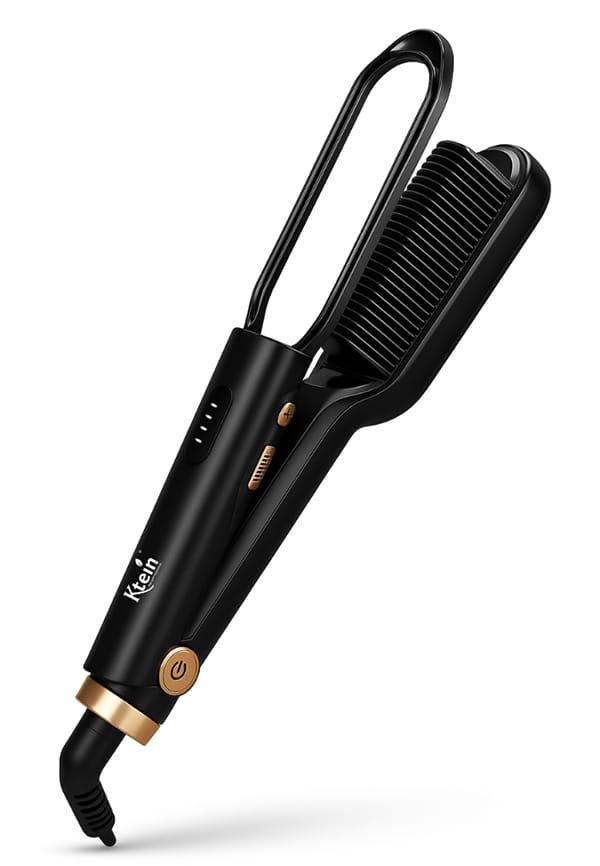
Professional Hair Straightener Comb Brush for Women
Invest in a good colour-protecting shampoo and conditioner. These products have lower pH levels and gentler cleansing agents that won't strip your colour. Deep conditioning treatments once a week will keep your hair healthy and help maintain colour vibrancy.
How often you wash your hair makes a huge difference in colour longevity. If you can stretch washes to every other day or even every third day, your colour will last much longer. Dry shampoo becomes your best friend here, absorbing oil and refreshing your style between washes.
UV protection is just as important for your hair as it is for your skin. Look for leave-in treatments with SPF, or wear hats when you're spending extended time in the sun. Chlorine is another colour killer, so always wet your hair with fresh water and apply a protective treatment before swimming.
If you're using minoxidil for hair loss treatment, timing your hair colouring requires some planning. Most dermatologists recommend waiting at least 24 hours after applying minoxidil before colouring your hair, and avoiding minoxidil application for 24 hours after colouring. The chemicals in hair dye can potentially interfere with minoxidil absorption, and the combination might cause scalp irritation. Always consult with your healthcare provider or dermatologist before combining any hair treatments with medications.
Having lupus doesn't automatically rule out hair colouring, but it does require extra caution. Autoimmune conditions can make your skin more sensitive to chemicals, and some lupus medications can affect how your hair responds to dye. Always do a patch test 48 hours before colouring, even if you've used the same product before. Consider gentler alternatives like semi-permanent dyes or natural options, and discuss your plans with your rheumatologist, especially if you're on immunosuppressive medications.
If you have rosacea, certain hair colours can actually help minimise the appearance of facial redness. Cool-toned shades like ash blonde, cool brown, or even soft black can provide a beautiful contrast that makes redness less noticeable. Avoid warm reds, oranges, or golden tones that might emphasise the pink in your skin. Professional colour consultation can be particularly valuable here, as a skilled colourist can recommend shades that complement your specific skin tone while working with your rosacea rather than against it.
Success with at-home colouring comes down to preparation and realistic expectations. Always do a strand test first, follow timing instructions exactly, and don't try to go more than two shades lighter than your natural colour without professional help. Section your hair properly, apply colour evenly from roots to ends, and have someone help you with the back sections if possible. Keep your expectations realistic—dramatic changes usually require multiple sessions or professional expertise.
Generally, you should wait at least 4-6 weeks between full colour applications to give your hair time to recover. Root touch-ups can be done more frequently, typically every 3-4 weeks. If you're lightening your hair significantly, you might need to space sessions even further apart to prevent damage. Listen to your hair—if it feels dry, brittle, or looks dull, give it more time and focus on conditioning treatments before your next colour session.
While there's no definitive evidence that hair colouring during pregnancy is harmful, many women choose to err on the side of caution, especially during the first trimester. If you do decide to colour your hair while pregnant, consider semi-permanent options, ensure good ventilation, and avoid getting dye on your scalp. Many women opt for highlighting techniques that don't involve direct scalp contact. Always discuss your plans with your healthcare provider first.
Hair colouring is both an art and a science, but with the right knowledge and preparation, you can achieve beautiful results whether you're going the DIY route or working with a professional. Remember that the best hair color for women isn't just about following trends—it's about finding shades that make you feel confident and work with your lifestyle. Take time to understand your hair's needs, choose techniques that suit your skill level, and never skip the maintenance routine that keeps your colour looking fresh.
Whether you're covering gray, trying a bold new look, or just refreshing your natural colour, these hair coloring tips women rely on will help you navigate the process with confidence. And remember, hair grows and colour fades—so don't be afraid to experiment and find what works for you. Not sure which hair colour products might work best for your specific needs? Smytten also offers trial-size versions of many hair colouring and care products—a good way to test different brands and formulations before committing to full-size purchases.
