Hair Care Rainy Season FAQ: Your Questions Answered
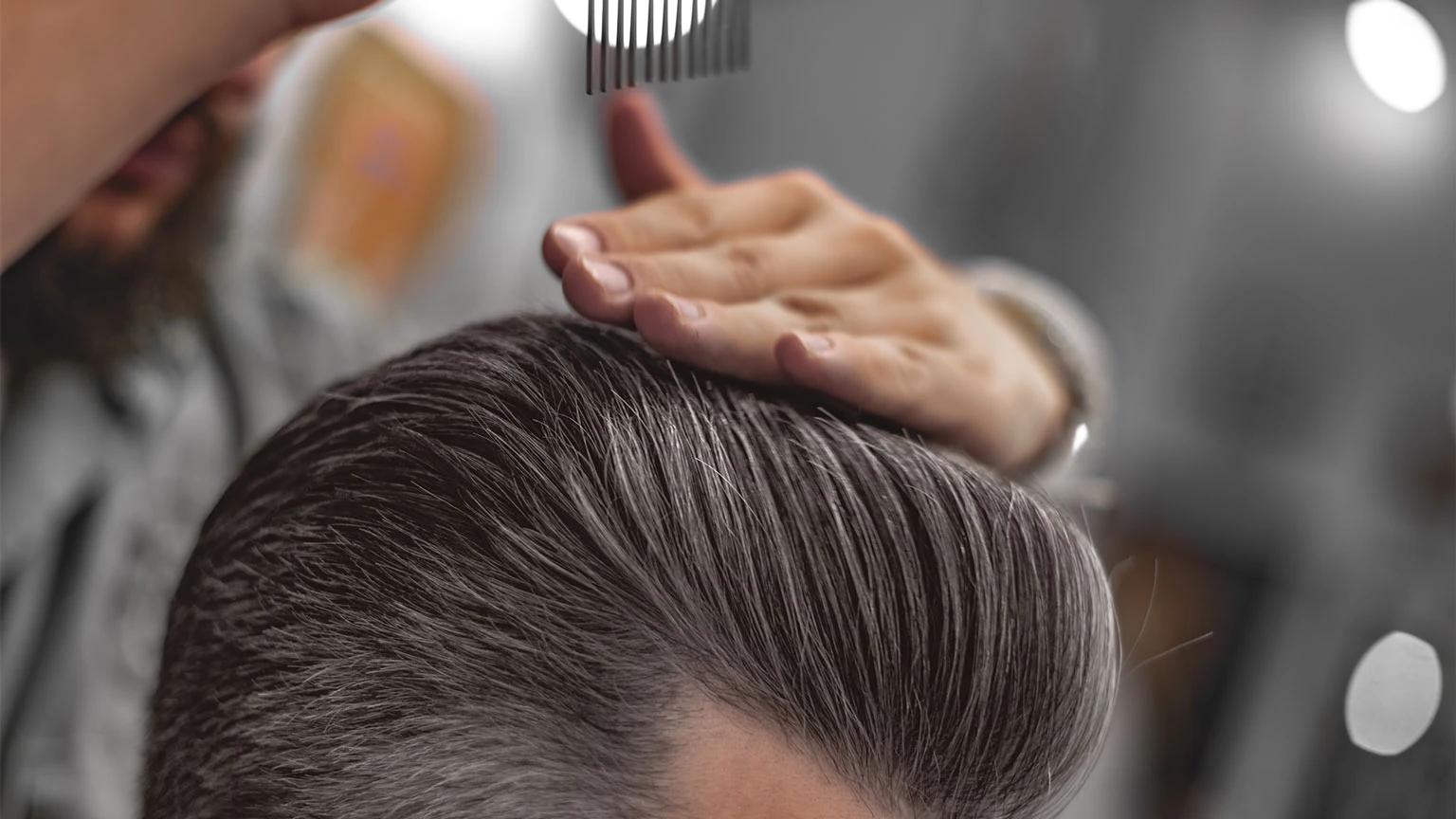

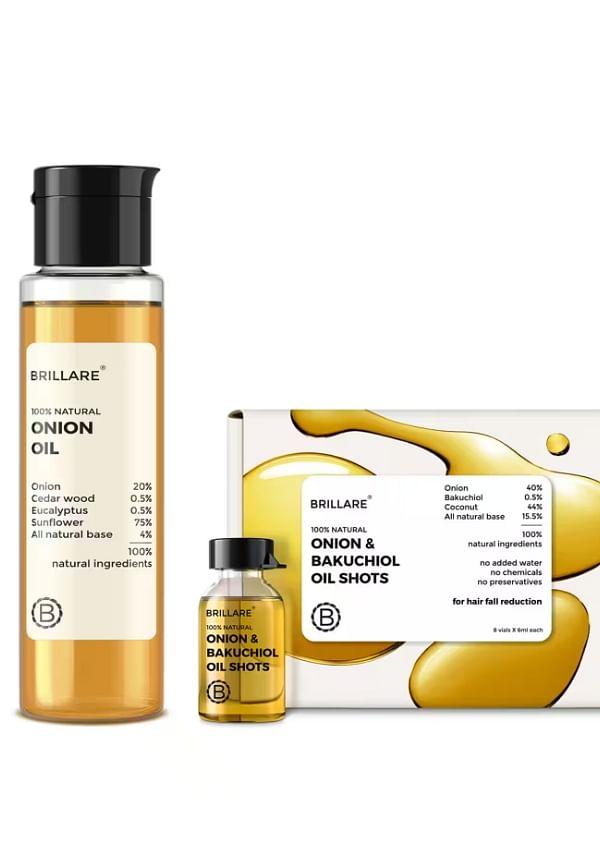
Hair & Scalp Treatment Duo for Dry, Frizzy & Hair Fall-Prone Hair
Picture this: you wake up to the sound of rain, and your first thought isn't about the lovely weather—it's about what your hair's going to look like by lunchtime. If you've ever stepped out with perfectly styled hair only to arrive somewhere looking like you've been through a wind tunnel, you're not alone. The rainy season brings its own set of hair challenges, from unexpected frizz to that persistent dampness that just won't quit. But here's the thing—with the right know-how, you can actually have your best hair days during the monsoons.
Let's get real about what's actually happening to your hair when the humidity hits. During the rainy season, the moisture in the air can reach up to 90%, and your hair responds by absorbing that extra moisture through its cuticles. Think of your hair cuticles like tiny scales—when they're smooth and closed, your hair looks sleek. But humidity causes them to lift and open, letting moisture in and creating that dreaded frizz.
The science behind monsoon hair care gets even more interesting when you consider that rainwater isn't as pure as you might think. It often contains pollutants and has a different pH level than your hair's natural acidity. This can disrupt your hair's protective barrier, leading to dryness, breakage, and even colour fading if you've recently dyed your hair.
Hair fall during the rainy season is also incredibly common, and it's not just in your head. The combination of increased humidity, sudden temperature changes, and the stress of constantly dealing with damp hair can push more follicles into their shedding phase. Plus, if you're someone who tends to tie their hair up more often during monsoons to avoid the frizz, that constant tension can contribute to breakage too.
The key to winning the humidity battle is creating a game plan before you even step outside. Start with damp hair styling techniques that work with the weather, not against it. When your hair is slightly damp, apply a leave-in conditioner or anti-frizz serum from mid-length to ends. This creates a protective barrier that helps seal the cuticles and prevents excess moisture from getting in.
One of the smartest moves for hair care humidity protection is switching up your styling routine entirely. Instead of fighting for pin-straight hair that'll puff up the moment you step outside, embrace styles that look intentionally textured. Braids, low buns, and slicked-back ponytails aren't just practical—they can look incredibly chic and polished even when the weather isn't cooperating.
Here's a pro tip that might change your monsoon game: apply your styling products to slightly damp hair, then let it air dry about 80% before stepping out. This gives your hair time to set in its natural texture while still having enough moisture to prevent it from absorbing humidity from the air. It's like giving your hair a head start against the elements.
Hair fall control during the rainy season starts with understanding that some shedding is completely normal—we naturally lose 50-100 strands daily. But if you're noticing clumps in your brush or significantly more hair in the shower drain, it's time to take action. The good news is that monsoon-related hair fall is usually temporary and responds well to the right care.
Scalp massage becomes your best friend during this season. Spend five minutes before washing your hair gently massaging your scalp with your fingertips. This improves blood circulation to the follicles and helps distribute your scalp's natural oils. You can do this with a few drops of coconut or jojoba oil for extra nourishment, but even a dry massage works wonders.
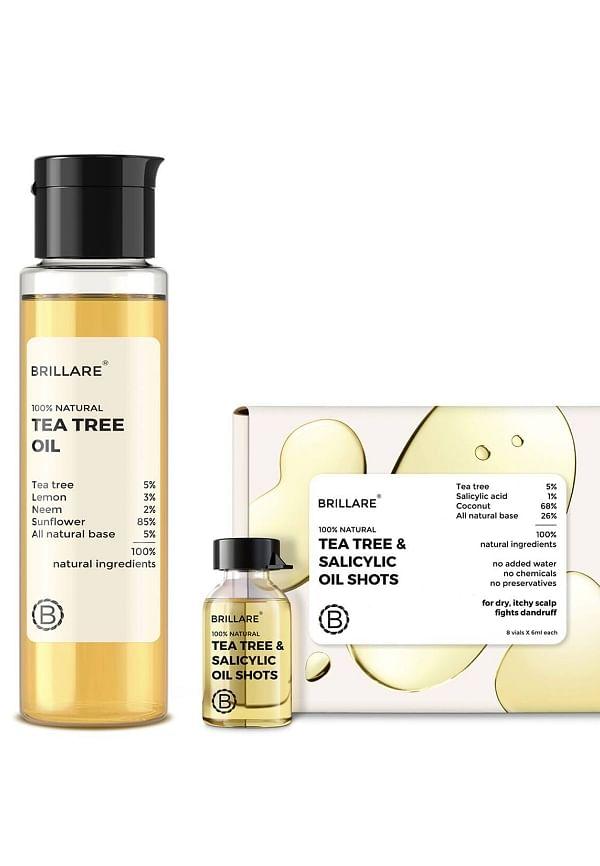
Hair & Scalp Treatment Duo for Dry, Frizzy & Dandruff-Prone Hair
Your diet plays a huge role in hair fall control too. Monsoon season often means we're reaching for more comfort foods and maybe not getting as many fresh fruits and vegetables. But your hair needs protein, iron, and vitamins to stay strong. Try to include eggs, leafy greens, nuts, and fish in your meals. Even something as simple as adding a handful of almonds to your daily routine can make a difference over time.
Scalp infections become more common during monsoons because the warm, humid environment is perfect for bacteria and fungi to thrive. The key is keeping your scalp clean without over-washing, which can strip away protective oils and actually make problems worse. If you have an oily scalp, you might need to wash every other day during peak humidity, but those with dry scalp should stick to 2-3 times per week.
Watch out for signs like persistent itching, flaking that's different from your usual dandruff, or any red, irritated patches. These could indicate a fungal infection that needs proper treatment. Tea tree oil can be incredibly helpful for preventing scalp infections—just add a few drops to your regular shampoo, but always do a patch test first since it can be quite potent.
For oily scalp remedies that actually work, try rinsing with diluted apple cider vinegar once a week. Mix one part vinegar with three parts water and use it as a final rinse after shampooing. It helps balance your scalp's pH and can reduce excess oil production over time. Just make sure to rinse thoroughly afterwards—you don't want to smell like salad dressing.
When you're dealing with damp hair styling on a rainy day, the trick is working with your hair's natural texture rather than against it. If you have naturally wavy hair, enhance those waves with a curl-defining cream applied to damp hair. For straight hair, try the slicked-back look with a strong-hold gel—it's modern, sophisticated, and completely weather-proof.
Anti-frizz serum becomes non-negotiable during monsoon season, but the key is using the right amount. Start with just a few drops—seriously, less is more here. Warm it between your palms and apply it to the mid-lengths and ends of damp hair. Avoid the roots unless you want to look like you haven't washed your hair in days.
Emergency frizz control for those unexpected downpours? Keep a small bottle of diluted leave-in conditioner in your bag. Mix equal parts leave-in conditioner and water in a spray bottle, and give your hair a light mist when frizz strikes. Scrunch gently with your hands, and you'll tame the worst of it without having to start over completely.
Here's something that might surprise you—even though there's moisture everywhere during monsoons, your hair can still be dehydrated. The humidity can actually draw moisture out of your hair strands, leaving them dry and brittle. That's why hair hydration tips become crucial during this season.
Deep conditioning treatments should become a weekly ritual, not an occasional treat. Look for masks that contain ingredients like hyaluronic acid, glycerin, or natural oils. Apply from mid-length to ends on clean, damp hair, leave for 10-15 minutes, then rinse thoroughly. Your hair will thank you with improved elasticity and shine.
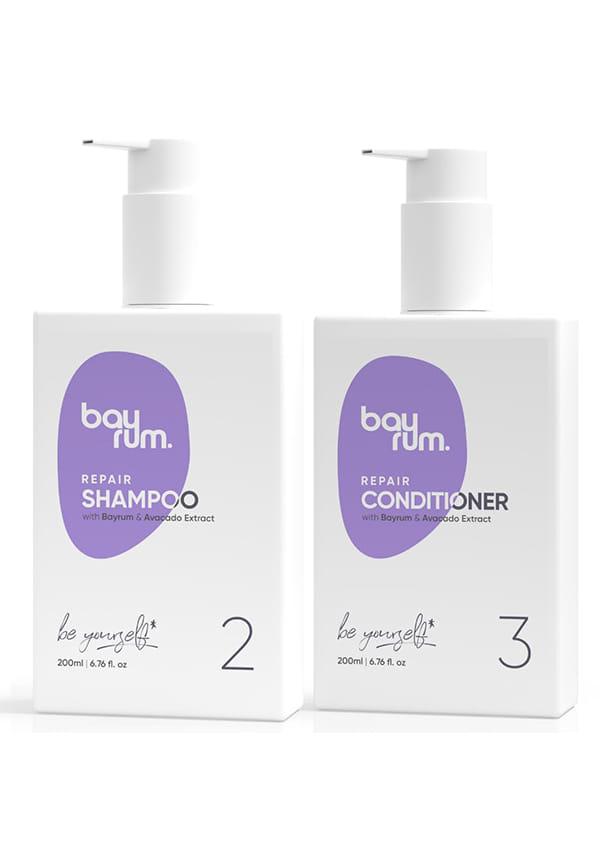
Hair Repair Shampoo & Conditioner Combo For Dry, Frizzy And Curly Hair
When choosing hair products rainy season specifically, avoid anything with alcohol high up in the ingredients list—it'll dry out your hair even more. Instead, look for products with humectants like glycerin, which help your hair maintain the right moisture balance. Cream-based leave-in conditioners work better than lightweight sprays during humid weather because they provide more substantial protection.
Start with a solid routine that includes gentle cleansing 2-3 times per week, weekly deep conditioning, and daily protection with leave-in products. Keep your hair loosely tied when possible to prevent breakage, and always sleep on a silk or satin pillowcase to reduce friction. Most importantly, be patient with your hair—it's adapting to the weather just like you are.
Prevention is your best friend here. Apply a protective serum before heading out, and consider carrying a silk scarf to cover your hair if you get caught in unexpected rain. If your hair does get wet, gently squeeze out excess water with a microfibre towel—never rub or twist it. Let it air dry as much as possible before using any heat tools.
Embrace low-maintenance styles that look intentionally effortless. Try a low bun secured with bobby pins, a side braid that starts behind one ear, or the classic slicked-back ponytail. These styles work with humidity rather than fighting it, and they can look polished even when the weather isn't cooperating.
Hair fall typically peaks during the transition months—late monsoon season (August-September) and early winter (October-November). This is when your hair is adjusting to changing humidity levels and temperature. The good news is that this seasonal shedding usually resolves itself as your hair adapts to the new conditions.
Try an onion juice treatment once a week—blend one onion, strain the juice, and apply it to your scalp for 30 minutes before washing. It might smell strong, but the sulfur compounds can help strengthen hair follicles. Alternatively, mix equal parts coconut oil and castor oil for a nourishing scalp massage that promotes circulation and reduces breakage.
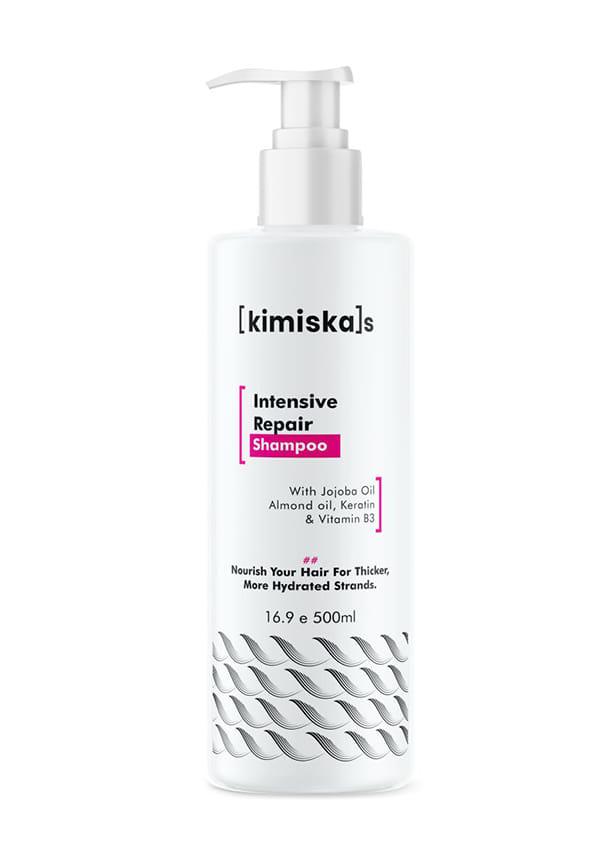
Intensive Hair Repair Shampoo for Dry and Frizzy Hair
Look for sulfate-free shampoos with ingredients like biotin, keratin, or saw palmetto. These are gentler on your hair while still providing effective cleansing. Avoid clarifying shampoos during monsoons unless you have significant product buildup—they can be too harsh when your hair is already stressed from humidity.
This depends on your hair type and scalp condition. Oily scalps might need washing every other day, while dry or chemically treated hair should stick to 2-3 times per week. Pay attention to how your scalp feels—if it's itchy or uncomfortable, you might need to wash more frequently to prevent scalp infections.
Absolutely, but choose lighter oils like argan or jojoba instead of heavy coconut oil. Apply a small amount to the ends of your hair for nourishment without weighing it down. Avoid applying oil to your scalp if you're prone to fungal infections during humid weather.
Stay away from products with high alcohol content, sulfates, and heavy silicones that can build up in humid weather. Also avoid glycerin-heavy products if you live in extremely humid areas—while glycerin is generally good for hair, too much can actually attract excess moisture from the air.
Try a flaxseed gel—boil flaxseeds in water until the mixture becomes gel-like, strain, and use as a natural styling product. Aloe vera gel mixed with a few drops of your favourite oil also works wonderfully as a natural anti-frizz treatment. Both options provide hold without the harsh chemicals found in commercial products.
Navigating hair care rainy season challenges doesn't have to feel like an uphill battle. The key is adjusting your routine to work with the weather, not against it. Remember that some frizz and texture changes are completely normal—embrace them as part of your hair's natural response to the environment.
Focus on keeping your hair healthy and hydrated, protect your scalp from infections, and don't be afraid to experiment with new styles that complement humid weather. Your hair might actually surprise you with how good it can look when you stop fighting its natural tendencies.
If you're looking to try new products without committing to full sizes, Smytten offers trial packs from trusted haircare brands that can help you find what works best for your monsoon routine. Sometimes the perfect anti-frizz serum or hydrating mask is just a trial away—and with their curated selection, you can experiment with different formulas until you find your holy grail products for rainy season hair care.
