Hair Care for Rain FAQ: Your Monsoon Hair Questions Answered


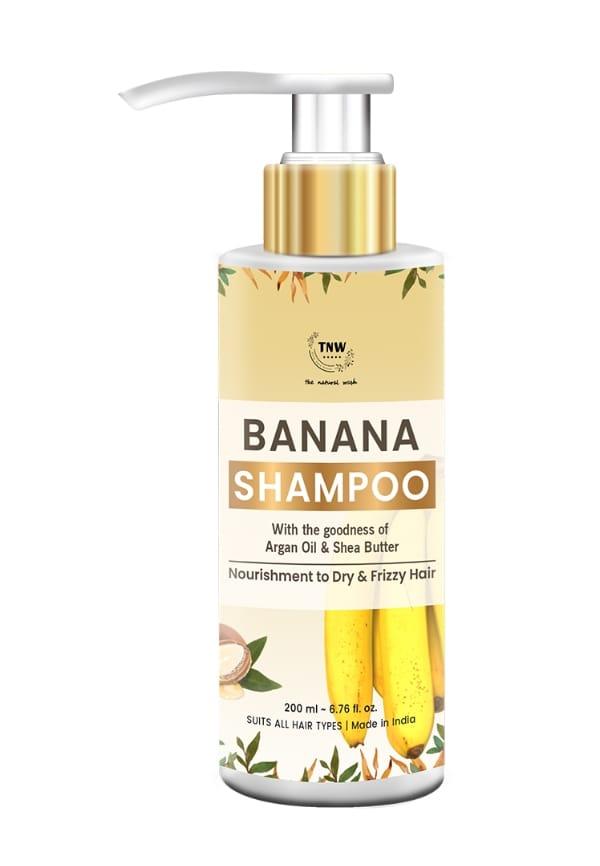
Banana Shampoo for Frizz | AntiFrizz Shampoo for All Hair Types | Banana Shampoo for Manageable Hair200ml
Excellent Product, Repurchased
 5
5“Bahut hi accha hai maine repurchrs kia”
Great Value
4“Nice product value for the money”
Great Hair Product
5“awesome product for hair and very good in quality”
Picture this: you step out looking absolutely gorgeous, hair perfectly styled, and then the first drops of monsoon rain hit. Within minutes, your sleek blowout transforms into a frizzy mess that would make a poodle jealous. Sound familiar? You're definitely not alone in this struggle. Rain and humidity can turn even the most well-behaved hair into an unruly disaster, leaving you wondering if there's any hope for your locks during monsoon season.
Let's get real about what's actually happening to your hair when humidity strikes. Your hair is basically a sponge made of protein, and when there's moisture in the air, it wants to absorb every bit of it. The outer layer of your hair, called the cuticle, has tiny scales that lift up when exposed to humidity, allowing moisture to penetrate the hair shaft.
Here's where it gets interesting: if your hair is already damaged from heat styling, chemical treatments, or environmental stress, those cuticles are already raised and rough. This makes your hair even more susceptible to absorbing moisture from the air, which causes the hair shaft to swell unevenly. The result? That dreaded frizz that seems impossible to tame.
Hair porosity plays a massive role in how your hair reacts to rain and humidity. High porosity hair (think bleached, chemically treated, or naturally coarse hair) absorbs moisture quickly but also loses it just as fast. Low porosity hair resists moisture initially but once it's wet, it takes forever to dry. Understanding your hair's porosity level is your first step towards effective hair care for rain.
The science doesn't stop there. When humidity levels rise above 70% (which is pretty much every day during monsoon), your hair tries to balance its moisture content with the environment. If your hair is dry, it'll grab moisture from the air. If it's already moisturised, the excess humidity can still cause swelling and frizz. It's like your hair is constantly trying to find its equilibrium, and unfortunately, that process isn't always pretty.
Smart hair care for rain starts way before the first monsoon clouds appear. Think of it as weatherproofing your hair – you wouldn't wait until a storm hits to fix your roof, right? The same logic applies to your hair protection strategy.
Start with a deep conditioning treatment about two weeks before monsoon season kicks in. Your hair needs to be properly hydrated from within so it won't desperately grab moisture from the humid air. Look for treatments with ingredients like keratin, argan oil, or shea butter that can penetrate the hair shaft and create a protective barrier.
Protein treatments are your secret weapon for strengthening hair structure before the humidity hits. If your hair feels mushy when wet or stretches excessively, it's crying out for protein. A good protein treatment can help fill in the gaps in damaged cuticles, making your hair less porous and more resistant to humidity-induced frizz.
Don't skip the trim – seriously. Split ends and damaged hair are like open doors for humidity to wreak havoc. Getting rid of those damaged ends before monsoon season means less surface area for moisture to penetrate and cause chaos. Even a small trim can make a huge difference in how your hair behaves during wet weather.
Your regular haircare routine needs a monsoon makeover, and it's all about working smarter, not harder. The key is creating a routine that protects your hair from humidity while keeping it healthy and manageable throughout the rainy season.
Morning prep is crucial for rainy day hair success. Start with damp (not soaking wet) hair and apply a leave-in conditioner from mid-length to ends. Follow up with a humidity-blocking serum or oil – just a few drops will do. The goal is to create a protective barrier that keeps external moisture out while locking your hair's natural moisture in.
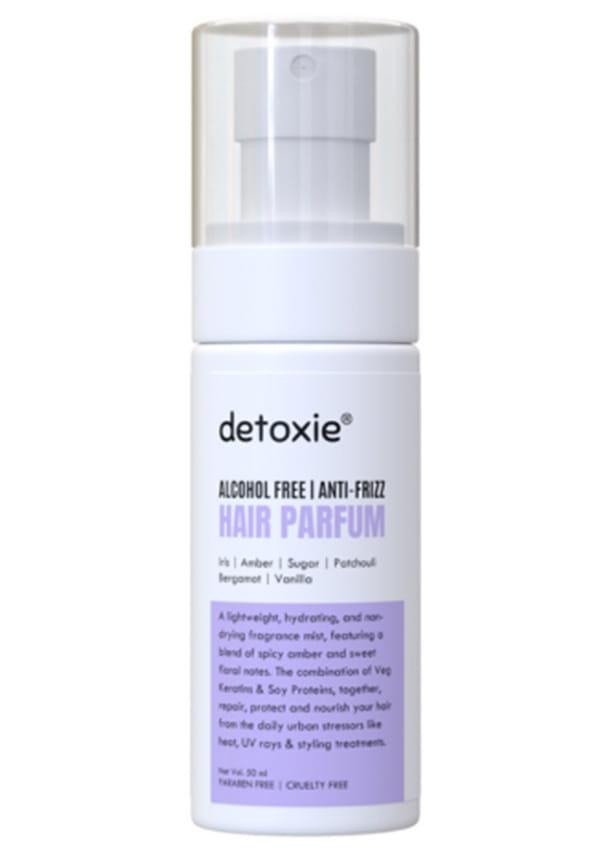
Alcohol Free Anti-Frizz Hair Parfum
Nice product with good fragrance
4“Its nice product with good fragrance”
Positive Product Review
5“good for use. smells nice. can order again.”
Here's something that might surprise you: washing your hair less frequently during monsoon can actually help with humidity control. Aim for 2-3 times per week max. Over-washing strips your hair of natural oils, making it more porous and prone to absorbing humidity. When you do wash, use lukewarm water and focus the shampoo on your scalp, not the lengths of your hair.
Drying technique matters more than you think. Skip the rough towel rubbing – that just creates more frizz. Instead, gently squeeze excess water with a microfibre towel or cotton t-shirt. If you must use heat, apply a heat protectant and use the lowest setting possible. Better yet, embrace air drying with some anti-frizz products worked through damp hair.
Evening care is where you can repair any humidity damage from the day. If your hair got caught in the rain, don't just leave it to air dry. Gently detangle with a wide-tooth comb, apply a leave-in treatment, and loosely braid it to prevent tangling while you sleep.
Let's talk about the real MVPs in your fight against frizzy hair – the products and techniques that actually deliver results when humidity levels are through the roof. The secret isn't using more products; it's using the right ones in the right way.
Hair serums for humidity are your best friend, but application technique is everything. Work a small amount through damp hair, focusing on the mid-lengths and ends where frizz tends to be worst. Avoid the roots unless you want that greasy, weighed-down look. Look for serums with silicones like dimethicone or cyclopentasiloxane – they create an invisible shield against moisture.
Leave-in conditioners are another game-changer for managing frizzy hair during monsoon. They provide ongoing moisture and protection throughout the day. The trick is finding one that's lightweight enough not to weigh your hair down but effective enough to keep frizz at bay. Cream formulas work best for thick, coarse hair, while spray versions are perfect for fine hair.
Don't sleep on natural oils for anti-frizz protection. Argan oil, coconut oil, and jojoba oil can all help seal the hair cuticle and prevent moisture from penetrating. The key is using just a tiny amount – we're talking 2-3 drops for shoulder-length hair. Warm it between your palms and smooth it over the surface of your hair, not into the roots.
Sometimes the best frizzy hair solutions are sitting right in your kitchen. A simple flaxseed gel can work wonders for defining curls and controlling frizz naturally. Boil flaxseeds in water until the mixture becomes gel-like, strain, and apply to damp hair. It's completely natural and won't weigh your hair down.
Building the right collection of hair products for humidity doesn't mean buying everything on the shelf. It's about choosing products that work together to create a comprehensive defence system against monsoon madness.
Sulfate-free shampoos are non-negotiable during humid weather. Sulfates strip your hair of natural oils, making it more porous and prone to frizz. Look for gentle cleansers with ingredients like coconut-derived surfactants or amino acids that clean without over-drying. Your hair will thank you for the extra moisture retention.
When it comes to conditioners, lightweight is the way to go during monsoon. Heavy, creamy conditioners can weigh your hair down and actually attract more humidity. Instead, opt for liquid or gel-based conditioners that provide moisture without the bulk. Focus application on the ends where your hair needs it most.
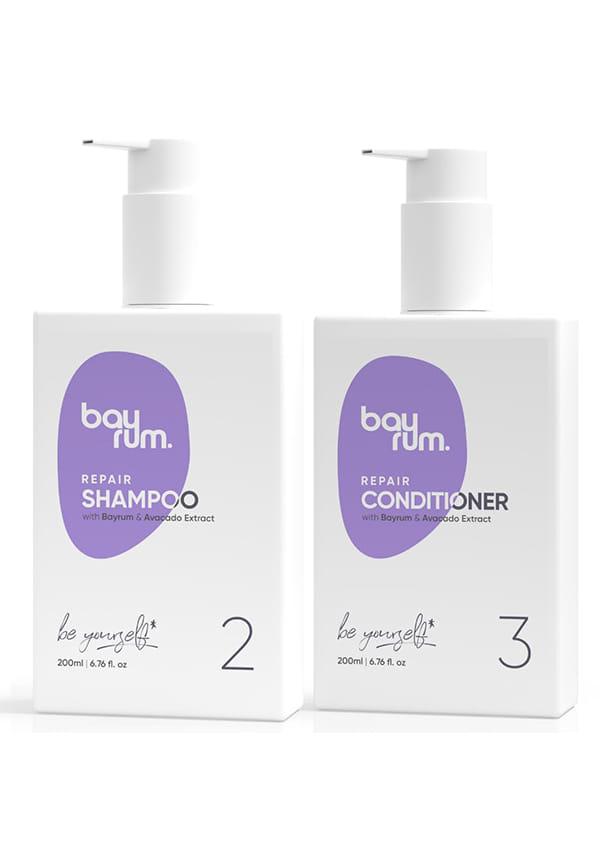
Hair Repair Shampoo & Conditioner Combo For Dry, Frizzy And Curly Hair
Heat protectants become even more crucial in humid climates because your hair is already stressed from moisture fluctuations. Even if you're air-drying most of the time, having a good heat protectant on hand for those emergency styling moments is essential. Look for products that offer both heat and humidity protection – they're like insurance for your hair.
You don't need to break the bank for effective humidity hair care. Many drugstore brands offer excellent anti-frizz products that work just as well as their expensive counterparts. The key is reading ingredients lists and understanding what your hair actually needs.
Stick to washing your hair 2-3 times per week during monsoon. Over-washing strips natural oils and makes your hair more susceptible to humidity damage. If your scalp gets oily between washes, use a dry shampoo to absorb excess oil without disrupting your hair's moisture balance.
First, gently squeeze out excess water with a microfibre towel – never rub or twist wet hair. Apply a leave-in conditioner or anti-frizz serum to damp hair, then either air dry or use a blow dryer on the lowest heat setting with a diffuser attachment. The goal is to dry your hair as gently as possible to minimise frizz.
Absolutely, but moderation is key. Light oils like argan or jojoba work best for sealing the hair cuticle without weighing hair down. Apply just a few drops to the ends of damp hair. Avoid heavy oils like castor or olive oil during monsoon as they can attract moisture and make your hair look greasy.
Humidity can weigh down fine hair and make it appear flat. This happens when your hair absorbs too much moisture from the air. Use volumising products at the roots, avoid heavy conditioners near your scalp, and try blow-drying with a round brush to add lift at the roots.
While it's best to minimise heat styling during humid weather, you don't have to avoid it completely. The key is using proper heat protection and working with your hair's natural texture rather than fighting it. Consider embracing air-dried styles or using heat tools on lower settings.
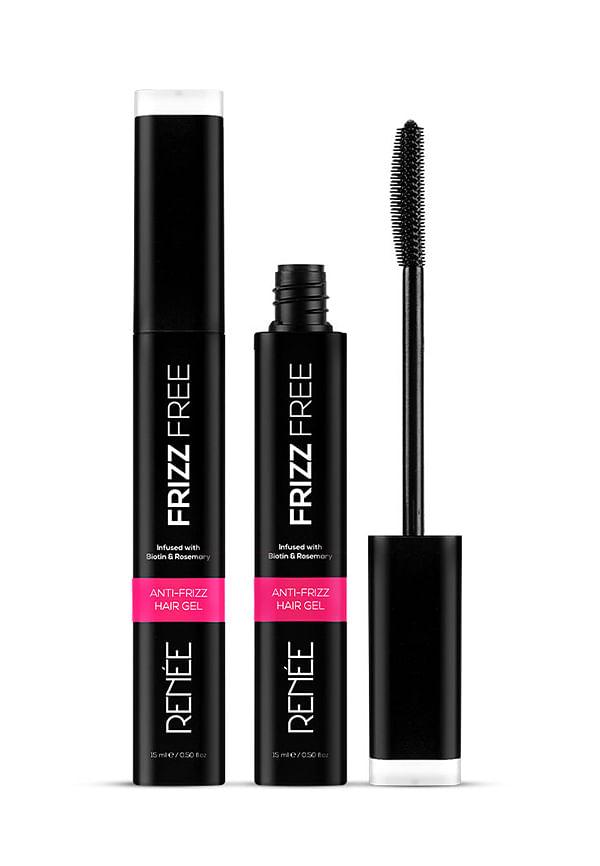
Frizz Free Anti Frizz Hair Gel
Helps set hair
4“thik hai balo ko set krne me madad kr raha hai”
Helps set hair
4“thik hai balo ko set krne me madad kr raha hai”
Good Quality and Service
5“Quality is very good sarvise is very good 👍 e”
Look for silicones like dimethicone or cyclomethicone for humidity protection, natural oils for moisture, and proteins like keratin for strengthening. Avoid products with high alcohol content as they can dry out your hair and make frizz worse.
Curly hair needs extra moisture during humid weather. Use the "plopping" method with a cotton t-shirt to dry curls gently, apply curl-defining creams to damp hair, and sleep with a silk pillowcase to reduce friction. Embrace your natural texture rather than fighting it.
Yes, it's completely normal for your hair's texture and behaviour to change during monsoon season. The increased humidity affects your hair's moisture levels, making it feel different than usual. Adjusting your routine to accommodate these changes is the best approach.
Even with the best intentions, it's easy to make mistakes that actually make humidity hair care harder than it needs to be. Let's talk about the most common slip-ups and how to avoid them.
Over-washing is probably the biggest mistake people make during monsoon season. When your hair feels heavy or looks greasy, the instinct is to wash it more frequently. But this actually strips your hair of protective oils, making it more porous and prone to absorbing humidity. Stick to your 2-3 times per week schedule and use dry shampoo between washes if needed.
Using heavy products that attract moisture is another common error. Those rich, creamy leave-in treatments that work great in winter can actually work against you during humid weather. They can weigh your hair down and create a magnet for environmental moisture. Switch to lighter formulations during monsoon season.
Sleeping with wet hair might seem harmless, but it's a recipe for disaster during humid weather. Wet hair is more fragile and prone to breakage, plus it creates the perfect environment for bacteria and fungus to grow on your scalp. Always make sure your hair is at least 80% dry before hitting the pillow.
Focusing only on the lengths of your hair while ignoring scalp care is a mistake that can lead to bigger problems. During monsoon, your scalp can become oily, itchy, or even develop fungal infections due to increased moisture and reduced air circulation. Include scalp-specific products in your routine and don't forget to massage your scalp gently while shampooing.
Managing hair care for rain doesn't have to be a constant battle against the elements. With the right preparation, products, and techniques, you can actually embrace monsoon season without sacrificing your hair goals. Remember, the key is working with your hair's natural tendencies rather than fighting them.
The most important takeaway? Consistency matters more than perfection. Your hair will have good days and challenging days during monsoon, and that's completely normal. Focus on maintaining healthy hair practices, protecting your strands from excessive moisture damage, and finding styles that work with the weather rather than against it.
Building an effective humidity hair care routine takes time and experimentation. What works for your friend might not work for you, and that's okay. Pay attention to how your hair responds to different products and techniques, and don't be afraid to adjust your routine as needed throughout the season.
If you're looking to experiment with new products for your monsoon hair care routine, Smytten offers trial-size versions of many anti-frizz and humidity-control products from trusted brands. It's a smart way to test what works for your hair type before investing in full-size bottles – especially helpful when you're trying to build the perfect rainy season arsenal.
