Hair Care for Monsoon Fall FAQ: Your Questions Answered


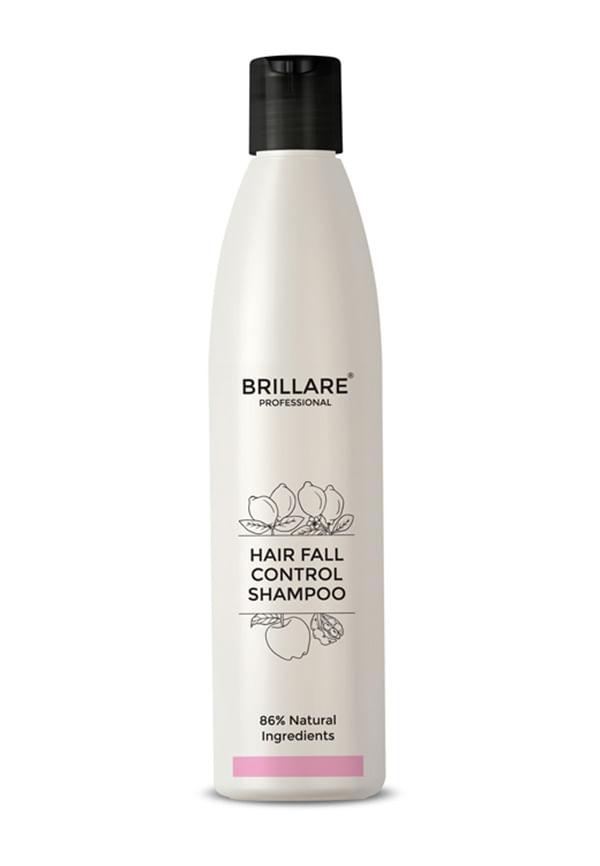
Shampoo To Reduce Seasonal Hair Fall
Picture this: you wake up to the sound of rain, and your first thought isn't about the weather—it's about your hair. That familiar dread creeps in as you imagine stepping out into the humidity, knowing your strands will be staging their own rebellion by evening. If you've been watching more hair in your brush than usual since the monsoon arrived, you're definitely not alone. The rainy season brings its own set of hair challenges, and suddenly everyone's asking the same questions about keeping their locks healthy when the weather won't cooperate.
Let's be real—monsoon and hair fall go together like humidity and frizz. There's actual science behind why your hair seems to have commitment issues during the rainy months. The high humidity levels mess with your hair's natural moisture balance, making strands weaker and more prone to breakage. When there's too much moisture in the air, your hair shaft swells, disrupting its structure and making it fragile.
But that's not all. Rainwater isn't as pure as it looks—it's often acidic due to pollution, and this can throw off your scalp's natural pH balance. Your scalp becomes a breeding ground for bacteria and fungi in these damp conditions, leading to infections that weaken hair follicles. Add to this the fact that we tend to tie our hair up more often to avoid the rain, creating tension and breakage, and you've got the perfect storm for hair fall.
The increased microbial activity on your scalp during monsoon can also clog hair follicles, preventing proper nutrient absorption. This weakens the hair from the root, making it more likely to fall out. Studies show that seasonal hair fall can increase by 20-30% during monsoon months, so if you're noticing more strands on your pillow, it's not just in your head.
Creating a solid hair care routine for monsoon fall doesn't have to be complicated, but it does need to be consistent. Think of it as your hair's survival guide for the rainy season. Your morning routine should focus on protection—start with a lightweight, humidity-resistant serum that creates a barrier without weighing your hair down.
When you get caught in the rain (because let's face it, umbrellas only do so much), resist the urge to rub your hair dry with a towel. Instead, gently squeeze out excess water and let it air dry when possible. If you must use heat, keep it on the lowest setting and always use a heat protectant. Your scalp needs extra attention during this time—a gentle massage with neem or tea tree oil twice a week can help keep fungal infections at bay.
Evening care is where the magic happens. This is when you should focus on nourishing treatments. A weekly deep conditioning mask becomes non-negotiable, and don't skip the scalp. Look for ingredients like biotin, keratin, and natural oils that strengthen hair from within. Your washing frequency might need adjusting too—oily scalps might need daily cleansing, while dry hair types should stick to every other day to avoid stripping natural oils.
Keep a small bottle of diluted apple cider vinegar handy for emergency rinses if you get soaked. The acidity helps restore your scalp's pH balance and removes any pollutants from rainwater. Always carry a silk or satin scrunchie to avoid breakage from elastic bands when you need to tie your hair up quickly.
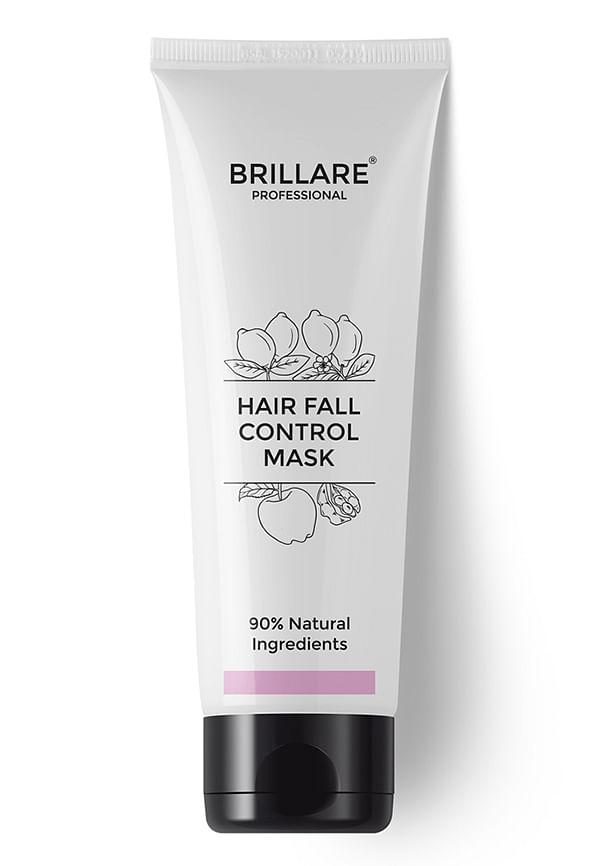
Conditioner To Reduce Seasonal Hair Fall
Sometimes the best hair fall solutions are sitting right in your kitchen. Coconut oil mixed with a few drops of tea tree oil makes an excellent pre-wash treatment that fights both dryness and fungal growth. Warm the oil slightly, massage it into your scalp, and leave it on for at least 30 minutes before washing. This combination is particularly effective because coconut oil penetrates the hair shaft while tea tree oil keeps your scalp healthy.
Fenugreek seeds soaked overnight and ground into a paste work wonders for hair strengthening tips that actually deliver results. Mix this paste with yoghurt for added protein, apply to your scalp and hair, and rinse after 45 minutes. The proteins in this mask help rebuild damaged hair structure, while the natural antifungal properties keep monsoon-related scalp issues at bay.
For those dealing with dandruff monsoon problems, a simple neem leaf paste can be a game-changer. Boil fresh neem leaves, let the water cool, and use it as a final rinse after shampooing. Neem's antibacterial properties help control the overgrowth of microorganisms that thrive in humid conditions. Green tea rinses work similarly—the antioxidants help soothe an irritated scalp while promoting healthy hair growth.
Blend one ripe banana with two tablespoons of honey and one tablespoon of olive oil. This protein-rich mask helps repair monsoon hair breakage while adding moisture without making hair greasy. Use it once a week for best results.
While home remedies are great, sometimes you need to bring in the big guns. Professional treatments can make a significant difference in managing hair fall control during monsoon. Protein treatments become especially important during this season because humidity constantly challenges your hair's structural integrity. Look for treatments containing hydrolysed proteins that can penetrate the hair shaft and rebuild damaged areas.
Keratin treatments aren't just for smoothing—they can actually help strengthen hair against monsoon damage. However, timing matters. Get these treatments done at least two weeks before monsoon season begins, as freshly treated hair needs time to settle before facing humidity challenges. If you're dealing with severe hair breakage monsoon issues, consider a consultation with a trichologist who can assess whether you need medical intervention.
Scalp detox treatments are worth considering if you've been experiencing persistent issues. These professional treatments remove buildup from pollution and product residue that can clog follicles during humid weather. Some salons offer ozone treatments that can help kill bacteria and fungi that contribute to monsoon hair problems. The key is finding treatments that address both immediate symptoms and underlying causes.
If you're losing more than 100 strands daily for over two weeks, or if you notice bald patches, it's time to consult a professional. Sometimes what seems like seasonal hair fall might indicate underlying health issues that need medical attention.
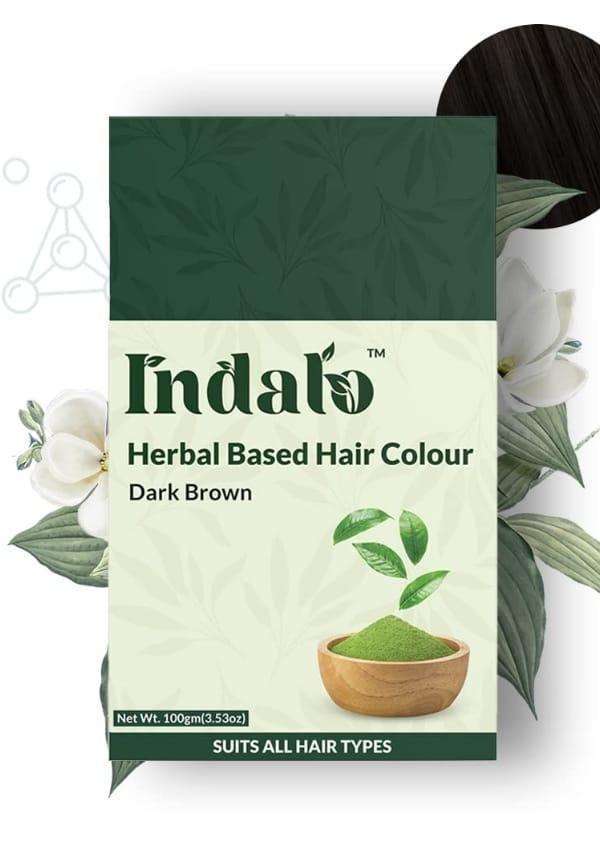
Herbal Based Hair Colour with Amla and Brahmi - Dark Brown
Dandruff monsoon season is real, and it's particularly frustrating because the humidity that should theoretically help dry scalps actually makes fungal overgrowth worse. The key is understanding that monsoon dandruff often isn't about dryness—it's about an overgrowth of Malassezia, a yeast that loves humid conditions. This means your usual moisturising dandruff shampoo might not cut it.
Look for shampoos containing zinc pyrithione, ketoconazole, or selenium sulfide during monsoon months. These antifungal ingredients specifically target the organisms causing your scalp issues. For oily scalp monsoon problems, the challenge is balancing oil control without over-stripping, which can actually trigger more oil production. Salicylic acid-based shampoos work well because they exfoliate the scalp while controlling oil.
Your washing frequency needs to match your scalp's monsoon behaviour. Oily scalps might need daily washing during peak humidity, while combination scalps might benefit from alternating between clarifying and moisturising shampoos. Pay attention to how your scalp feels rather than following a rigid schedule—some days you might need extra cleansing, others might require more moisture.
Tea tree oil, neem extract, and apple cider vinegar are your best friends for natural antifungal care. However, always dilute these ingredients properly—undiluted essential oils can irritate an already sensitive monsoon scalp.
The biggest monsoon hair care tips mistake? Thinking you need to wash your hair less because it's already getting wet from rain. Rainwater isn't clean water—it carries pollutants and has an acidic pH that can damage your hair and scalp. You actually need to be more diligent about cleansing during monsoon, not less.
Another common error is using heavy oils thinking they'll protect against humidity. While oils are beneficial, using too much or the wrong type can weigh your hair down and attract more dirt and pollution. Lightweight oils like argan or jojoba work better than thick coconut oil during humid weather. Heat styling becomes even more damaging during monsoon because your hair is already stressed from humidity changes.
Sleeping with wet hair might seem harmless, but it's a recipe for fungal infections and breakage. Damp hair is more fragile, and the friction against your pillow can cause significant damage. If you must sleep with slightly damp hair, use a silk pillowcase and loosely braid your hair to minimise friction. Tight hairstyles during monsoon are particularly problematic because they create tension on already weakened hair follicles.
Keep dry shampoo handy for emergency oil control, but don't use it as a replacement for proper washing. It's a temporary solution that can actually build up and clog follicles if overused.
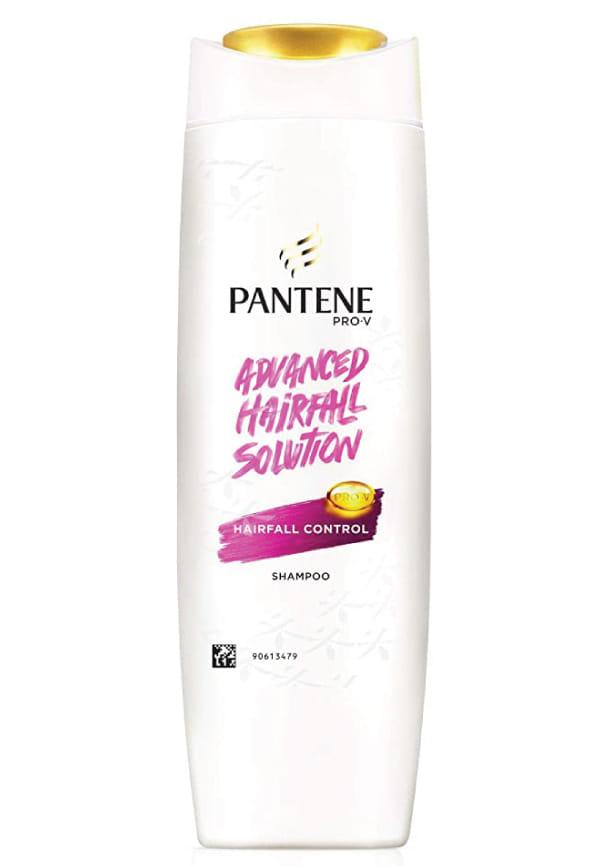
Advanced Hair Fall Solution Hair Fall Control Shampoo
Monsoon-related hair fall usually peaks during the wettest months and gradually reduces as humidity levels drop. Most people notice improvement within 4-6 weeks of consistent care once the season changes. However, if you've developed scalp infections or severely damaged hair during monsoon, recovery might take 2-3 months of targeted treatment. The key is starting proper care early in the season rather than waiting for problems to escalate.
Your regular shampoo might not be enough during monsoon season. Look for formulations that are sulfate-free but still provide good cleansing power. Antifungal ingredients become important during this time, so shampoos with tea tree oil, neem, or zinc pyrithione work better than purely moisturising formulas. If you have an oily scalp, you might need a clarifying shampoo 1-2 times a week to remove buildup from humidity and pollution.
Yes, it's completely normal to experience increased hair fall during the initial weeks of monsoon season. Your scalp needs time to adjust to the sudden change in humidity levels. However, if you're losing more than 150 strands daily or notice bald patches, it's worth consulting a dermatologist. The adjustment period typically lasts 2-3 weeks, after which hair fall should stabilise if you're following proper care routines.
Air drying is ideal, but not always practical during monsoon. If you must use heat, keep your blow dryer on the coolest setting and maintain at least 6 inches distance from your hair. Use a heat protectant spray and consider ionic or ceramic dryers that cause less damage. Microfiber towels or cotton t-shirts are gentler than regular towels for initial drying. Never brush wet hair—use a wide-tooth comb starting from the ends and working upward.
Oiling frequency during monsoon depends on your hair type and scalp condition. Dry hair types can oil 2-3 times a week, while oily scalps should limit it to once a week. Use lightweight oils like argan, jojoba, or grapeseed instead of heavy coconut oil. Always wash out oil completely—leaving residue can attract dirt and create scalp problems. Pre-wash treatments work better than leave-in oils during humid weather.
Biotin, vitamin D, iron, and zinc are particularly important for hair health during monsoon. Many people are deficient in vitamin D during rainy seasons due to less sun exposure, which can contribute to hair fall. B-complex vitamins help with keratin production, while iron ensures proper oxygen delivery to hair follicles. However, it's best to get blood tests done to identify specific deficiencies rather than taking random supplements.
Managing hair care for monsoon fall doesn't have to feel like an uphill battle. The key is understanding that your hair needs different care during humid months—more frequent cleansing, antifungal protection, and gentle handling become non-negotiable. Focus on maintaining scalp health, as most monsoon hair problems start there. Consistency in your routine matters more than expensive products, and sometimes the simplest solutions work best.
Remember that some hair fall during monsoon is completely normal—your hair is adjusting to environmental changes. However, if problems persist beyond the season or seem severe, don't hesitate to seek professional help. Your hair will thank you for the extra attention during these challenging months. Not sure which products might work best for your specific hair concerns? Smytten offers trial-size versions of many haircare products from trusted brands—a smart way to test different formulations before committing to full bottles during this experimental season.
