Hair Care During Rain FAQ: Your Monsoon Hair Questions Answered


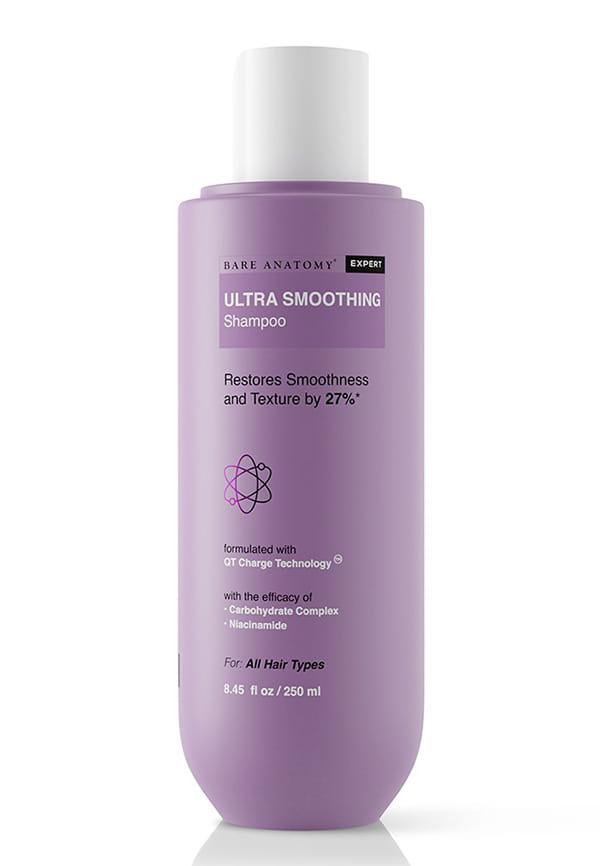
Expert Ultra Smoothing Shampoo To Restore Smoothness, Repair Damaged Hair And Locks In Moisture
Picture this: you've just stepped out with perfectly styled hair, and then the monsoon clouds decide to open up. Within minutes, your sleek blowout transforms into a frizzy mess, and you're left wondering if there's any hope for your hair during rainy season. If this sounds familiar, you're definitely not alone. Monsoon hair struggles are real, and they affect pretty much everyone who's ever tried to maintain decent hair during India's unpredictable rainy months.
Let's get real about what actually happens to your hair when humidity levels spike and rainwater starts doing its thing. Your hair shaft is made up of tiny scales called cuticles, and when there's excess moisture in the air, these scales lift up and allow water to penetrate the hair strand. This is why your hair suddenly feels rough, looks frizzy, and seems to have a mind of its own during monsoons.
Different hair types react differently to this moisture invasion. If you've got naturally straight hair, you might notice it becoming limp and greasy faster than usual. Wavy hair tends to lose its pattern and become unpredictably frizzy. Curly hair often becomes even more voluminous and harder to manage, while coily hair might feel drier despite all the moisture in the air.
But it's not just about humidity. Rainwater itself can be problematic, especially in urban areas where it picks up pollutants and chemicals as it falls. This contaminated water can strip your hair of its natural oils, leading to dryness, breakage, and scalp irritation. Plus, the constant cycle of getting wet and drying out weakens your hair's structure over time.
The most obvious issue is frizz, but that's just the tip of the iceberg. Many people also experience increased hair fall during rainy season, thanks to weakened hair shafts and scalp issues. Dandruff becomes more common too, as the humid environment creates perfect conditions for fungal growth on your scalp.
Managing your hair during monsoons isn't about fighting against nature—it's about working with it smartly. The key is creating a routine that protects your hair before, during, and after exposure to rain and humidity. Think of it as building a defence system that keeps your hair healthy and manageable throughout the season.
Before you step out, apply a leave-in conditioner or anti-frizz serum to create a protective barrier. Focus on the mid-lengths and ends of your hair, avoiding the roots to prevent greasiness. If you know rain is expected, opt for protective styles like braids, buns, or ponytails that keep your hair contained and reduce exposure to moisture.
Got caught in an unexpected downpour? Don't panic. Once you reach shelter, gently squeeze out excess water with a microfibre towel or cotton t-shirt. Avoid rubbing or wringing your hair, as wet hair is more fragile and prone to breakage. If you have a hair tie handy, loosely secure your hair to prevent tangling.
After getting soaked, resist the urge to immediately wash your hair unless it's visibly dirty. Instead, apply a leave-in treatment and let your hair air dry as much as possible. If you must use heat styling tools, always use a heat protectant first. The goal is to restore moisture balance without over-processing your already stressed hair.
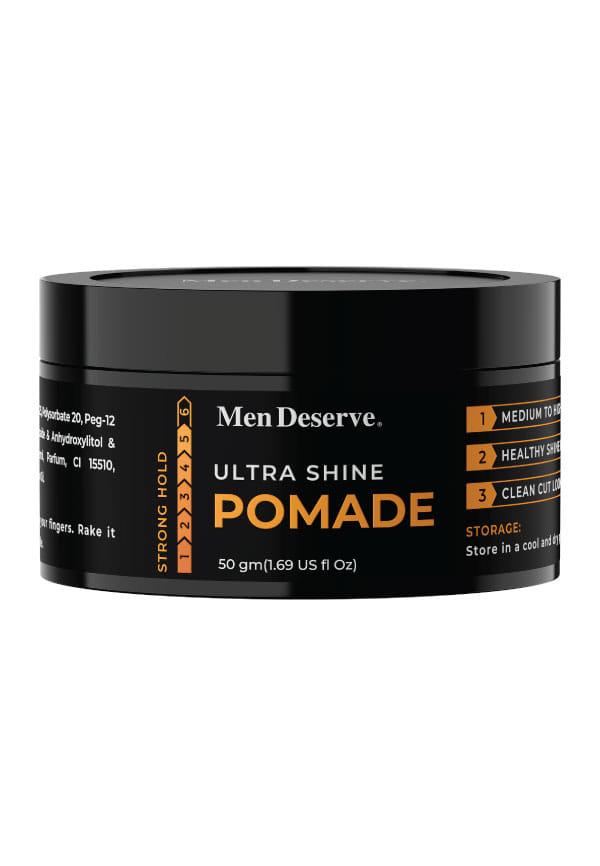
Hair Styling Ultra Shine Pomade for Strong Hold and Wet Look Hairstyle
Your regular hair washing routine might need some tweaks during rainy season. The increased humidity and potential for getting caught in rain means your scalp might produce more oil, but over-washing can strip away natural protective oils and make frizz worse. Finding the right balance is crucial for maintaining healthy hair throughout the monsoons.
Most hair types benefit from washing 2-3 times per week during monsoon season. If you have oily hair or an oily scalp, you might need to wash more frequently, but try to limit it to every other day. Dry or chemically treated hair can often go longer between washes, sometimes just once or twice a week.
Look for shampoos that address your specific monsoon concerns. If you're dealing with dandruff or scalp irritation, anti-fungal ingredients like ketoconazole or zinc pyrithione can help. For general frizz control, sulfate-free formulas are gentler and won't strip your hair as much. Clarifying shampoos can be useful once a week to remove buildup from styling products and environmental pollutants.
Your scalp needs extra attention during humid weather. Massage your scalp gently while shampooing to improve circulation and remove dead skin cells. If you notice any itching, flaking, or unusual odour, address it quickly before it becomes a bigger problem. Tea tree oil or neem-based products can help maintain scalp health naturally.
Frizz is probably the most frustrating part of monsoon hair care, but understanding why it happens can help you tackle it more effectively. When your hair absorbs moisture from humid air, the hydrogen bonds in your hair shaft break and reform in irregular patterns, creating that characteristic frizzy texture. The solution isn't to completely block moisture, but to control how your hair interacts with it.
Damaged or porous hair is more susceptible to frizz because it absorbs moisture more readily. This is why chemically treated, heat-damaged, or naturally dry hair tends to get frizzier in humid conditions. Regular deep conditioning treatments can help fill in the gaps in your hair cuticle and reduce porosity.
Leave-in conditioners with humectants like glycerin can help your hair maintain optimal moisture levels. Silicone-based serums create a protective coating that repels excess moisture while adding shine. For natural options, argan oil or coconut oil can provide similar benefits without synthetic ingredients.
A simple flaxseed gel can work wonders for defining curls and controlling frizz. Aloe vera gel mixed with a few drops of essential oil makes an excellent leave-in treatment. Rice water, rich in amino acids and vitamins, can strengthen hair and reduce frizz when used as a rinse once a week.
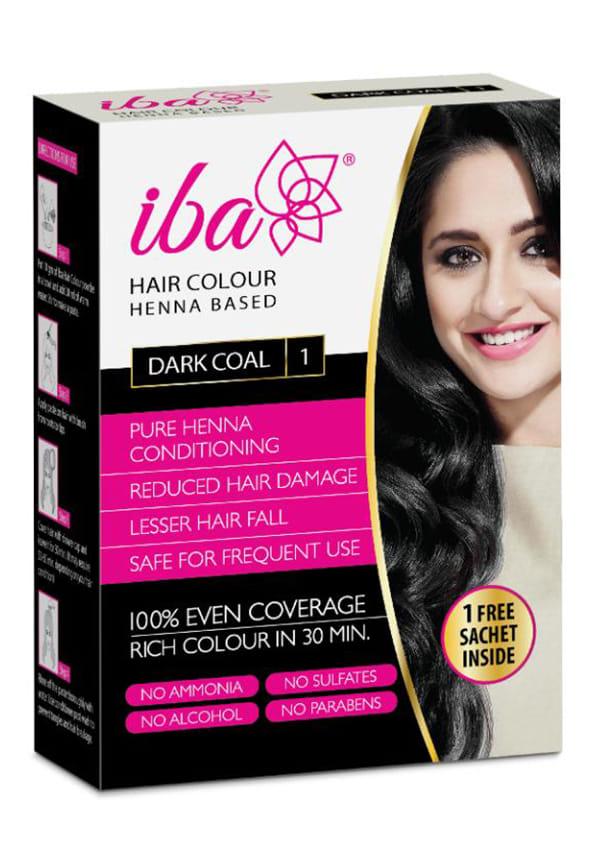
Halal Care Hair Colour
It might seem counterintuitive to focus on hydration when there's moisture everywhere, but your hair still needs proper internal hydration to stay healthy. The moisture in the air isn't the same as the moisture your hair needs to maintain its structure and elasticity. Think of it like the difference between being in a steamy bathroom and actually drinking water—your body needs both types of moisture for different reasons.
Over-conditioning can make your hair limp and greasy, especially during humid weather. Pay attention to how your hair feels and looks after conditioning treatments. If it feels mushy or looks flat, you might be using too much product or conditioning too frequently.
Once a week, treat your hair to a deep conditioning mask. You can use store-bought masks with ingredients like keratin, argan oil, or shea butter, or make your own using ingredients like avocado, honey, and egg. Apply the mask to damp hair, focusing on the lengths and ends, and leave it on for 15-20 minutes before rinsing thoroughly.
If your hair feels stretchy when wet or looks limp and lifeless, it might need protein rather than moisture. Protein treatments help rebuild the hair's structure, while moisturising treatments add flexibility. Most hair needs both, but the ratio depends on your hair's current condition and porosity level.
Sometimes the best hair care during rain is simply keeping your hair protected from the elements. Protective styling doesn't mean your hair has to look boring—there are plenty of chic options that work well in humid weather and actually look better with a bit of texture and movement.
Braids are your best friend during monsoon season. A loose side braid, French braid, or even a simple three-strand braid can keep your hair contained while looking effortlessly stylish. Buns work well too, especially messy buns that embrace texture rather than fighting it. Top knots and low chignons are both practical and elegant.
Avoid products with alcohol as the main ingredient, as they can dry out your hair and make frizz worse. Instead, look for cream-based styling products that provide hold without stiffness. Mousse can add volume to fine hair without weighing it down, while curl creams help define natural texture.
The key is preparation and protection. Apply a leave-in conditioner or anti-frizz serum before going out, carry a small umbrella or scarf for unexpected showers, and choose hairstyles that work with humidity rather than against it. If you do get caught in the rain, gently squeeze out excess water and avoid brushing wet hair.
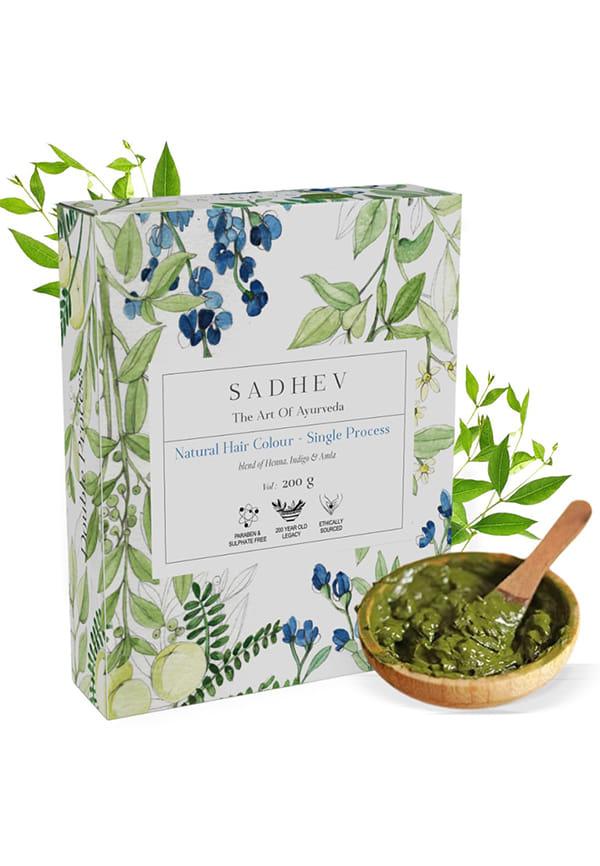
Natural Hair Colour - Single Process - Henna, Indigo & Amla 200gm
Embrace protective styles like braids, buns, or ponytails that look intentionally textured. Use styling products that enhance your hair's natural texture rather than trying to fight it. Consider the "wet look" achieved with gel or mousse for a deliberately styled appearance that works with moisture rather than against it.
Adjust your washing routine to 2-3 times per week, use lukewarm water instead of hot water to prevent additional dryness, and focus on scalp health to prevent fungal issues. Deep condition weekly and use leave-in treatments to maintain moisture balance.
Look for sulfate-free formulas that won't strip your hair, anti-dandruff shampoos if you're prone to scalp issues, or clarifying shampoos used once a week to remove buildup. The best choice depends on your specific hair type and concerns, but gentle, moisturising formulas generally work well for most people during humid weather.
Regular scalp massage with oils like coconut, castor, or rosemary oil can improve circulation and strengthen hair follicles. Onion juice, despite the smell, contains sulfur compounds that may help with hair growth. Fenugreek seed paste used as a mask can strengthen hair and reduce breakage.
Curly hair needs extra moisture during monsoons, so use leave-in conditioners and curl-defining creams. Avoid brushing dry curls, and instead use a wide-tooth comb on wet hair with conditioner. Plopping (wrapping wet curls in a cotton t-shirt) can help define curls while reducing frizz. Sleep on a silk or satin pillowcase to prevent friction damage.
Light oiling can be beneficial, but avoid heavy oils that might make your hair greasy in humid weather. Focus on the ends rather than the scalp, and choose lighter oils like argan or jojoba. If your scalp tends to get oily quickly during monsoons, you might want to skip scalp oiling altogether.
Most people benefit from washing 2-3 times per week during monsoon season. If you have very oily hair or get caught in rain frequently, you might need to wash more often, but try not to exceed every other day. Over-washing can strip natural oils and make frizz worse.
Managing hair care during rain doesn't have to be a constant battle against the elements. The secret is understanding how humidity and moisture affect your specific hair type, then adapting your routine accordingly. Focus on protection, gentle cleansing, and maintaining the right moisture-protein balance for your hair's needs.
Remember that some frizz and texture during monsoon season is completely normal—embrace it rather than fighting it. Choose hairstyles and products that work with your hair's natural tendencies, and don't be afraid to experiment with different approaches until you find what works best for you.
If you're looking to try new hair care products without committing to full-size bottles, Smytten offers trial-size versions of many popular hair care brands. It's a smart way to test different formulas and find your perfect monsoon hair care routine before investing in larger products.
