Hair Brush for Fine Hair FAQ: Common Questions Answered
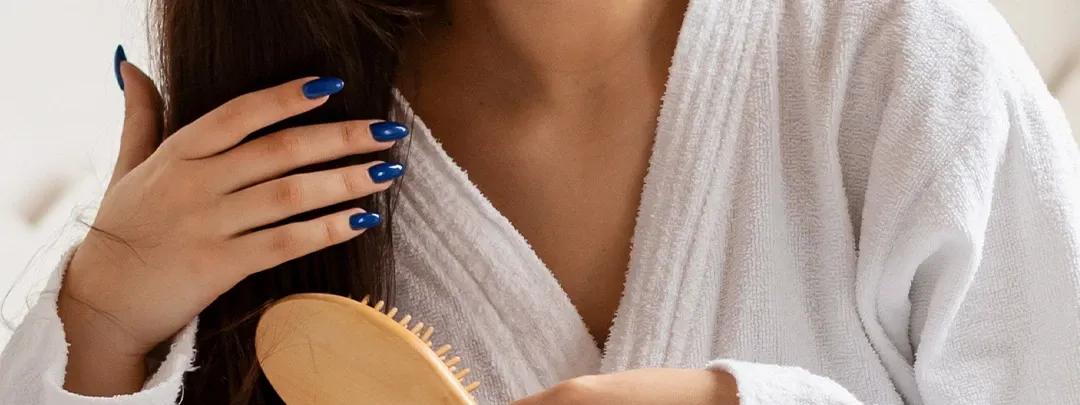

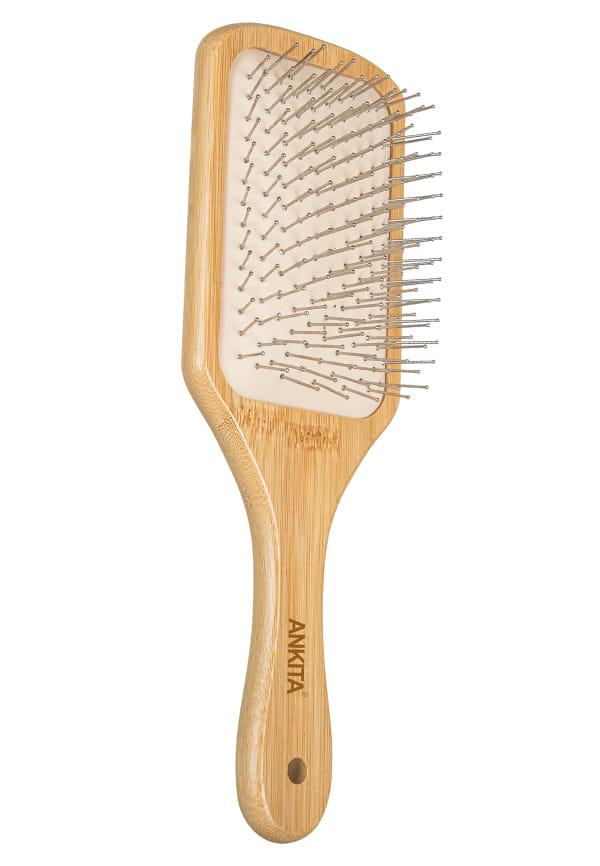
Bamboo Wood Paddle Hair Brush with Steel Pin Bristles|Hair Brush with Strong and Flexible Bristles
Fine hair can feel like a blessing and a curse rolled into one. Sure, it's silky and lightweight, but it's also prone to breakage, lacks volume, and seems to tangle at the mere thought of wind. The secret to managing fine hair? Finding the right brush. Not all brushes are created equal, and what works for thick, coarse hair can be a disaster for delicate strands. Whether you're dealing with daily tangles, struggling to add volume, or worried about breakage, choosing the perfect hair brush for fine hair can transform your entire routine. At Smytten, we've seen countless users discover game-changing haircare tools through trial packs, making it easier to find what actually works for your unique hair type without the commitment of full-size purchases.
TL;DR
Fine hair needs gentle brushes with soft bristles to prevent breakage and damage
Boar bristle brushes are excellent for distributing natural oils and adding shine
Round brushes help create volume when blow-drying, while paddle brushes work best for daily detangling
Proper technique matters more than the brush itself—always start from the ends and work upward
Replace brushes every 6-12 months or when bristles start bending or falling out
Fine hair has a smaller diameter than normal or thick hair, making it more fragile and prone to breakage. This means your brush choice isn't just about styling—it's about protection. The best brush for fine hair needs to detangle gently without pulling or snagging, distribute natural oils evenly, and ideally help create the illusion of volume.
Fine hair often gets confused with thin hair, but they're different. Fine refers to the actual strand thickness, while thin describes density. You can have fine hair that's thick in density or thin hair with coarse strands. Understanding this difference helps you choose the right tools for your specific situation.
Many people with fine hair make the mistake of using brushes designed for thicker hair types. Hard plastic bristles, metal pins, or overly dense brush heads can cause serious damage. Aggressive brushing, starting from the roots, or brushing wet hair with the wrong tool can lead to breakage and hair loss.
When it comes to gentle hair brushes, the material and design matter enormously. The goal is to detangle and style without causing stress to your delicate strands. Here's what to look for in a truly gentle brush.
Boar bristle brushes are often considered the gold standard for fine hair. The natural bristles are incredibly gentle and help distribute your scalp's natural oils from root to tip. This creates natural shine and helps protect your hair from environmental damage. They're particularly brilliant for daily brushing and smoothing flyaways.
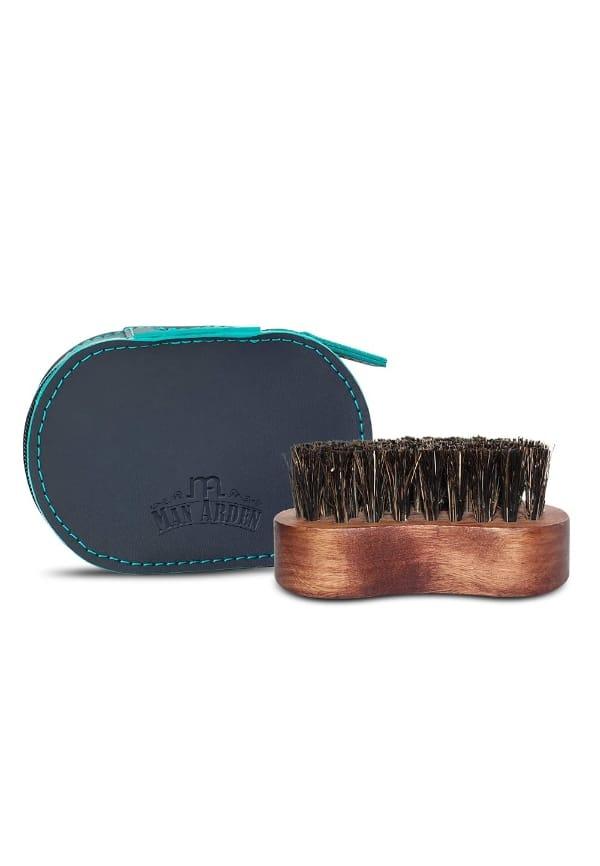
100% Boar Bristle Beard Brush with Hand Crafted Premium Wood Handle with Premium Faux Leather Pouch
Modern synthetic bristles can be just as gentle as natural ones when designed properly. Look for brushes with flexible, rounded-tip bristles that bend rather than break your hair. These work especially well for detangling and are often more affordable than natural options.
Creating volume with fine hair feels like mission impossible sometimes, but the right brush can make all the difference. Volumizing isn't just about the brush itself—it's about how you use it and what products you pair it with.
A round brush for fine hair should be smaller in diameter than what you'd use for thick hair. The smaller barrel creates more lift at the roots and helps curl the ends under for a fuller appearance. When blow-drying, use the brush to lift sections at the root while directing heat from above.
Beyond round brushes, there are specific techniques that help maximise volume. Backcombing with a fine-tooth brush can create temporary volume, but be gentle. Texturising brushes with varying bristle lengths can also help create the appearance of fuller hair by adding subtle texture.
Detangling fine hair requires patience and the right tools. Wet hair is particularly vulnerable, so your approach needs to be extra gentle. The wrong technique can cause significant breakage and damage.
For wet hair, a wide-tooth comb or a specifically designed wet brush works best. These tools have more space between teeth or bristles, reducing the chance of snagging. Always apply a leave-in conditioner or detangling spray before brushing wet hair.
A paddle brush fine hair option works brilliantly for dry detangling and smoothing. The large, flat surface distributes pressure evenly across your scalp, making it comfortable for daily use. Look for paddle brushes with cushioned bases that give slightly under pressure.
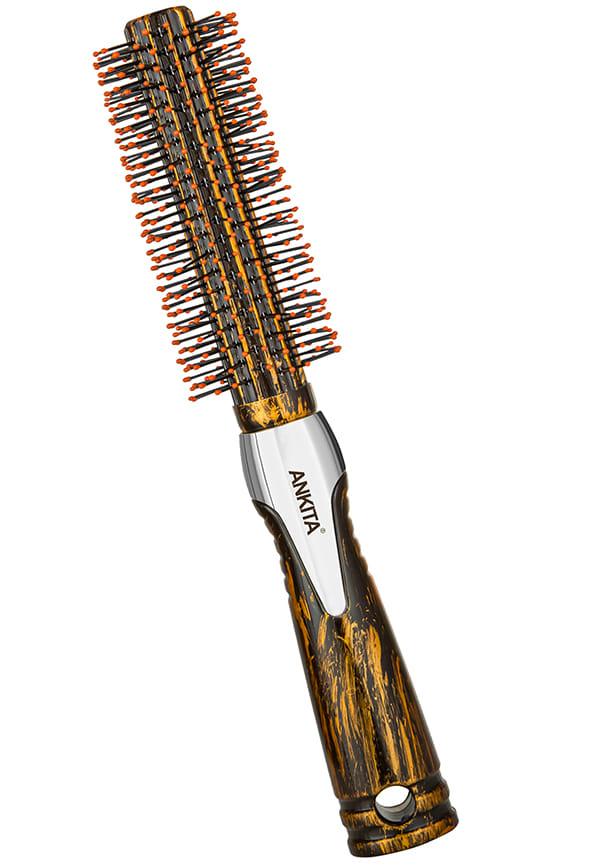
Wooden Texured Round Hair Brush with Nylon Bristle|Hair Brush with Strong and Flexible soft Bristles|For Grooming, Straightening, Smoothing, Detangli
Understanding different brush types helps you build a toolkit that covers all your fine hair needs. Each type serves a specific purpose, and having the right brush for each task makes styling easier and less damaging.
Different brushes excel at different tasks. Boar bristle brushes are perfect for daily smoothing and oil distribution. Round brushes create volume during blow-drying. Paddle brushes work well for detangling and general styling. Wide-tooth combs are essential for wet hair care.
Professional brushes often feature better materials, more durable construction, and thoughtful design details. While they cost more upfront, they typically last longer and perform better. However, many consumer options now offer excellent quality at accessible price points.
Preventing breakage is crucial for maintaining healthy fine hair. The right brush, combined with proper technique, can significantly reduce hair loss and damage. It's about being proactive rather than reactive to hair problems.
It's normal to lose 50-100 hairs daily, but if you're seeing short, broken pieces rather than full-length strands, your brush might be causing damage. Breakage often appears as shorter pieces with blunt ends, while natural shedding shows the full hair shaft with the root attached.
Always start brushing from the ends and work your way up to the roots. This prevents tangles from getting tighter and reduces the force needed to detangle. Section your hair if it's particularly tangled, and never brush aggressively or quickly.
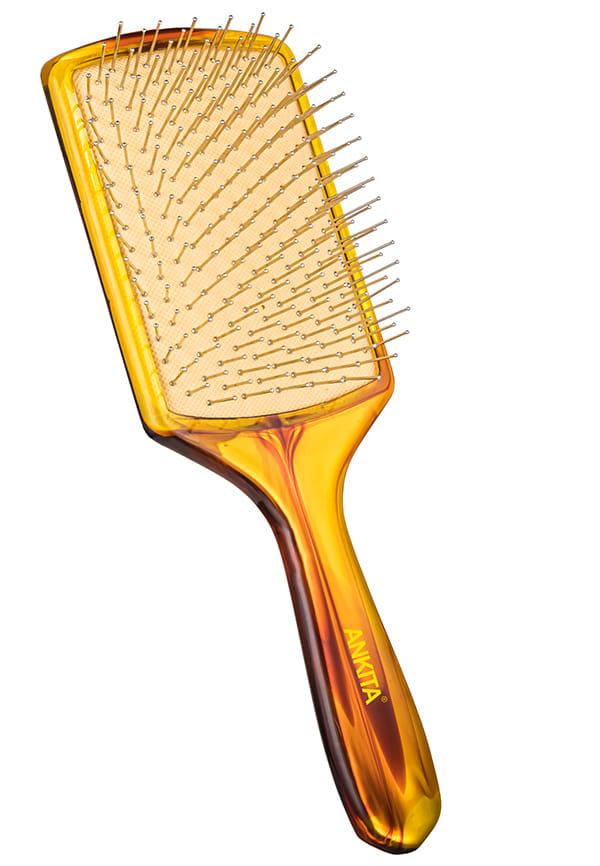
Paddle Hair Brush with Steel Pin Bristles|Hair Brush with Strong and Flexible Bristles|For Grooming, Straightening, Smoothing, Detangling Hair, Ideal
For hair that's prone to falling out, choose a boar bristle brush or a gentle synthetic brush with flexible bristles. Avoid brushes with hard plastic or metal bristles. Always brush gently and consider whether you're experiencing natural shedding or actual breakage—if it's the latter, your current brush might be too harsh.
Fine hair benefits from gentle daily brushing to distribute natural oils and prevent tangles. However, over-brushing can cause damage, so once or twice daily is usually sufficient. If your hair is particularly fragile, every other day might be better.
It's better to have separate tools for wet and dry hair. Wet hair is more vulnerable to damage, so use a wide-tooth comb or a brush specifically designed for wet hair. Save your regular styling brushes for dry hair to prevent unnecessary breakage.
Paddle brushes are excellent for detangling and smoothing fine hair with minimal effort. They're perfect for daily maintenance. Round brushes are styling tools that help create volume and shape during blow-drying. Most people with fine hair benefit from having both types.
Replace your brush when bristles start bending permanently, falling out, or when the cushioned base loses its bounce. For fine hair, this might happen every 6-12 months with regular use. A worn brush can actually damage your hair rather than help it.
While expensive doesn't always mean better, quality brushes often feature superior materials and construction that benefit fine hair. However, there are excellent mid-range options available. The key is finding brushes specifically designed for fine or delicate hair rather than focusing solely on price. Smytten's trial packs let you test different haircare tools and products before committing to full sizes, making it easier to find what works for your hair type.
Choosing the right hair brush for fine hair isn't just about styling—it's about protecting your delicate strands while achieving the look you want. The best brush for fine hair combines gentle materials with thoughtful design, whether that's boar bristles for natural shine, flexible synthetics for detangling, or the right round brush for volume. Remember that technique matters as much as the tool itself. Always brush from ends to roots, be gentle with wet hair, and don't over-brush. Quality brushes designed specifically for fine hair are worth the investment, as they'll cause less damage and often last longer than generic options.
Finding the perfect hair brush for fine hair often involves some trial and error, which is where Smytten really shines. As India's largest product discovery and trial platform, Smytten connects you with over 2,400 trusted brands including top haircare names like WishCare, Love Beauty & Planet, and many others. Through curated trial packs, you can test different brushes and haircare products before committing to full-size purchases. With up to 10 Trial Points for just ₹279 and 100% cashback on trials redeemable for future orders, discovering your perfect haircare routine becomes both affordable and risk-free. The platform's 90% pincode coverage ensures that whether you're in a metro city or a smaller town, you can access authentic, brand-verified minis delivered right to your door. After all, why settle for maybe when you can try it all and find what truly works for your fine hair?
