Hair Breakage vs Hair Fall: Tips and Solutions for Healthy Indian Hair

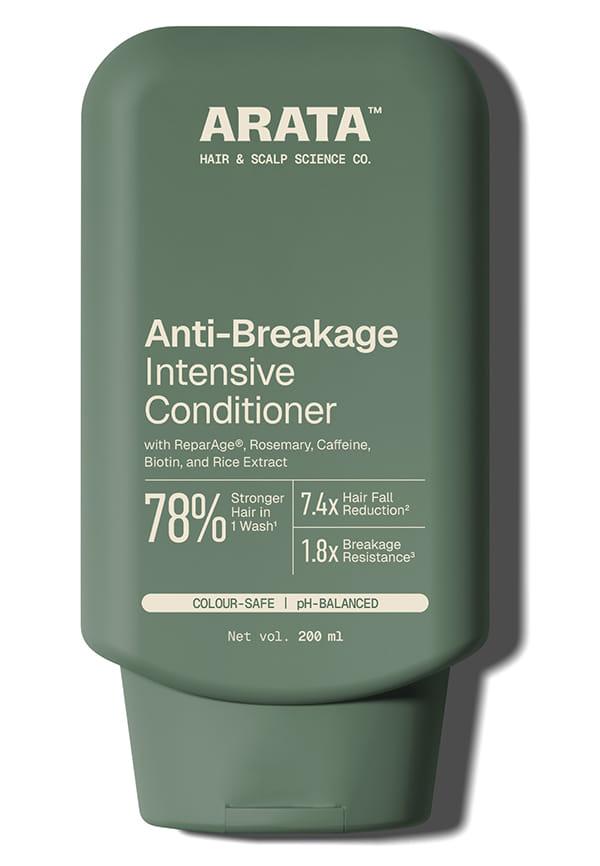
Anti-Hair Fall Conditioner for Breakage and Split-End Reduction | Powered by ReparAge®, Rice Protein, Caffeine, and Biotin | Supports Thicker & Dense
Sometimes it feels like your hair is betraying you. One day, strands snap mid-length, leaving jagged ends on your comb. Another day, full hairs fall from the root during washing or brushing. It can be confusing—how do you tell hair breakage apart from actual hair fall, and more importantly, what steps can you take to prevent further damage?
In India, where hair oiling, styling, and environmental stressors combine, understanding the difference is key to keeping your hair strong, healthy, and vibrant. This guide will help you identify the type of hair damage you’re dealing with and offer actionable solutions suitable for Indian hair types and lifestyles.
Hair breakage occurs when the hair shaft snaps due to external stress, damage, or dryness, whereas hair fall is when the entire hair strand detaches from the root, often due to follicle-related issues like stress, hormonal changes, or nutritional deficiencies. Both can be managed with gentle haircare, strengthening treatments, and a consistent routine.
Hair breakage happens when the hair shaft itself weakens and snaps, usually along the mid-length or near the ends. Unlike hair fall, the follicle is generally healthy, meaning new hair can still grow, but broken strands make hair appear uneven, frizzy, and thin.
In Indian haircare routines, breakage is often linked to a mix of traditional oiling, chemical treatments, and environmental factors. Over-brushing, tight hairstyles, heat styling, and frequent coloring all weaken the hair shaft over time. Even generous oiling, if left overnight or combined with pollution, can make strands brittle, leading to breakage.
Signs of hair breakage include jagged ends, hair snapping during brushing, rough mid-lengths, and difficulty detangling. The key is identifying damage early and taking steps to strengthen the hair shaft. Protein-rich treatments, hydrating conditioners, and light protective oils help prevent further snapping and restore smoothness.
Hair fall occurs when the strand comes out entirely from the follicle. This is usually caused by internal factors affecting follicle health rather than the shaft itself.
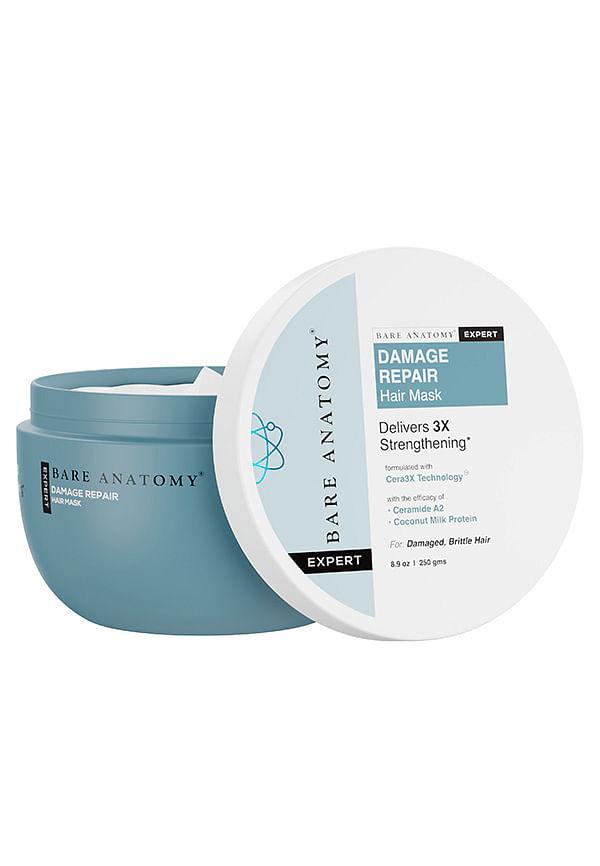
Damage Repair Hair Mask With Ceramide A2 And Coconut Milk Protein
Common triggers for hair fall in Indian hair include stress, hormonal changes, dietary deficiencies, and scalp conditions like dandruff or fungal infections. Genetics also play a big role; if your parents experienced early thinning, you may be more prone to hair fall.
Symptoms of hair fall include a white bulb at the tip of fallen strands, noticeable thinning across the scalp, and hair shedding during washing, brushing, or even while sleeping. Persistent hair fall can lead to reduced density if not addressed with the right haircare and lifestyle adjustments.
You don’t need a chart to differentiate—they have distinct characteristics:
Hair breakage usually appears along the hair shaft or ends. The strands often have jagged edges and are shorter than the rest of your hair. It typically affects specific areas that have been exposed to mechanical or chemical stress. Hair feels dry, brittle, and tangles easily, but the root remains healthy and continues to grow.
Hair fall, on the other hand, involves the strand coming out completely from the follicle. You’ll notice a small white bulb at the end, which is the root. Hair fall is often diffuse, affecting overall density and sometimes leading to thinning along the scalp or parting line. Causes include stress, hormonal imbalance, nutritional deficiencies, and medical conditions.
Understanding which type you are experiencing allows you to target the right solutions—shaft-strengthening treatments for breakage and follicle-supporting strategies for hair fall.
In India, hair breakage often results from a combination of cultural habits, environmental factors, and styling practices. Over-brushing, tying hair too tightly, and regular heat styling can stress the hair shaft. Chemical treatments like coloring, straightening, or keratin applications weaken strands.
Environmental exposure also plays a role—pollution, hard water, and strong sun can dry out hair and make it more brittle. Even traditional oiling can contribute if too much oil is applied or left overnight, leaving residue that weighs down the hair and makes it prone to snapping.
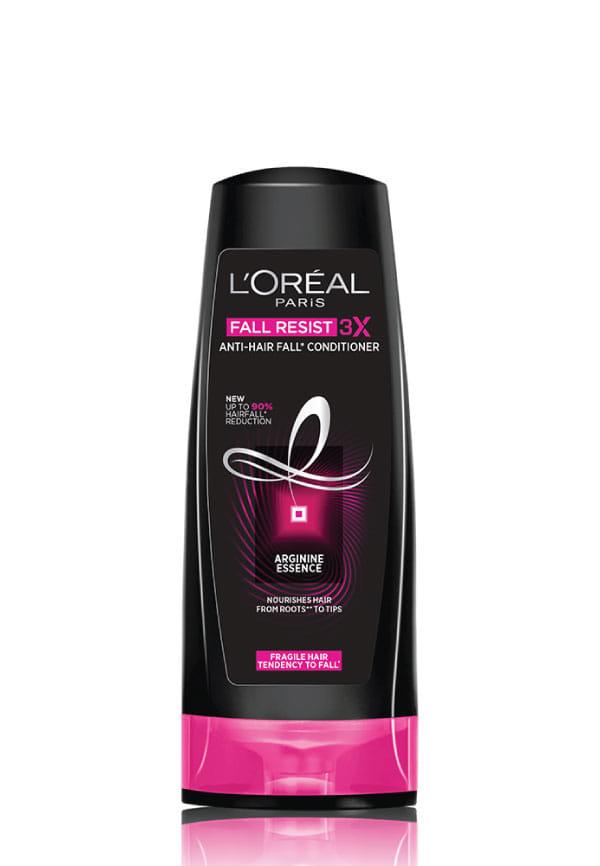
Fall Resist 3X Anti-Hairfall Conditioner
To prevent breakage, focus on strengthening your hair with protein-based masks, hydrating conditioners, and light oils.
Hair fall is often influenced by internal factors affecting the follicle. Stress is a major contributor, particularly in fast-paced Indian cities where work, studies, and lifestyle pressures elevate cortisol levels. Hormonal changes such as thyroid imbalances, PCOS, or postpartum transitions also affect follicle health.
Diet plays a critical role; deficiencies in protein, iron, vitamin B12, zinc, and omega-3 fatty acids weaken follicles. Scalp conditions like dandruff or fungal infections further exacerbate shedding. Genetics are another factor—if your parents experienced hair fall at a young age, your follicles may be more susceptible.
Addressing hair fall requires both lifestyle interventions—stress management, diet, and sleep—and targeted haircare, including gentle cleansers, strengthening masks, and hydrating conditioners.
While breakage and hair fall have different causes, a few common habits benefit both:
Gentle cleansing: Use sulfate-free shampoos to remove buildup without stripping natural oils. Gentle washing prevents mechanical stress on strands.
Strengthening conditioners: Protein and antioxidant-rich formulas help restore elasticity, reduce breakage, and support follicle health.
Hair masks: Applying hydrating or protein masks once or twice a week strengthens the hair shaft and nourishes roots.
Balanced oiling: Moderate application prevents residue that can weigh down hair or attract dust. Focus oil on mid-lengths and ends rather than the scalp.
Nutrition: A diet rich in protein, iron, vitamins, and omega-3 fatty acids supports healthy hair from the inside.
Stress management: Meditation, yoga, and mindfulness reduce cortisol, which can help reduce follicle-related hair fall.
Environmental protection: Shield hair from pollution, UV rays, and hard water with light protective oils or rinses.
Urban Indian climates, with high humidity, heat, pollution, and hard water, can worsen both hair breakage and hair fall. Humidity causes tangling and frizz, heat weakens strands, pollution adheres to oil-coated hair, and hard water leaves minerals that stress hair shafts. Regular cleansing, hydrating treatments, and light protective oils can mitigate these effects, keeping hair healthier and more resilient.
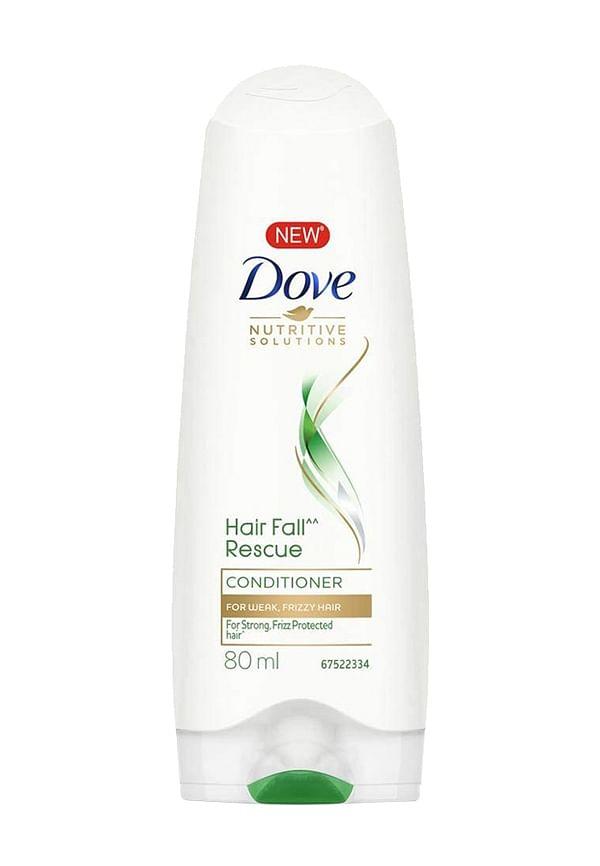
Hair fall Rescue Conditioner
1. How can I tell if my hair is breaking or falling out?
Hair breakage appears as short, jagged strands mid-shaft or at ends. Hair fall comes out from the root and usually has a white bulb at the tip.
2. Can over-oiling cause hair breakage?
Yes. Excess oil can weigh down hair, attract dust and pollution, and make strands more prone to snapping.
3. Can stress cause hair breakage or hair fall?
Stress primarily triggers hair fall by affecting follicle health, but it can also weaken strands indirectly, making breakage more likely.
4. How often should I use protein hair masks?
Once or twice a week is ideal. Using minis or trial packs on Smytten lets you find the mask that strengthens hair without making it greasy or heavy.
5. Can diet help prevent hair damage?
Absolutely. Protein, iron, omega-3s, and vitamins A, C, D, and E help maintain healthy hair shafts and follicles.
6. Are shampoos and conditioners enough to prevent hair damage?
They help, especially formulas rich in protein, antioxidants, and hydration. However, lifestyle factors like reducing heat styling and stress are equally important.
7. Does Indian humidity worsen hair issues?
Yes. High humidity can exacerbate frizz, tangling, and hair shaft fragility, increasing breakage and fall.
8. When should I see a dermatologist?
Consult a dermatologist if hair fall is sudden, patchy, or accompanied by scalp irritation. Early evaluation ensures the right treatment.
Hair breakage and hair fall may seem similar, but understanding the differences helps you take the right approach. Consistent haircare with gentle cleansing, protein treatments, and scalp-friendly routines can reduce both issues. Exploring products by trying minis or trial packs on Smytten allows you to find what works for your hair type before committing to full-size bottles. With careful care, balanced nutrition, and mindful styling, your Indian hair can remain strong, healthy, and vibrant despite daily stressors, environmental exposure, and styling routines.
