Hair Breakage From Rain FAQ: Common Questions Answered

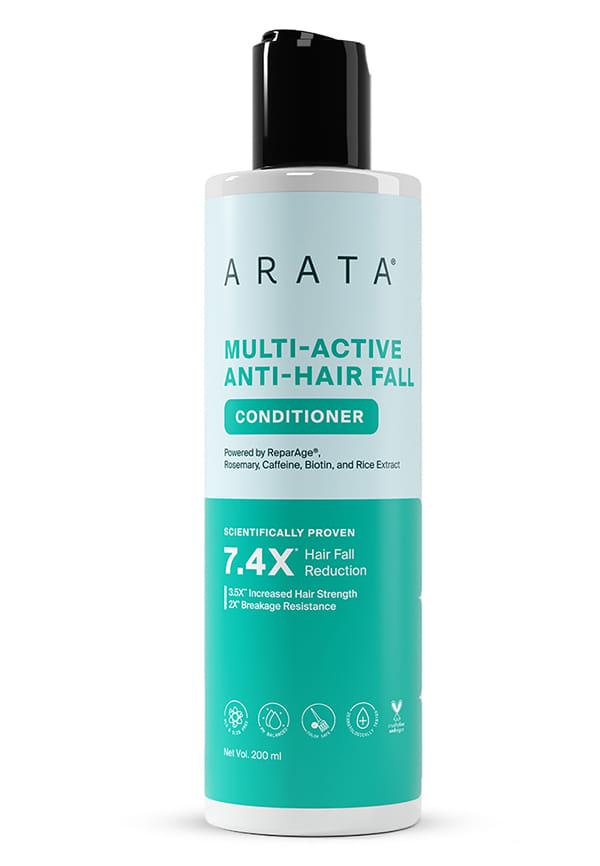
Anti-Hair Fall Conditioner for Breakage and Split-Ends Reduction
Picture this: you're having a brilliant hair day, feeling absolutely gorgeous, and then the sky opens up. By the time you reach shelter, your once-perfect locks are a frizzy, tangled mess that seems to break with every touch. If this sounds familiar, you're definitely not alone. Rain can be surprisingly harsh on our hair, leading to breakage, damage, and a whole lot of frustration. The good news? Understanding why this happens and knowing how to protect your hair can make all the difference between a hair disaster and manageable monsoon manes.
Let's get real about what actually happens when rainwater meets your hair. When hair gets wet, each strand swells up as water penetrates the hair shaft. This swelling weakens the hair's structure temporarily, making it much more vulnerable to breakage. Think of it like a sponge – when dry, it's firm and structured, but when wet, it becomes soft and fragile.
The plot thickens when we consider that rainwater isn't exactly pure H2O. Urban rainwater picks up pollutants, dust, and chemicals as it falls through the atmosphere. These contaminants can create a slightly acidic environment that further weakens your hair's protective cuticle layer. Meanwhile, humidity plays its own sneaky role by causing hair strands to swell unevenly, leading to that dreaded frizz and making hair more prone to tangling and subsequent breakage.
The frequent wet-dry cycles during monsoon season create additional stress on your hair. Each time your hair goes from wet to dry and back again, the cuticles lift and close repeatedly. This constant movement gradually damages the cuticle layer, leaving your hair more porous and fragile over time. It's like repeatedly opening and closing a book – eventually, the binding starts to weaken.
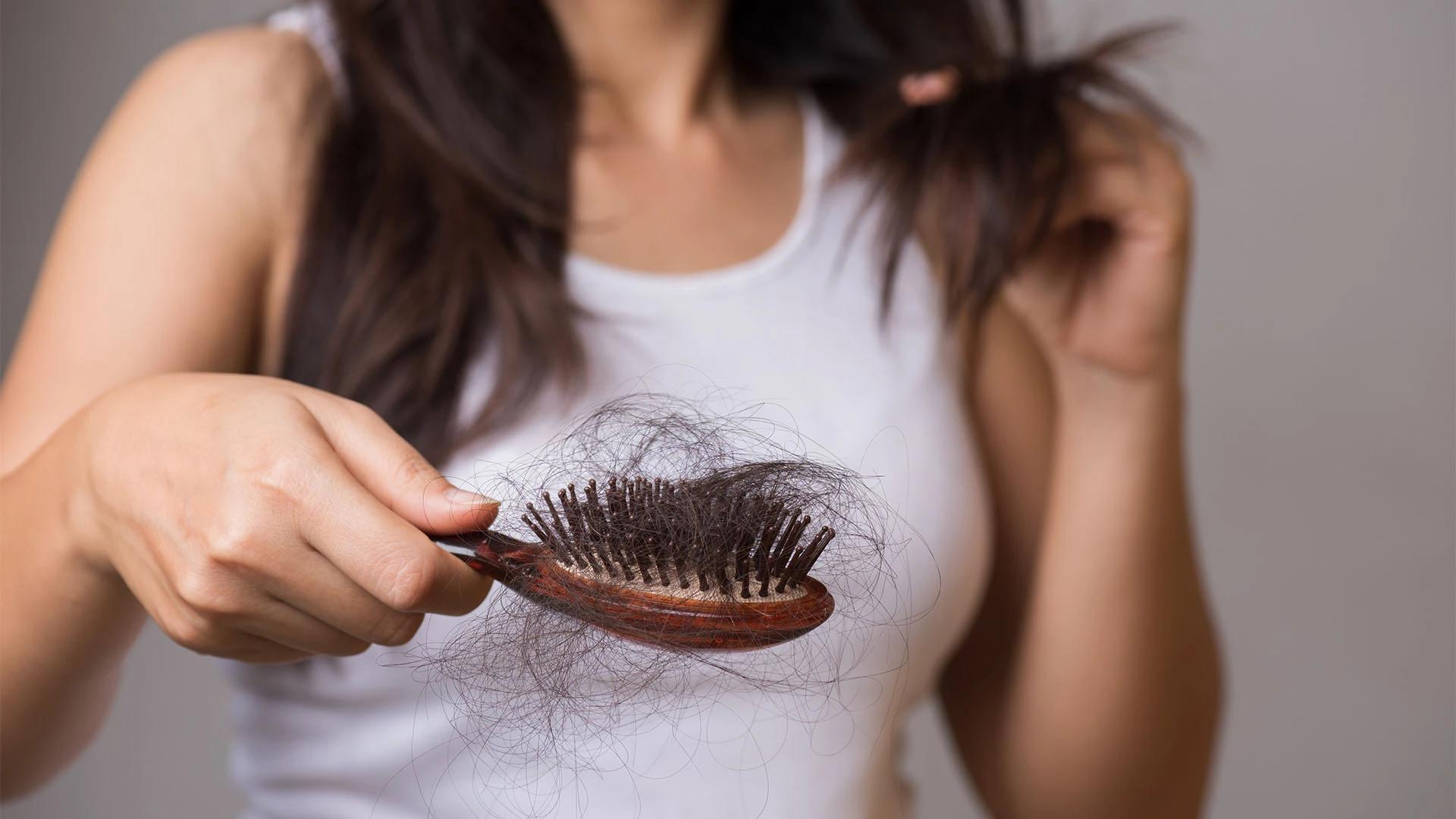
Spotting rain damage early can help you address it before it becomes a bigger problem. One of the most obvious signs is increased breakage when you're detangling wet hair. If you notice more strands than usual coming out in your comb or brush after getting caught in the rain, that's your hair crying out for some TLC.
Excessive frizz that seems impossible to tame is another telltale sign. While some frizz is normal in humid conditions, hair that's been damaged by repeated rain exposure tends to become unmanageably frizzy and loses its natural shine. You might also notice that your hair feels rougher or more brittle to the touch, especially when it's dry.
Split ends appearing more frequently than usual is another red flag. Rain-damaged hair often develops split ends faster because the weakened cuticle layer can't protect the hair shaft effectively. Some people also experience unusual hair fall patterns during monsoon season, with more hair coming out during washing or styling than they'd normally expect.
Prevention is always better than cure, especially when it comes to hair protection from rain. Start with protective styling techniques before heading out. Loose braids, buns, or ponytails can minimise the surface area of hair exposed to rain while reducing tangling. Avoid tight styles that could cause additional stress to already vulnerable wet hair.
Waterproof hair products are your best friends during monsoon season. Look for anti-humidity serums or leave-in treatments that create a protective barrier around your hair shaft. These products help repel moisture and reduce the amount of water your hair absorbs, minimising swelling and damage.
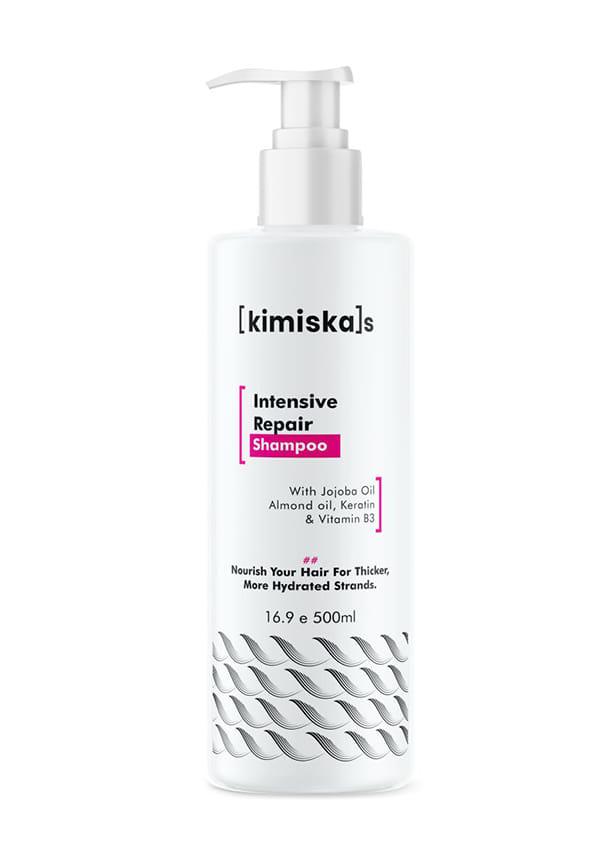
Intensive Hair Repair Shampoo for Dry and Frizzy Hair
Don't underestimate the power of good old-fashioned protection. A sturdy umbrella or a hood can be lifesavers, but make sure you're using them effectively. Position your umbrella to create maximum coverage, and if you're using a hood, choose one made from water-resistant material that won't transfer moisture to your hair.
For longer outdoor activities, consider hair wrapping methods using silk or satin scarves. These materials are gentler on hair than cotton and can provide an extra layer of protection against rain and humidity. Timing your outdoor activities around weather forecasts can also help you avoid the worst downpours.
Sometimes rain catches us off guard, and damage control becomes essential. The first rule of emergency hair care is gentle handling. When your hair is wet, it's at its most vulnerable state, so treat it like delicate silk. Instead of rubbing your hair vigorously with a towel, gently blot or squeeze out excess water using a microfibre towel or even a cotton t-shirt.
Detangling wet hair requires patience and the right tools. Always use a wide-tooth comb and start from the ends, working your way up to the roots. Never brush wet hair with a regular brush, as this can cause significant breakage. If you encounter stubborn tangles, apply a leave-in conditioner or detangling spray to help ease the process.
When it comes to drying rain-soaked hair, air-drying is generally gentler than heat-drying. However, if you must use a blow dryer, use the lowest heat setting and always apply a heat protectant first. The key is to remove moisture gradually rather than shocking your hair with intense heat.
Timing your post-rain cleansing routine matters too. If your hair got soaked in polluted rainwater, it's worth washing it within a few hours to remove any harmful residues. However, if it was just light rain and your hair isn't too dirty, you might want to wait until your next regular wash day to avoid over-cleansing.
Once your hair has been damaged by rain exposure, targeted treatments become crucial for restoration. Deep conditioning masks are your first line of defence for moisture restoration. Look for masks containing ingredients like shea butter, argan oil, or hyaluronic acid, which can penetrate the hair shaft and repair damage from within. Use these treatments once or twice a week, depending on your hair's condition.
Protein treatments can help rebuild the structural integrity of damaged hair. Hair is primarily made of keratin, so treatments containing hydrolysed proteins can fill in gaps in the hair shaft and strengthen weakened areas. However, be careful not to overdo protein treatments, as too much can make hair brittle. Once every two weeks is usually sufficient for most hair types.
Leave-in treatments provide ongoing protection and repair throughout the day. These products continue working even after you've styled your hair, offering continuous hydration and strengthening benefits. Look for leave-ins that contain both moisturising and strengthening ingredients for the best results.
While at-home treatments are effective, sometimes professional salon treatments might be necessary for severely damaged hair. Salon treatments like keratin treatments or deep repair masks often use more concentrated formulations that can provide faster, more dramatic results. The timeline for seeing repair results varies, but most people notice improvements in hair texture and strength within 2-4 weeks of consistent treatment.
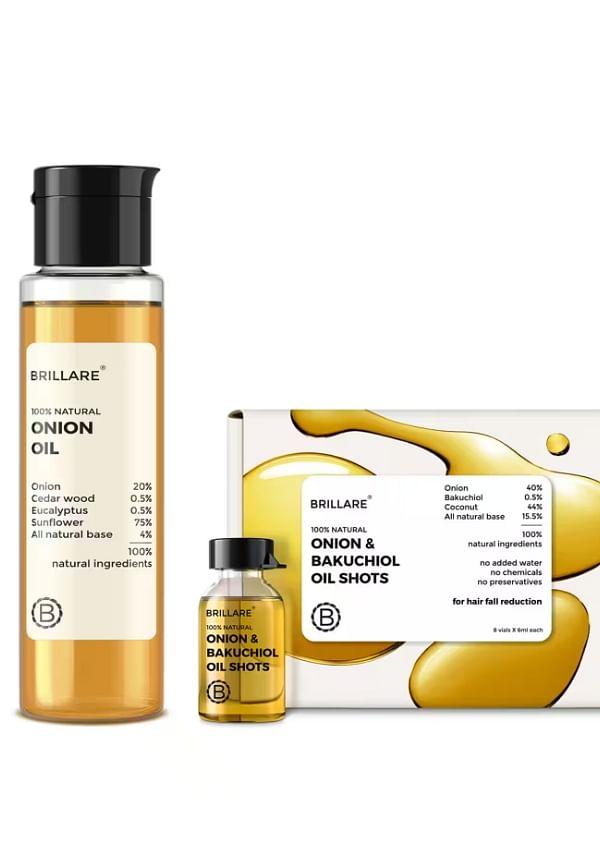
Hair & Scalp Treatment Duo for Dry, Frizzy & Hair Fall-Prone Hair
Creating an effective monsoon hair care routine requires the right products and techniques tailored to combat rain damage. Start with shampoo selection – during rainy season, opt for gentle, sulfate-free formulas that won't strip your hair of essential oils. Look for shampoos with strengthening ingredients like biotin, keratin, or amino acids that can help fortify your hair against environmental damage.
Conditioner application becomes even more critical during monsoon season. Focus on the mid-lengths and ends of your hair, where damage is most likely to occur. Leave the conditioner on for at least 2-3 minutes to allow proper penetration, and consider using a deeper conditioning treatment once a week as part of your routine.
Weekly treatment schedules should include a rotation of different hair masks – moisture masks, protein treatments, and strengthening treatments. This ensures your hair gets comprehensive care without overloading it with any single type of treatment. Keep a hair diary to track which treatments work best for your specific hair type and damage level.
Hydration maintenance is crucial throughout the week. Use leave-in conditioners or hair oils on damp hair to lock in moisture and create a protective barrier. Product layering can maximise protection – start with a leave-in treatment, add a heat protectant if you're using styling tools, and finish with a light oil or serum for extra shine and protection.
Pure rainwater can actually be beneficial for hair due to its soft nature and lack of harsh chemicals found in tap water. However, urban rainwater often contains pollutants, dust, and acidic compounds that can damage hair and potentially inhibit healthy growth. The key is understanding your environment – rain in rural, unpolluted areas might be gentler on hair than rain in busy cities.
Focus on gentle handling, deep conditioning treatments, and protective styling to repair and prevent further damage. Start with immediate damage control by gently blotting wet hair and using wide-tooth combs for detangling. Follow up with regular deep conditioning masks, protein treatments when needed, and always use leave-in treatments to maintain moisture and strength.
Choose sulfate-free, moisturising shampoos with strengthening ingredients like keratin, biotin, or amino acids. Avoid harsh cleansing agents that can further strip damaged hair. Look for shampoos specifically formulated for damaged or chemically-treated hair, as these tend to be gentler and more nourishing.
Some increase in hair fall during monsoon season is normal due to increased humidity, frequent washing, and environmental stress. However, excessive breakage or sudden dramatic increases in hair loss may indicate damage that requires targeted treatment. Monitor your hair fall patterns and seek professional advice if you notice significant changes.
Use wide-tooth combs instead of brushes, avoid aggressive towelling, apply leave-in treatments for slip and protection, and minimise heat styling on wet hair. Always detangle from ends to roots, and consider using detangling sprays or conditioners to make the process easier and less damaging.
While humidity itself doesn't cause permanent damage, the repeated swelling and contracting of hair in humid conditions can weaken the hair structure over time. This can lead to increased porosity, frizz, and breakage. Consistent protective care can help minimise these effects and maintain hair health.
Gently squeeze out excess water with a microfibre towel or cotton t-shirt, apply a leave-in treatment, and allow hair to air dry when possible. If you must use heat, use the lowest setting with a heat protectant. Avoid rubbing or aggressive towelling, which can cause cuticle damage and breakage.
Rain doesn't have to be the enemy of great hair days. Understanding why rain causes breakage – from hair shaft swelling to pollutant exposure – helps you take the right preventive measures. The key is being proactive with protection and reactive with proper care when your hair does get wet.
Remember that damaged hair needs time and consistent care to recover. Focus on gentle handling, regular deep conditioning, and protective styling during monsoon season. Your hair care routine might need some adjustments during rainy months, but with the right approach, you can maintain healthy, strong hair year-round.
If you're looking to experiment with different hair treatments and products to find what works best for your rain-damaged hair, Smytten offers trial-size versions of many strengthening shampoos, deep conditioning masks, and leave-in treatments. This way, you can test different formulations and find your perfect monsoon hair care routine without committing to full-size products right away.
