Hair Bonding Treatment FAQ: Your Questions Answered

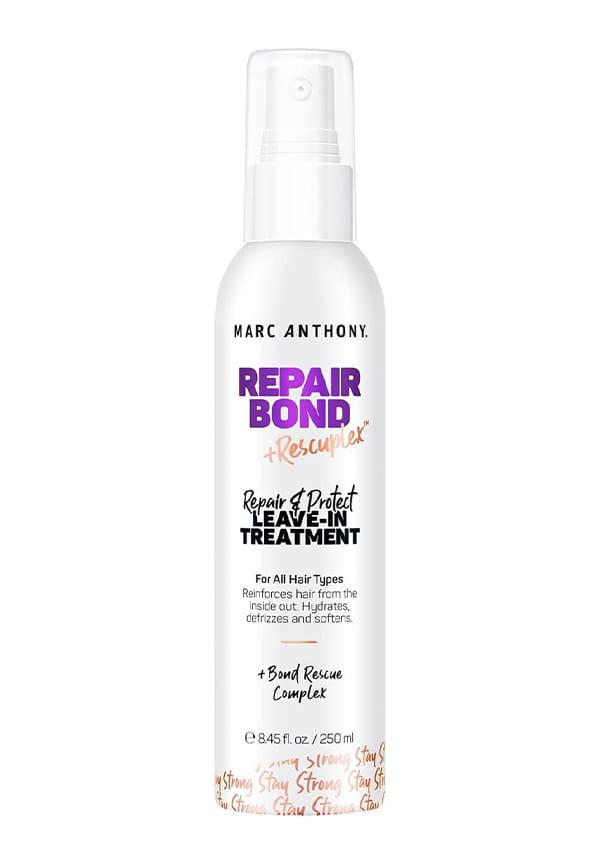
Repair Bond +Rescueplex Repair & Protect Leave-In Treatment
Ever wondered if your damaged hair can actually be saved? Hair bonding treatments have become the talk of the beauty world, promising to repair everything from bleach damage to heat styling mishaps. But with so many products claiming miraculous results, it's natural to have questions. Whether you're dealing with brittle strands from years of colouring or just curious about what these treatments can actually do, we've got the answers you need. Let's dive into everything you want to know about hair bonding treatments, from how they work to whether they're worth your time and money. And if you're keen to try before you buy, platforms like Smytten make it easier to test these treatments without committing to full-size products first.
TL;DR
Hair bonding treatments repair damaged protein bonds in your hair cortex, reversing damage from bleach, heat, and chemicals
They work differently from regular conditioners by penetrating deep into the hair structure rather than just coating the surface
Results typically last 4-8 weeks and can significantly improve hair strength, shine, and manageability
Both professional salon treatments and at-home options are available, with varying price points and effectiveness
Side effects are minimal but proper application and frequency are crucial for best results
Hair bonding treatments are intensive repair systems that target the actual protein structure of your hair. Unlike regular conditioners that sit on the surface, these treatments penetrate deep into the hair cortex to rebuild broken disulfide, ionic, and hydrogen bonds. Think of it like fixing the foundation of a house rather than just painting the walls.
The hair bonding process works by using small molecules that can slip through the hair cuticle and reach the damaged areas inside each strand. Once there, they essentially act like molecular glue, reconnecting broken protein chains and restoring your hair's natural strength and elasticity. This is why hair bonding treatments can reverse damage that seems permanent, like the brittleness from bleaching or the weakness from excessive heat styling.
The benefits of hair bonding treatments go far beyond what you'd expect from typical hair masks or deep conditioners. These treatments can genuinely transform severely damaged hair by addressing the root cause of the problem rather than just masking it.
Hair bonding for damaged hair works particularly well because it restores the hair's natural ability to retain moisture and maintain its shape. You'll notice reduced split ends, less frizz, and hair that actually feels stronger when you touch it. The shine improvement is often dramatic because healthy protein bonds reflect light better than damaged ones.
Perhaps most importantly, these treatments provide long-term protection. Once your hair bonds are repaired, your strands become more resilient to future damage from styling, environmental factors, and chemical processes. It's like giving your hair a protective shield that keeps working even after the treatment wears off.
The world of hair bonding products can feel overwhelming, but they generally fall into two main categories: professional salon treatments and at-home options. Understanding the difference helps you choose what's right for your hair and budget.
Professional treatments typically use higher concentrations of active ingredients and often involve multiple steps. Salon-grade formulations can penetrate deeper and work faster, but they also come with a higher price tag. At-home treatments are more convenient and budget-friendly, though they may require more frequent use to maintain results.
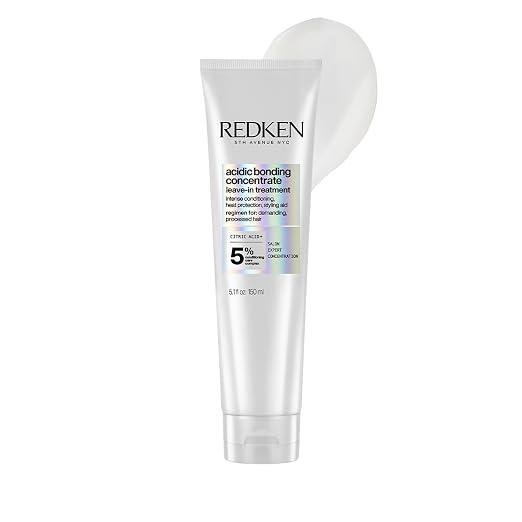
The market offers everything from pre-shampoo intensive treatments to daily leave-in conditioners with bond-building complexes. Olaplex revolutionised the category with their bond-building system, while brands like K18 focus on molecular repair masks. For those looking to try different formulations, the Redken Acidic Bonding Concentrate Leave-In Conditioner 150ml offers an excellent introduction to professional-grade bond repair technology, combining pH-balancing acids with strengthening proteins to rebuild damaged hair bonds while providing daily protection against future damage.
Keratin hair bonding products work slightly differently, focusing on smoothing and strengthening the hair's outer layer while also addressing internal damage. These are particularly effective for frizzy or chemically processed hair.
Doing hair bonding at home doesn't have to be complicated, but proper technique makes all the difference in your results. The key is understanding that these aren't your typical hair masks – they need time and the right conditions to work effectively.
Start by assessing your hair's current condition. Look for signs of damage like brittleness, excessive tangling, or dullness. This helps you choose the right product strength and determine how often you'll need treatments.
For most at-home treatments, apply the product to damp hair, focusing on the mid-lengths and ends where damage is typically worst. Follow the timing instructions precisely – leaving it on too long won't give better results and might actually cause protein overload. After rinsing, use a gentle shampoo and conditioner to remove any residue.
The biggest mistake people make is using these treatments too frequently. Most hair bonding products should only be used once a week or even less often, depending on your hair's condition and the product's strength.
Understanding how hair bonding compares to other popular treatments helps you make the best choice for your specific hair needs. Each treatment type addresses different concerns and works through different mechanisms.
While both improve hair condition, they work differently. Hair bonding vs straightening treatments like keratin focus on different goals – bonding repairs internal damage while keratin primarily smooths and reduces frizz. Keratin treatments coat the hair shaft and can last 3-6 months, while bond repair typically lasts 4-8 weeks but provides deeper structural repair.
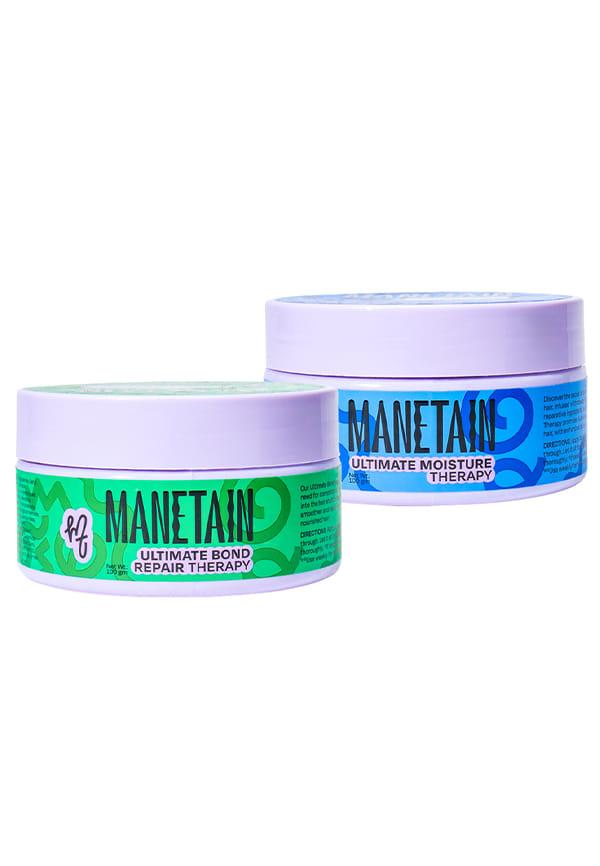
Ultimate Bond Repair & Moisture Therapy For Hair
Regular deep conditioners work on the hair's surface, providing temporary moisture and smoothness. Bond repair treatments penetrate much deeper, actually rebuilding the hair's internal structure. This is why bonding treatments can reverse damage that deep conditioners can only temporarily mask.
Hair bonding cost varies significantly depending on whether you choose professional or at-home treatments. Salon treatments typically range from ₹3,000 to ₹8,000 per session, while at-home products cost between ₹500 to ₹2,500 per treatment.
Hair bonding results become visible after the first treatment, but the full benefits develop over 2-3 uses. You'll notice improved manageability first, followed by increased shine and reduced breakage. The most dramatic improvements usually appear after 4-6 weeks of consistent use.
The effects typically last 4-8 weeks, depending on your hair's condition, lifestyle factors, and how well you maintain your hair between treatments. Hair that's severely damaged may need more frequent treatments initially, while healthier hair can maintain results longer.
Hair bonding side effects are generally minimal when products are used correctly, but it's important to understand potential risks. The most common issue is protein overload, which can make hair feel stiff or brittle if treatments are used too frequently.
Always do a patch test before trying a new product, especially if you have sensitive skin or scalp conditions. Some people may experience mild scalp irritation, particularly with stronger formulations. If you notice any unusual reactions, discontinue use and consult a professional.
Overuse is the biggest concern with these treatments. More isn't always better – using bond repair products too often can actually weaken your hair by creating an imbalance of protein and moisture. Follow product instructions carefully and pay attention to how your hair responds.
Hair bonding treatments typically last 4-8 weeks, depending on your hair's condition, the product used, and your hair care routine. Factors like frequent washing, heat styling, and chemical processes can reduce longevity. To extend results, use sulphate-free shampoos, minimise heat styling, and apply weekly protein treatments as maintenance.
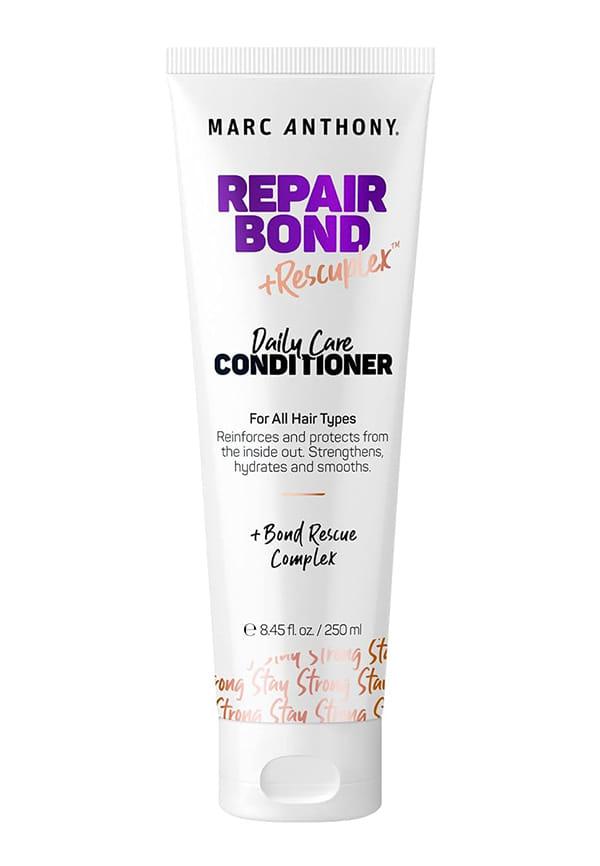
Repair Bond +Rescueplex Daily Care Conditioner
For severely damaged hair, professional salon treatments often provide the most dramatic results initially. Look for products containing proven bond-building ingredients like bis-aminopropyl diglycol dimaleate or molecular repair complexes. Start with intensive treatments and gradually move to maintenance products as your hair improves.
Yes, hair bonding treatments are actually ideal for chemically processed hair since chemical treatments often cause the most bond damage. However, wait at least 48 hours after colouring before using bond repair products. Some treatments can even help preserve colour by strengthening the hair structure that holds pigment.
Most hair bonding treatments should be used once a week or less frequently. Severely damaged hair might benefit from twice-weekly treatments initially, but reduce frequency as hair improves. Signs you need treatment include increased tangling, dullness, or breakage. If hair feels stiff or overly strong, reduce frequency.
For damaged hair, bonding treatments often provide better value than frequent salon visits or constantly replacing damaged hair products. The cost per treatment decreases significantly when you consider the long-term benefits of stronger, healthier hair that requires less maintenance and styling products.
Yes, but timing matters. Use bonding treatments on clean hair before other styling products. Avoid using multiple protein treatments simultaneously, as this can cause protein overload. Balance bond repair with moisturising treatments to maintain optimal hair health. When exploring different products, Smytten's trial packs let you test various combinations safely.
Hair bonding treatments offer genuine repair for damaged hair by rebuilding broken protein bonds rather than just masking problems. They work best when used correctly – not too frequently, and with proper application technique. While professional treatments provide faster results, at-home options can be equally effective with consistent use.
The key to success is choosing the right product for your hair's damage level and maintaining realistic expectations about timing. Results improve over several weeks, and the treatments work best as part of a comprehensive hair care routine that includes gentle cleansing and adequate moisture.
Remember that prevention is always better than repair. Once your hair bonds are restored, protecting them with heat protectants, gentle handling, and regular maintenance treatments will help you maintain healthy hair long-term.
Hair bonding treatments have revolutionised how we approach damaged hair repair, offering real solutions for problems that once seemed permanent. Whether you're dealing with bleach damage, heat styling effects, or general wear and tear, these treatments can genuinely transform your hair's health and appearance. The key is finding the right products for your specific needs and using them correctly. Smytten is India's largest product discovery and trial platform, connecting consumers with top lifestyle, beauty, wellness, and grooming brands through curated trial packs from over 2,400 trusted brands. With trial points starting at just ₹279 for up to 10 minis and 100% cashback on trials redeemable for future purchases, you can explore different hair bonding treatments risk-free before committing to full-size products. After all, why settle for 'maybe' when you can #TryItAll and find the perfect solution for your hair's unique needs!
