Guide to Saw Palmetto for Hair: Your Questions Answered

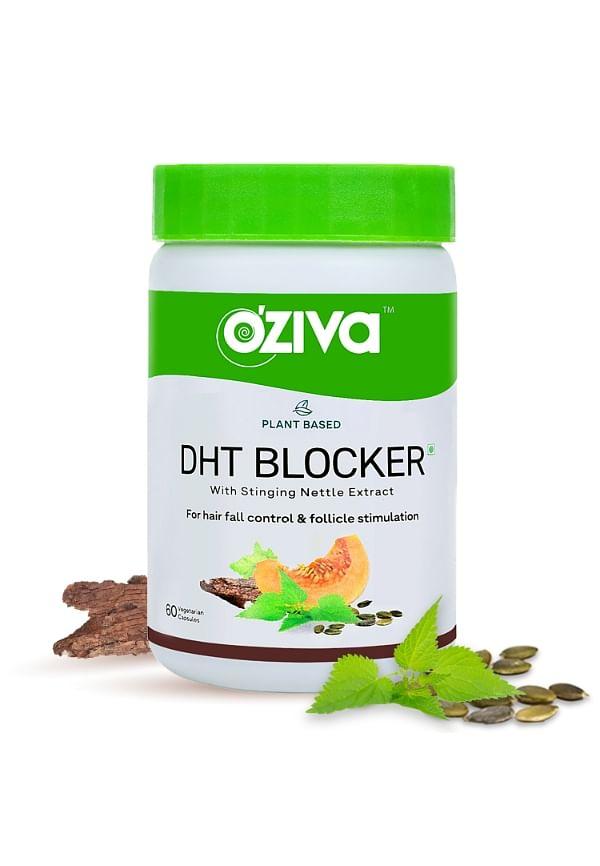
Plant Based DHT Blocker for Hairfall Control & Follicle Stimulation
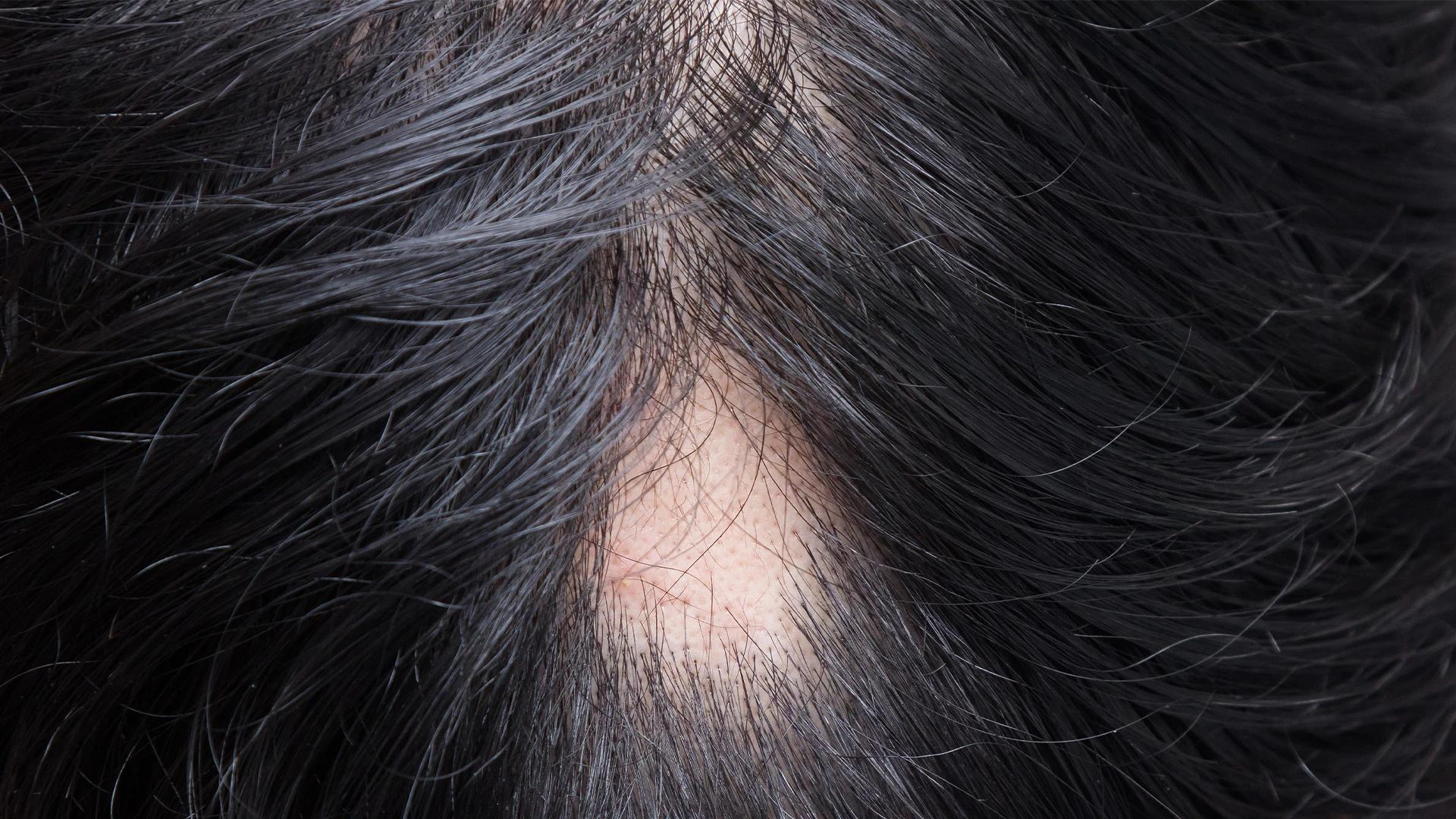
Ever found yourself staring at your hairline in the mirror, wondering if that's more scalp showing through than usual? You're definitely not alone. Hair thinning affects millions of people, and whilst there are loads of treatments out there, many come with side effects that make you think twice. That's where saw palmetto enters the chat—a natural option that's been gaining serious attention for its potential to tackle hair loss at the root (literally). But does it actually work, or is it just another wellness trend? Let's dive into everything you need to know about this botanical powerhouse and whether it might be worth adding to your haircare routine.
Saw palmetto is a small palm tree native to the southeastern United States, and its berries have been used in traditional medicine for centuries. The extract from these berries contains a powerful mix of fatty acids, plant sterols, and flavonoids that work together to potentially slow down hair loss. But here's where it gets interesting—saw palmetto's claim to fame in the hair world comes from its ability to act as a natural DHT blocker.
DHT, or dihydrotestosterone, is basically the villain in most hair loss stories. Your body converts testosterone into DHT using an enzyme called 5-alpha reductase, and this hormone loves to shrink hair follicles, making them produce thinner, weaker strands until they eventually stop producing hair altogether. This process is what causes androgenetic alopecia—the fancy term for pattern baldness that affects both men and women.
Saw palmetto works by inhibiting that troublesome 5-alpha reductase enzyme, potentially reducing DHT levels around your hair follicles. Think of it as putting up a protective barrier that helps keep your follicles healthy and functioning. Several clinical studies have shown promising results, with participants experiencing improved hair density and reduced hair loss after consistent use. Whilst it might not be as potent as prescription medications like finasteride, it offers a gentler approach with fewer reported side effects.
The beauty of natural hair loss treatments like saw palmetto is that they work with your body's systems rather than dramatically altering them. Research suggests that saw palmetto can be particularly effective when used as part of a comprehensive approach to hair health, rather than expecting it to single-handedly reverse years of hair loss overnight.
Let's be real about what saw palmetto can actually do for your hair. The primary benefit lies in its ability to slow down hair loss by blocking DHT, but that's just the beginning. The fatty acids and plant compounds in saw palmetto also help improve the overall quality of your hair strands, making them stronger and less prone to breakage.
One of the most significant advantages is its potential to help with thinning hair. If you've noticed your ponytail feeling a bit less substantial lately, saw palmetto might help preserve the hair you still have whilst encouraging your follicles to produce healthier strands. The anti-inflammatory properties of the extract can also soothe scalp irritation, creating a better environment for hair growth.
However, it's crucial to set realistic expectations. Saw palmetto is more of a maintenance and prevention tool rather than a miracle regrowth solution. If you're dealing with early-stage hair thinning or want to prevent further loss, it could be incredibly valuable. But if you're hoping to regrow hair in areas that have been completely bald for years, you might need to combine it with other treatments or manage your expectations accordingly.
The timeline for seeing results is also something to consider. Most people start noticing changes around the 3-4 month mark, with more significant improvements becoming apparent after 6-12 months of consistent use. This isn't an overnight fix—it's a long-term commitment to supporting your hair health naturally.
Saw palmetto comes in several different forms, each with its own advantages depending on your preferences and lifestyle. Understanding your options can help you choose the most effective approach for your specific needs.
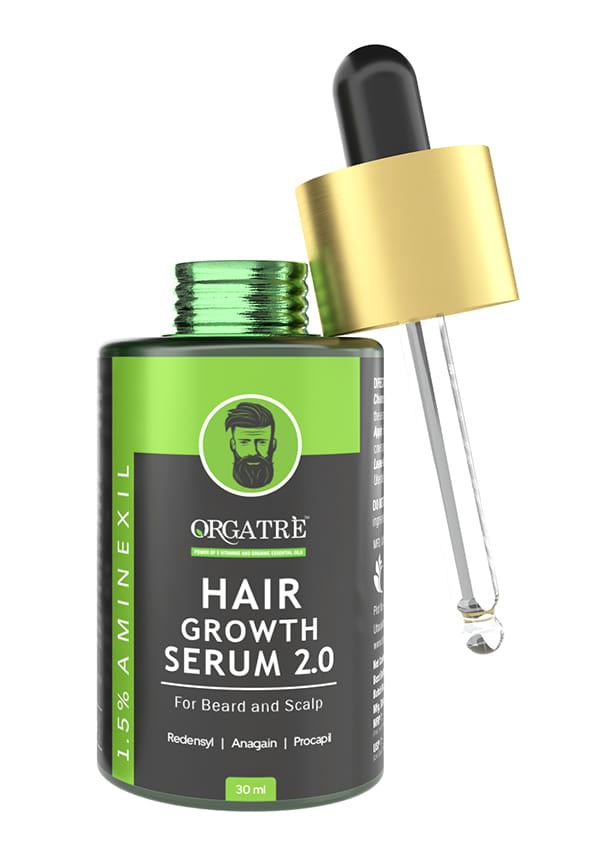
Hair Growth Serum 2.0 For Beard & Scalp Reduces Hairfall & Hair Thinning, Contains 1.5% Aminexil, Redensyl, Anagain & Procapil
The most common and well-researched form is oral supplements, typically available as standardised extract capsules or tablets. These usually contain between 85-95% fatty acids and sterols, which are the active compounds you're after. Liquid tinctures are another option that some people prefer because they're absorbed more quickly, though they can have a rather distinctive taste that takes some getting used to.
Saw palmetto hair growth oils and serums allow you to target your scalp directly, which can be particularly useful if you want to focus on specific areas of thinning. Many specialised shampoos now include saw palmetto extract as a key ingredient, making it easy to incorporate into your existing routine. You can even find DIY recipes online, though it's worth being cautious about preparation and storage to ensure safety and effectiveness.
Many hair experts suggest combining oral and topical applications for maximum effectiveness. This dual approach allows you to address DHT production from the inside whilst directly nourishing your scalp and follicles. Some people also pair saw palmetto with other hair-supporting nutrients like biotin, zinc, or iron for a more comprehensive approach to hair health.
Getting the dosage right is crucial for seeing results with saw palmetto. Most studies showing positive effects on hair loss have used doses ranging from 100-320mg daily of standardised extract. However, the optimal amount can vary based on several factors including your age, the severity of your hair loss, and your body weight.
For most adults, starting with 160mg daily is a good middle ground. Men dealing with male pattern baldness might benefit from doses on the higher end of the range, whilst women often see results with slightly lower amounts. It's always wise to start with a lower dose and gradually increase if needed, giving your body time to adjust.
Timing can make a difference in how well your body absorbs and utilises saw palmetto. Taking it with food, particularly meals containing some healthy fats, can improve absorption. Consistency is absolutely key—taking it sporadically won't give you the steady DHT-blocking effect you're looking for. Most people find it easiest to take their daily dose at the same time each day, whether that's with breakfast or dinner.
Daily use of saw palmetto is generally considered safe for most people, and it's actually necessary for maintaining its benefits. However, some individuals might experience mild digestive upset when first starting, which usually resolves within a few days. It's worth noting that saw palmetto can interact with certain medications, particularly blood thinners and hormonal treatments, so consulting with a healthcare provider before starting is always a smart move.

Hair Vitamins (DHT Blocker & Omega 3), Vegetarian Tablets for Hair Fall Control
Whilst both men and women can benefit from saw palmetto for hair loss, there are some important differences in how it works and what to expect based on gender-specific patterns of hair loss.
Men typically experience hair loss due to high DHT sensitivity, making saw palmetto's DHT-blocking properties particularly relevant. Studies focusing on men with androgenetic alopecia have shown promising results, with many participants experiencing slowed hair loss and some degree of regrowth. Whilst it might not be as potent as prescription medications like finasteride, it offers a natural alternative with fewer reported side effects like sexual dysfunction.
Women's hair loss often involves more complex hormonal factors, including PCOS, menopause, or postpartum changes. Saw palmetto can be helpful for women dealing with androgenetic alopecia, but the approach needs to be more carefully considered. Women who are pregnant, nursing, or trying to conceive should avoid saw palmetto due to its hormonal effects. Additionally, women taking birth control or hormone replacement therapy should consult their healthcare provider before starting supplementation.
The research on saw palmetto for hair loss is genuinely encouraging, though it's important to understand both the strengths and limitations of current studies. A notable clinical trial published in the Journal of Alternative and Complementary Medicine found that men taking 400mg of saw palmetto daily for 24 weeks experienced a 38% increase in hair count compared to the placebo group.
Another study focusing on topical application showed that a lotion containing saw palmetto extract led to increased hair density in 35% of participants after 24 weeks of use. These results are particularly impressive because they demonstrate that saw palmetto can work both internally and externally to support hair health.
However, it's worth noting that most studies have been relatively small and short-term. The research is promising enough to suggest that saw palmetto is worth trying, especially for people in the early stages of hair loss or those looking for a natural approach to prevention. Success rates tend to be highest among people who start treatment early and maintain consistent use over time.
Real-world success stories often emphasise the importance of patience and realistic expectations. Many people report that whilst they didn't experience dramatic regrowth, they noticed their hair loss slowing down significantly and their existing hair becoming thicker and stronger. For many, this maintenance and improvement in hair quality is exactly what they were hoping for.
The most effective approach typically combines oral supplements (160-320mg daily) with topical applications when possible. Taking supplements with food improves absorption, and consistency is crucial—you need to use it daily for at least 6 months to see optimal results. Many people find success with a morning routine that includes their supplement with breakfast.
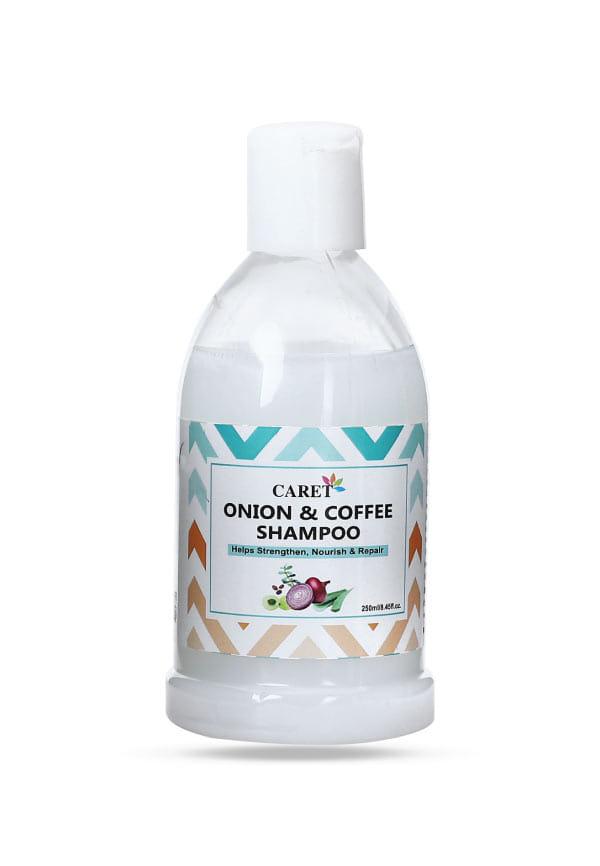
Onion Shampoo With Caffeine For Hair Growth & Hair Fall Control -Cruelty & Paraben Free
Initial results may become noticeable around 3-4 months of consistent use, but significant improvements typically require 6-12 months. This timeline reflects the natural hair growth cycle—your follicles need time to respond to reduced DHT levels and produce healthier strands. Patience is absolutely essential with natural treatments like this.
Clinical studies show that saw palmetto can slow hair loss and improve hair density, but it's more effective for prevention and maintenance than dramatic regrowth. If you're dealing with early-stage thinning, you're more likely to see positive results than if you're trying to regrow hair in areas that have been completely bald for years.
Daily use is generally safe for most people and actually necessary for maintaining the DHT-blocking benefits. Some individuals might experience mild digestive upset initially, but this usually resolves within a few days. Long-term daily use has been studied and appears to be well-tolerated by most people.
Yes, women can use saw palmetto for hair loss, but there are important considerations. Women who are pregnant, nursing, or trying to conceive should avoid it due to its hormonal effects. Those taking birth control or hormone replacement therapy should consult their healthcare provider first, as saw palmetto can potentially interact with these medications.
Saw palmetto specifically targets DHT production, which makes it unique among natural treatments. Other options like biotin focus on hair strength and growth factors, whilst treatments like rosemary oil work through different mechanisms like improving circulation. Many people find that combining saw palmetto with other natural approaches creates a more comprehensive hair health strategy.
Most people tolerate saw palmetto well, but some may experience mild digestive upset, headaches, or dizziness when first starting. These effects usually subside as your body adjusts. More serious concerns include potential interactions with blood-thinning medications and hormonal treatments, which is why consulting a healthcare provider before starting is recommended.
Saw palmetto shampoos can be a helpful addition to your routine, but they're generally not as potent as oral supplements. The contact time with your scalp is limited, and the concentration of active compounds is typically lower. For best results, many experts recommend using topical products alongside oral supplementation rather than as a replacement.
Saw palmetto represents a promising natural approach to managing hair loss, particularly for those dealing with early-stage thinning or looking to prevent further loss. Its ability to block DHT production makes it a valuable tool in the fight against androgenetic alopecia, and the research supporting its use continues to grow.
The key to success with saw palmetto lies in setting realistic expectations and maintaining consistency. This isn't a quick fix—it's a long-term commitment to supporting your hair health naturally. Most people see the best results when they combine oral supplementation with topical applications and give the treatment at least 6-12 months to work.
If you're curious about exploring natural hair loss treatments, Smytten's curated selection includes various haircare products that complement a holistic approach to hair health. From nourishing shampoos to scalp treatments, you can discover what works best for your specific needs. Not sure which products might suit your hair type? Smytten also offers trial-size versions of many haircare essentials—a smart way to test different approaches before committing to full-size products.
