Guide to Natural Hair Dye for Men: Your Questions Answered

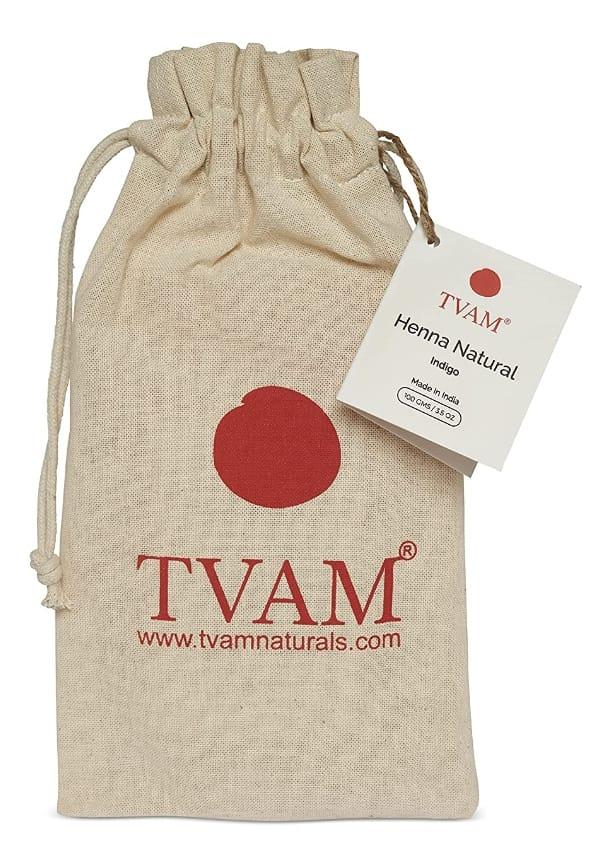
Henna Natural - Indigo
Let's be real—finding the right hair colour as a man can feel like navigating a minefield. You want something that looks natural, won't damage your hair, and definitely won't leave you looking like you've dunked your head in a paint bucket. If you've been curious about natural hair dye but aren't sure where to start, you're not alone. More men are ditching chemical-heavy formulas for gentler, plant-based alternatives that actually work with their hair instead of against it.
The shift towards men's natural hair color isn't just a trend—it's a response to real concerns about what we're putting on our scalps. Traditional hair dyes are packed with chemicals like ammonia, PPD (paraphenylenediamine), and parabens that can cause everything from scalp irritation to more serious allergic reactions. If you've ever experienced burning, itching, or redness after colouring your hair, these culprits are likely to blame.
Chemical-free hair dye men are choosing offers a gentler approach that works with your hair's natural structure. Instead of forcing colour in with harsh chemicals, natural ingredients gradually deposit pigment whilst nourishing your hair and scalp. This means less damage, fewer allergic reactions, and healthier hair overall. Plus, you're doing your bit for the environment by avoiding synthetic chemicals that end up in waterways.
The long-term benefits are worth considering too. Regular use of chemical dyes can lead to hair thinning, scalp sensitivity, and even permanent damage to your hair follicles. Natural alternatives might take a bit more patience, but they're building up your hair health rather than breaking it down.
When it comes to organic hair dye for men, you've got more choices than you might think. Each natural ingredient brings its own colour profile and benefits, so finding your perfect match is all about understanding what works with your hair type and desired result.
Henna is probably the most well-known plant-based hair color men reach for, and for good reason. This ancient ingredient creates beautiful reddish-brown tones whilst strengthening your hair shaft. Pure henna gives you that classic auburn look, but you can mix it with other ingredients to create different shades.
If you're after darker shades, indigo is your friend. When combined with henna, it creates rich browns and even black tones. The two-step process (henna first, then indigo) might seem fiddly, but the results are worth it for natural-looking dark hair.
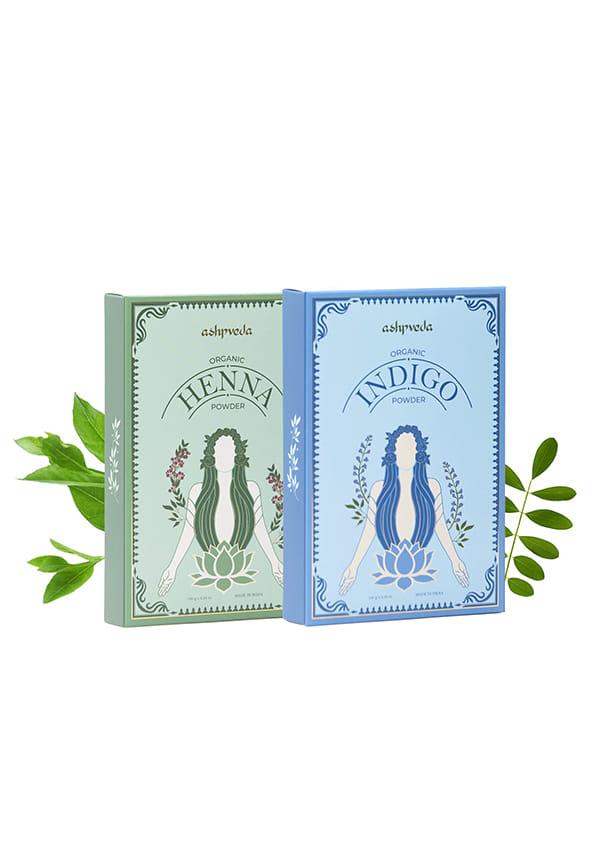
Organic Hair Color Henna & Indigo Powder Combo | 100% Organic Plant-Based, Sun Dried, Triple Refined | Natural Grey Hair Coverage | Premium Hair Colo
For subtle enhancement rather than dramatic change, coffee and black tea work brilliantly. They're perfect for gradually darkening grey hairs or adding depth to brown hair. The best part? You probably already have these in your kitchen.
Walnut hulls create gorgeous rich brown tones, whilst sage and rosemary work as natural darkening agents. These herbal hair color men options are particularly good for maintaining your natural colour whilst covering the odd grey hair.
Choosing the right men's hair color options natural for your skin tone makes all the difference between looking polished and looking like you've made a mistake. The key is understanding your undertones—are you warm (golden, peachy) or cool (pink, blue)?
If you've got warm undertones, henna-based colours will complement you beautifully. The reddish tones in henna work with golden skin tones to create a natural, sun-kissed look. For cooler undertones, indigo-based mixtures or coffee treatments will give you the depth you need without clashing with your natural colouring.
Grey coverage with natural ingredients requires a bit more strategy than chemical dyes. The best natural hair dye men use for grey coverage is typically a henna-indigo combination, applied in stages for even colour distribution. Remember, natural dyes work gradually, so you might need a few applications to get full coverage.
Dyeing men's hair naturally at home isn't rocket science, but it does require a bit more prep than slapping on a chemical dye. Start with a patch test 48 hours before your planned application—mix a small amount of your chosen natural dye and apply it to a hidden area of skin to check for reactions.
Gather your tools: non-metallic mixing bowl, gloves, old towels, and a wide-tooth comb. Most natural dyes react with metal, so stick to plastic or glass for mixing. Prepare your hair by washing it with a clarifying shampoo to remove any product buildup that might interfere with colour absorption.
Mix your chosen ingredients according to package instructions or recipe guidelines. The consistency should be like thick yoghurt—not too runny that it drips everywhere, but not so thick that it's hard to spread. Apply section by section, starting from the roots and working your way down. Make sure every strand is coated evenly.
Processing times vary depending on your chosen safe hair dye for men option. Henna typically needs 2-4 hours, whilst coffee or tea treatments might only need 30-60 minutes. Cover your hair with a shower cap to prevent drying out, and resist the urge to peek too often—natural dyes need time to work their magic.
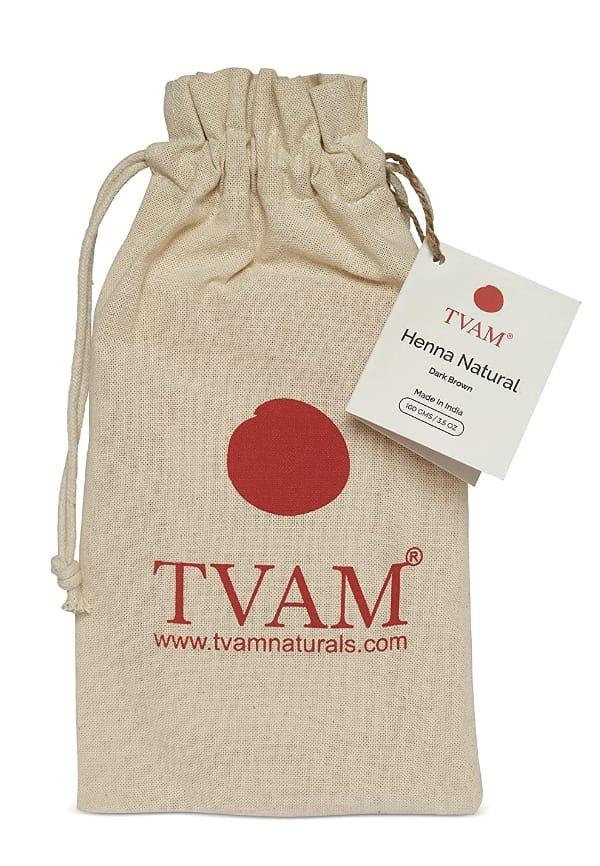
Henna Natural - Dark Brown
Just because something is natural doesn't automatically mean it's safe for everyone. Non-toxic hair dye for men is generally much gentler than chemical alternatives, but you still need to take precautions, especially if you have sensitive skin or existing scalp conditions.
Always do that patch test we mentioned—even natural ingredients can cause allergic reactions in some people. If you have conditions like eczema, psoriasis, or dermatitis, chat with your dermatologist before trying any new hair treatments. They can advise whether natural dyes are suitable for your specific situation.
Some medications can affect how your hair absorbs colour, and certain medical treatments might make your scalp more sensitive. If you're on any regular medications or undergoing medical treatment, it's worth checking with your healthcare provider first.
Natural hair dyes work differently from chemical ones, so your maintenance routine needs to adapt accordingly. Don't expect the same longevity you'd get from a chemical dye—natural colours typically fade more gradually and need touch-ups every 4-6 weeks.
Protect your colour by using sulphate-free shampoos and avoiding excessive heat styling. Natural colours are more vulnerable to fading from harsh cleansing agents and high temperatures. Cold water rinses will also help preserve your colour longer.
For touch-ups, you can often just apply the dye to your roots rather than doing a full head application. This saves time and reduces the risk of over-processing the lengths of your hair.
Henna is the most versatile and reliable option for most men, especially if you want good grey coverage and don't mind reddish undertones. For darker results without red tones, a henna-indigo combination works brilliantly. If you're just starting out or want subtle changes, coffee or black tea treatments are gentler options that give natural-looking results.
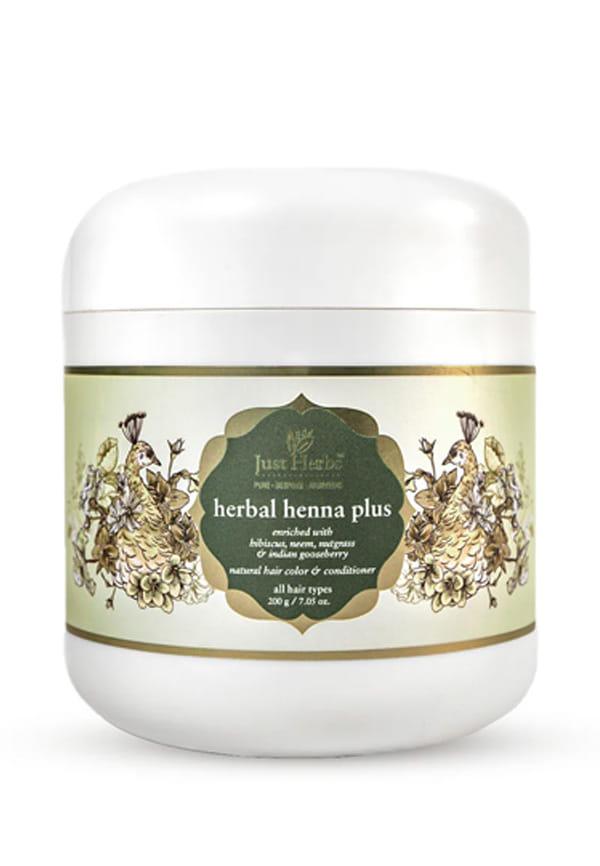
Herbal Henna Plus Hair Colour
Natural dyes are generally much gentler than chemical alternatives, but you should still consult your dermatologist first. Conditions like seborrheic dermatitis or contact dermatitis can make your scalp more reactive to any topical treatments. Your doctor can advise whether natural hair dyes are suitable for your specific condition and might recommend patch testing on a larger area first.
Hormone replacement therapy can change your hair texture and how it absorbs colour, including natural dyes. Your hair might become more porous or resistant to colour uptake. If you're on HRT, you might need to adjust processing times or try different natural ingredients to get the results you want. It's worth discussing this with both your healthcare provider and a hair professional familiar with natural dyes.
Lupus can make your skin and scalp more sensitive to various treatments, including hair dyes. Natural options are typically safer than chemical dyes, but you should definitely get clearance from your rheumatologist or dermatologist first. They'll know how your specific medications and disease activity might affect your reaction to hair treatments.
Most natural hair dyes need refreshing every 4-6 weeks, depending on how quickly your hair grows and how much the colour fades. Unlike chemical dyes that can be harsh with frequent use, natural dyes actually improve your hair condition with regular application, so you don't need to worry about over-processing.
Natural dyes work differently from chemical ones—they blend with your existing colour rather than completely covering it. For full grey coverage, you'll typically need multiple applications or a two-step process with henna and indigo. The results look more natural but require more patience than chemical dyes.
You can use natural dyes on previously chemically treated hair, but the results might be unpredictable. Chemical processing changes your hair's porosity, which affects how natural dyes are absorbed. It's best to wait at least 2-3 weeks after chemical treatments before applying natural dyes, and always do a strand test first.
Making the switch to natural hair dye might require a bit more patience than grabbing a box dye from the supermarket, but the benefits for your hair health and overall wellbeing make it worth considering. Whether you're looking to cover grey, change your colour, or just want a gentler approach to hair colouring, natural options give you effective results without the harsh chemicals.
Remember, everyone's hair responds differently to natural treatments, so what works brilliantly for your mate might need tweaking for you. Start with patch tests, be patient with the process, and don't be afraid to experiment with different natural ingredients until you find your perfect match.
If you're curious about trying different natural hair care products before committing to full sizes, Smytten offers trial-size versions of many organic and natural hair care brands. It's a smart way to test how your hair responds to different formulations without the commitment of buying full-size products you might not love.
