Guide to Hair Growth Tonic for Men FAQ: Your Questions Answered


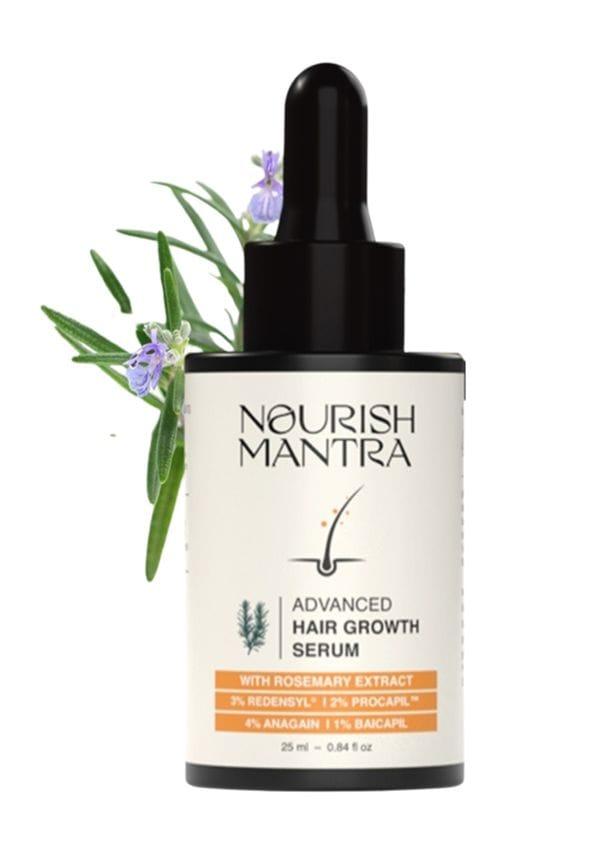
Advanced Hair Growth Serum With Rosemary Oil for Hair Regrowth and Stop Hairfall - 25 ml
Let's be real — watching your hairline slowly retreat or noticing more hair in the shower drain than on your head isn't exactly the confidence boost anyone's looking for. If you've been scrolling through endless product reviews, wondering whether hair growth tonics actually work or if they're just expensive water in fancy bottles, you're not alone. The world of hair regrowth products for men can feel overwhelming, especially when every brand promises miracle results. But here's the thing: the right hair growth tonic, used correctly and consistently, can genuinely make a difference. It's about understanding what works, what doesn't, and setting realistic expectations from the start.
Think of hair growth tonic as a targeted treatment that goes straight to your scalp — the foundation where healthy hair begins. Unlike regular shampoos or conditioners that you rinse off, a scalp tonic for men's hair stays put, delivering active ingredients directly to your hair follicles. These liquid formulations are designed to be lightweight and fast-absorbing, so you're not left with a greasy, uncomfortable feeling.
The science behind how these tonics work is pretty straightforward. Your hair follicles need proper blood circulation, nutrients, and a healthy environment to produce strong, thick hair. Hair growth serum for men typically contains ingredients that stimulate blood flow to the scalp, block DHT (the hormone responsible for male pattern baldness), or provide essential nutrients that follicles need to function properly. Some formulations also work by extending the growth phase of your hair cycle, giving each strand more time to grow longer and thicker before it naturally sheds.
Here's where it gets interesting — there's actually a difference between tonics, serums, and oils, though these terms often get used interchangeably. Tonics tend to be the most lightweight and water-based, making them ideal for daily use without weighing your hair down. Serums are usually slightly thicker and more concentrated, while oils are the heaviest option. For most guys dealing with hair loss, a tonic strikes the perfect balance between effectiveness and practicality.
Male pattern baldness and general hair thinning respond differently to treatment. If you're dealing with a receding hairline or crown thinning (classic male pattern baldness), you'll want to look for tonics that specifically target DHT production. For overall thinning or hair that's lost its thickness, formulations focusing on scalp health and follicle strengthening might be your best bet.
Not all hair growth ingredients are created equal, and understanding what actually works can save you time, money, and frustration. The best hair tonic for male hair loss typically contains a mix of clinically proven compounds and natural extracts that work together to address different aspects of hair loss.
Minoxidil remains the gold standard for a reason — it's one of the few ingredients with decades of research backing its effectiveness. Originally developed as a blood pressure medication, researchers discovered that minoxidil's ability to improve blood circulation also stimulated hair growth. It works by widening blood vessels in the scalp, delivering more oxygen and nutrients to your follicles. You'll find it in concentrations ranging from 2% to 5%, with higher percentages generally being more effective but also more likely to cause irritation.
Finasteride, while more commonly taken as an oral medication, is increasingly being included in topical formulations. This ingredient works by blocking the enzyme that converts testosterone to DHT, essentially cutting off the hormone that causes male pattern baldness at its source. Topical finasteride can be particularly appealing for guys who want the benefits without the potential systemic side effects of oral medication.
Peptides and growth factors represent the newer generation of hair loss treatments. These bioactive compounds can signal your follicles to enter the growth phase and stay there longer. Copper peptides, for instance, have shown promising results in clinical studies for both stimulating new growth and improving the thickness of existing hair.
On the natural side, rosemary oil has gained serious credibility in recent years. A 2015 study found it to be as effective as 2% minoxidil for promoting hair growth, but with fewer side effects. Capilia longa extract, derived from turmeric, has shown promise in reducing hair loss and improving hair density. These natural ingredients often work more gently than their synthetic counterparts, making them good options for guys with sensitive scalps.
Biotin and essential vitamins like B-complex, vitamin D, and iron address nutritional deficiencies that can contribute to hair loss. While these won't single-handedly regrow your hair, they create the optimal environment for healthy growth. DHT-blocking plant extracts like saw palmetto, pumpkin seed oil, and green tea extract offer a natural approach to tackling hormonal hair loss.
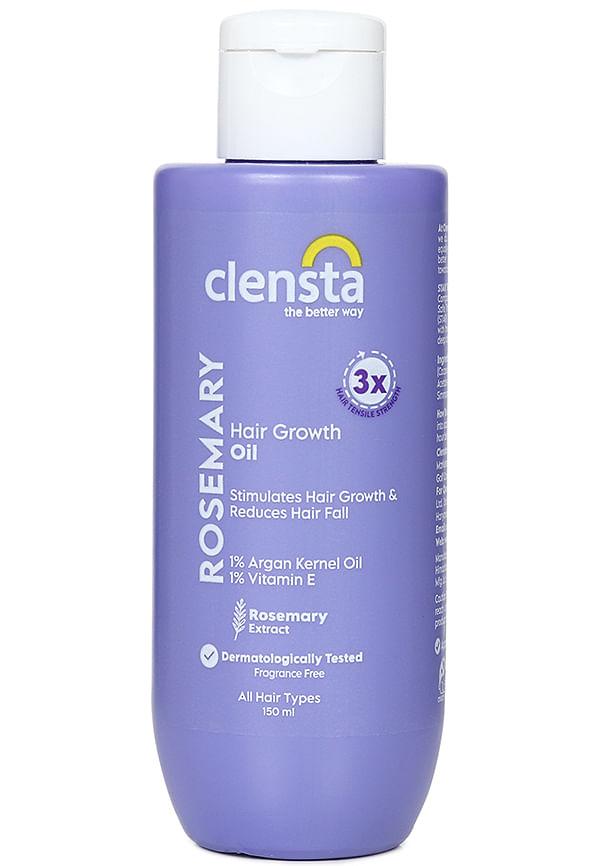
Rosemary Hair Growth Oil With Argan Oil & Vitamin E For Reducing Hair Fall, Strengthens Hair & Breakage
Choosing the right hair thickening tonic men can use effectively starts with an honest assessment of your current situation. Are you dealing with a slowly receding hairline, thinning at the crown, or overall loss of hair density? Each pattern responds better to different approaches, so identifying your specific type of hair loss is crucial.
If your hairline is your main concern, look for tonics with strong DHT-blocking ingredients like finasteride or saw palmetto. Crown thinning often responds well to circulation-boosting ingredients like minoxidil or rosemary oil. For overall thinning where you still have hair but it's lost its thickness, peptide-based formulations or multi-ingredient tonics that address scalp health might be more effective.
Your scalp's sensitivity level matters more than you might think. If you have sensitive skin or a history of reactions to skincare products, start with lower concentrations and natural ingredients. Guys with oily scalps can typically handle stronger formulations and might actually benefit from ingredients that help regulate sebum production. Those with dry or flaky scalps should look for tonics that include moisturising ingredients alongside the active compounds.
Consider whether you're dealing with active hair loss or trying to maintain what you have. If you're in the early stages of thinning, a preventative approach with gentler ingredients might be sufficient. More advanced hair loss typically requires stronger, clinically proven ingredients for any chance of regrowth.
The best hair growth tonic in the world won't help if you're not applying it correctly. Start with a clean, dry scalp — this isn't negotiable. Any buildup of oils, styling products, or dead skin cells creates a barrier that prevents the active ingredients from reaching your follicles.
Apply the tonic directly to your scalp, not your hair. Use the dropper or applicator to create small sections, working systematically across the affected areas. A gentle massage with your fingertips helps with absorption and provides the added benefit of increased blood circulation. Don't overdo it though — aggressive rubbing can actually damage fragile hair and irritate your scalp.
Timing matters too. Most tonics work best when applied to slightly damp hair, as the moisture helps with absorption. Evening application is often recommended because it gives the ingredients all night to work without interference from styling products or environmental factors.
The appeal of natural hair growth remedies men can make at home is obvious — they're typically gentler, more affordable, and you know exactly what's going into them. Essential oil blends using rosemary, peppermint, and cedarwood have shown genuine promise in studies. A simple DIY tonic might combine rosemary oil with a carrier oil like jojoba, adding a few drops of peppermint for its circulation-boosting properties.
Herbal infusions using ingredients like green tea, nettle, or horsetail can provide nutrients and antioxidants that support scalp health. Some guys swear by onion juice (yes, really) due to its high sulfur content, which is essential for keratin production. While the smell might be off-putting, there's actually research supporting its effectiveness for certain types of hair loss.
However, commercial hair vitality tonic men can purchase often has advantages that DIY options can't match. Standardised concentrations mean you know exactly how much active ingredient you're getting, and clinical testing provides evidence of both effectiveness and safety. Quality control in professional manufacturing also ensures consistency from batch to batch, something that's hard to achieve at home.
The choice between natural and commercial often comes down to your specific needs and preferences. If you're dealing with mild thinning and prefer a gentler approach, natural remedies might be worth trying first. More advanced hair loss typically requires the stronger, proven ingredients found in commercial formulations.
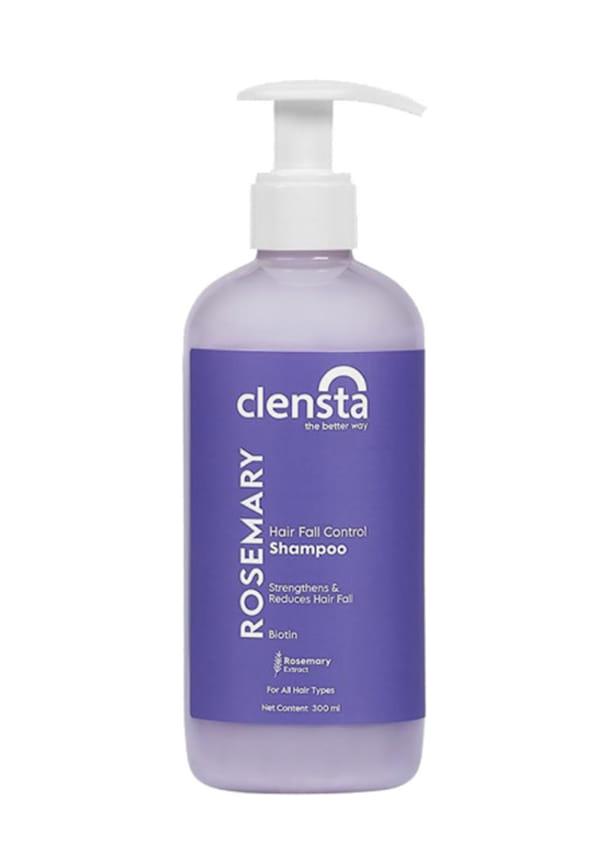
Rosemary Hair Fall Control Shampoo With Biotin For Reducing Hair Loss, Breakage & Daily Use
Let's address the elephant in the room — hair growth tonics aren't magic. If you're expecting to go from significantly bald to a full head of hair in a few weeks, you're setting yourself up for disappointment. Realistic expectations are crucial for sticking with a treatment long enough to see actual results.
Most guys start noticing changes around the 8-12 week mark, but this varies significantly based on the severity of hair loss, the specific ingredients used, and individual response rates. Early signs of improvement might include reduced hair shedding, improved hair texture, or new fine hairs appearing in thinning areas. Significant regrowth, if it happens, typically takes 4-6 months of consistent use.
Here's something important to understand — many effective hair loss treatments for men cause an initial increase in shedding. This happens because the treatment pushes weak, miniaturised hairs into the shedding phase to make room for stronger, healthier growth. It can be alarming, but it's actually a sign that the treatment is working.
Side effects are generally mild with topical treatments, but they can include scalp irritation, dryness, or in rare cases, unwanted hair growth in areas where the product accidentally spreads. Starting with lower concentrations and gradually increasing can help minimise these issues.
For guys serious about addressing hair loss, combining a strengthening hair tonic for men with other treatments can amplify results. Derma rolling or microneedling creates tiny channels in the scalp that can improve absorption of topical treatments. When done correctly, this combination can significantly boost the effectiveness of your chosen tonic.
Oral supplements that support hair health — like biotin, saw palmetto, or specialised hair growth vitamins — can work synergistically with topical treatments. The idea is to address hair loss from both the outside and inside, creating optimal conditions for regrowth.
Some tonics are specifically formulated as beard growth tonic men can use to improve facial hair density and coverage. These often contain similar ingredients to scalp treatments but in formulations designed for the different skin and hair characteristics of the face.
Professional treatments like PRP (platelet-rich plasma) therapy or low-level laser therapy can be combined with at-home tonic use for a comprehensive approach. While these require a bigger investment, they can provide results that topical treatments alone might not achieve.
The most effective hair growth tonics contain clinically proven ingredients like minoxidil, finasteride, or natural alternatives like rosemary oil. Look for products with at least 2-5% minoxidil for mild to moderate hair loss, or combination formulas that include peptides and DHT-blocking ingredients. Brands that provide clinical data and have positive reviews from users with similar hair loss patterns to yours are generally safer bets.
Most people notice initial changes like reduced shedding within 4-6 weeks, but visible regrowth typically takes 3-4 months of consistent daily use. Significant improvement in hair density and thickness usually requires 6-12 months. Remember that hair grows slowly — only about half an inch per month — so patience is essential for any hair loss treatment.
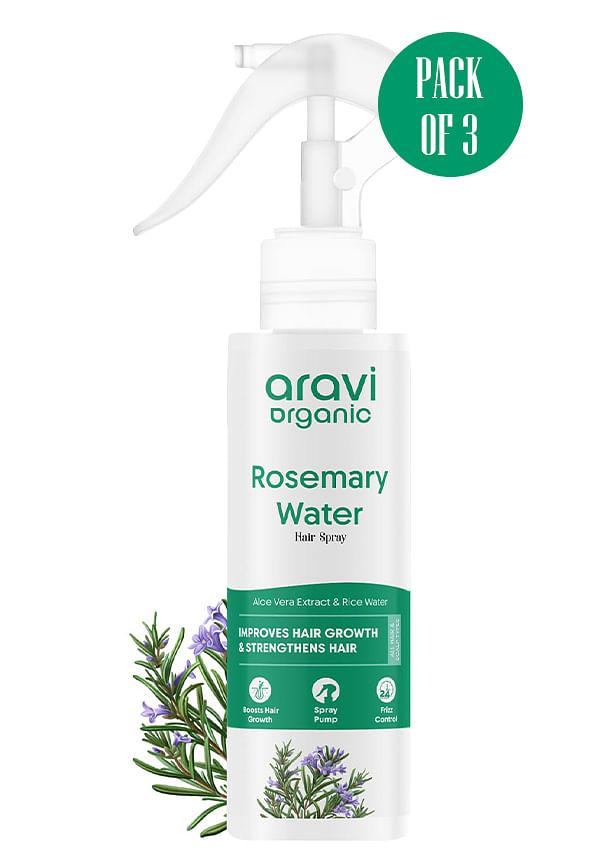
Rosemary Water Spray for Healthy Thicker Hair Growth & Natural Scalp Treatment Hair Spray
Hair growth tonics work best on areas with thinning hair rather than completely bald patches. If follicles are still present but producing weak, miniaturised hairs, tonics can potentially stimulate them back to normal function. However, areas that have been completely bald for years are unlikely to respond to topical treatments alone, as the follicles may be permanently damaged or dead.
Most hair growth tonics are safe for men over 18, though some ingredients like minoxidil have specific age recommendations on their packaging. Younger men experiencing hair loss should consult a dermatologist first, as early-onset hair loss can sometimes indicate underlying health issues. Older men can generally use these products safely, but may need to start with gentler formulations if they have sensitive skin.
Track your progress with monthly photos taken in the same lighting and from the same angles. Positive signs include reduced hair shedding during washing or brushing, improved hair texture and thickness, new fine hairs appearing in thinning areas, and existing hair looking fuller. Keep a simple log of what you notice each week — sometimes gradual changes are easier to spot when you write them down.
Yes, but timing and product selection matter. Apply your tonic to clean, dry scalp first, then wait at least 30 minutes before using styling products. Avoid products with harsh chemicals or alcohol that might interfere with absorption. Water-based styling products are generally fine, but heavy oils or pomades can create a barrier that reduces tonic effectiveness.
Stop using the product immediately and let your scalp recover for a few days. When you restart, try using it every other day instead of daily, or look for a formulation with lower concentrations of active ingredients. If irritation persists, switch to a gentler, natural-based formula or consult a dermatologist. Some initial tingling is normal, but persistent redness, burning, or flaking isn't.
Finding the right hair growth approach is rarely a one-size-fits-all situation. What works brilliantly for your mate might not be your kind of pick, and that's completely normal. The key is understanding your specific type of hair loss, choosing ingredients that target your particular concerns, and sticking with a routine long enough to see real results.
Remember that consistency beats perfection every time. It's better to use a moderately effective tonic every single day than to use the "perfect" product sporadically. Your hair follicles need steady, ongoing support to function at their best, not occasional bursts of intensive treatment.
Whether you go for a natural approach or choose clinically proven ingredients, the most important thing is setting realistic expectations and giving your chosen treatment enough time to work. Hair growth is a slow process, and sustainable results require patience and persistence.
If you're curious about trying different formulations before committing to full-size bottles, Smytten offers trial-size versions of many hair growth products from trusted brands. It's a practical way to test what works for your hair and scalp without the commitment of purchasing full-size products right away.
