Guide to Hair Density Booster for Men: Your Questions Answered
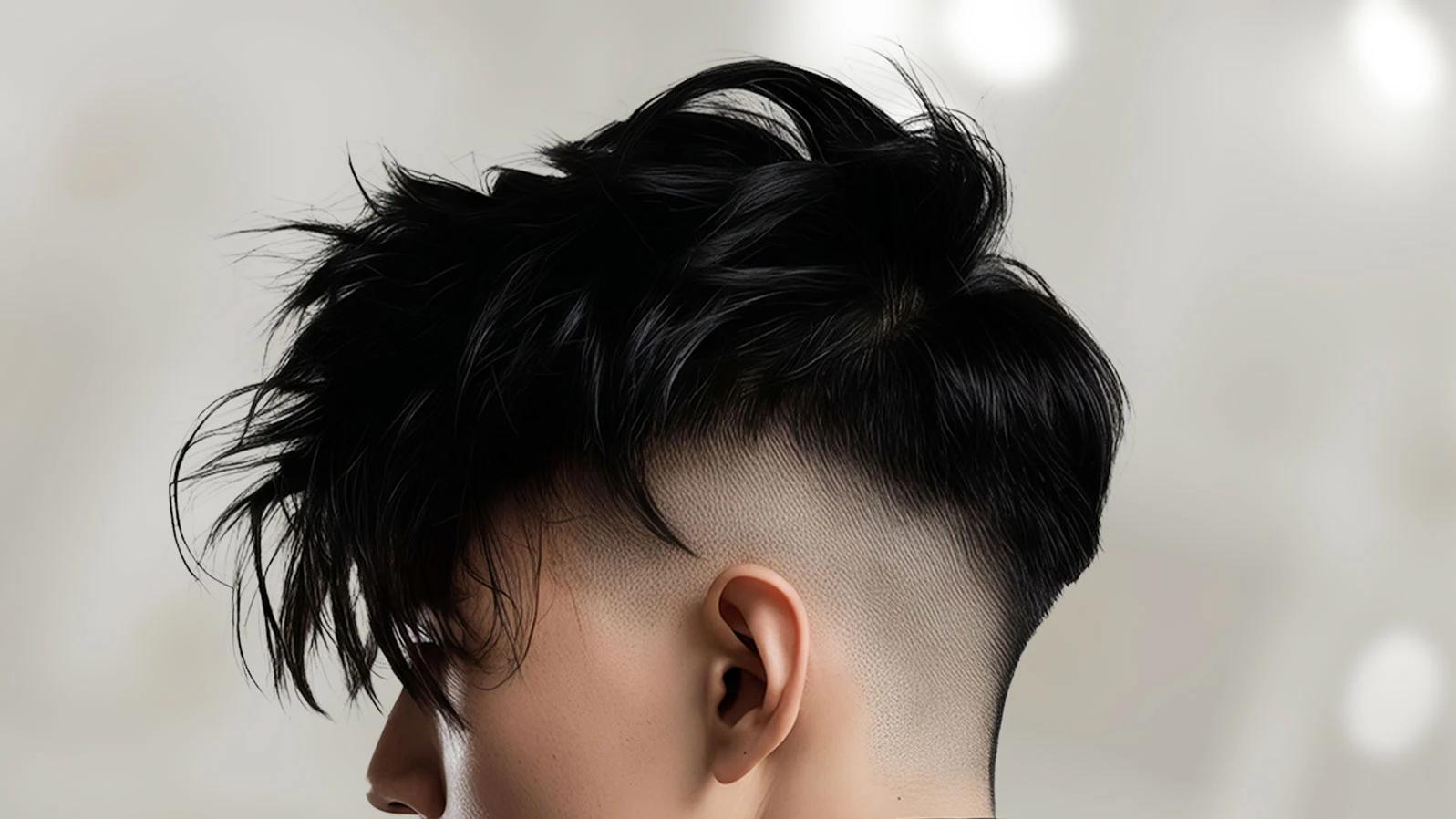

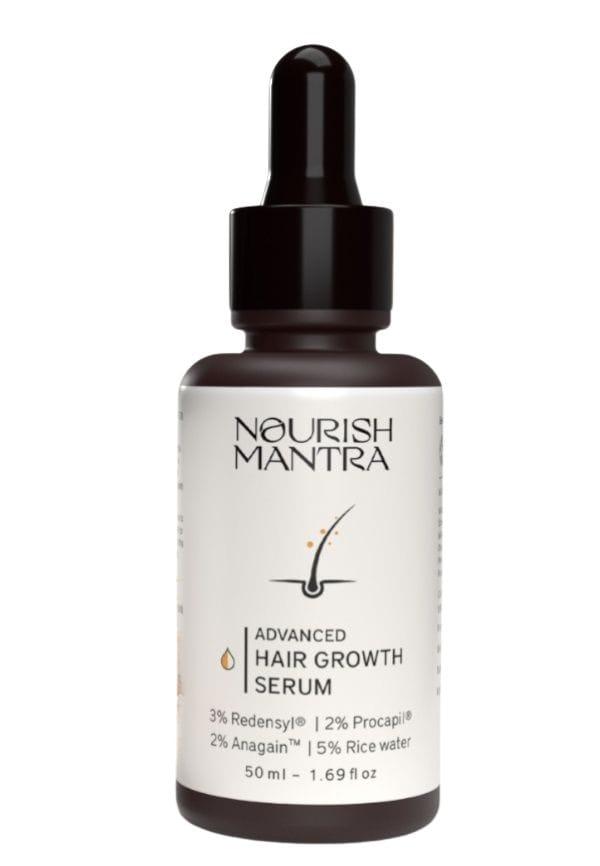
Advanced Hair Growth Serum for Hair Regrowth and Prevention of Hair Thinning - 50 ml
You know that moment when you catch your reflection and notice your hair looking a bit... thinner than it used to? Maybe it's the way the light hits your scalp, or how your usual hairstyle doesn't quite have the same oomph. If you've been wondering about hair density boosters and whether they actually work, you're definitely not alone. Let's dive into everything you need to know about getting your hair looking fuller and healthier.
Here's something that might surprise you – hair density and hair thickness are actually two completely different things. Hair density refers to how many individual hair follicles you have per square inch of your scalp. Think of it like the number of trees in a forest. Hair thickness, on the other hand, is about the actual diameter of each individual hair strand – basically how thick each "tree" is.
Most men have between 100,000 to 150,000 hair follicles on their scalp, with density typically ranging from 150 to 300 hairs per square centimetre. But here's where it gets interesting – you can have fine hair that's densely packed, or thick hair that's more sparsely distributed. Both scenarios create completely different looks and styling challenges.
When it comes to a guide to hair density booster for men, recognising the signs of decreasing density is crucial. You might notice your scalp becoming more visible, especially under bright lighting or when your hair is wet. Your ponytail (if you rock one) might feel thinner, or you might find that your usual styling products don't give you the same volume they used to. Hair thickening products for men work by addressing both these aspects – some focus on making existing hair appear thicker, while others aim to stimulate new growth.
Let's get real about what's actually happening up there. Male pattern baldness affects about 85% of men by age 50, and it's largely driven by a hormone called DHT (dihydrotestosterone). This little troublemaker binds to hair follicles and gradually shrinks them, leading to thinner, shorter hair before the follicle eventually stops producing hair altogether.
Age plays a massive role too. Even if you're not dealing with male pattern baldness, hair density naturally decreases as we get older. Your hair growth cycle slows down, and some follicles enter a prolonged resting phase. Environmental factors like pollution, stress, poor nutrition, and even over-styling can accelerate this process.
Genetics load the gun, but lifestyle pulls the trigger. If your dad or granddad experienced hair thinning, you're more likely to as well. But that doesn't mean you're powerless. Hair growth boosters for male pattern baldness and hair follicle stimulation treatments can help slow down the process and even reverse some of the damage, especially when you catch it early.
The good news is that there are several evidence-based approaches to boosting hair density. The key is understanding which methods work best for your specific situation and combining them strategically.
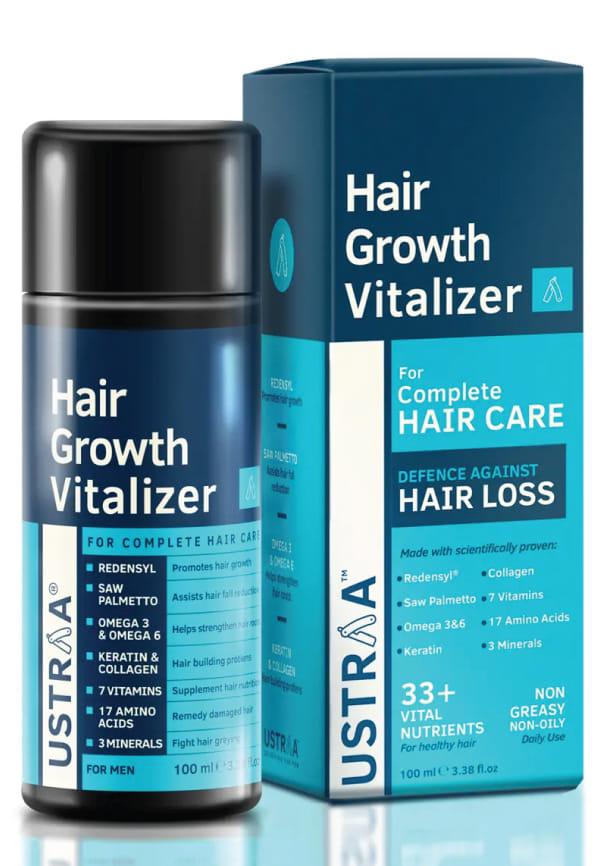
Hair Growth Vitalizer
Growth-stimulating serums containing ingredients like Aminexil and Redensyl have shown promising results in clinical studies. Aminexil works by preventing the hardening of collagen around hair follicles, whilst Redensyl targets stem cells to reactivate dormant follicles. These aren't miracle cures, but they can make a noticeable difference over time.
Minoxidil remains the gold standard for topical hair density treatments. Originally developed as a blood pressure medication, it was discovered to promote hair growth as a side effect. When applied to the scalp, it increases blood flow to hair follicles and extends the growth phase of the hair cycle. The key is consistency – you need to apply it twice daily for at least four months to see results.
Scalp massage isn't just relaxing – it's actually one of the most underrated scalp treatments for thicker hair men can do at home. A 2016 study found that just four minutes of daily scalp massage for 24 weeks resulted in increased hair thickness. The mechanical stimulation increases blood flow and may help stretch the cells within hair follicles.
Microneedling, or derma rolling, involves using a small roller with tiny needles to create micro-injuries in the scalp. This might sound scary, but it's actually quite gentle and can significantly enhance the absorption of topical treatments. Studies show that combining microneedling with minoxidil is more effective than using minoxidil alone.
LED light therapy devices are becoming increasingly popular for at-home use. Red light therapy (typically 660-670nm wavelength) is thought to stimulate cellular activity in hair follicles and improve blood circulation. Whilst the research is still emerging, many users report positive results when used consistently over several months.
Your hair is essentially a reflection of your overall health, and nutrition plays a massive role in hair density. Biotin deficiency is rare, but supplementing with 2.5-5mg daily can help if you're not getting enough from your diet. Vitamin E acts as an antioxidant, protecting hair follicles from oxidative stress, whilst omega-3 fatty acids help maintain scalp health and add shine to your hair.
Protein is crucial since hair is made up of about 95% protein (specifically keratin). Men should aim for at least 0.8 grams of protein per kilogram of body weight daily, though those actively trying to improve hair density might benefit from slightly more. Iron and zinc deficiencies are surprisingly common and can significantly impact hair growth. If you suspect a deficiency, it's worth getting blood work done before starting supplements.
Natural hair density supplements men often overlook include saw palmetto, which may help block DHT naturally, and pumpkin seed oil, which has shown promise in small studies. However, remember that supplements work slowly – you typically need to take them consistently for 3-6 months to see any noticeable changes.
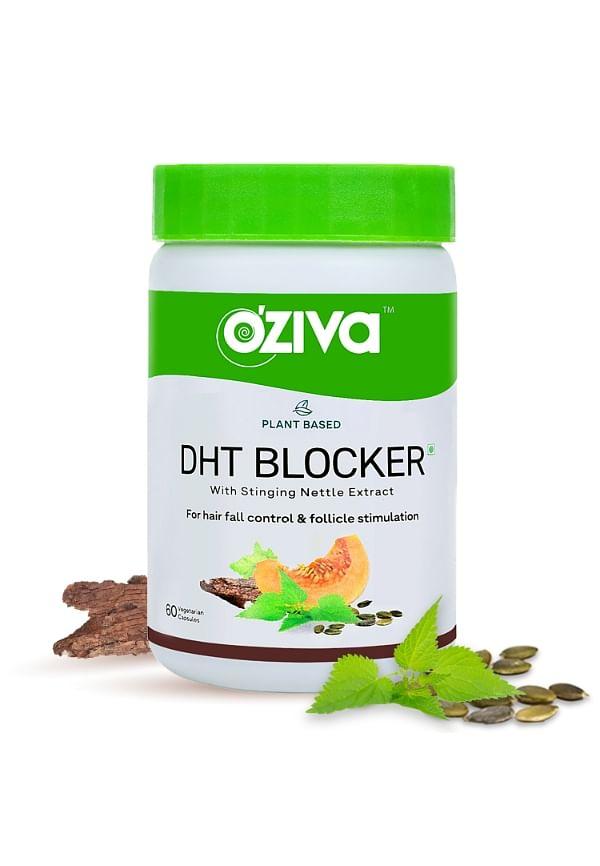
Plant Based DHT Blocker for Hairfall Control & Follicle Stimulation
Effective with Regular Use
 5
5“it's effective if you use regularly.”
Highly Recommended Product
5“it's a very decent product highly recommend it”
Reduced Hairfall
4“reduced hairfall with balanced diet”
Sometimes the quickest way to address thinning hair is through smart styling and the right products. Men's hair volume enhancers have come a long way from the sticky, obvious-looking products of the past. Modern volumising shampoos contain ingredients that temporarily plump up hair shafts and remove buildup that can weigh hair down.
Texture sprays and lightweight pomades can create the illusion of thicker hair by adding grip and separation between strands. The key is using products sparingly – too much will weigh your hair down and make it look greasy. Products for finer hair men should look for are typically alcohol-based rather than oil-based, as they provide hold without adding weight.
Your drying technique matters more than you might think. Blow-drying your hair upside down or using a round brush to lift hair at the roots can create significant volume. Even your haircut can make a huge difference – shorter styles generally look fuller, and adding some texture through layering can create the appearance of more density.
When over-the-counter options aren't cutting it, professional treatments can offer more dramatic results. PRP (Platelet-Rich Plasma) therapy involves drawing your blood, concentrating the platelets, and injecting them into your scalp. The growth factors in platelets are thought to stimulate hair follicles and improve hair density. Most people need 3-4 sessions spaced about a month apart.
Low-level laser therapy (LLLT) is available in professional clinics and uses specific wavelengths of light to stimulate hair follicles. It's FDA-approved for male pattern baldness and has shown good results in clinical trials, though it requires regular sessions over several months.
For severe density loss, hair transplant procedures have become much more sophisticated. Modern techniques like FUE (Follicular Unit Extraction) can provide natural-looking results with minimal scarring. However, these procedures are expensive and require significant downtime. Hair loss solutions for men's thinning hair should always be discussed with a qualified dermatologist or trichologist who can assess your specific situation.
The most effective approach combines topical treatments (like minoxidil), proper nutrition, scalp massage, and appropriate styling techniques. Start with a consistent daily routine including a growth-stimulating serum, gentle scalp massage, and volumising products. Results typically become visible after 3-4 months of consistent use. Consider professional treatments like PRP therapy if over-the-counter options aren't providing sufficient results.
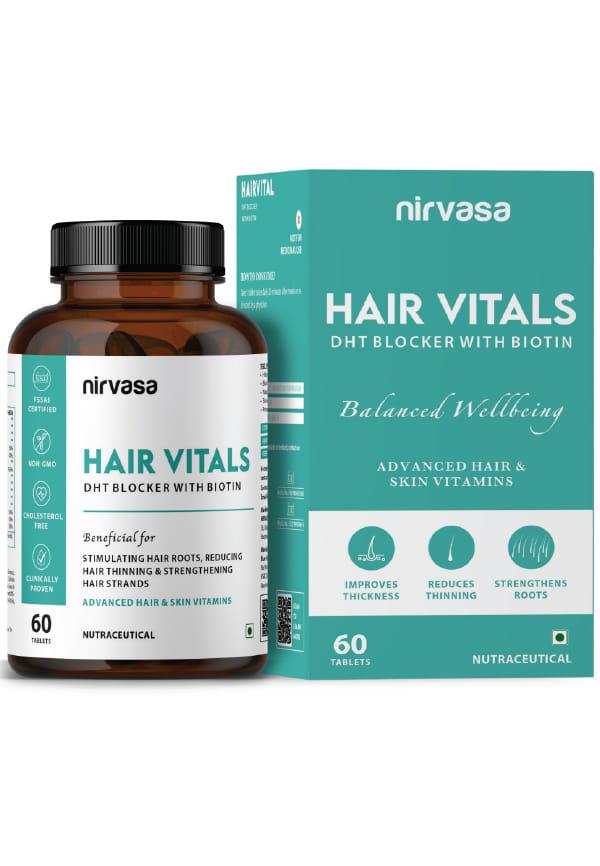
Hair Vitals DHT Blocker with Biotin Tablets | Hair Vitamins for Men & Women
Useful Nirvasa Product
4“Very useful product from Nirvasa”
Positive Product Feedback
4“good product..................”
Positive Hair Vitamin Review
5“Hair vitamins from this brand is good”
Hair is composed of approximately 95% protein, specifically a protein called keratin. This protein structure gives hair its strength, elasticity, and overall health. The remaining 5% consists of water, lipids, and trace minerals. Understanding this composition helps explain why protein deficiency can significantly impact hair density and why protein-rich diets support healthy hair growth.
The "big 3" refers to minoxidil, finasteride, and ketoconazole shampoo. Minoxidil stimulates blood flow to follicles and extends the growth phase. Finasteride blocks DHT production, addressing the root cause of male pattern baldness. Ketoconazole shampoo has anti-inflammatory properties and may help reduce scalp DHT levels. These three work synergistically to address hair loss from multiple angles.
Natural methods include daily scalp massage with essential oils like rosemary or peppermint, maintaining a protein-rich diet with adequate vitamins and minerals, reducing stress through exercise or meditation, and avoiding harsh styling practices. Regular scalp exfoliation, staying hydrated, and getting adequate sleep also support natural hair density improvement. Results from natural methods typically take 4-6 months to become noticeable.
Yes, many hair density boosters have scientific backing, but results vary significantly between individuals. Topical treatments containing proven ingredients like minoxidil, Aminexil, or Redensyl show measurable improvements in clinical studies. However, they work best when hair loss is caught early and used consistently. Realistic expectations are important – most treatments can slow hair loss and provide modest density improvements rather than dramatic regrowth.
Most hair density treatments require 3-4 months of consistent use before visible results appear. This timeline reflects the natural hair growth cycle, which lasts about 2-7 years with distinct phases. Initial improvements might include reduced hair shedding after 6-8 weeks, followed by new hair growth becoming visible around the 12-16 week mark. Professional treatments like PRP may show results slightly faster, whilst natural methods often take 4-6 months.
Improving hair density isn't about finding a magic bullet – it's about understanding your specific situation and creating a comprehensive approach that works for your lifestyle and budget. Whether you're dealing with early signs of thinning or more advanced hair loss, there are proven strategies that can help.
The most successful approach typically combines multiple methods: a good topical treatment, proper nutrition, stress management, and smart styling choices. Remember that consistency is absolutely crucial – sporadic use of even the best products won't give you the results you're looking for.
If you're just starting your hair density journey, consider beginning with gentler approaches like scalp massage, volumising products, and nutritional support before moving on to stronger treatments. Not sure which products might work best for your hair type? Smytten offers trial-size versions of many hair density and volume-enhancing products – a smart way to test different formulations before committing to full-size bottles.
