Guide to Conditioner for Dry Hair Men: Your Questions Answered

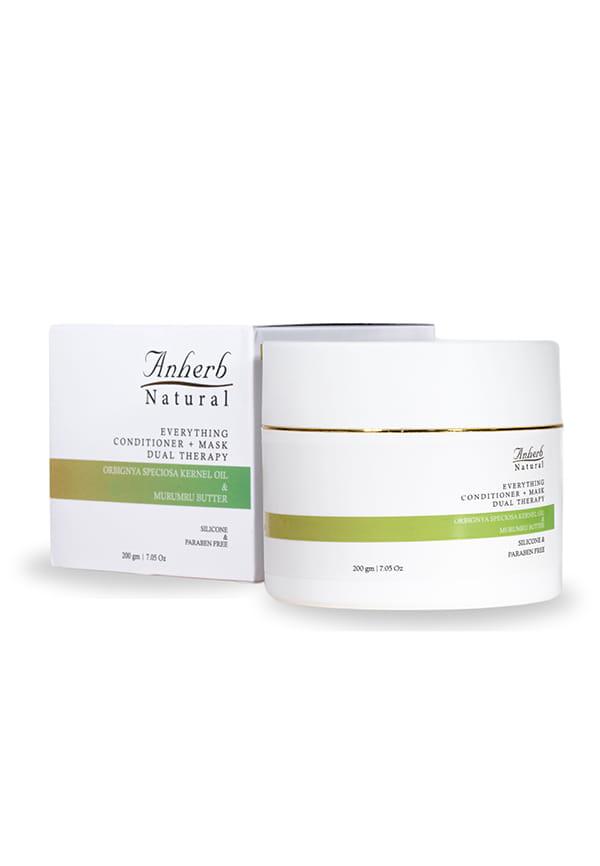
Everything Conditioner & Mask| Orbignya Speciosa Kernel Oil
Let's be real — dry hair hits different when you're a guy. One day you're running your hands through what feels like decent hair, and the next, it's basically straw that refuses to cooperate. Maybe it's the daily shampoo habit, maybe it's that blow dryer you've been using on high heat, or maybe your hair's just naturally on the drier side. Either way, you've probably wondered if conditioner is actually worth the extra step or if it's just another product trying to complicate your routine. Spoiler alert: the right conditioner can be a proper game-changer for dry hair, but only if you know what you're doing.
Here's the thing about men's hair — it's structurally different from women's hair in ways that actually matter for your routine. Men typically produce more sebum (that's the natural oil your scalp makes), but here's the catch: if you're dealing with dry hair, that system isn't working as it should. Your scalp might not be producing enough oil, or the oil isn't making its way down your hair shaft properly, especially if your hair's on the shorter side.
The usual suspects behind dry hair in men are pretty predictable. Overwashing is a big one — that daily shampoo habit strips away natural oils faster than your scalp can replace them. Heat styling tools, even basic blow drying, can zap moisture right out of your hair. Environmental factors like sun exposure, wind, and even air conditioning can leave your hair feeling parched. Then there's genetics, which basically means some of us just drew the short straw in the natural moisture department.
You'll know your hair needs serious conditioning attention when it starts feeling rough or brittle to the touch, looks dull instead of having any natural shine, or becomes impossible to style without looking messy. If you're noticing more breakage than usual or your hair feels like it tangles easily, that's your hair basically crying out for moisture. The cost of ignoring these signs? Your hair gets progressively more damaged, harder to manage, and honestly, just looks less healthy overall.
Picking the right conditioner isn't about grabbing whatever's on sale or looks the most masculine on the shelf. The best conditioner for men's dry hair comes down to ingredients that actually work and formulas that suit your specific hair situation. Think of it like choosing the right moisturiser for your face — you wouldn't use the same thing for oily skin as you would for dry skin, right?
When you're scanning ingredient lists, keep an eye out for hydrating agents like hyaluronic acid and glycerin. These work by pulling moisture from the air and locking it into your hair shaft. Natural oils are your friends here — argan oil, jojoba oil, and coconut oil are particularly good at penetrating the hair and providing deep moisture. Proteins like keratin and silk amino acids help repair damage and strengthen your hair structure, which is especially important if your dryness comes from heat damage or chemical processing.
If you're working with short hair, you'll want lightweight, non-greasy formulas that won't weigh your hair down or make it look flat. Short hair gets oily at the roots faster, so you need something that moisturises without being heavy. For medium to long hair, you can handle richer, more moisturising conditioners because you have more length to distribute the product and your roots are further from the ends where you're applying it.
Some ingredients can actually make dry hair worse. Sulfates are harsh detergents that strip moisture, so they're often found in shampoos but can sneak into conditioners too. Parabens can cause irritation for some people, and drying alcohols like denatured alcohol can counteract the moisturising effects you're trying to achieve.
Using conditioner properly is honestly half the battle. Most guys either skip it entirely, use too much, or apply it wrong, which explains why some people think conditioner doesn't work. The truth is, technique matters more than you'd think, and getting it right can make the difference between hair that feels amazing and hair that feels weighed down or greasy.
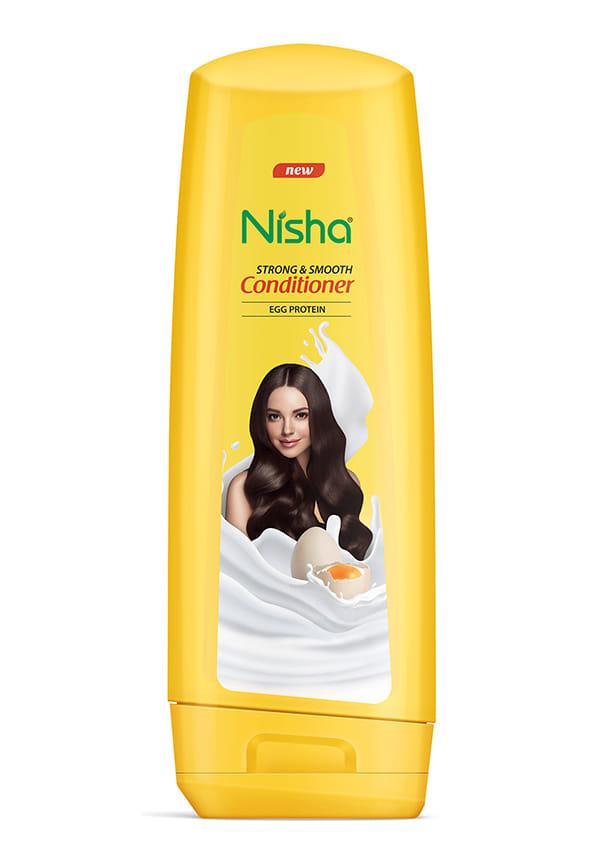
Nisha Conditioner for Strong & Smooth Hair, Egg Protein for Dry Frizzy Bottle | 180ml Yellow Bottle | Pack of 1
Start with proper shampooing — use lukewarm water, not hot, because hot water strips natural oils. Focus your shampoo on your scalp and roots, not the lengths of your hair. After rinsing, gently squeeze out excess water with your hands or lightly towel-dry. Your hair should be damp but not dripping wet when you apply conditioner.
For short hair, use about a coin-sized amount and focus only on the ends. Avoid the scalp and roots completely — this prevents your hair from looking greasy or flat. For longer hair, you can work the conditioner from mid-length to ends, using slightly more product but still keeping it away from your roots. Work it through with your fingers or a wide-tooth comb.
Leave the conditioner on for 2-3 minutes — this gives it time to actually penetrate your hair shaft. Use this time to wash your body or just chill for a moment. When rinsing, use cool water if you can handle it. Cool water helps seal the hair cuticle, locking in the moisture and adding shine.
The leave-in versus rinse-out debate isn't really about which one's better — it's about understanding when to use each type and how they can work together. Think of rinse-out conditioners as your foundation and leave-in conditioners as your targeted treatment for extra dry or damaged areas.
Leave-in conditioner for men dry hair works best when your hair is severely dry, damaged from heat styling, or naturally coarse. It provides ongoing moisture throughout the day and can help with styling and manageability. Apply it to damp hair, focusing on the ends, and use sparingly — a little goes a long way.
For seriously dry hair, you can layer both types. Use your regular rinse-out conditioner in the shower, then apply a small amount of leave-in conditioner to damp hair before styling. The key is avoiding product buildup by using light layers and focusing on the areas that need it most.
Sometimes the best solutions are sitting in your kitchen or bathroom cabinet already. Natural conditioner for men's dry hair can be surprisingly effective, especially if you're dealing with sensitivity to commercial products or just want to try something different.
Coconut oil is brilliant for deep conditioning — it actually penetrates the hair shaft better than most other oils. Shea butter provides intense moisture for very dry hair. Aloe vera is lightweight but hydrating, perfect for fine hair that gets weighed down easily. Even simple kitchen ingredients like honey (a natural humectant) and avocado (rich in healthy fats) can work wonders.
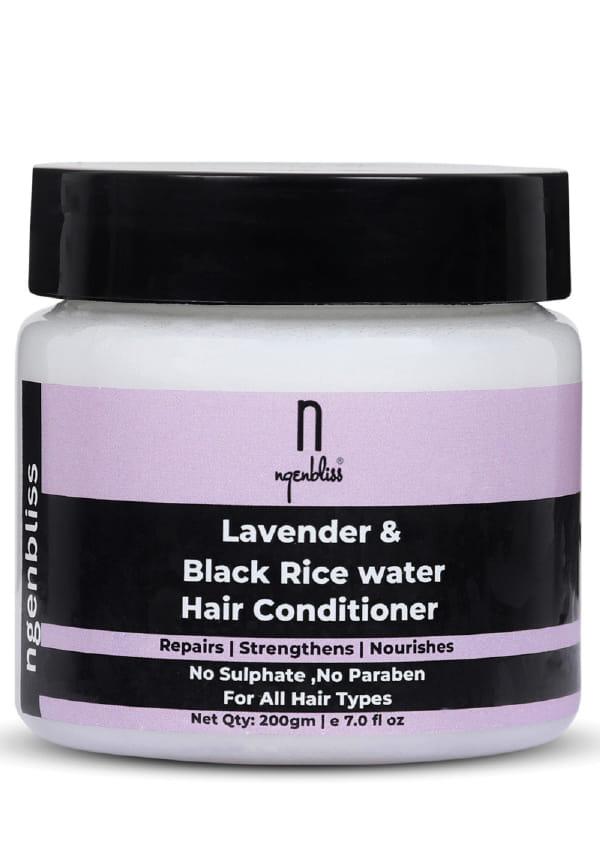
Hair Conditioner | Lavender | Black Rice Water
For a quick 5-minute moisturising mask, mix equal parts coconut oil and honey, apply to damp hair from mid-length to ends, and rinse thoroughly. For a weekly deep conditioning treatment, mash half an avocado with a tablespoon of olive oil, apply to clean, damp hair, leave for 15-20 minutes, then shampoo and rinse.
One of the biggest myths about conditioning is that it'll make scalp problems worse. Actually, the right approach to conditioning can help with various scalp issues, including dryness and flakiness that often come with dry hair.
Men's hair conditioner dry scalp formulas can definitely help, especially if your dandruff is caused by dryness rather than fungal issues. Look for conditioners with ingredients like tea tree oil, zinc pyrithione, or salicylic acid. Apply these conditioners to your scalp as well as your hair, but rinse thoroughly to avoid buildup.
For most hair types, daily conditioning isn't necessary and can actually cause buildup. If you have severely dry or chemically-treated hair, you might benefit from daily conditioning, but start with every other day and see how your hair responds. Fine hair typically needs less frequent conditioning than thick or coarse hair.
Building an effective hair care for dry hair men routine isn't about using tons of products — it's about consistency and using the right products at the right frequency. Think of it as a sustainable system rather than a complicated daily ritual.
For most men with dry hair, conditioning 2-3 times per week hits the sweet spot. On your conditioning days, use your regular moisturising conditioner. Once a week, do a deeper conditioning treatment — either a store-bought mask or one of those DIY treatments. This gives your hair the extra moisture boost it needs without overdoing it.
Your conditioning routine works better when it's part of a complete approach. Use a sulfate-free shampoo to avoid stripping moisture. If you use heat styling tools, always apply a heat protectant first. Consider your lifestyle factors too — wearing hats frequently, swimming in chlorinated pools, or spending lots of time in air-conditioned environments all affect your hair's moisture levels.
The best conditioners for men's dry hair contain moisturising ingredients like shea butter, argan oil, and ceramides. Look for sulfate-free formulas specifically designed for dry or damaged hair. Hydrating conditioner for men should be lightweight enough not to weigh down shorter styles but rich enough to provide real moisture.
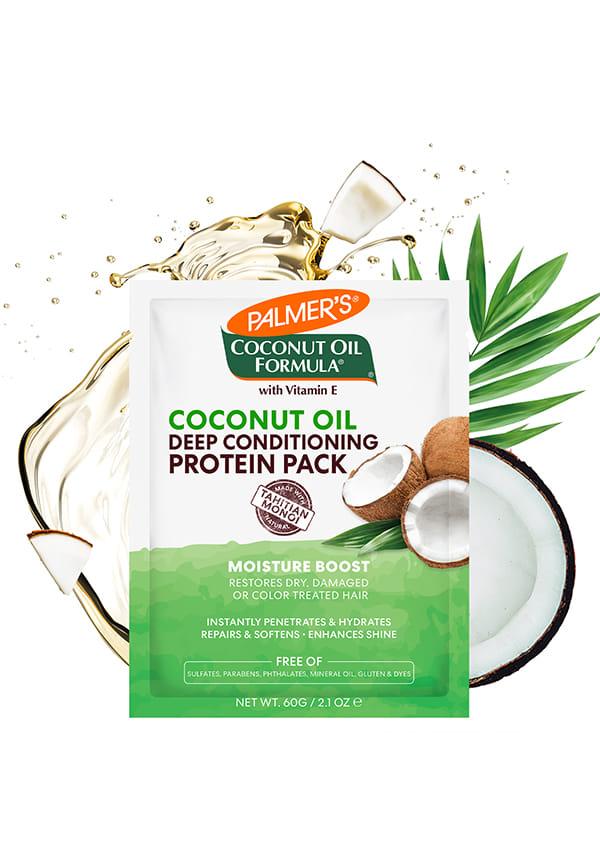
Coconut Oil Deep Conditioning Protein Pack x 2
Apply conditioner only to the ends of short hair or mid-length to ends for longer hair. Use about a coin-sized amount, leave for 2-3 minutes, then rinse thoroughly with cool water. Avoid applying to roots to prevent greasiness. This technique ensures you get the moisture benefits without the weight.
Yes, the right conditioner can help with dandruff, especially if it's caused by dryness. Anti-dandruff conditioners can moisturise the scalp and maintain the effectiveness of dandruff shampoo ingredients. Use conditioners specifically formulated for dandruff-prone scalps and apply to both hair and scalp.
For dry hair, conditioning 2-3 times per week is typically sufficient. Daily conditioning may be necessary for severely dry or chemically-treated hair, but can cause buildup in normal hair types. Start with every other day and adjust based on how your hair responds.
For short hair, use a small amount and focus only on the ends. Avoid the scalp and roots completely to prevent weighing down your hair or creating greasiness. Work it through with your fingers, leave for 2-3 minutes, then rinse thoroughly with cool water.
Moisturising conditioners contain higher concentrations of hydrating ingredients like natural oils, butters, and humectants. They're specifically formulated to address dryness and provide longer-lasting moisture compared to regular conditioners, which focus more on detangling and basic smoothing.
Leave-in conditioner can be used daily if your hair is severely dry, but start with every other day to avoid buildup. Use a very small amount and focus on the ends and any particularly dry areas. Fine hair may need less frequent application than thick or coarse hair.
Your hair should feel softer and more manageable after a few uses. You'll notice less tangles, reduced breakage, and improved shine. If your hair feels heavy, greasy, or looks flat, you might be using too much product or applying it too close to your roots.
Getting your conditioning routine right can completely transform dry, unmanageable hair into something that actually looks and feels healthy. The key is understanding your hair type, choosing products with the right ingredients, and applying them correctly. Remember that consistency beats intensity — regular, proper conditioning will give you better results than occasional deep treatments.
Whether you go for commercial products or natural DIY solutions, focus on ingredients that provide real moisture and avoid anything that strips or dries out your hair further. Your routine doesn't need to be complicated, but it does need to be consistent and tailored to your specific hair needs.
Not sure which conditioner format works best for your hair type? Smytten offers trial-size versions of many conditioning products from trusted brands — a smart way to test different formulas before committing to full-size bottles. With options ranging from lightweight daily conditioners to intensive treatment masks, you can find your perfect match without the guesswork.
