Guide to Beard Conditioner: Your FAQ Answered


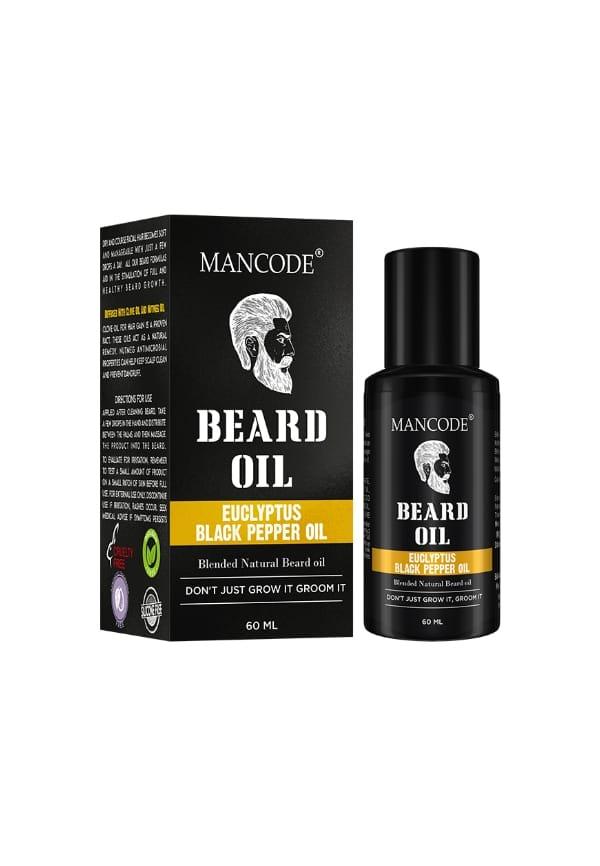
Beard Oil - Eucalyptus & Black Pepper
Picture this: you've been growing your beard for weeks, maybe months, and instead of the soft, touchable masterpiece you imagined, you're dealing with a scratchy, unruly mess that feels more like steel wool than facial hair. Sound familiar? You're definitely not alone in this struggle. The thing is, most guys treat their beard like the hair on their head, but facial hair is a completely different beast that needs its own special care routine.
Let's get real about what beard conditioner actually does. Unlike regular hair conditioner that's designed for the softer hair on your scalp, beard conditioner is specifically formulated to tackle the unique challenges of facial hair. Your beard hair is naturally coarser, curlier, and grows from skin that's often more sensitive than your scalp. This means it needs extra moisture and care to stay soft and manageable.
The magic happens through carefully chosen ingredients that work double duty. Quality beard conditioners contain moisturising agents like argan oil, jojoba oil, and shea butter that penetrate both the hair shaft and the skin underneath. This dual action helps prevent the dreaded "beardruff" (yes, that's beard dandruff), reduces itchiness, and transforms rough, wiry hair into something actually pleasant to touch.
Here's where it gets interesting: beard conditioner works differently from other beard grooming products you might already know about. While beard oil benefits include adding shine and light moisture, conditioner provides deeper hydration. The best beard balm offers hold and styling control, but conditioner focuses purely on softening and nourishing. Think of conditioner as the foundation of your beard care routine – it sets everything else up for success.
The science behind why your beard needs special attention comes down to hair structure. Facial hair follicles produce less natural oil than scalp follicles, and the hair itself has a different texture and growth pattern. Without proper conditioning, your beard can become dry, brittle, and prone to breakage, which definitely isn't the look you're going for.
Getting the most out of your beard conditioner isn't rocket science, but there are definitely right and wrong ways to go about it. The key is understanding which type of conditioner you're using and adjusting your technique accordingly.
Start with a clean slate by washing your beard with a proper beard shampoo – regular shampoo can be too harsh and strip away natural oils. Once you've rinsed the shampoo thoroughly, squeeze out excess water but leave your beard damp. Apply the conditioner evenly throughout your beard, working it in with your fingers or a wide-tooth comb. The golden rule here is patience: leave it on for at least 1-3 minutes to let those nourishing ingredients do their work. Rinse thoroughly with lukewarm water, making sure no product residue remains.
Leave-in formulas are your friend for daily maintenance and extra moisture. Apply these to a towel-dried beard when it's still slightly damp – this helps the product distribute evenly and absorb better. Start with a small amount (you can always add more) and work it through from roots to tips. For overnight treatments, apply a bit more generously before bed and let it work its magic while you sleep.
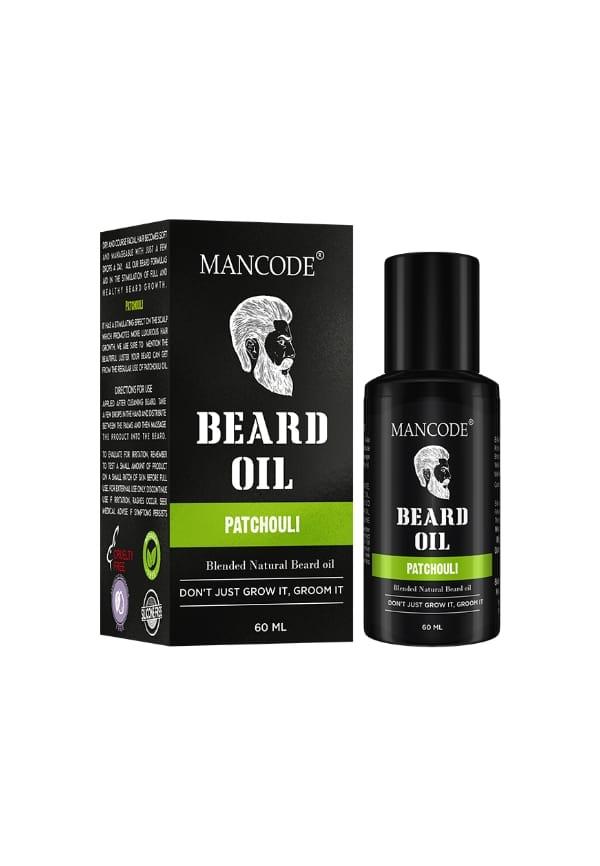
Beard Oil - Patchouli
Not all beard conditioners are created equal, and what works for your mate might not be your cup of tea. The trick is matching the product to your specific beard type and concerns.
When scanning ingredient lists, keep an eye out for natural moisturisers like argan oil, coconut oil, and jojoba oil. These ingredients are brilliant because they're similar to your skin's natural oils, so they absorb easily without leaving a greasy residue. Shea butter is another winner for its deep conditioning properties, while ingredients like aloe vera can soothe irritated skin underneath your beard.
Short beards (think 1-3 months of growth) benefit from lighter, leave-in formulas that won't weigh down the hair. Medium to long beards can handle richer, more intensive treatments that provide extra moisture for those longer strands. If you've got coarse, wiry hair, look for conditioners with heavier oils and butters. Fine beard hair needs lighter formulations that won't make it look limp or greasy.
Building an effective beard care routine is like putting together a puzzle – every piece needs to fit just right. Conditioning is a crucial piece, but knowing when and how to use it alongside other products makes all the difference.
Your morning routine should be quick and effective. If you're using a leave-in conditioner, apply it to slightly damp beard after your shower, then follow with any beard styling products you need for the day. Evening routines can be more intensive – this is when you might use a rinse-out conditioner or apply a heavier leave-in treatment for overnight nourishment.
Here's where things get strategic. After conditioning, you might apply beard growth oil to stimulate follicles and add extra moisture to the skin. Follow this with the best beard balm if you need hold and styling control. The key is layering from thinnest to thickest consistency: conditioner first, then oil, then balm. Quality beard styling products work best on well-conditioned hair, so don't skip this foundation step.
Ready to take your conditioning game to the next level? These beard softening tips will help you achieve that enviably soft, touchable beard that everyone notices.
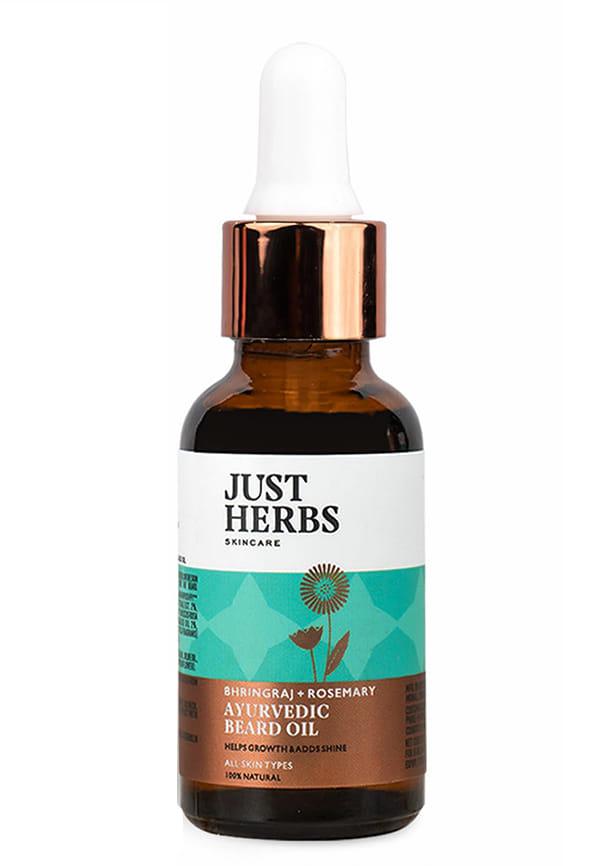
Bhringraj + Rosemary Ayurvedic Beard Oil
For extra-dry or damaged beards, try pre-conditioning treatments. Apply a small amount of natural oil (like jojoba or argan) before shampooing to protect the hair during cleansing. Steam conditioning is another game-changer – apply your conditioner, then hold a warm, damp towel over your beard for 5-10 minutes to help the product penetrate deeper.
Weekly beard masks can provide intensive moisture. Look for products with ingredients like avocado oil, honey, or protein treatments that repair and strengthen hair. Seasonal adjustments matter too – you might need richer formulas in winter when indoor heating dries everything out, and lighter products in humid summer months.
Common mistakes to avoid include using too much product (which can weigh down your beard), not rinsing thoroughly (leading to buildup), and conditioning too frequently with heavy products (which can actually make hair limp). Find your sweet spot through experimentation.
Proper conditioning doesn't just make your existing beard look better – it actually supports healthy growth by creating optimal conditions for new hair. When your skin is well-moisturised and your existing hair is healthy, your beard can reach its full potential.
The famous 3-month beard rule becomes much more manageable with proper conditioning. During those awkward early growth phases, conditioning helps manage the itchiness and irritation that makes many guys give up. It also prevents the breakage that can make your beard look patchy or uneven.
As your beard grows longer, conditioning becomes even more critical. Longer hair is more prone to dryness and damage, especially at the ends. Regular conditioning helps maintain moisture throughout the length and prevents split ends that can make your beard look scraggly.
Use beard conditioner after washing with beard shampoo, typically 2-3 times per week for rinse-out formulas. Apply to wet beard, leave for 1-3 minutes, then rinse thoroughly. Leave-in conditioners can be used daily on towel-dried beard. The timing depends on your beard's needs – dry or damaged beards benefit from more frequent conditioning.
Natural beard conditioner options include coconut oil, argan oil, jojoba oil, and shea butter. You can create DIY treatments using ingredients like avocado, honey, or aloe vera. However, commercial natural beard conditioners are formulated specifically for facial hair and often provide better results than home remedies.
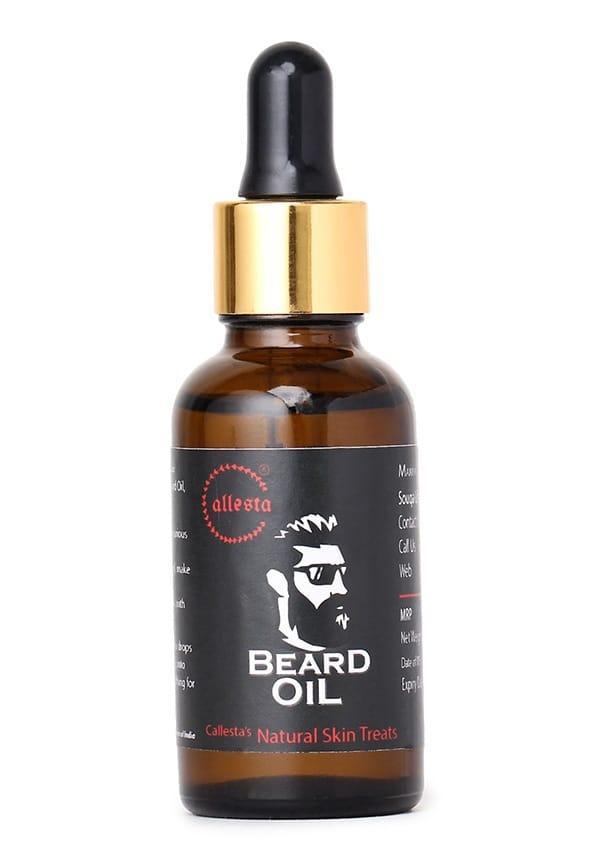
Mard By Beard Oil
Consider your beard length, hair texture, skin sensitivity, and specific concerns like dryness or itchiness. Short beards need lighter formulas, while longer beards can handle richer treatments. Look for natural ingredients and avoid harsh sulfates. If you have sensitive skin, choose fragrance-free options with soothing ingredients like aloe vera.
The 3-month rule suggests growing your beard for at least three months before making any major trimming decisions. This allows you to see your beard's full growth pattern and density. During this period, proper conditioning is essential to manage itchiness and maintain healthy growth.
While you can use regular hair conditioner in a pinch, it's not ideal. Beard-specific conditioners are formulated for the coarser texture of facial hair and the more sensitive skin underneath. They typically contain ingredients that address beard-specific concerns like beardruff and irritation.
Condition your beard 2-3 times per week with rinse-out formulas, or daily with leave-in conditioners. Adjust frequency based on your beard's dryness, environmental factors, and personal needs. Over-conditioning can make hair limp, while under-conditioning leads to dryness and brittleness.
Yes, daily moisture is important for beard health. You can moisturise your beard through leave-in conditioners, beard oils, or light balms. The key is finding the right balance – enough moisture to keep hair soft and skin healthy, but not so much that your beard feels greasy or weighed down.
While conditioner doesn't directly stimulate growth, it creates optimal conditions for healthy beard development. By keeping the skin moisturised and preventing breakage, conditioning supports your beard's natural growth potential. Combine conditioning with beard growth oil for the best results.
Getting your beard conditioning routine right is honestly one of the best investments you can make in your grooming game. The difference between a well-conditioned beard and a neglected one is like night and day – we're talking soft, manageable hair versus something that feels like a Brillo pad.
Remember that consistency beats perfection every time. Start with a basic routine and adjust as you learn what your beard responds to best. Pay attention to how your beard feels and looks after different products and techniques, and don't be afraid to switch things up seasonally or as your beard grows longer.
The key is finding products that work for your specific beard type and lifestyle. Whether you're dealing with a short stubble that needs light daily moisture or a full beard that requires intensive weekly treatments, there's a conditioning approach that'll work for you. Not sure which products might suit your beard best? Smytten offers trial-size versions of many beard grooming products – a smart way to test different formulas before committing to full-size purchases.
