Guide to Beard Color for Men: FAQ

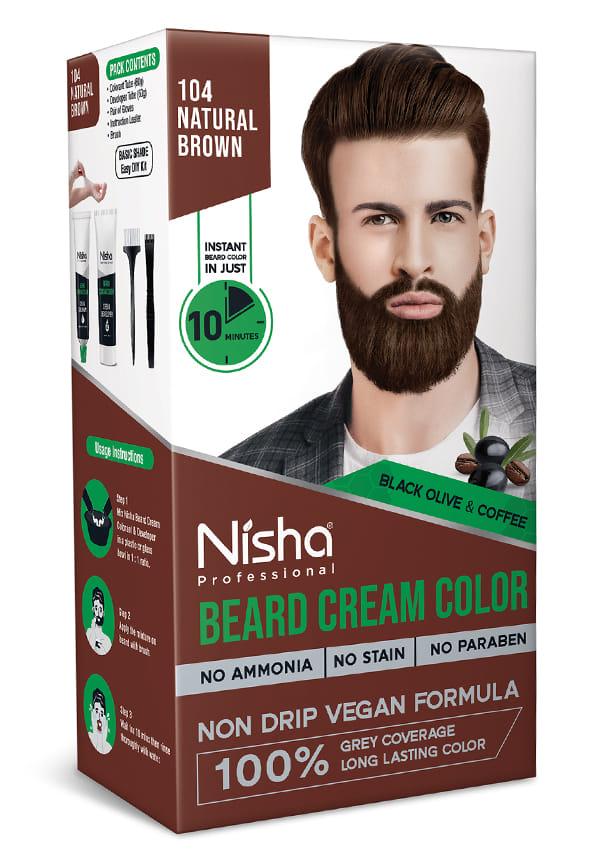
Beard Colour
Picture this: you're getting ready for an important meeting, and you catch a glimpse of your reflection. Your beard looks patchy, with random grey strands making you feel older than your years. Sound familiar? You're definitely not alone. More men than ever are turning to beard colouring to achieve that perfectly groomed, confident look. Whether you're dealing with premature greying, uneven colour, or just want to switch things up, understanding how to colour your beard properly can be a total game-changer for your overall appearance.
Getting your beard colour right isn't just about picking any shade off the shelf. It's about finding that sweet spot where your new colour complements your natural features and makes you look like the best version of yourself. Think of it as finding your signature look – one that feels authentic and boosts your confidence every time you look in the mirror.
Your skin tone is basically your roadmap to choosing the perfect beard shade. If you've got warm undertones (think golden or peachy hues), you'll want to lean towards warmer beard colours like rich browns, auburns, or even darker blonde shades. Cool undertones (more pink or blue-based) work brilliantly with cooler shades like ash browns or true blacks. Not sure which camp you're in? Check the veins on your wrist – greenish veins usually mean warm undertones, whilst bluish ones suggest cool undertones.
Here's a pro tip that most people don't know: your ideal beard colour should typically be one to two shades lighter than your natural hair colour. This creates a natural-looking contrast that doesn't feel jarring or obvious. Going too dark can make your beard look painted on, whilst going too light might wash out your features entirely.
If you've got naturally dark hair, you're in luck – you've got the most flexibility when it comes to beard colouring. Rich chocolate browns, deep chestnuts, and classic blacks all work beautifully. For those with lighter hair, consider medium to light browns that won't create too stark a contrast with your natural colour.
Dealing with grey? You don't have to go full coverage if you don't want to. Many men are embracing the salt-and-pepper look by using gradual darkening products that blend the grey rather than completely covering it. This creates a more natural, distinguished appearance that still looks intentional and polished.
Right, let's get into the actual process. Colouring your beard at home isn't rocket science, but there are definitely some tricks that'll help you avoid those obvious "I definitely dyed this" results. The key is patience and proper preparation – rushing through this process is usually where things go wrong.
Start by doing a patch test 48 hours before you plan to colour. Apply a small amount of the product behind your ear or on your inner elbow and wait to see if you have any reaction. This step is absolutely non-negotiable, especially if you've got sensitive skin.
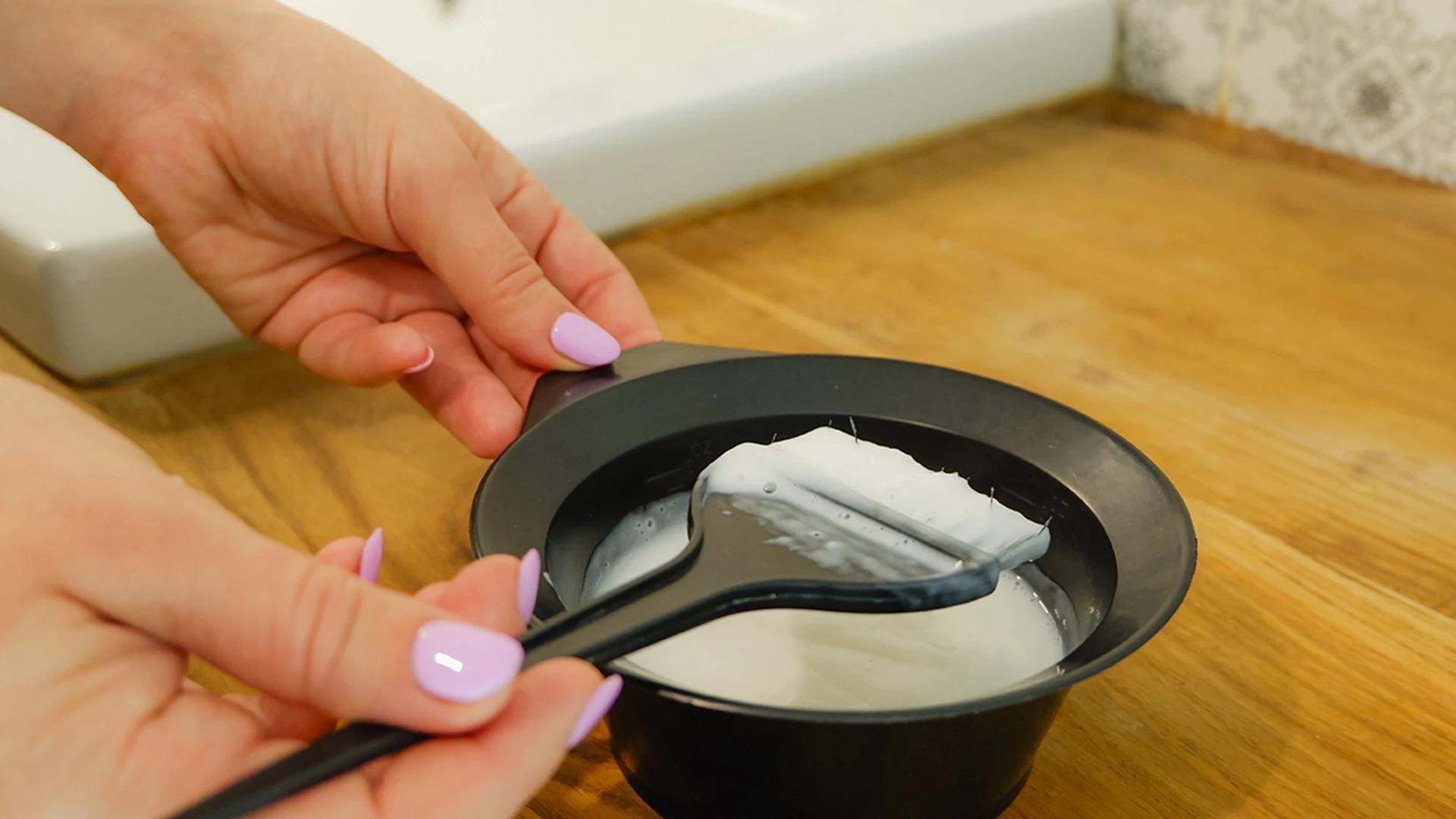
When you're ready to colour, make sure your beard is completely clean and dry. Trim it to your desired length first – you want to see exactly what you're working with. Apply petroleum jelly around the edges of your beard area to protect your skin from staining. Mix your colour according to the instructions and apply it evenly using the brush provided, working from the roots outward.
Timing is everything here. Most beard dyes need between 5-25 minutes to process, depending on how dramatic a change you're going for. Start with the minimum recommended time – you can always go longer, but you can't undo over-processing.
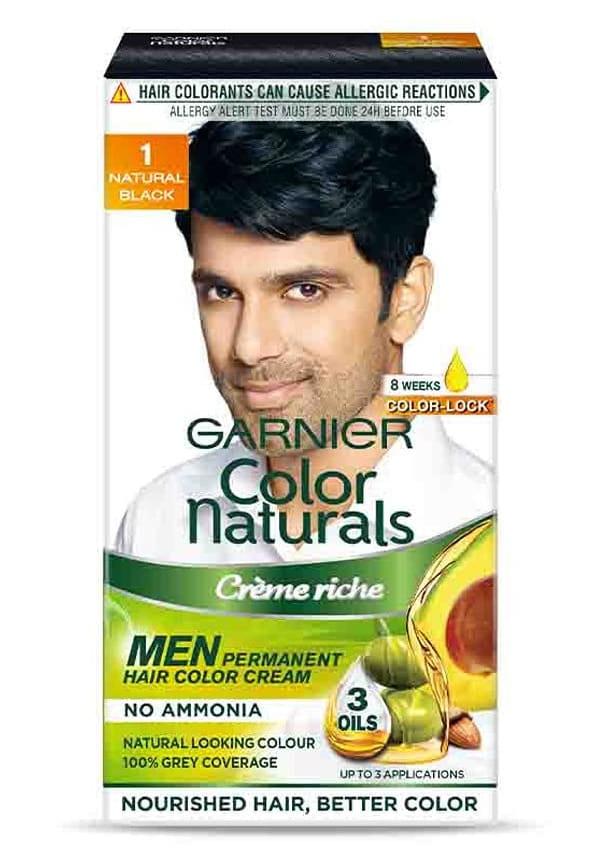
Color Naturals Hair Color for Men
Whilst at-home colouring is definitely doable, there are times when visiting a professional makes sense. If you're making a dramatic colour change, dealing with very patchy greying, or have particularly sensitive skin, a professional colorist can help you achieve better results with less risk.
The cost difference is significant though – professional colouring can run anywhere from ₹2,000 to ₹5,000, whilst quality at-home kits typically cost between ₹300 to ₹800. For most men doing basic grey coverage or subtle colour enhancement, DIY is perfectly fine.
The beard dye market has exploded in recent years, which is brilliant for choice but can be overwhelming when you're trying to pick the right product. The key differences you'll encounter are between semi-permanent and permanent formulations, each with their own benefits depending on what you're trying to achieve.
Semi-permanent options are perfect if you're new to beard colouring or want something that'll gradually fade over 4-6 weeks. These are generally gentler on your facial hair and skin, making them ideal for sensitive types. Permanent formulations last longer but require more commitment – they'll grow out rather than fade out.
Look for ammonia-free formulations whenever possible. Ammonia can be quite harsh on facial hair, which tends to be coarser and more prone to dryness than the hair on your head. Many modern beard dyes also include conditioning agents to help keep your facial hair soft and manageable after colouring.
If you're not ready to commit to chemical dyes, there are some natural alternatives worth considering. Henna has been used for centuries and can provide rich, natural-looking colour, though your shade options are more limited. Coffee and black tea rinses can gradually darken lighter beards over time, though the results are quite subtle.
Gradual darkening products work by depositing small amounts of colour with each use. These are brilliant for a natural-looking transformation that happens slowly over several weeks. They're also much more forgiving if you're worried about going too dark too quickly.
Once you've coloured your beard, your grooming routine needs a few adjustments to keep both the colour and the hair healthy. Coloured facial hair can be more prone to dryness, so you'll want to be extra mindful about conditioning and moisturising.
Switch to a colour-safe beard shampoo that won't strip the dye from your facial hair. Regular shampoos can be quite harsh and will cause your colour to fade much faster than it should. Look for sulphate-free formulations that clean gently whilst preserving your colour investment.
Beard oils become even more important after colouring. The chemical process can leave your facial hair feeling a bit dry and brittle, so a good quality beard oil will help restore moisture and keep everything feeling soft and manageable. Apply it daily, working it through from roots to tips.
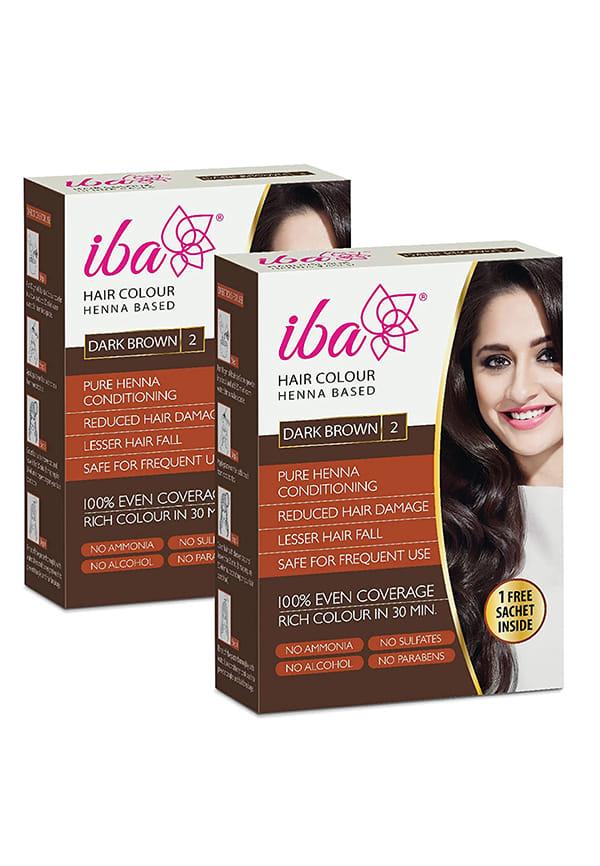
Hair Color Dark Brown
Your touch-up schedule will depend on how fast your hair grows and how dramatic your colour change was. Most men need touch-ups every 3-4 weeks for grey coverage, though you might be able to stretch it longer if you're just enhancing your natural colour.
Protect your colour from fading by avoiding excessive sun exposure and chlorinated water. If you're a swimmer, consider using a leave-in conditioner before hitting the pool to create a barrier between your beard and the chemicals.
Even with the best intentions, things can go wrong with beard colouring. The good news is that most mistakes are fixable, and knowing what to watch out for can help you avoid them in the first place.
Uneven application is probably the most common issue, usually resulting from rushing through the process or not using enough product. If you end up with patchy colour, don't panic. You can often fix this by doing a second application, focusing on the areas that didn't take the colour properly.
If you've gone too dark, try washing your beard with a clarifying shampoo immediately. This won't completely remove the colour, but it can lighten it by a shade or two. For more serious colour corrections, you might need to visit a professional who can safely lighten the colour without damaging your facial hair.
Always, always do that patch test we mentioned earlier. Allergic reactions to hair dye can be serious, and your facial skin is more sensitive than your scalp. If you experience any itching, burning, or redness during the colouring process, rinse immediately and discontinue use.
If you've got particularly sensitive skin, look for hypoallergenic formulations or consider natural alternatives. Some men find that they can tolerate certain brands better than others, so don't give up if your first attempt doesn't work out.
The best beard colour depends entirely on your skin tone and natural hair colour. Generally, choose a shade that's one to two tones lighter than your natural hair colour. Men with warm undertones look great in rich browns and auburns, whilst those with cool undertones suit ash browns and true blacks. For a natural look, avoid going more than two shades away from your original colour.
Start by considering your goals – are you covering grey, creating uniformity, or making a style statement? For grey coverage, match your natural hair colour or go slightly darker. If you want to enhance your natural colour, choose a shade that's similar but more vibrant. Always consider your skin tone and lifestyle when making your choice.
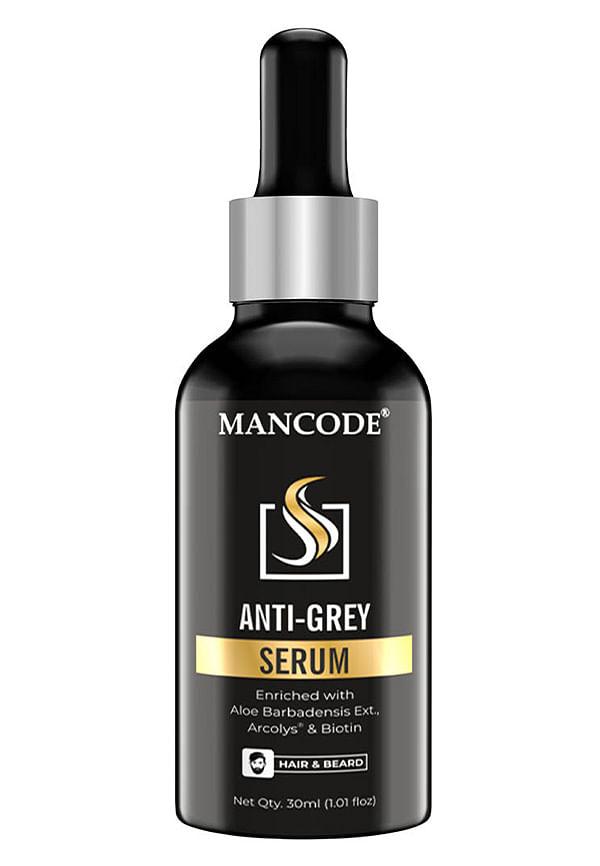
Anti Grey Serum
The 3-month beard rule refers to letting your beard grow for a full three months before making any major styling decisions, including colouring. This gives you time to see your natural growth pattern, density, and colour distribution. It's particularly relevant for colouring because you want to see exactly what you're working with before committing to a colour change.
Quality beard dyes are formulated to be gentler than regular hair dyes, but any chemical process can potentially cause some dryness. Modern ammonia-free formulations with conditioning agents minimise damage. The key is following instructions carefully, not over-processing, and maintaining a good beard care routine with oils and conditioners after colouring.
Semi-permanent beard colours typically last 4-6 weeks before fading, whilst permanent colours grow out over 6-8 weeks depending on your hair growth rate. Factors like sun exposure, swimming, and how often you wash your beard can affect longevity. Most men need touch-ups every 3-4 weeks to maintain consistent colour.
It's not recommended to use regular hair dye on your beard. Facial hair has a different texture and your facial skin is more sensitive than your scalp. Beard-specific dyes are formulated to be gentler and work better with the coarser texture of facial hair. Using regular hair dye can cause irritation and may not give you the results you're looking for.
Successfully maintaining a coloured beard goes beyond just the initial application. It's about building a comprehensive routine that keeps both your colour and your facial hair looking their absolute best. Think of it as an investment in your overall appearance that pays dividends in confidence and style.
Your post-colour routine should include gentle cleansing 2-3 times per week with a colour-safe beard shampoo, daily conditioning with a quality beard oil or balm, and weekly deep conditioning treatments. This might sound like a lot, but once you get into the rhythm, it becomes second nature.
Consider the season when planning your beard care routine. Winter air can be particularly drying to coloured facial hair, so you might need to increase your conditioning frequency. Summer sun can fade colour faster, so a leave-in conditioner with UV protection becomes essential.
Your beard colour should work with your lifestyle, not against it. If you work in a conservative environment, subtle colour enhancement or grey coverage might be more appropriate than dramatic changes. For creative fields, you might have more freedom to experiment with different shades.
Consider seasonal adjustments to your colour routine. Many men go slightly darker in winter and lighter in summer, following the natural way hair colour changes with sun exposure. This creates a more natural, lived-in look that doesn't scream "dyed."
Colouring your beard can be a brilliant way to boost your confidence and achieve that perfectly groomed look you're after. The key is choosing the right shade for your skin tone, following proper application techniques, and maintaining a good care routine afterwards. Remember, it's always better to start subtle and build up to your desired colour rather than going too dramatic right away.
Whether you're covering grey, creating colour uniformity, or just experimenting with a new look, take your time with the process. Good preparation, quality products, and patience will give you much better results than rushing through it. Not sure which beard care products work best for your newly coloured facial hair? Smytten offers trial-size versions of many grooming essentials – a smart way to test different formulations before committing to full-size purchases.
