Greasy Roots & Dry Ends? Here's How to Care for Combination Hair


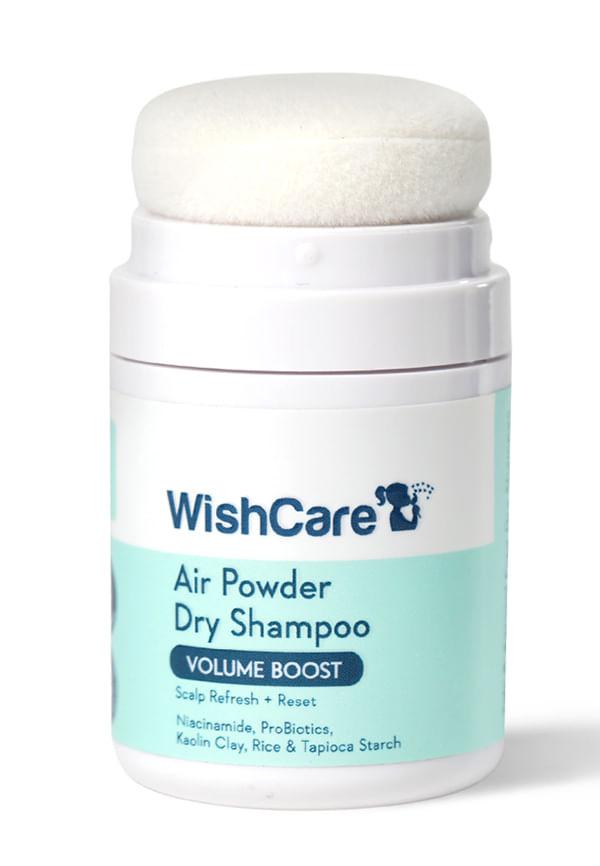
Air Powder Dry Shampoo for Oily Hair & Scalp
If your roots turn greasy the day after washing but your ends still feel dry and rough, first things first: you're not doing anything wrong. You've just got combination hair, and it's genuinely one of the trickiest types to look after, because everything oily-hair advice tells you to do is the opposite of what your dry ends need. The good news? Once you understand what's happening, it's very fixable. Here's the why and the how.
Oily roots with dry hair ends means your scalp is producing plenty of oil, but that oil never travels down to the drier lengths. The fix is to stop treating your hair as one thing and start treating it in two zones: cleanse and lightly clarify the roots, and hydrate only the mid-lengths and ends. In practice that means washing a little more often than dry-haired people do, keeping conditioner well away from your scalp, and saving the rich stuff for the ends.
Because your scalp makes oil, but that oil doesn't reach the ends.
The oil glands on your scalp keep your roots (and the hair closest to them) naturally lubricated. The further your hair grows from the scalp, the less of that oil actually makes it down, so the ends are left dry by default. Add heat styling, colour, hard water and everyday friction, and those ends get drier still while your roots stay slick. So you're managing two opposite problems on the same head of hair, at the same time.
A few things quietly make the gap worse:
Washing with a heavy, moisturising shampoo all over, which weighs oily roots down further
Putting conditioner on the scalp, which adds grease exactly where you don't want it
Skipping conditioner on the ends because you're scared of oiliness
Over-washing, which can push the scalp to produce even more oil
Heat tools and colour drying the lengths faster than the roots
It's hair that's oily at the scalp and dry through the lengths and ends at once.
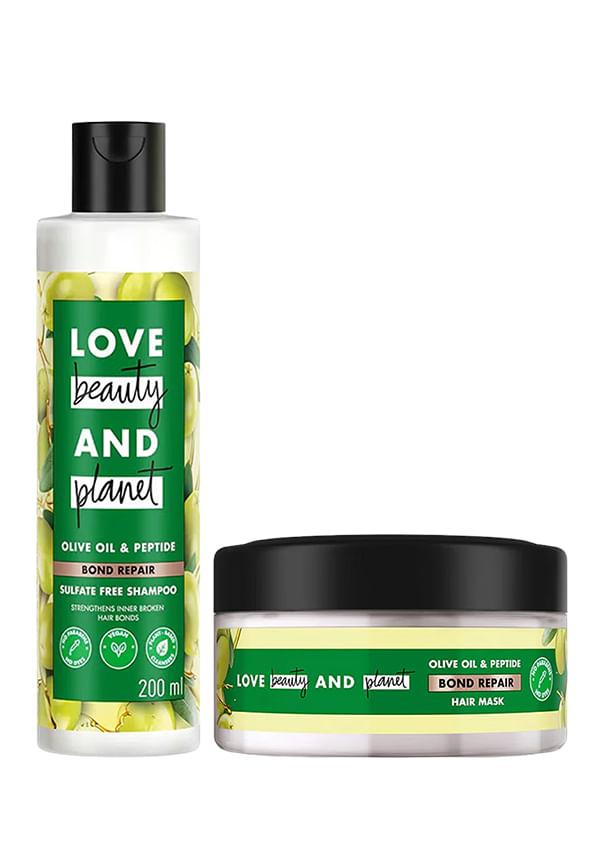
Olive Oil & Peptide Bond Repair Shampoo & Hair Mask
Think of it like combination skin, oily T-zone, dry cheeks, but on your head. It needs two different approaches inside one routine. The classic mistake is choosing products for only one half of the problem: a rich hydrating range that greases up the roots, or a strong oil-control range that leaves your ends parched. A good combination hair care routine isn't about one miracle product, it's about using the right thing in the right place.
Cleanse the scalp, protect the ends, and condition only from the mid-lengths down.
If you've been searching how to wash dry hair without greasing your roots (or the other way round), this zone-based method is the answer for most people:
Massage shampoo into your scalp and roots only, where the oil actually sits
Let the lather rinse down the lengths on its own, that's plenty of cleansing for dry ends
Apply conditioner from the ears down, never near the scalp
Rinse with cooler water to help the cuticle lie flat and hold on to moisture
Once a week, use a clarifying wash on the roots if they feel congested, and a richer mask on the ends the same day
Consistency is what balances things out here, not constantly switching products.
More often than dry hair, less often than fully oily hair, usually every two to three days.
Because your scalp is genuinely oily, stretching washes too far just leaves your roots limp and greasy. But washing every day can dry your ends further and sometimes nudges the scalp into producing even more oil. Every second or third day is a solid starting point. On the in-between days, a light dusting of dry shampoo on the roots buys you time without touching your fragile ends.
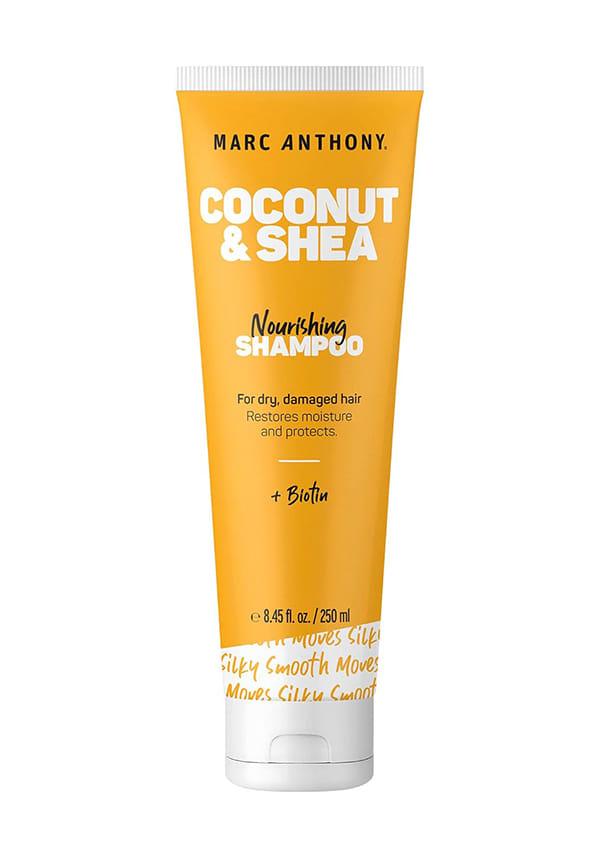
Hydrating Coconut Oil And Shea Butter Shampoo
Keep every moisturising product below the ears and concentrate it on the driest parts.
Honestly, this one placement rule fixes most combination-hair frustration on its own. Conditioner, masks, oils and leave-ins should start around the mid-length and get richer towards the ends, which are the oldest, most worn part of your hair. Your roots are already getting oil from your scalp, so they need cleansing, not more moisture. If you like using a hair oil, keep it strictly on the ends, and ideally apply it before a wash so any excess rinses out next time.
A gentle or clarifying shampoo for the roots, paired with a richer conditioner or mask for the ends.
Instead of hunting for one all-over hero product, think in pairs. A good oily scalp dry hair remedy is really just two well-matched products used in the right zones:
A balancing or clarifying shampoo for oily scalp to manage grease without stripping
A nourishing shampoo for oily scalp and dry ends works too, as long as it's gentle enough for daily-ish use
A conditioner used only on the mid-lengths and ends
A weekly hydrating mask for the ends, with ingredients like shea butter, argan oil or hyaluronic acid
A lightweight leave-in or serum on the ends only, to smooth without weighing roots down
A dry shampoo for refreshing roots between washes
Match richness to zone. Heavy, buttery formulas belong on the ends, never near your scalp.
Heat, humidity and hard water all tip combination hair further off balance. Across much of India, summer heat and sweat make the scalp oilier, so roots can look greasy within hours, while hard water leaves a rough mineral film that makes already dry ends feel even drier and more tangled. If you're in a hard water area, a weekly clarifying wash on the roots plus a richer weekly mask on the ends helps a lot. Rinsing with stored or filtered water, or fitting a simple shower filter, can make a real difference to how your ends feel over time.
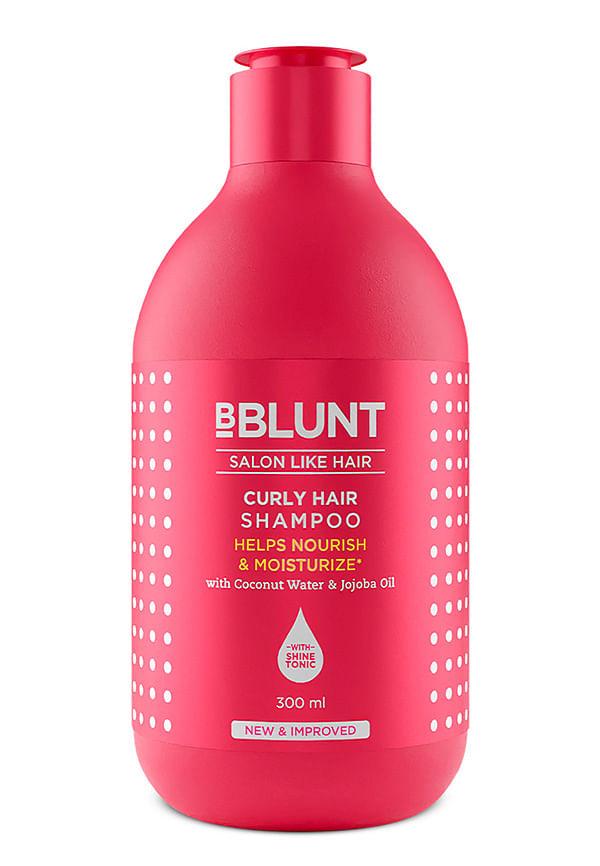
Curly Hair Shampoo with Coconut Water & Jojoba Oil
A good zone-based routine can genuinely balance combination hair. Within a few weeks of consistency, you can expect roots that stay fresh longer, ends that feel softer and less brittle, and hair that just looks healthier overall. Placement and frequency do most of the heavy lifting, not fancy products.
What it can't do: it won't change the hair type you were born with, and it can't repair split ends. Once ends have split, a trim is the only real fix, products can smooth and protect them but not glue them back together. And if your scalp is intensely oily with itching or flaking, or your ends are snapping off despite good care, that's worth a chat with a dermatologist or trichologist rather than another product swap.
Is oily roots and dry hair ends a sign of damaged hair?
Not usually. It's most often just your natural hair type, an oily scalp plus lengths that don't get enough of that oil. Heat, colour and hard water can make the dry ends worse, but the basic pattern itself is completely normal and manageable.
Should I use different shampoo and conditioner for combination hair?
Ideally yes, or at least use them in different zones. A gentle or clarifying shampoo for oily scalp on the roots, and a richer conditioner only on the ends, works far better than one product used everywhere.
How do I find a shampoo for oily scalp and dry ends that suits me?
Combination hair is fussy, and what balances one person's hair can flop on another's, so trying before buying really helps here. You can try minis or trial packs on Smytten to see how a shampoo behaves on both your roots and ends first, then buy the full size once you know it strikes the right balance.
Can I use hair oil if my roots are already greasy?
Yes, just keep it on the ends only, and ideally before you wash. Oiling an already oily scalp is what causes that flat, greasy look, but your dry ends will happily drink it up.
How often should I use a hair mask?
Once a week is enough for most people, applied only to the mid-lengths and ends. More than that can start weighing your hair down.
What's the best way to try a hair mask without buying a whole tub?
Masks are easy to overspend on, and a rich one meant for dry ends can be too much if used wrong, so testing first is smart. You can try minis or trial packs on Smytten to feel how a mask leaves your ends, then invest in the full size if it earns a permanent spot in your routine.
Will washing my hair less often fix the oily roots?
For combination hair, usually not. Because the scalp is genuinely oily, long gaps between washes tend to leave roots limp rather than balanced. Every two to three days, with dry shampoo in between, works better.
Do I actually need dry shampoo?
It's optional but handy. On combination hair it lets you refresh oily roots between washes without wetting and re-drying your delicate ends, which is a real win for the lengths.
Combination hair stops being a headache the moment you stop fighting it with one product. Cleanse where the oil is, hydrate where the dryness is, and keep everything rich strictly on the ends. Wash every couple of days, condition from the ears down, and treat your ends to a weekly mask. If you're not sure which shampoo, conditioner or mask suits your particular balance, you can try minis or trial packs on Smytten first, then buy the full size once you've found the combination that genuinely works for your hair. Treat your roots and ends as the two different things they are, and the whole thing gets a lot easier to live with.
