Frizzy Hair Products Guide for Thin Hair: Your Questions Answered

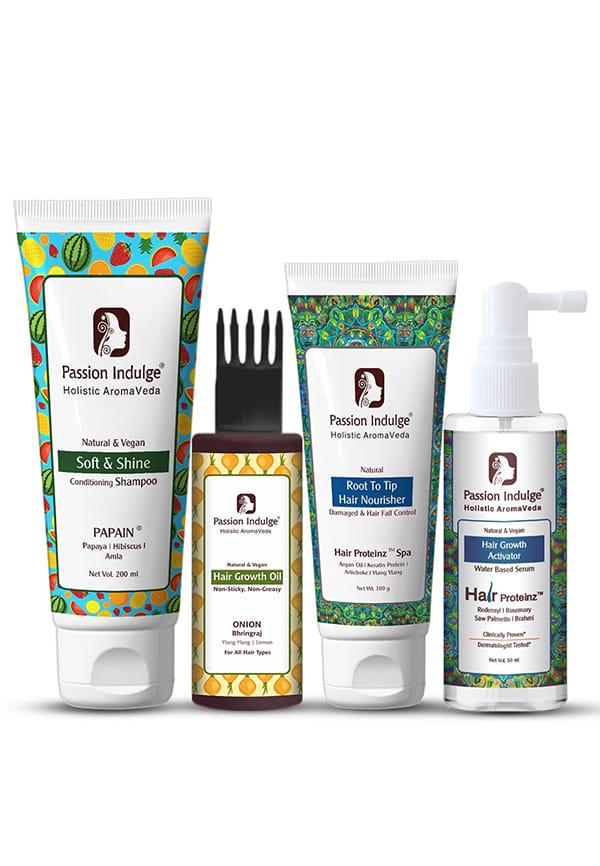
Onion Hair oil, Rosemary Hair Growth Serum, Hair Spa Protein Booster & Papain Shampoo
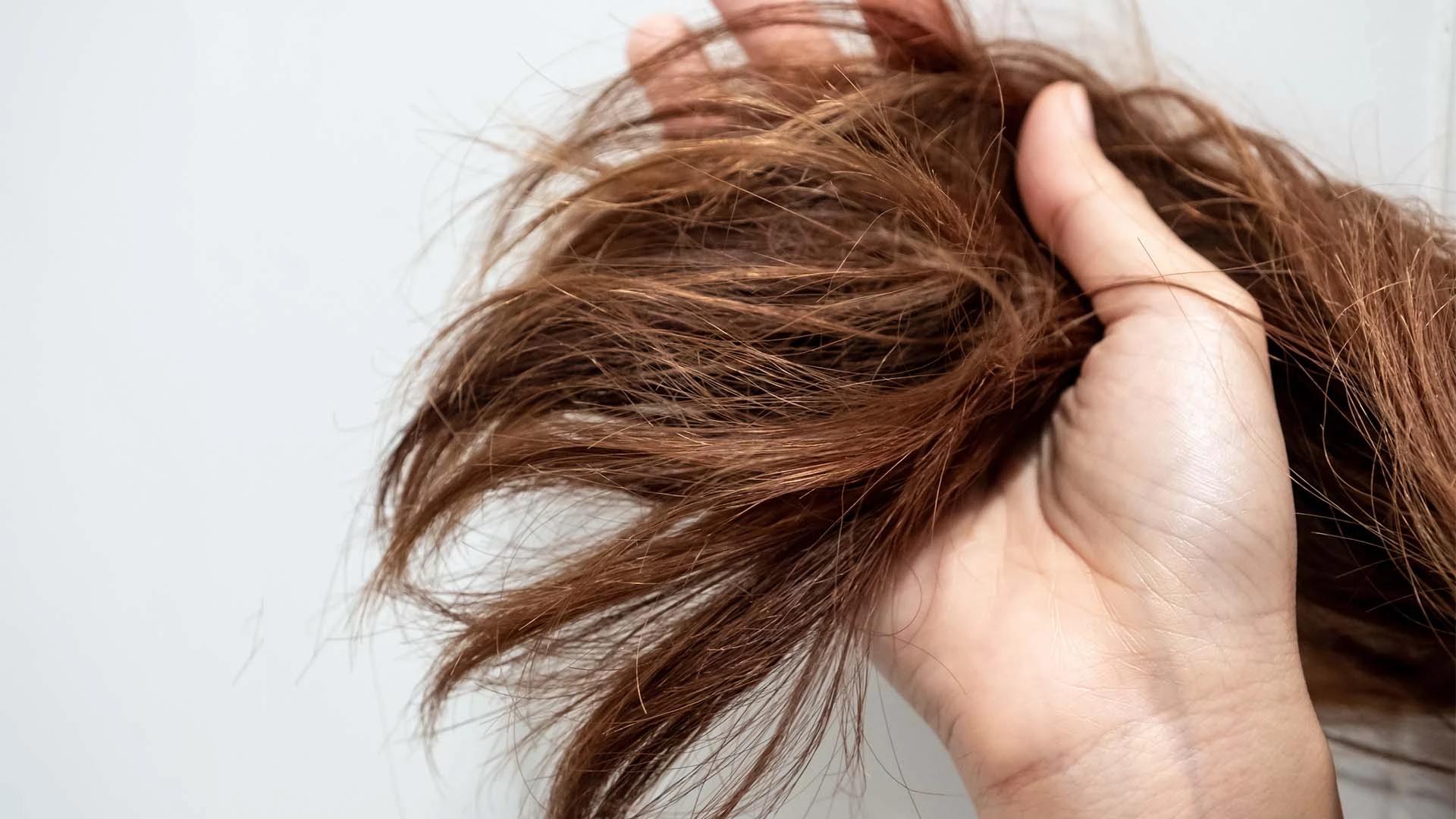
Let's be real—having thin, frizzy hair feels like you're stuck between a rock and a hard place. Use heavy products to tame the frizz, and your hair goes flat. Skip the anti-frizz treatments, and you're left looking like you've been caught in a windstorm. If you've been searching for the perfect frizzy hair products guide for thin hair, you're not alone. Millions of people with fine strands face this exact dilemma every single day. The good news? There are solutions that actually work without sacrificing volume or weighing your hair down. Finding the right products isn't about choosing between frizz control and bounce—it's about understanding what your delicate strands need and how to give it to them. Whether you're dealing with humidity-induced chaos or just naturally unruly fine hair, this guide will walk you through everything you need to know. From lightweight formulas that pack a punch to application techniques that maximise results, we've got your back. And with platforms like Smytten offering trial-sized versions of top haircare brands, you can test products before committing to full sizes—because nobody wants another expensive mistake sitting in their bathroom cabinet.
TL;DR
Thin hair requires lightweight, volume-preserving anti-frizz products that won't weigh strands down
Look for water-based serums, volumising mousses, and silicone-free formulas designed specifically for fine hair
Application technique matters—less is more, and strategic placement prevents buildup while maximising frizz control
Avoid heavy oils, thick creams, and sulfate-heavy shampoos that can flatten delicate strands
Trial-sized products help you test effectiveness before investing in full-size versions
Thin hair and frizz make for a particularly tricky combination. Unlike thick, coarse strands that can handle heavier formulations, fine hair needs a completely different approach to frizz management. The challenge lies in finding products that smooth the hair cuticle without overwhelming delicate strands.
Fine hair strands have a smaller diameter, which means they're more susceptible to environmental damage and moisture imbalances. The hair cuticle on thin strands is often more porous, allowing humidity to penetrate easily and cause that dreaded frizz. Additionally, fine hair produces less natural oils from the scalp, leaving strands more vulnerable to dryness and subsequent frizzing.
This is where most people with thin, frizzy hair go wrong. Traditional anti-frizz products are formulated for thicker hair types and contain heavy ingredients that instantly flatten fine strands. The key is finding lightweight anti-frizz products that provide control without compromising volume. Think water-based serums instead of oil-heavy creams, and volumising mousses rather than thick styling gels.
When it comes to managing frizzy thin hair, not all products are created equal. The best frizz control for thin strands comes from understanding which product categories work best for your hair type and how to use them effectively.
Volumizing frizz-free products should be your go-to for daily styling. Look for mousses that add body while smoothing the cuticle, or lightweight mists that provide humidity protection without weighing hair down. These products typically contain polymers that create a protective barrier around each strand while maintaining natural movement.
Smoothing serum for fine hair should be applied sparingly to damp hair, focusing on mid-lengths and ends. Water-based serums work better than oil-based ones for fine hair types.
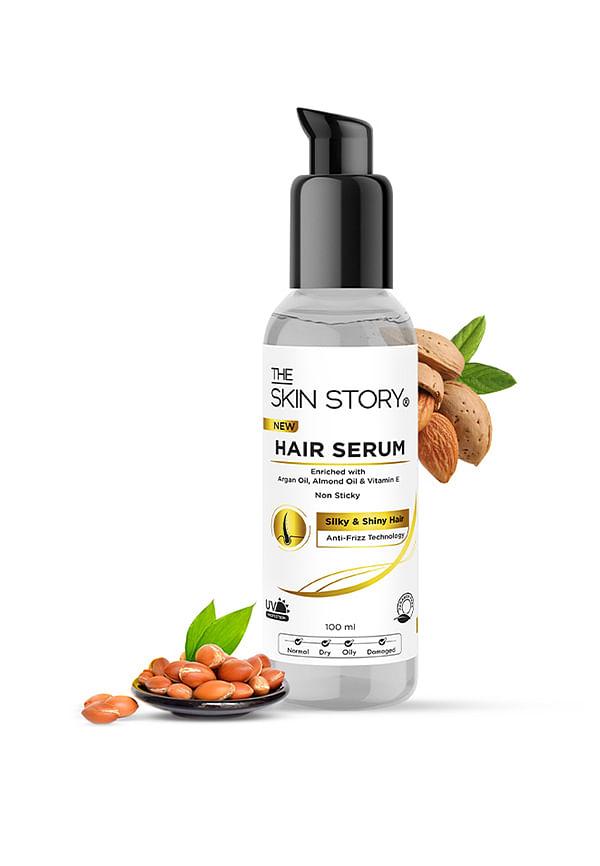
Hair Serum With Anti Frizz Technology And UV Protection, Non-Sticky For Silky Hair
Nice Product, Go For It
 5
5“nice product go for it 💯💯💯💯”
Love and Recommend Product
5“I love this product. I'll definitely recommend this”
Fabulous Product
5“its fabulous loved everything about it”
Hair products for frizzy fine hair like volumising mousses can be applied from roots to tips, providing both lift and frizz control in one step.
Taming flyaways on thin hair requires targeted solutions like anti-static sprays or very light finishing oils applied only to problem areas.
Building an effective routine for frizz solutions for delicate hair starts with understanding that every step matters. From cleansing to styling, each product choice impacts how your hair behaves throughout the day.
Managing frizzy thin hair begins in the shower. Sulfate-free shampoos are essential because they cleanse without stripping natural oils that fine hair desperately needs. Wash every other day or every two days to prevent over-drying, and consider using a pre-shampoo treatment with lightweight oils on particularly dry weeks.
Lightweight conditioning is crucial for fine, frizzy hair. Apply conditioner only to mid-lengths and ends, avoiding the roots to prevent weighing hair down. Leave-in conditioners designed for fine hair can provide ongoing moisture without buildup, while rinse-out treatments should be used sparingly.
Deciding between salon treatments and at-home solutions depends on your budget, time, and the severity of your frizz concerns. Both approaches have their place in a comprehensive hair care routine.
Professional treatments like keratin smoothing services can be adapted for fine hair, but require experienced stylists who understand how to adjust formulations for delicate strands. These treatments typically last 3-4 months and can significantly reduce daily styling time. However, they're a significant investment, often costing ₹8,000-₹15,000 depending on your location and salon.
Budget-friendly alternatives include rice water rinses, which can smooth the hair cuticle naturally, and diluted apple cider vinegar treatments that help balance pH levels. However, be cautious with DIY protein treatments, as fine hair can easily become over-proteined and brittle.
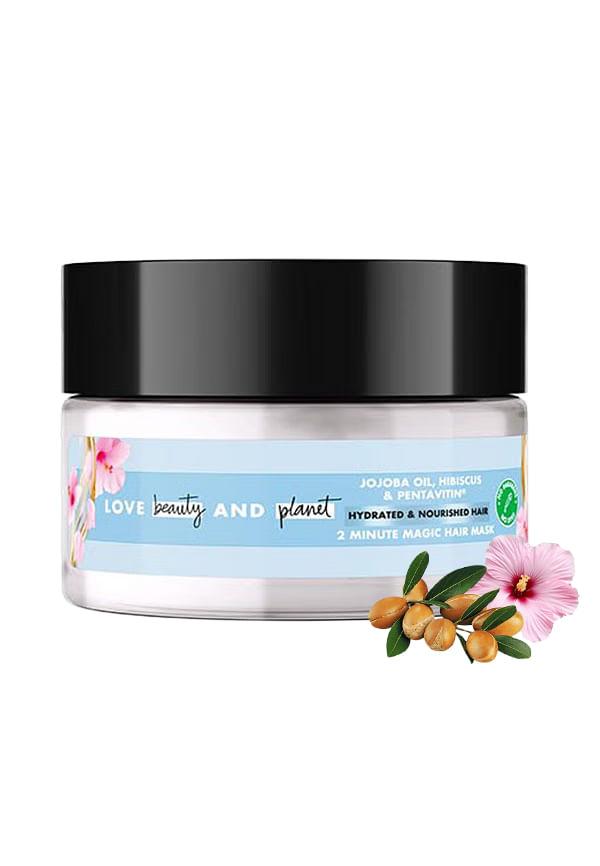
Jojoba oil , Hibiscus & Pentavitin Hydrate & Nourish Hair Mask
Hair Mask Works
5“first time using this one hair mask and it also works”
Hair Mask Works
5“first time using this one hair mask and it also works”
Good Product, Go For It
5“like the product just go for it.”
Knowing which ingredients work best for your hair type can save you time, money, and frustration. The right formulation can make the difference between good and great hair days.
Look for humectants like glycerin and hyaluronic acid that attract moisture without heaviness. Light emollients such as cyclomethicone provide smoothness without buildup. Protein treatments should be used sparingly—once every 2-3 weeks maximum for fine hair. Water-soluble silicones like dimethicone copolyol provide frizz control without the heavy feeling of traditional silicones.
Heavy oils like coconut oil and shea butter can overwhelm fine strands. Sulfates strip natural oils that thin hair needs for protection. Avoid products with multiple heavy silicones listed in the first five ingredients, as these can cause buildup that weighs hair down over time.
Even the best products won't work if you're not applying them correctly. Fine hair requires a lighter touch and strategic placement to achieve optimal results without sacrificing volume.
Start with the lightest products first—heat protectant, then volumising mousse, followed by smoothing serum. Use about half the amount you think you need, and build up gradually if necessary. Wait 30-60 seconds between each product application to allow proper absorption.
Blow-dry with a round brush, lifting at the roots while smoothing the lengths. Use cool air for the final blast to set the style and seal the cuticle. For air-drying, scrunch gently with a microfibre towel and avoid touching hair while it dries to prevent frizz activation.
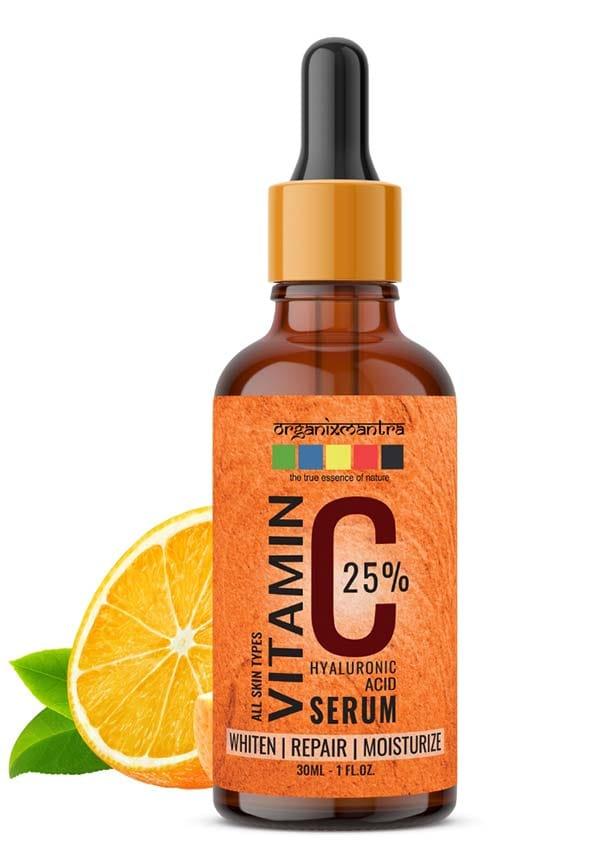
Vitamin C Serum 25% Vitamin B3, Skin Brightening, Hydrating
The best products are lightweight, water-based serums and volumising mousses specifically formulated for fine hair. Look for brands that offer trial sizes so you can test effectiveness before committing to full-size purchases. Smytten's collection of haircare minis lets you try multiple products without the financial risk of buying full sizes that might not work for your hair type.
Prevention starts with proper cleansing using sulfate-free shampoos, followed by lightweight conditioning. Use a microfibre towel to gently squeeze out excess water, apply heat protectant before styling, and sleep on silk or satin pillowcases to reduce friction. Humidity protection sprays are essential during monsoon season.
Professional keratin treatments adapted for fine hair can provide long-lasting results, but at-home protein treatments used monthly can also help strengthen and smooth strands. Deep conditioning masks designed for fine hair should be used weekly, focusing on mid-lengths and ends only.
Yes, thin hair is more prone to frizz because fine strands have a more porous cuticle structure that allows moisture to penetrate easily. The smaller diameter also means less natural oil distribution from scalp to ends, leaving hair more vulnerable to environmental damage and humidity.
Regular anti-frizz products are often too heavy for fine hair and can cause flatness and buildup. Always choose products specifically formulated for fine or thin hair types. When shopping on Smytten, look for products that mention 'lightweight,' 'volumising,' or 'for fine hair' in their descriptions.
Wash every 2-3 days to maintain natural oils while keeping hair clean. Over-washing strips essential moisture that fine hair needs for frizz protection, while under-washing can lead to product buildup that weighs hair down.
Managing frizzy thin hair successfully comes down to choosing the right products and using them correctly. Lightweight, water-based formulations work best for fine strands, while heavy oils and thick creams should be avoided. The key is finding that sweet spot between frizz control and volume preservation. Remember that less is often more with fine hair—start with small amounts and build up as needed. Proper application techniques, from root-lifting during blow-drying to strategic product placement, can make a significant difference in your results. Most importantly, don't be afraid to experiment with different products until you find your perfect combination.
Finding the right frizzy hair products guide for thin hair doesn't have to be a guessing game. With Smytten's extensive collection of trial-sized haircare products from over 2,400 trusted brands, you can explore different formulations without committing to full-size purchases. The platform's trial packs let you test everything from lightweight serums to volumising mousses, helping you discover what works best for your unique hair needs. With 100% cashback on trial purchases and the convenience of trying before you buy, you can build your perfect anti-frizz routine with confidence. After all, why settle for maybe when you can #TryItAll and find products that truly work for your fine, frizzy hair?
