Frizzy Hair FAQ: Your Top Questions Answered


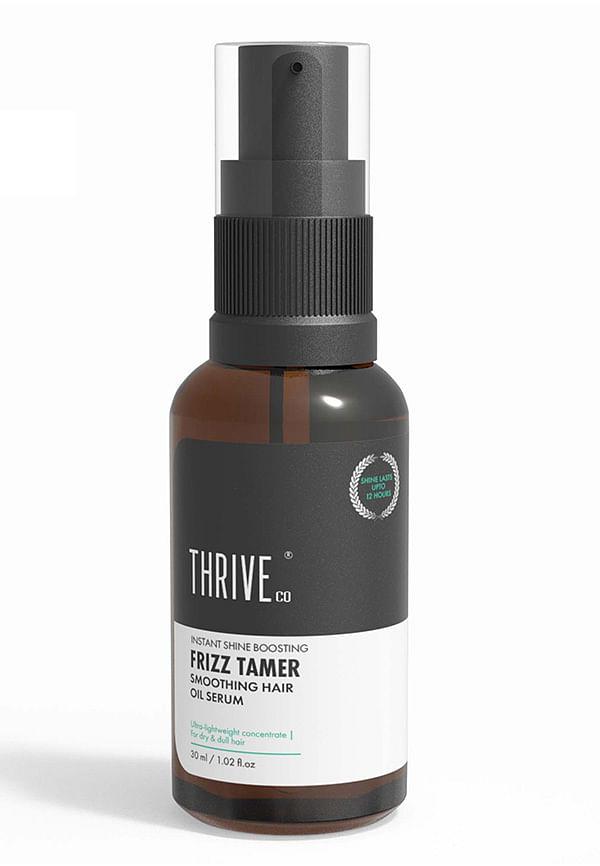
Frizz Tamer Smoothening Hair Oil
You know that moment when you step outside and your hair instantly transforms into a frizzy mess? Or when you spend ages styling your hair, only to have it rebel against you by lunchtime? Real talk — frizzy hair can feel like your worst enemy, especially when you're trying to look put-together. But here's the thing: frizz isn't actually your hair misbehaving. It's usually your hair crying out for help, whether that's moisture, the right products, or just a better routine. The good news? Once you understand what's causing the chaos, managing frizzy hair becomes so much easier.
Let's start with the science bit (but keep it simple). Your hair has a protective outer layer called the cuticle, made up of tiny scales that should lie flat. When these scales lift up, moisture escapes and humidity gets in — hello, frizz! Think of it like roof tiles that aren't sitting properly.
Several things can cause this cuticle chaos. Humidity is the obvious culprit — when there's moisture in the air, your hair tries to absorb it, causing those cuticles to swell and lift. But it's not just the weather. Heat styling without protection, harsh chemicals from colouring or relaxing, and even aggressive towel-drying can damage your cuticles over time.
Your hair's natural porosity also plays a huge role. High-porosity hair has gaps in the cuticle, making it super thirsty for moisture but also quick to lose it. Low-porosity hair struggles to let moisture in at all. And sometimes, it's just genetics — thanks, mum and dad!
Hormonal changes can shake things up too. Pregnancy, menopause, or even stress can alter your hair's texture and make it more prone to frizz. Your hair might have been perfectly behaved for years, then suddenly decide to go rogue.
We've all been there — running late and your hair looks like you've been struck by lightning. Here are some proper quick fixes that actually work when you need frizzy hair solutions fast.
First up, the wet hands trick. Slightly dampen your hands and gently smooth them over your hair. This adds just enough moisture to calm flyaways without making your hair look wet. Follow up with a tiny amount of hair serum or even a drop of facial oil if that's all you have.
Got a silk scarf? Wrap it around your hair for a few minutes while you do your makeup. The smooth fabric helps flatten the cuticles and reduces static. No scarf? A clean cotton t-shirt works too — just press it gently against your hair rather than rubbing.
For emergency hair frizz control, try the ice cube method. Wrap an ice cube in a thin cloth and gently run it over your hair. The cold helps seal the cuticles temporarily. Sounds mad, but it works!
If you've got five minutes to spare, mix a tiny bit of leave-in conditioner with water in a spray bottle and mist it over your hair. Scrunch gently and let it air dry while you finish getting ready. This gives you instant moisture without the weight of heavy products.
Sometimes the best frizzy hair remedies are hiding in your kitchen. These natural treatments can be proper game-changers for managing frizzy hair, and they won't break the bank.
Coconut oil is your friend here. Warm a small amount (don't make it hot!) and work it through damp hair, focusing on the mid-lengths and ends. Leave it for 20-30 minutes, then shampoo as usual. Argan oil and olive oil work brilliantly too.
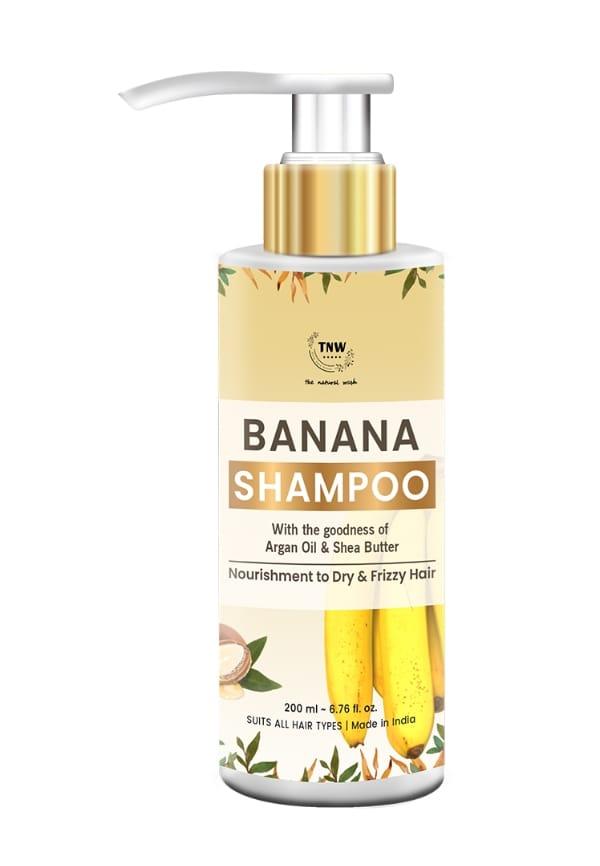
Banana Shampoo for Frizz | AntiFrizz Shampoo for All Hair Types | Banana Shampoo for Manageable Hair200ml
Mash up half an avocado with a tablespoon of honey and a beaten egg. This combo gives you moisture, protein, and shine all in one. Apply to damp hair, leave for 20 minutes, then rinse thoroughly with cool water. Your hair will thank you.
Mix one part apple cider vinegar with three parts water. After shampooing, pour this over your hair and rinse with cool water. It helps balance your hair's pH and smooths the cuticles. Don't worry about the smell — it disappears once your hair dries.
Pure aloe vera gel (the kind without alcohol) makes an excellent leave-in treatment. It's lightweight, moisturising, and helps define curls while reducing frizz. Just work a small amount through damp hair and style as usual.
When it comes to anti frizz products, the key is finding what works for your specific hair type. Not all frizz is created equal, so your products shouldn't be either.
Look for the best shampoo for frizz that's sulphate-free. Sulphates strip your hair of natural oils, making frizz worse. Ingredients like glycerin, hyaluronic acid, and natural oils are your friends. Avoid anything that promises to 'deep clean' — that usually means it's too harsh.
Deep conditioning treatments should be non-negotiable in your routine. Look for products with ceramides, proteins, and moisturising ingredients like shea butter or argan oil. Use a proper hair mask once a week — your hair needs that extra TLC.
A good hair serum for frizz can be a total game-changer. Silicone-based serums create a protective barrier against humidity, while oil-based ones provide deep nourishment. Start with a tiny amount — you can always add more, but it's hard to take away.
If you're using heat tools, a heat protectant isn't optional — it's essential. Look for products that offer protection up to 230°C and contain moisturising ingredients. Some even have anti-humidity properties for extra frizz protection.
Managing frizzy hair is all about consistency. Your daily routine can make or break your frizz-fighting efforts, so let's get it right.
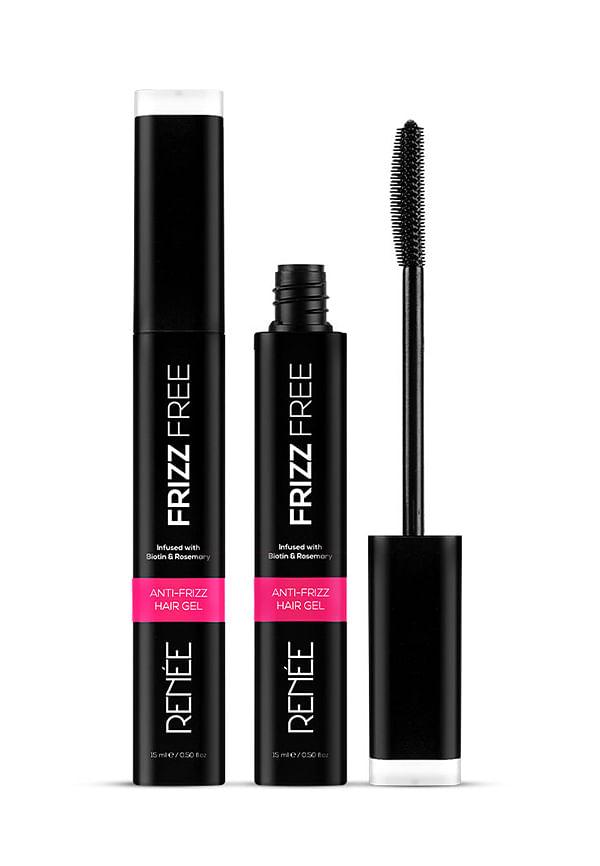
Frizz Free Anti Frizz Hair Gel
Don't wash your hair every day — it strips natural oils and makes frizz worse. Aim for 2-3 times a week max. When you do wash, use lukewarm water, not hot. Hot water opens the cuticles and invites frizz in.
Step away from the terry cloth towel! It's too rough and creates friction. Use a microfibre towel or cotton t-shirt instead, and gently press the water out rather than rubbing. If you're air-drying, scrunch your hair gently and leave it alone — touching it while it dries creates frizz.
When blow-drying, use a diffuser attachment and keep the heat on low. Direct the airflow down the hair shaft, not against it. For smooth hair tips, finish with a blast of cool air to seal the cuticles.
Sleep on a silk or satin pillowcase — it reduces friction and helps maintain your style. Alternatively, wrap your hair in a silk scarf or use a silk hair wrap. For longer hair, try a loose braid or pineapple ponytail to prevent tangles.
Weather changes can wreak havoc on frizzy hair, but with the right humidity hair solutions, you can stay one step ahead.
In humid weather, layer your products strategically. Start with a leave-in conditioner on damp hair, add a small amount of anti-frizz serum, then finish with a light hairspray that offers humidity protection. The key is creating a barrier without weighing your hair down.
During dry winter months, your hair needs extra moisture. Switch to a more intensive conditioner and consider adding a hair oil to your routine. Static becomes a bigger problem in dry air, so anti-static sprays can be lifesavers.
For rainy days, embrace protective styles like braids, buns, or sleek ponytails. These keep your hair contained and reduce exposure to moisture. A good umbrella doesn't hurt either!
The key to stopping frizz is maintaining proper moisture balance and protecting your hair cuticles. Use sulphate-free shampoos, deep condition regularly, and always apply a heat protectant before styling. Avoid over-washing and harsh towel-drying. Consistency with these smooth hair tips will gradually reduce frizz over time.
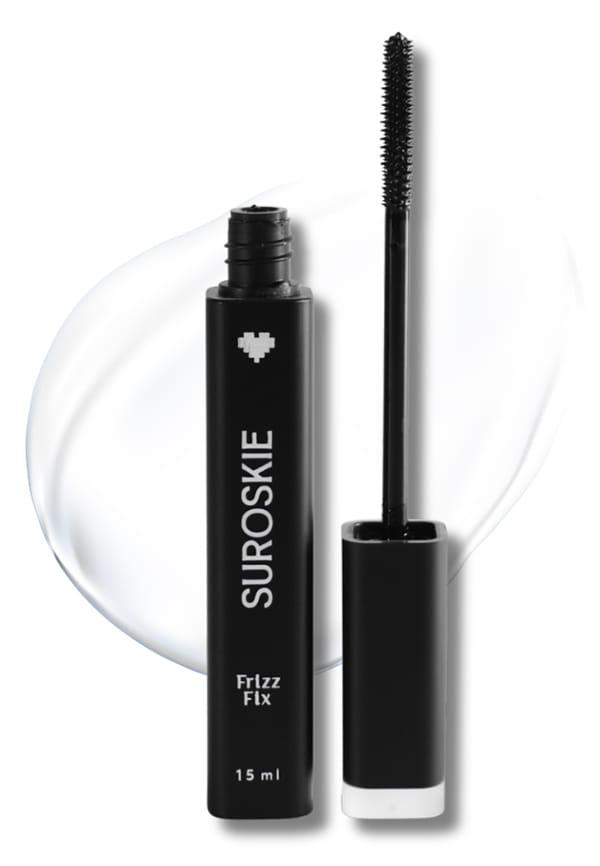
Anti Frizz Hair Stick
While you can't permanently change your hair's natural texture, you can significantly improve its condition with consistent care. Professional treatments like keratin can provide long-lasting smoothness for 3-6 months. However, the most sustainable approach is developing a proper routine with the right products for your hair type.
Yes, coconut oil can be brilliant for reducing frizz, especially for dry or damaged hair. It penetrates the hair shaft better than most oils and helps seal moisture in. However, if you have fine or low-porosity hair, it might be too heavy. Start with a small amount on the ends and see how your hair responds.
For quick fixes, try the damp hands technique — lightly wet your hands and smooth them over your hair. Apply a tiny amount of hair serum or oil, focusing on the mid-lengths and ends. A silk scarf pressed over your hair for a few minutes can also help flatten flyaways fast.
Overnight frizz usually happens due to friction against your pillowcase, tossing and turning, or sleeping in a room that's too dry or humid. Switch to a silk or satin pillowcase, try protective hairstyles like loose braids, and consider using a humidifier if your room is very dry.
Absolutely. Your hair's natural texture, porosity, and tendency toward frizz are largely determined by genetics. However, environmental factors, damage, and your haircare routine can make genetic frizz better or worse. You might not be able to change your hair's natural tendencies, but you can definitely work with them.
Most people with frizzy hair should wash 2-3 times per week maximum. Over-washing strips natural oils that help control frizz. If your hair gets oily quickly, try using a dry shampoo between washes rather than washing more frequently. Your hair will gradually adjust to the new routine.
Avoid sulphates (sodium lauryl sulphate, sodium laureth sulphate), which strip natural oils. Alcohol-based products can be drying, though fatty alcohols like cetyl alcohol are actually beneficial. Be cautious with protein treatments if your hair is already damaged — too much protein can make hair brittle and more prone to frizz.
Managing frizzy hair doesn't have to be a daily battle. With the right combination of gentle products, proper techniques, and a bit of patience, you can transform your relationship with your hair. Remember, what works for your friend might not work for you — frizzy hair is personal, and finding your perfect routine takes some experimenting.
The most important thing is being consistent with your haircare for frizzy hair. Small changes in your routine can lead to big improvements over time. Whether you're reaching for natural remedies or investing in professional treatments, the key is understanding what your hair actually needs rather than fighting against its natural texture.
At Smytten, you'll find a curated selection of anti-frizz products from trusted brands, plus the convenience of India-wide delivery and cashback on purchases. Not sure which serum or treatment might work for your hair type? Many of these products are also available in trial sizes — a smart way to test what works before committing to the full-size version.
