Frizz-Free Hair Checklist: Your Path to Smooth Strands
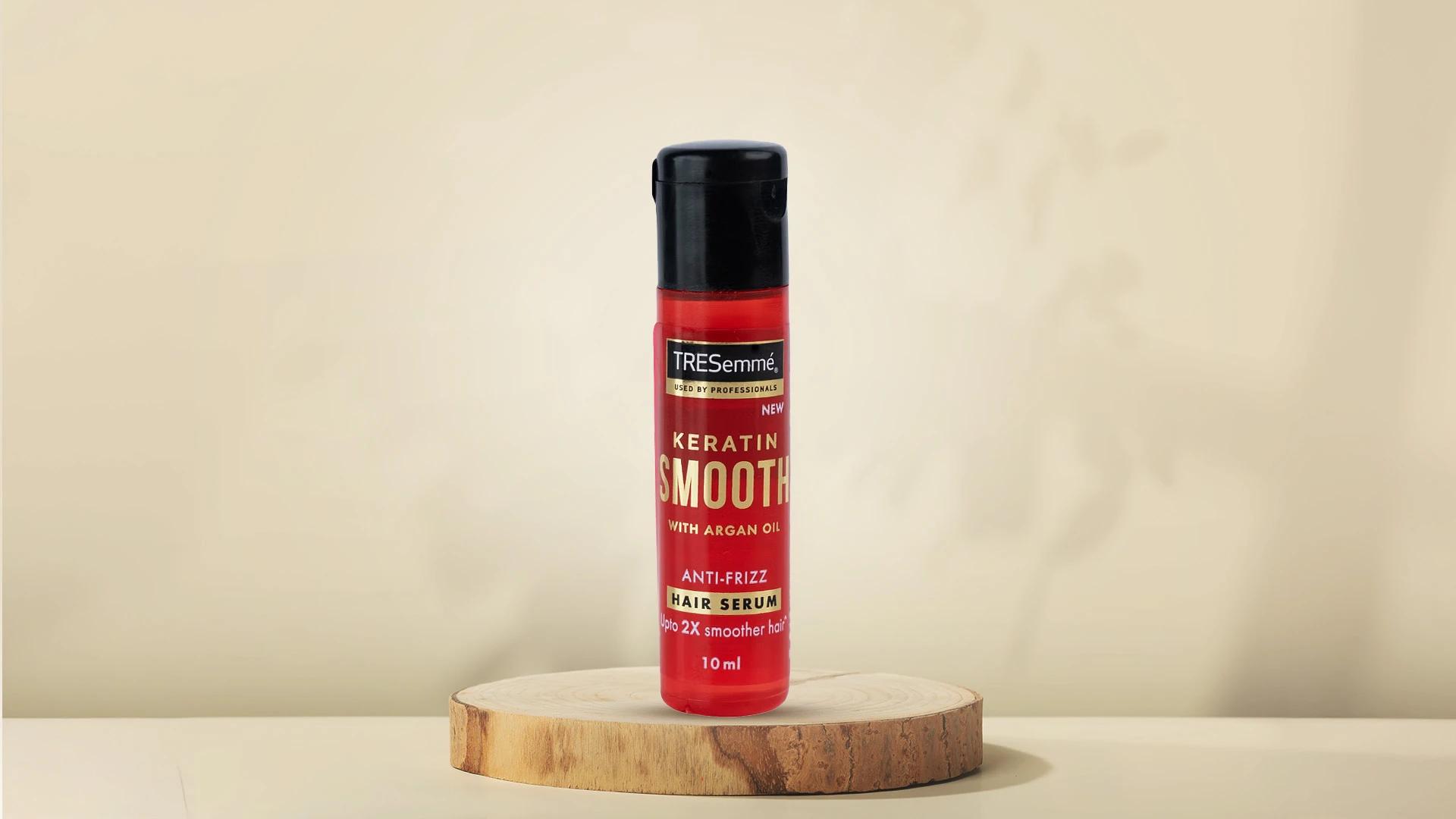

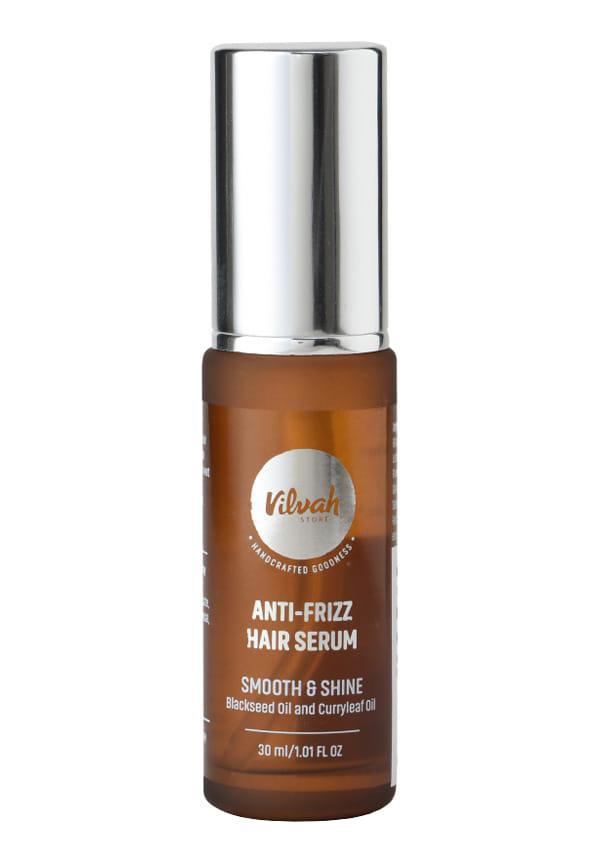
Anti-Frizz Hair Serum
You’ve spent hours styling your hair, only to step outside and see it morph into a frizzy mess. It can feel super frustrating when your strands just refuse to cooperate, especially on those humid days. Frizzy hair can be caused by a mix of dryness, damage, and environmental factors. But don't stress; here’s a step-by-step checklist that promises actionable fixes for achieving smooth, manageable hair. Whether you’re hunting for the best shampoo for frizzy hair, curious about natural remedies for frizzy hair, or simply need straightforward advice on deep conditioning for frizzy hair, this guide is your go-to buddy for smooth hair solutions.
Knowing your enemy is the first step towards taming it. Frizzy hair often results from a lack of moisture, exposure to humidity, and styling damage. By identifying your unique hair type and its needs, you’re better equipped to design a haircare routine that suits you. Recognising the specific causes behind your frizz can make all the difference in choosing the right products and techniques.
Frizz can also stem from external factors like climate, hair porosity, and even diet. Curly hair, for example, naturally struggles with moisture retention due to its structure, while straight hair may frizz due to heat damage or improper product use. By understanding these distinctions, you can tailor your approach to frizz control more effectively.
Additionally, lifestyle habits such as frequent washing or skipping protective haircare steps can exacerbate frizz. Incorporating hydrating treatments and avoiding harsh chemicals can help restore balance and smoothness to your locks.
Key culprits include:
Frizz isn’t fair—it affects curly, wavy, and even straight hair but in different ways. For instance, curly hair tends to be naturally drier, making it more prone to frizz. Straight hair might experience frizz due to damage or the wrong strengthening regimen. Recognising these nuances will help you answer the all-important question: how to fix frizzy hair.
Curly and wavy hair often require more intensive hydration, while straight hair benefits from lightweight, protective products. Understanding your hair type’s specific needs is crucial to selecting effective solutions and achieving long-term frizz control.
Ready for your frizzy hair treatment routine? Here’s a handy checklist that breaks down each step to ensure your hair feels smooth and fabulous all day long.
Consistency is key when tackling frizz. By following a structured routine and incorporating the right products, you can gradually repair damage and restore your hair’s natural shine. This checklist provides actionable steps to help you manage frizz effectively.
Your journey starts with selecting the best shampoo for frizzy hair. Opt for sulfate-free, hydrating formulations that cleanse without stripping natural oils. Ingredients like argan oil or keratin are worth obsessing over, as they work wonders in smoothing strands and battling frizz.
When choosing a shampoo, look for labels that emphasize hydration and repair. Avoid harsh chemicals that can dry out your hair further, and consider alternating between regular shampoos and clarifying ones to maintain scalp health.
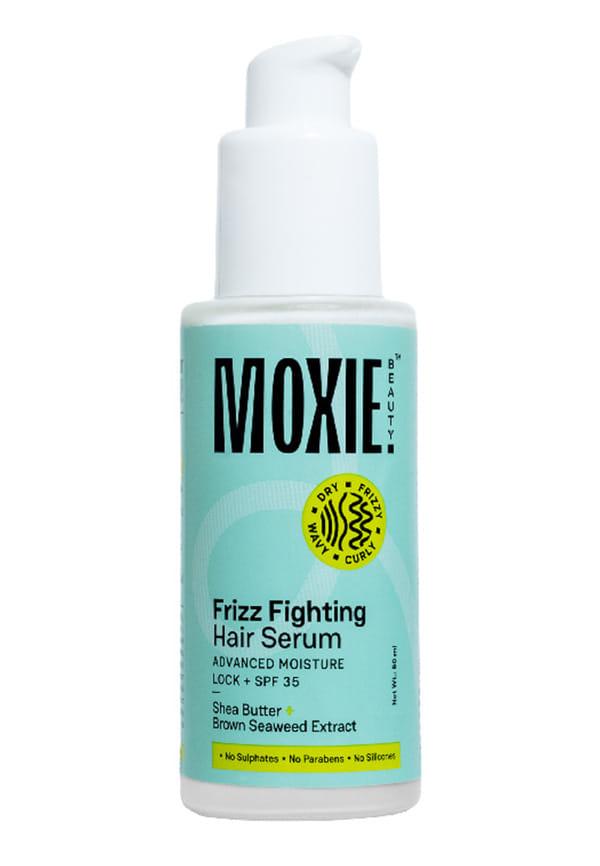
Frizz Fighting Hair Serum For Dry and Frizzy Hair
Excellent, Compact Product
 5
5“excellent product, delivering the promise and vompact to carry”
Next up, regular conditioning coupled with deep conditioning for frizzy hair treatments is key. A good conditioner restores moisture and smoothness, while weekly treatments help repair damage. Keep an eye out for nourishing ingredients like shea butter or coconut oil to keep your hair soft and manageable.
For best results, apply conditioner from mid-length to ends, avoiding the scalp to prevent buildup. Leave it on for a few minutes to allow the nutrients to penetrate deeply into your strands.
Introduce a routine of hydrating hair masks that help lock in moisture and mend damage. These masks are a brilliant way to give your hair some extra TLC. You can experiment with DIY natural remedies for frizzy hair such as avocado and honey masks, which not only repair but also add a stunning shine.
Consider alternating between store-bought masks and homemade ones to find what works best for your hair type. Regular use can significantly improve texture and manageability over time.
Humidity can be your hair’s worst enemy. Investing in humidity-resistant haircare products like anti-humidity sprays or serums can really help. Layering these with your regular routine ensures maximum protection and keeps your frizz under control even on the most muggy days.
To enhance effectiveness, apply anti-humidity products to damp hair before styling. This creates a barrier that shields your strands from moisture in the air.
A leave-in conditioner for frizz is a smart addition to your routine. It smooths your strands and provides all-day protection without weighing your hair down. Whether you have fine hair or thicker locks, there are formulas out there that offer just the right amount of moisture and protection.
Choose lightweight formulas for fine hair and richer ones for thicker textures. Experimenting with different brands can help you find the perfect match for your needs.
Simple styling choices can mean big differences. Use frizz control tips like heat protection sprays if you venture into using hot tools, and try hairstyles that naturally minimise frizz, such as braids or buns. This way, your hair not only looks trendy but also stays healthy.
Minimize the use of heat tools whenever possible, and opt for air-drying or diffusing techniques to reduce frizz caused by excessive heat exposure.
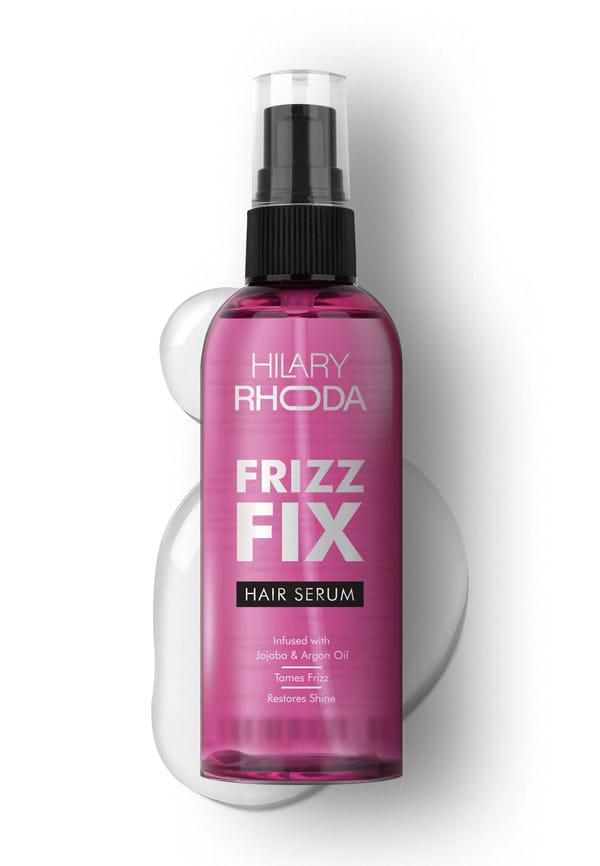
Frizz Fix Hair Serum
Nice and Useful Product
5“nice product and very much useful product”
Nice and Useful Product
5“nice product and very much useful product”
Nice and Useful Product
5“nice product and very much useful product”
Don’t underestimate the power of regular trims. Split ends contribute to frizz, so a trim every 6–8 weeks is a fantastic habit to maintain those smooth strands you’re after.
Trimming not only improves appearance but also prevents further damage from spreading up the hair shaft.
If DIY fixes are more your vibe, consider some natural remedies for frizzy hair. These treatments let you whip up effective, budget-friendly solutions right at home and complement your overall frizzy hair treatment plan.
Natural remedies are a great way to supplement your routine, offering gentle yet effective solutions for taming frizz.
Benefits: Deep hydration and a natural shine.
How-to: Warm coconut oil and apply it to damp hair. Leave it in for 30 minutes before rinsing off to reveal softer strands.
Benefits: Balances pH and smooths the cuticles.
How-to: Mix 2 tablespoons of apple cider vinegar with water post-shampoo, then rinse to leave your hair feeling smooth and refreshed.
Benefits: Restores moisture and repairs damage.
How-to: Blend avocado with a spoonful of honey, apply to your hair, leave for 20 minutes, and then rinse. This mask is an easy natural remedy for frizzy hair that delivers noticeable results.
When it comes to selecting products, opting for tried-and-loved anti-frizz hair products can bring together your entire routine. From shampoos to serums, there are plenty of choices available for smooth hair solutions.
Researching product reviews and recommendations can help you identify which items suit your hair type best.
Focus on sulfate-free shampoos enriched with hydrating ingredients. Balanced conditioners with key nutrients help fortify your strands and keep frizz at bay.
Look for products that specifically target frizz control and repair for maximum benefits.
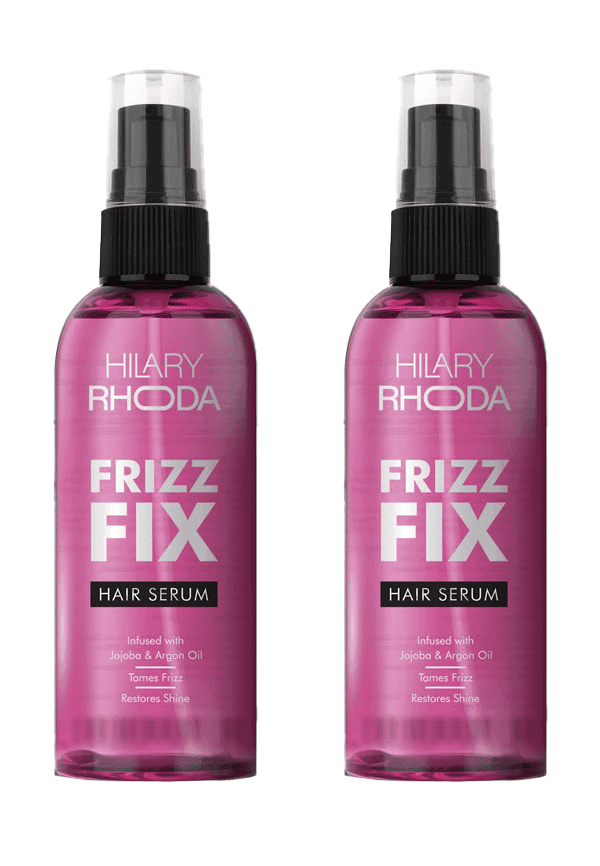
Frizz Fix Hair Serum (Pack of 2)
Look into humidity-resistant formulations that offer extra protection. These products are designed to combat moisture in the air, maintaining that sleek look throughout the day.
Applying serums to damp hair ensures better absorption and effectiveness.
Consider treatments infused with keratin, argan oil, or shea butter. These components not only help with immediate frizz control but also strengthen your hair over time.
Regular use of these products can significantly improve hair texture and resilience.
The ideal treatment is tailored to your hair type. A combination of hydrating shampoos, deep conditioning, and humidity-resistant products typically forms a solid routine.
Maintaining moisture is key. Use protective products, stick to gentle styling practices, and consider leaving in a conditioner for frizz to keep your hair smooth.
Repair works best through regular use of hydrating hair masks, natural oil treatments, and consistent trims to nip split ends in the bud.
DIY treatments such as a coconut oil treatment, apple cider vinegar rinse, or an avocado and honey mask are brilliant natural remedies for frizzy hair that many have tried and loved.
A consistent haircare routine is the secret to curbing frizz and embracing smooth, radiant hair. There’s no magic fix, but by integrating the right products and techniques—from the best shampoo for frizzy hair to effective natural remedies—you’re well on your way to managing those pesky strands. Experiment with these steps and adapt them to suit your unique hair type. With a little patience and the right approach, smooth hair solutions might just become your new fave.
