Frizz Control FAQ: Your Questions Answered


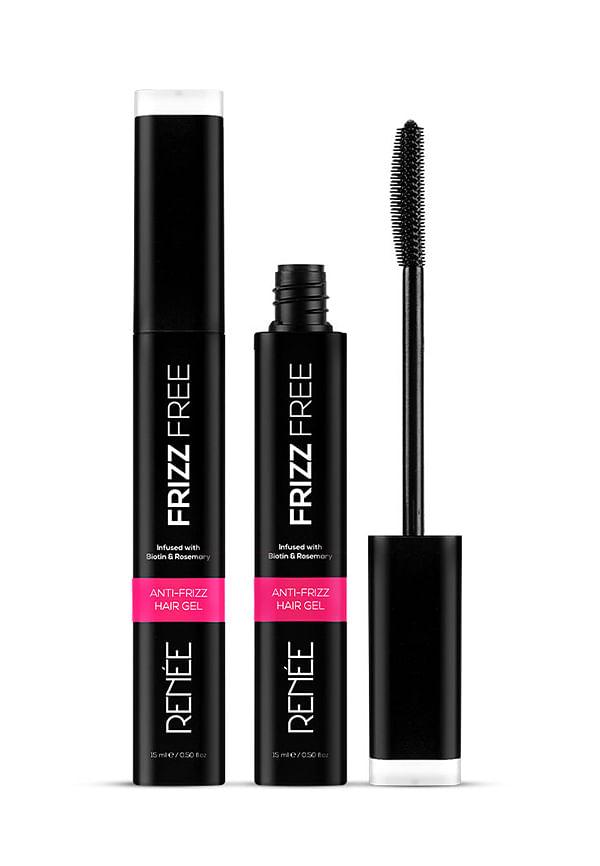
Frizz Free Anti Frizz Hair Gel
You know that moment when you step outside and your hair instantly transforms into a frizzy halo? Or when you spend ages styling your hair only to have humidity turn it into a puffball within minutes? Real talk — frizz is one of those hair struggles that can make even the most confident person feel defeated. But here's the thing: understanding why your hair gets frizzy and having the right tips for frizz control can completely change your hair game. Let's dive into the most common questions about taming those rebellious strands and get you the smooth, manageable hair you've been dreaming of.
Before we jump into frizz control solutions, let's get real about what's actually happening to your hair. Frizz isn't just bad luck — it's science. When your hair's outer layer (the cuticle) gets damaged or lifted, moisture from the air sneaks in and causes each strand to swell unevenly. Think of it like a sponge that's been roughed up — it absorbs water in all the wrong places.
Humidity is the obvious culprit, but it's not the only one causing havoc. Heat styling without protection, overwashing, harsh towel drying, and even genetics play a role in how frizzy your hair gets. Some people are naturally blessed with smooth cuticles, while others have hair that's more porous and prone to frizz. Chemical treatments, sun damage, and using the wrong products can also leave your cuticles raised and ready to absorb every bit of moisture in the air.
The key to effective frizzy hair solutions is identifying your specific frizz triggers. Is your hair dry and damaged from heat styling? Does it only get frizzy in certain weather? Understanding your hair's unique needs helps you choose the right approach for long-term frizz reduction.
Let's start with the basics that can transform your hair routine. The foundation of good frizz control begins in the shower, and honestly, most people are doing it wrong. Washing your hair every day strips away natural oils that keep your cuticles smooth and protected. Aim for 2-3 washes per week max, and your hair will thank you with less frizz and more natural shine.
Water temperature matters more than you think. Hot water might feel amazing, but it opens up your cuticles and makes them more likely to absorb humidity later. Wash with warm water to clean effectively, then finish with a cool rinse to seal those cuticles shut. It's like closing the doors before a storm — you're literally locking moisture out.
Your product choices can make or break your frizz control efforts. Sulfate-free shampoos are gentler on damaged cuticles, while moisturising conditioners help smooth and protect each strand. Look for ingredients like argan oil, shea butter, and glycerin — these work to hydrate your hair and create a protective barrier against humidity.
Argan oil is brilliant for sealing cuticles without weighing hair down. Shea butter provides deep moisture for dry, damaged hair. Glycerin draws moisture from the air to your hair — but only use it in moderate humidity, as it can backfire in very dry or very humid conditions.
Not all anti frizz products are created equal, and the key is knowing which ones work for your specific hair type and concerns. Leave-in conditioners are absolute game-changers for managing frizzy hair — they provide ongoing moisture and protection throughout the day. Apply them to damp hair, focusing on mid-lengths to ends where frizz tends to be worst.
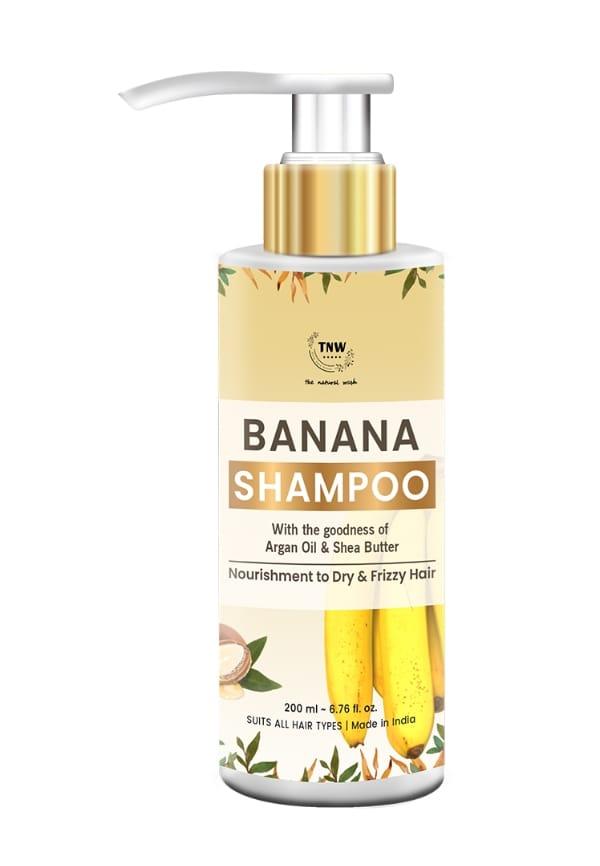
Banana Shampoo for Frizz | AntiFrizz Shampoo for All Hair Types | Banana Shampoo for Manageable Hair200ml
Smoothing serums and oils deserve a spot in every frizz-fighting routine. Argan oil is lightweight and perfect for fine hair, while coconut oil works wonders for thicker, more porous hair types. The trick is using just enough to coat your strands without making them greasy — start with a tiny amount and build up if needed.
Weekly hair masks are like intensive therapy sessions for frizzy hair. Deep conditioning treatments help repair damage and smooth cuticles, giving you longer-lasting frizz reduction. Look for masks with proteins to strengthen damaged hair and humectants to boost moisture levels.
Heat protectants are non-negotiable if you style your hair with hot tools. They create a barrier between your hair and damaging temperatures, preventing the cuticle damage that leads to more frizz. Apply them to damp hair before any heat styling for maximum protection.
How you dry your hair can be the difference between smooth, controlled strands and a frizzy mess. That rough terry cloth towel you've been using? It's probably making your frizz worse. The texture grabs and lifts your cuticles, creating instant frizz. Switch to a microfiber towel or even a cotton t-shirt for gentler drying that won't roughen up your hair.
Air drying versus blow drying is a personal choice, but both can work for frizz control if done right. For air drying, apply your leave-in products to soaking wet hair and avoid touching it as it dries — every time you scrunch or run your fingers through, you're creating frizz. If you prefer blow drying, use a diffuser on low heat and low speed to minimise cuticle disruption.
The hands-off approach is crucial regardless of your drying method. Resist the urge to touch, scrunch, or play with your hair while it's drying. Your hands transfer oils and disrupt the drying process, leading to uneven texture and more frizz.
Use low heat and low speed settings. Cup sections of hair in the diffuser and hold for 10-15 seconds before moving on. Never move the diffuser around while it's on your hair — this creates frizz.
Humidity doesn't have to be your hair's worst enemy if you know how to prepare for it. The secret to humidity hair control is creating a moisture barrier before you step outside. When your hair is already properly hydrated and sealed, it's less likely to absorb excess moisture from the air.
Protective styling becomes your best friend on humid days. Braids, buns, and updos keep your hair contained and reduce its exposure to moisture-laden air. These styles also look intentional and polished, so even if some frizz does sneak in, it's part of the look rather than a hair disaster.
Sealing techniques involve applying a light oil or serum to dry hair before heading out. This creates a protective film that helps repel humidity. Focus on the most frizz-prone areas — usually the crown and around your hairline where baby hairs love to rebel.
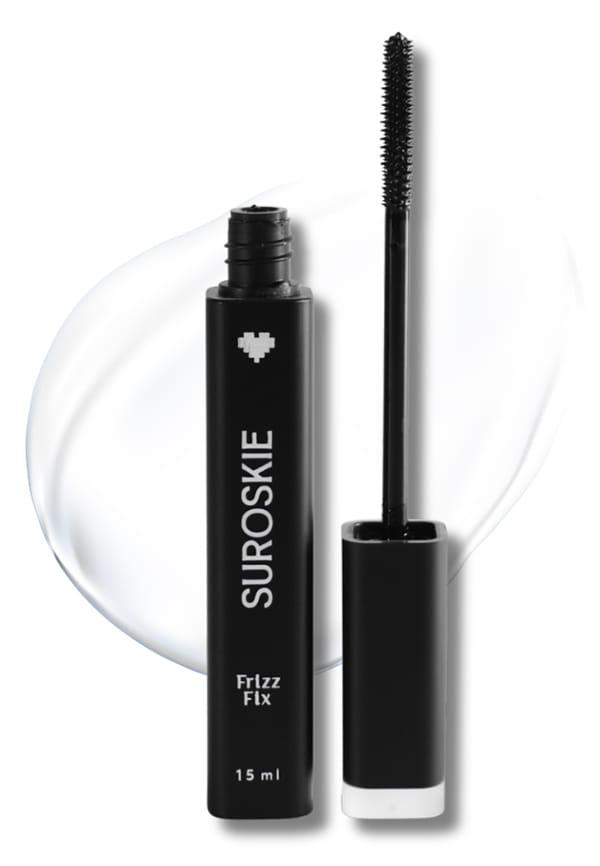
Anti Frizz Hair Stick
Keep touch-up products handy for on-the-go frizz emergencies. A small bottle of diluted leave-in conditioner or a travel-size smoothing serum can save the day when humidity strikes unexpectedly.
Sometimes the best frizzy hair solutions are sitting right in your kitchen. Apple cider vinegar rinses help balance your hair's pH and smooth down cuticles for naturally shinier, less frizzy hair. Mix one part ACV with three parts water and use it as a final rinse after conditioning — just make sure to rinse it out thoroughly.
Avocado hair masks are packed with vitamins B and E that help repair damage and smooth hair naturally. Mash half a ripe avocado with a tablespoon of honey and apply it to damp hair for 20 minutes before washing out. Your hair will feel incredibly soft and manageable afterwards.
Coconut oil treatments work brilliantly for deep moisture therapy, especially for dry, damaged hair. Apply it to dry hair before bed, focusing on the ends, then shampoo it out in the morning. The oil penetrates deeply to nourish and smooth your strands from within.
Overnight treatments can work wonders for tame flyaways and reduce morning frizz. Sleep on a silk pillowcase to reduce friction, and try loosely braiding damp hair with a leave-in treatment before bed. You'll wake up with smoother, more manageable hair.
We've all been there — you're running late and your hair decides to have a frizz meltdown. Here are some instant smoothing techniques that can save the day. Lightly dampen your hands and smooth them over frizzy areas, then follow with a tiny amount of hair oil or serum. The water helps redistribute your hair's natural moisture while the oil seals everything in place.
Strategic styling can hide frizz when you don't have time to fix it properly. A sleek low bun, a textured braid, or even a stylish headband can disguise frizzy areas while looking completely intentional. Sometimes working with your hair's natural texture is easier than fighting against it.
For targeted frizz control, apply smoothing products only where you need them. Focus on the crown, hairline, and any particularly rebellious sections rather than coating all your hair. This prevents weighing down areas that are already behaving while addressing problem spots.
While you can't permanently eliminate frizz (it's often genetic), you can significantly reduce it with consistent haircare for frizz. Focus on maintaining healthy, moisturised hair through regular deep conditioning, protecting your hair from heat damage, and using the right products for your hair type. Professional treatments like keratin smoothing can provide longer-lasting results, but they require maintenance every few months.
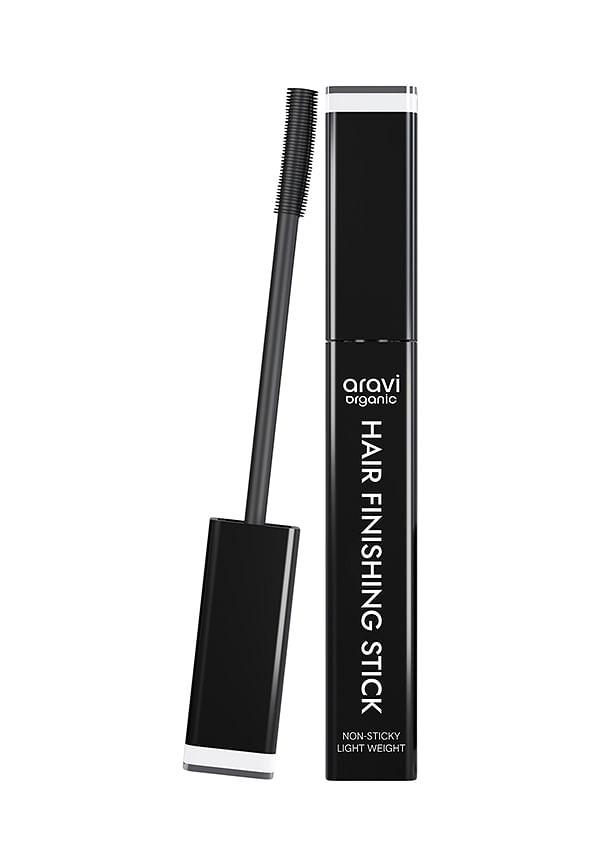
Hair Finishing Stick - Flyaway Natural Styling Frizz Control
For immediate frizz reduction, try the damp hands technique — lightly wet your hands and smooth them over frizzy areas, then apply a small amount of hair oil or anti-frizz serum. You can also use a boar bristle brush with a tiny bit of hair oil to smooth down flyaways. For a quick style fix, try a low ponytail or bun with some texturising spray to make the frizz look intentional.
Sleep on a silk or satin pillowcase to reduce friction that causes frizz. Apply a leave-in treatment to damp hair and loosely braid it before bed, or try the "pineapple" method — gather your hair very loosely at the very top of your head. You can also wrap your hair in a silk scarf or use a silk bonnet for maximum protection.
You might be using too much product, applying it incorrectly, or using products that aren't right for your hair type. Over-application can weigh hair down and create buildup, while under-application won't provide enough moisture. Make sure you're applying products to damp hair for better distribution, and consider whether your hair needs more protein or moisture — the wrong balance can make frizz worse.
Price doesn't always equal performance when it comes to frizz control. Many affordable products contain the same effective ingredients as expensive ones — look for silicones, natural oils, and moisturising agents rather than focusing on brand names. The key is finding products that work for your specific hair type and concerns, regardless of price point.
Daily coconut oil use can be too heavy for most hair types and may cause buildup. Use it as a weekly deep treatment instead, or try lighter oils like argan or jojoba for daily frizz control. If you have very dry, coarse hair, you might handle more frequent oil treatments, but start slowly and see how your hair responds.
Damaged frizz usually appears as rough, broken strands with split ends, while natural texture frizz is more uniform and healthy-looking. If your frizz appeared suddenly after chemical treatments, heat styling, or environmental damage, it's likely damage-related. Natural texture frizz has probably been with you since childhood and responds well to moisture and gentle handling.
Managing frizzy hair doesn't have to be a daily battle when you understand what causes it and have the right strategies in your toolkit. The key is consistency — good frizz control comes from building healthy hair habits rather than relying on quick fixes. Focus on gentle handling, proper moisture balance, and protecting your hair from damage, and you'll see significant improvements over time.
Remember that everyone's hair is different, so what works for your friend might not work for you. It's worth experimenting with different techniques and products to find your perfect frizz-fighting routine. Not sure which anti frizz products might work best for your hair type? Smytten offers trial-size versions of many haircare products from trusted brands — a smart way to test different formulas before committing to full-size bottles.
