Flaky Scalp: Dandruff or Dryness? Here's How to Tell and Treat It

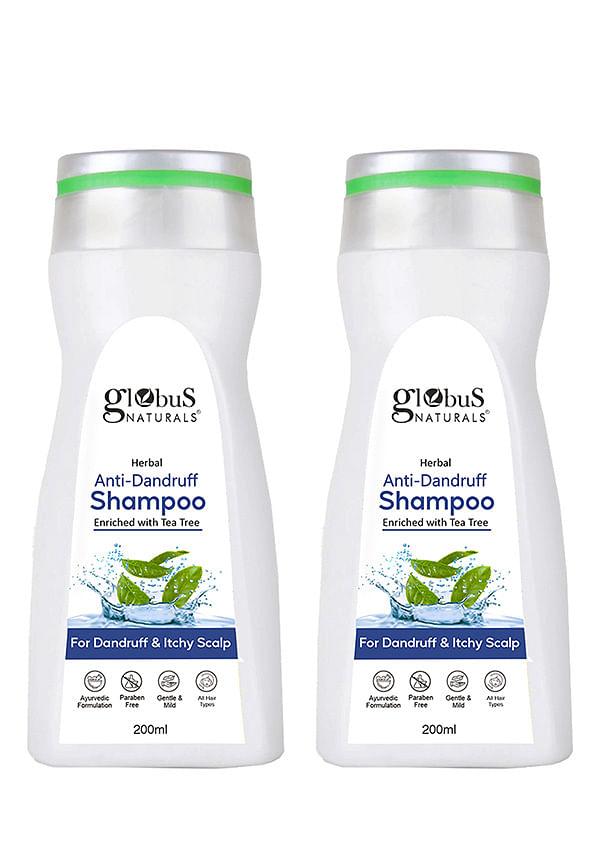
Anti Dandruff Shampoo, For Dandruff and Itchy Scalp
Flakes on your shoulders or in your part are annoying, but here's the thing most people get wrong: not all flakes are dandruff. Sometimes it's just a dry, flaky scalp, and the two need almost opposite care. Treat dandruff like dryness (or the other way round) and you'll usually make it worse. Here's how to tell which one you're dealing with, and exactly how to fix each.
Dandruff and a dry, flaky scalp both cause flakes, but they're different problems. Dandruff is linked to excess oil and a yeast the scalp reacts to, so flakes tend to be larger, yellowish and slightly greasy, often with an itchy, sometimes oily scalp. A dry, flaky scalp comes from a lack of moisture, so flakes are smaller, white and powdery, usually with a tight, dry feeling. The quick tell: greasy, larger flakes point to dandruff, small dry flakes point to dryness. Each needs a different fix.
Dandruff is usually an oily, yeast-related problem, while a flaky scalp is usually a dryness problem.
They look similar at a glance, but the causes are opposite, and that's why the treatment differs. Here's how to spot which is which:
Signs it's more likely dandruff:
Larger flakes that look yellowish or waxy
Flakes that feel slightly oily or stick to the hair and scalp
An itchy scalp that can also feel oily
Flaking that keeps coming back even when you moisturise
Signs it's more likely a dry, flaky scalp:
Small, white, powdery flakes that fall away easily
A tight, dry, sometimes rough feeling on the scalp
Dry skin elsewhere too (face, arms, legs)
Flaking that eases when you add moisture and worsens in dry, cold air
A simple at-home check: if your scalp feels oily and itchy with bigger flakes, lean dandruff. If it feels tight and dry with fine powdery flakes, lean dry scalp.
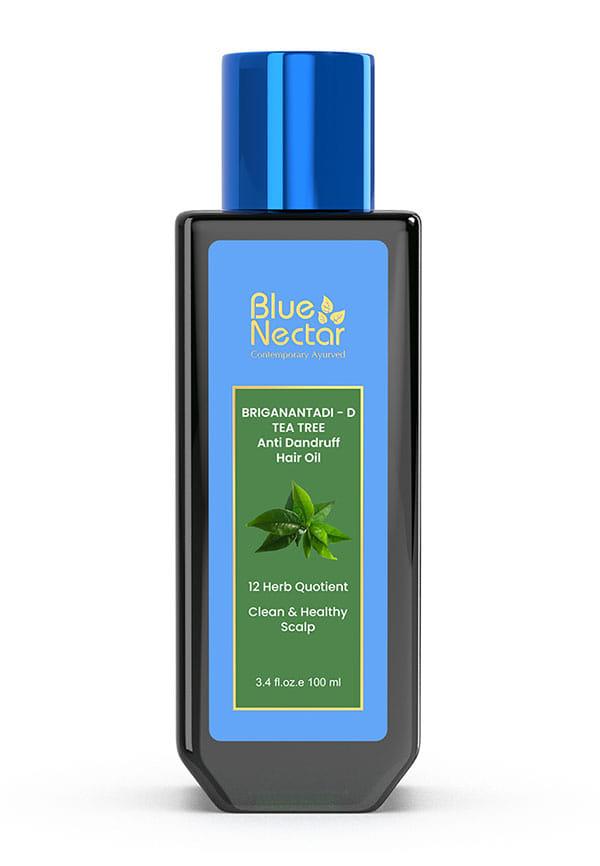
Tea Tree Anti Dandruff and Healthy Scalp Oil 12 Herbs
Dandruff is mainly driven by excess oil and a naturally occurring scalp yeast that some people react to.
It isn't about being unclean, it's how your scalp reacts. Common triggers:
An overgrowth of Malassezia, a yeast that lives on everyone's scalp but irritates some people
Excess oil, which the yeast feeds on
Infrequent washing that lets oil and flakes build up
Stress and hormonal changes, which can flare it
Product buildup from heavy oils or styling products
A dry scalp happens when the skin on your scalp loses too much moisture.
Just like dry skin anywhere, the scalp can get parched and start shedding fine flakes. Usual reasons:
Over-washing or harsh, stripping shampoos
Cold, dry weather or heavy air-conditioning
Hot water in the shower
Not enough moisture in your hair-care routine
Naturally dry skin type
Use an anti-dandruff shampoo with active ingredients, and don't over-moisturise the scalp.
Because dandruff is oil-and-yeast related, the fix is targeted cleansing, not piling on rich creams. What helps:
An anti-dandruff shampoo with ingredients like zinc pyrithione, ketoconazole, salicylic acid or selenium sulphide
Leaving the shampoo on for a few minutes so the active actually works, then rinsing well
Washing regularly enough to keep oil and flakes from building up
A gentle weekly clarifying wash if you use a lot of oils or styling products
Avoiding heavy oils directly on the scalp, which can feed the problem
Give it two to three weeks of consistent use. Once it's under control, you can often reduce to using the anti-dandruff shampoo a couple of times a week to maintain.
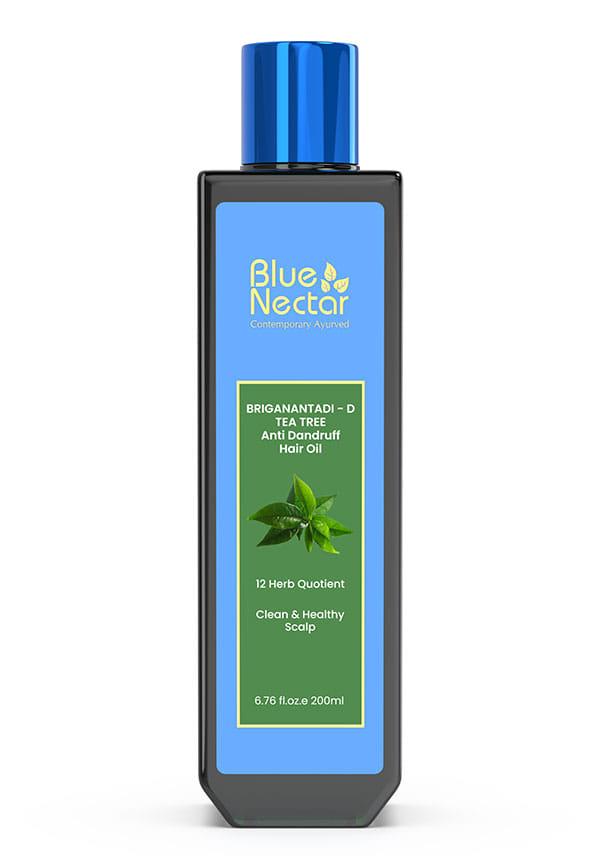
Tea Tree Anti Dandruff and Healthy Scalp Oil 12 Herbs
Add moisture and be gentle, the opposite of dandruff care.
A dry scalp needs hydration and less stripping, not strong anti-dandruff actives. What helps:
A gentle, hydrating, sulphate-free shampoo instead of a harsh cleanser
Washing a little less often so you're not stripping the scalp
Lukewarm water rather than hot
A light scalp-friendly moisturiser, hydrating serum, or a nourishing hair mask focused on the scalp and lengths
A weekly hydrating mask to rebuild moisture
If you treat a dry scalp with a strong anti-dandruff shampoo, it can get drier and flakier, so match the fix to the cause.
Yes, and it's more common than people think, which is why flaking can be so confusing.
You might have an oily, dandruff-prone scalp but dry lengths, or a dry scalp that also flares with some dandruff in winter. When it's mixed, a gentle approach works best: a mild anti-dandruff shampoo used a couple of times a week, balanced with hydrating care on the days in between, and moisture kept on the lengths rather than piled on the scalp. If you genuinely can't tell what's going on, that's a good moment to get a professional eye on it.
India's heat, humidity, hard water and oiling habits all play into flaky scalps, in both directions. Humidity and sweat can worsen oil-related dandruff, especially in summer, while winter and constant air-conditioning dry the scalp and trigger powdery flakes. Traditional heavy oiling, left on too long or too often, can feed dandruff-causing yeast and buildup, so lighter, less frequent oiling that's washed out properly is kinder to a flaky scalp. Hard water leaves a mineral film that can irritate the scalp and make both dandruff and dryness look worse, so thorough rinsing, an occasional clarifying wash, and a shower filter in hard-water areas all help.
See a dermatologist if the flaking is severe, painful, spreading, or not improving with the right products.
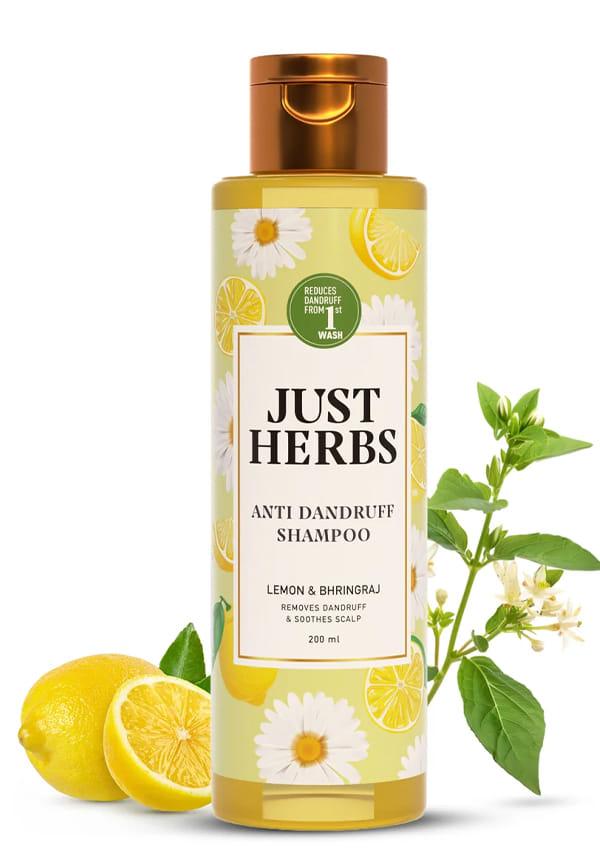
Anti Dandruff Shampoo | Lemon, Bhringraj & 12 Herbs
Most dandruff and dry-scalp flaking settles with the correct routine, but some signs mean it's worth getting checked:
Thick, stubborn scaling, redness, or yellow crusting that doesn't respond to anti-dandruff shampoo (could be seborrhoeic dermatitis or psoriasis)
An intensely itchy, painful or sore scalp
Flaking with hair fall, bald patches or scalp sores
Flaking that keeps spreading or covers large areas
No improvement after a few weeks of consistent, correct care
A dermatologist can confirm what's actually going on and prescribe stronger treatment if it's a medical scalp condition rather than everyday dandruff or dryness.
How do I know if I have dandruff or just a dry scalp?
Look at the flakes and how your scalp feels. Larger, yellowish, slightly greasy flakes with an itchy or oily scalp point to dandruff. Small, white, powdery flakes with a tight, dry feeling point to a dry scalp. When the scalp feels oily, it's usually dandruff, when it feels dry and tight, it's usually dryness.
Can washing my hair more often cure dandruff?
Washing regularly helps keep oil and flakes from building up, which supports dandruff control, but an anti-dandruff shampoo with the right active is what actually treats it. For a dry scalp, though, washing too often makes things worse.
How do I pick an anti-dandruff shampoo that suits my scalp without wasting money?
Anti-dandruff formulas vary a lot in strength, and the right one depends on your scalp, so trying before buying really helps. You can try minis or trial packs on Smytten to see how a shampoo suits your scalp first, then buy the full size once you know it works for you.
Is oiling good or bad for a flaky scalp?
It depends on the cause. Heavy oiling can feed dandruff and buildup, so keep it light and washed out well. For a genuinely dry scalp, a small amount of nourishing oil or a hydrating scalp treatment can help, focus on moisture, not heaviness.
What's the best way to try a hair mask for a dry, flaky scalp?
Masks are easy to overspend on, and a rich one can suit a dry scalp but overwhelm an oily one, so testing first is smart. You can try minis or trial packs on Smytten to feel how a mask sits on your scalp, then invest in the full size if it earns a place in your routine.
Does dandruff cause hair fall?
A very itchy, inflamed scalp and constant scratching can lead to some breakage and shedding, but dandruff itself doesn't usually cause lasting hair loss. If you're seeing significant hair fall alongside flaking, check with a dermatologist.
Why does my dandruff get worse in winter?
Cold, dry air and indoor heating pull moisture from the scalp, and for many people flaking flares in winter. If it's dryness-driven, add hydration, if it's oily dandruff that's flaring, stay consistent with your anti-dandruff shampoo.
Can a dry scalp turn into dandruff?
They're different conditions, but a stressed, irritated scalp can flip between feeling dry and getting oily-flaky, and some people have both. If flakes change character or won't settle, a gentle balanced routine or a dermatologist visit is the way to sort it.
The single most useful thing you can do about a flaky scalp is figure out which problem you actually have. Bigger, greasy, itchy flakes usually mean dandruff, treated with the right anti-dandruff shampoo and lighter oiling. Small, dry, powdery flakes usually mean a dry scalp, treated with gentler washing and more moisture. Match the fix to the cause and most flaking settles within a few weeks. If you're not sure which shampoo or scalp treatment suits you, you can try minis or trial packs on Smytten first, then buy the full size once you've found what genuinely works. And if the flaking is severe, sore or stubborn, see a dermatologist, that's the fastest route to a calm, comfortable scalp.
