First Stage of Hair Fall FAQ: Recognizing Early Hair Thinning

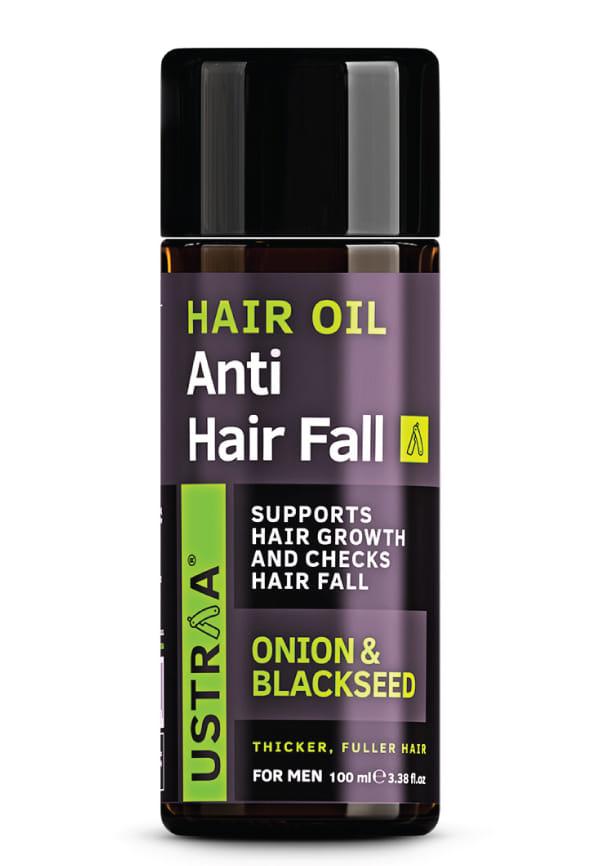
Anti Hair Fall Hair Oil
You're standing in front of the mirror, and something feels off. Maybe it's the way your hairline looks slightly different, or how you're finding more strands on your pillow than usual. That nagging feeling that your hair isn't quite what it used to be? You're not imagining it. Recognising the first stage of hair fall can be tricky because the changes are subtle, but catching it early makes all the difference. Let's dive into what those initial signs actually look like and what you can do about them.
The first stage of hair fall is essentially your hair's way of sending you a gentle warning. According to the Hamilton-Norwood scale, which doctors use to classify hair loss patterns, Stage 1 represents minimal to no visible hair loss. But here's the thing – just because it's not obvious doesn't mean nothing's happening.
During this early hair thinning phase, your hair follicles are beginning to shrink due to sensitivity to dihydrotestosterone (DHT), a hormone that's basically the villain in most hair loss stories. The follicles start producing thinner, shorter hairs, and the growth cycle gets disrupted. Think of it like your hair's growth engine starting to sputter before it completely stalls.
Normal hair shedding sits around 50-100 strands per day, which is totally fine – that's just your hair's natural renewal process. But when you're entering the beginning of hair fall, you might notice this number creeping up, along with other subtle changes that are easy to miss if you're not paying attention.
Recognising hair fall in its early stages requires a bit of detective work. The signs are there, but they're sneaky. Here's what to watch out for when you're trying to identify whether you're dealing with normal shedding or something more.
Your hairline might start showing the first hints of recession, particularly around the temples. It's not dramatic – more like a gentle retreat that you might only notice when comparing photos from a few months ago.
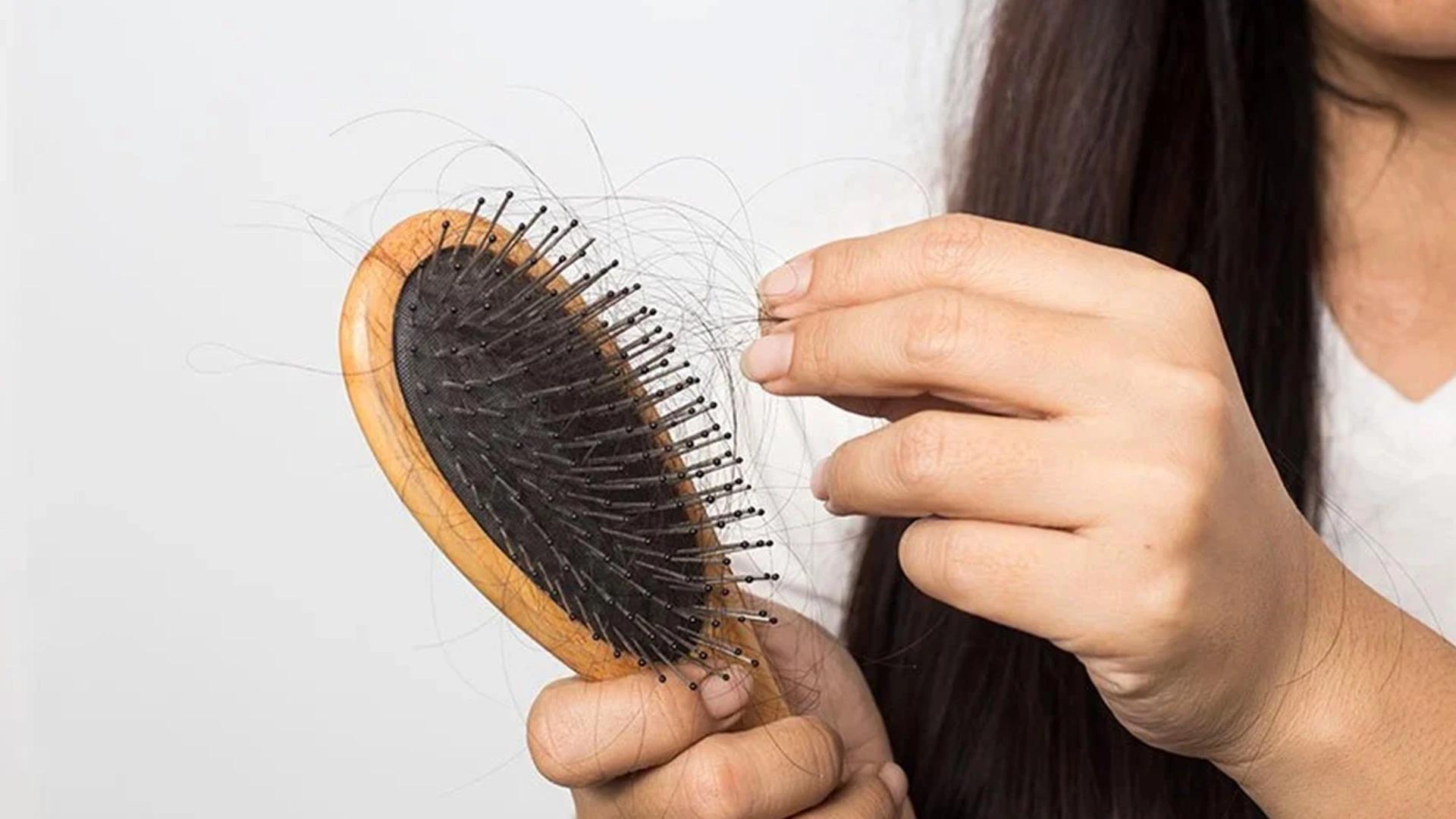
You're finding more hair in the shower drain, on your pillow, or stuck to your clothes. If you're suddenly needing to clean your hairbrush more often, that's worth noting. This increased shedding is one of the most common hair thinning symptoms people notice first.
Under bright lighting or when your hair is wet, you might start seeing more scalp than before. This is particularly noticeable along your part line or at the crown. It's subtle, but once you see it, you can't unsee it.
Your hair might feel different – finer, more fragile, or less dense overall. Strands that used to feel thick and strong now seem delicate and prone to breakage. This change in hair quality is often one of the earliest indicators of hair loss onset.
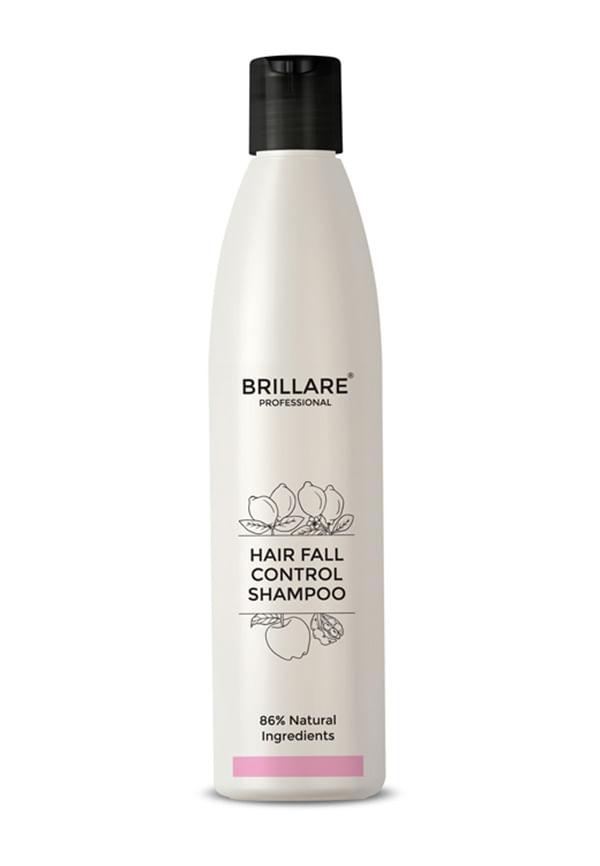
Shampoo To Reduce Seasonal Hair Fall
Hair loss doesn't happen overnight – it's a gradual process that unfolds in stages. Understanding these hair thinning stages helps you figure out where you are and what might come next.
Stage 1 is where we're focusing today – minimal visible changes but important biological shifts happening beneath the surface. Stage 2 brings slight temple recession that becomes more noticeable. By Stage 3, you're looking at deeper recession forming an M-shaped hairline. Stage 4 introduces crown thinning, while Stage 5 sees the bridge of hair between the front and crown starting to narrow.
Stages 6 and 7 represent more advanced hair loss, with larger bald areas and eventually just a horseshoe pattern of hair remaining. The good news? Catching things at Stage 1 gives you the best chance of slowing or even reversing the process.
Understanding what triggers the beginning of hair fall helps you tackle the problem at its root. The causes are varied, and often it's a combination of factors rather than just one culprit.
Genetics play a huge role – if your parents or grandparents experienced hair loss, you're more likely to as well. DHT sensitivity is largely inherited, which explains why some people can abuse their hair with heat styling and chemicals without major consequences, while others see thinning despite being gentle.
Hormonal changes, particularly fluctuations in testosterone, oestrogen, and thyroid hormones, can trigger hair shedding. This is why many women notice hair changes during pregnancy, menopause, or when starting or stopping hormonal contraceptives.
Nutritional deficiencies are surprisingly common hair shedding causes. Iron, protein, biotin, and vitamin D deficiencies can all impact hair growth. Your hair follicles are among the most metabolically active in your body, so they're often the first to suffer when nutrition is lacking.
Stress – both physical and emotional – can push hair follicles into a resting phase, leading to increased shedding a few months later. This type of hair loss, called telogen effluvium, is often temporary but can be alarming when it happens.
The first stage of hair fall looks different depending on your gender, thanks to hormonal differences and genetic patterns. Men typically see the classic signs of male pattern baldness starting to emerge – slight temple recession and possibly some thinning at the crown. The hairline might start forming a subtle M-shape, though it's often so gradual that it takes months to become noticeable.
Women experience a different pattern during early hair thinning. Instead of distinct recession, female pattern hair loss usually presents as diffuse thinning across the crown area while the hairline remains relatively intact. The part line might appear wider, and overall hair density decreases, but it's more evenly distributed rather than concentrated in specific areas.
Age of onset varies too. Men might notice initial signs of hair loss in their late teens or early twenties, while women more commonly experience it during hormonal transitions like pregnancy, postpartum, or perimenopause. However, these aren't hard rules – hair loss can begin at any age for any gender.

Anti Hairfall Shampoo
The best time to address hair loss is before it becomes obvious. Preventing early hair loss requires a multi-pronged approach that addresses both the biological and lifestyle factors contributing to hair thinning.
Start with gentle hair care practices. Switch to sulfate-free shampoos that won't strip your scalp's natural oils. Harsh detergents can irritate already sensitive follicles and contribute to inflammation. When washing, focus the shampoo on your scalp rather than the lengths of your hair, and always follow with a moisturising conditioner.
Ditch aggressive drying methods. Rubbing your hair vigorously with a towel creates friction that can damage weakened strands. Instead, gently squeeze out excess water and pat dry, or better yet, use a microfibre towel or cotton t-shirt which are much gentler on your hair.
Heat styling is a major culprit in hair damage. If you can't give up your styling tools completely, at least reduce the frequency and always use a heat protectant. Keep temperatures below 180°C and consider air-drying whenever possible.
Address nutritional gaps that might be contributing to hair loss. A diet rich in protein, iron, omega-3 fatty acids, and vitamins A, C, and E supports healthy hair growth. If you suspect deficiencies, consider getting blood work done to identify specific areas that need attention.
Stress management isn't just good for your mental health – it's crucial for your hair too. Chronic stress elevates cortisol levels, which can disrupt the hair growth cycle. Find stress-reduction techniques that work for you, whether that's meditation, exercise, or simply ensuring you get enough sleep.
Sometimes, recognising hair fall requires professional expertise. If you're noticing sudden, dramatic shedding, patchy hair loss, or if the thinning is accompanied by scalp irritation, itching, or scaling, it's time to see a dermatologist or trichologist.
Professional hair loss identification involves examining your scalp under magnification, reviewing your medical history, and sometimes conducting blood tests to rule out underlying conditions. They might perform a pull test to assess how easily your hair comes out, or even a biopsy if there's concern about scarring alopecia.
Early intervention is key. Treatments like minoxidil, finasteride, or newer options like low-level laser therapy are most effective when started early. The longer you wait, the more difficult it becomes to regain lost ground. Think of it like treating any other health condition – early detection and treatment lead to better outcomes.
The first stage of hair fall is characterised by subtle changes that are easy to miss. You might notice slightly increased shedding, finer hair texture, minimal hairline recession at the temples, or more visible scalp under bright lighting. The changes are gradual and often only become apparent when comparing photos from several months apart.
Normal hair shedding ranges from 50-100 strands per day. If you're consistently finding significantly more hair in your shower drain, on your pillow, or when brushing, this could indicate early hair thinning. Pay attention to patterns – sudden increases in shedding or hair that comes out easily when gently tugged might signal the beginning of hair fall.
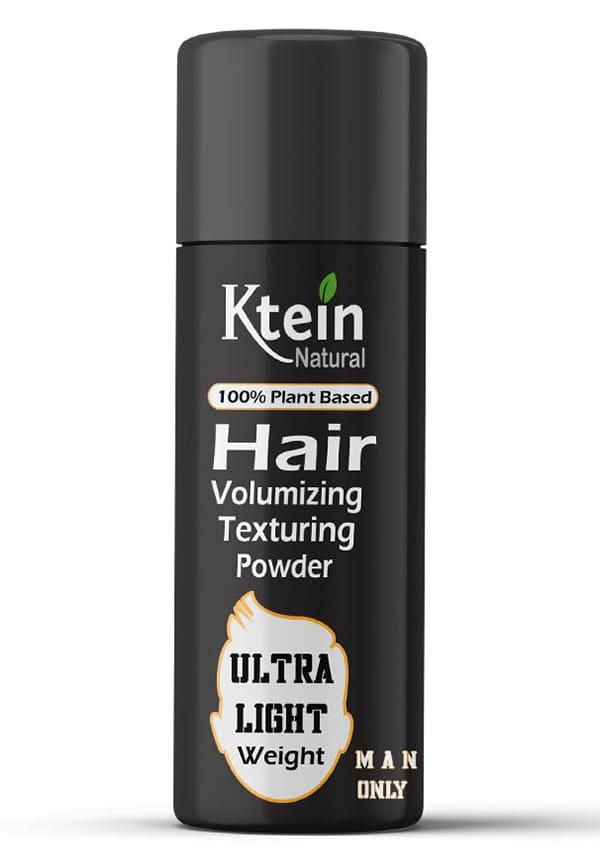
100% Natural Hair Volumizing & Texturing Dry Shampoo Powder
Absolutely. Stress is one of the major hair shedding causes, leading to a condition called telogen effluvium. High stress levels push hair follicles into a resting phase, causing increased shedding 2-3 months later. The good news is that stress-related hair loss is often reversible once stress levels are managed and the underlying triggers are addressed.
No, the patterns differ significantly. Men typically experience initial signs of hair loss as temple recession and crown thinning, following male pattern baldness progression. Women usually see diffuse thinning across the crown area while maintaining their hairline. The underlying causes and hormonal factors also vary between genders, affecting how hair loss presents and progresses.
Temporary shedding, like telogen effluvium, usually has an identifiable trigger (stress, illness, nutritional deficiency) and affects hair uniformly across the scalp. Hair typically regrows once the trigger is resolved. Permanent hair loss, like androgenetic alopecia, follows specific patterns (temples, crown) and is caused by genetic sensitivity to DHT. The hair follicles gradually shrink and eventually stop producing hair altogether.
Early intervention offers the best chance for preventing progression and potentially reversing some hair loss. Treatments like minoxidil, lifestyle changes, addressing nutritional deficiencies, and proper hair care can help. However, the success depends on the underlying cause, how early treatment begins, and individual response. Complete reversal isn't always possible, but slowing progression and maintaining existing hair is often achievable.
Consult a dermatologist if you notice sudden, dramatic hair loss, patchy bald spots, hair loss accompanied by scalp irritation or scaling, or if you're concerned about gradual thinning. Early professional assessment can help identify the cause and determine the most appropriate treatment approach. Don't wait until the hair loss becomes obvious – early intervention is more effective.
Yes, several nutrients are crucial for healthy hair growth. Iron supports oxygen delivery to hair follicles, protein provides the building blocks for hair structure, biotin aids in keratin production, and vitamin D helps regulate the hair growth cycle. Omega-3 fatty acids reduce inflammation, while vitamins A, C, and E provide antioxidant protection. A balanced diet or targeted supplementation can address deficiencies that contribute to hair thinning.
Recognising the first stage of hair fall is your best defence against more significant hair loss down the road. Those subtle changes – the slightly wider part, the finer texture, the few extra strands in your brush – are your hair's way of asking for help before things get serious.
The key is acting early and being consistent with whatever approach you choose. Whether that's switching to gentler hair care products, addressing nutritional gaps, managing stress better, or seeking professional treatment, small changes now can make a huge difference later. Remember, hair loss is incredibly common, and you're definitely not alone in dealing with it.
If you're looking to explore different hair care products to support your hair health journey, Smytten offers trial-size versions of many haircare products from trusted brands. It's a smart way to test what works for your specific hair type and concerns before committing to full-size purchases – because finding the right products for your hair shouldn't involve guesswork or expensive mistakes.
