Find Itchy Scalp Causes: Your FAQ Answered

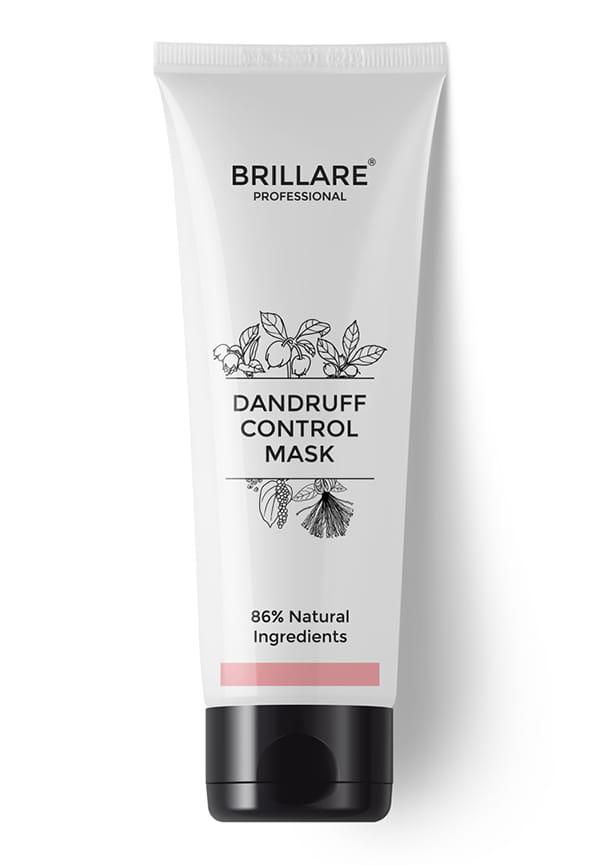
Conditioner For Itchy, Flaky Scalp
Good product, highly recommended
 5
5“This product is very good highly recommend.”
Wonderful Product
5“nice product. result wonderful along with shampoo”
Effective Dandruff Treatment
4“removes dandruff and itchyness from hair”
You know that moment when your scalp starts itching in the middle of an important meeting, and suddenly you're trying to scratch discreetly while pretending to adjust your hair? We've all been there. That persistent scalp itch can turn even the best hair day into a nightmare, leaving you wondering what's actually going on up there. Whether it's a sudden flare-up or something that's been bugging you for weeks, figuring out why your scalp is acting up is the first step to getting real relief.
Let's be real – an itchy scalp rarely happens without reason. Your scalp is basically sending you a message that something's not quite right, and the trick is learning to decode what it's trying to tell you. The most common culprits behind scalp irritation fall into a few main categories, and understanding these can help you find itchy scalp triggers more effectively.
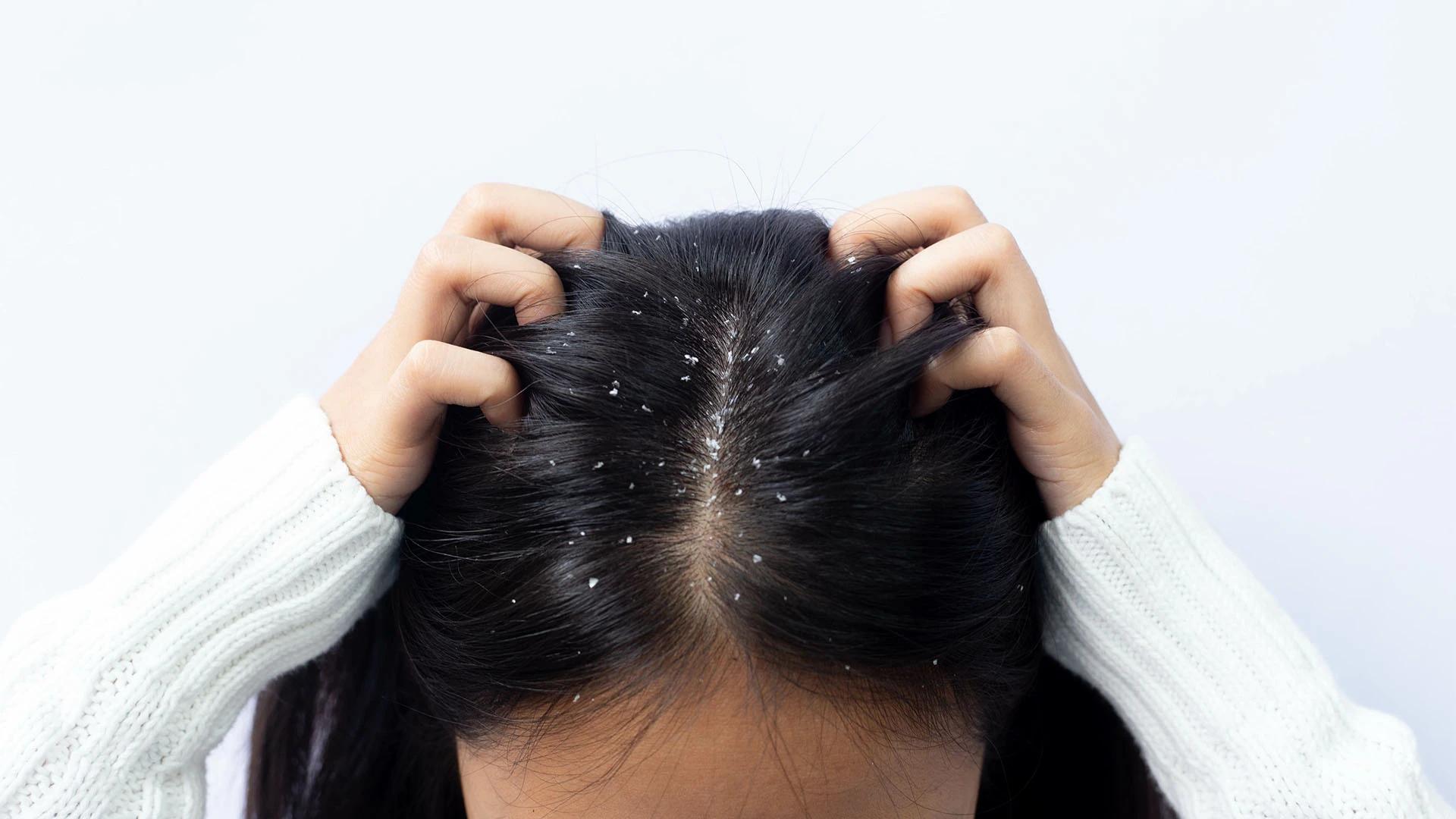
Medical conditions top the list of usual suspects. Dandruff is probably the most familiar one – those white flakes that seem to appear out of nowhere, especially when you're wearing black. But dandruff isn't just about flakes; it often comes with that telltale scalp itch that makes you want to scratch constantly. Then there's seborrheic dermatitis, which is like dandruff's more intense cousin, causing red, scaly patches that can be seriously uncomfortable.
Environmental factors play a huge role too. Think about it – your scalp is exposed to everything your hair encounters. Harsh weather, pollution, and even hard water can strip your scalp of its natural oils, leading to dryness and irritation. If you've ever noticed your scalp feeling more sensitive after moving to a new city or during seasonal changes, this might be your answer.
Product-related triggers are sneakier than you'd think. That new shampoo you're loving might contain sulphates that are too harsh for your sensitive scalp. Chemical treatments like colouring, perming, or straightening can also cause scalp irritation, especially if your skin is already on the sensitive side. Even something as simple as using too much dry shampoo can clog your hair follicles and create the perfect environment for itchiness.
Don't overlook lifestyle factors either. Stress can literally make your scalp itch – it's not just in your head. Poor diet, irregular sleep, and even how often you wash your hair can all contribute to scalp problems. Hormonal changes, particularly during pregnancy, menopause, or certain times in your cycle, can also make your scalp more reactive than usual.
Finding the root cause of your scalp itch requires a bit of detective work, but it's totally doable. Start by keeping a simple scalp diary for about two weeks. Note when the itching is worst, what products you've used, any stress levels, and even the weather. You might spot patterns you hadn't noticed before.
Pay attention to timing. Does your scalp itch more at night? After washing your hair? During certain seasons? These clues can point you towards specific triggers. For instance, if the itching gets worse after using a particular product, you've likely found your culprit.
Try the elimination method with your hair products. Strip back to the most basic, gentle shampoo and conditioner you can find – ideally something fragrance-free and designed for sensitive scalp. Use only these for a week or two and see if the itching improves. Then, gradually reintroduce your other products one by one. When the itching returns, you'll know which product is causing the problem.
Look for red flags that need professional attention. If your scalp itch comes with severe flaking, bleeding, hair loss, or patches of different-coloured skin, it's time to see a dermatologist. These could be signs of conditions like psoriasis, eczema, or fungal infections that need proper medical treatment.
Understanding the difference between various scalp conditions can help you target your treatment more effectively. Each condition has its own signature symptoms, and knowing what to look for can save you from trying the wrong remedies.
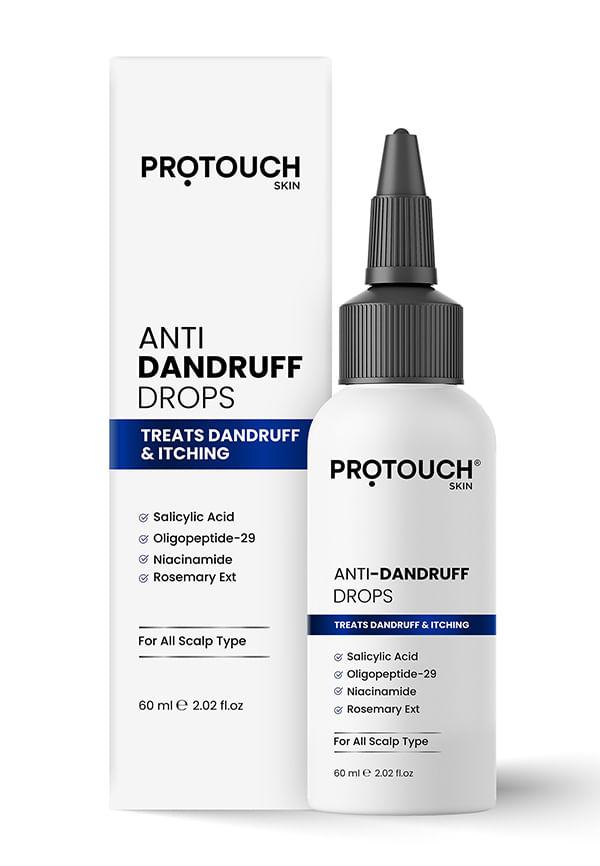
SKIN Anti Dandruff Drops Serum Soothes Itchy, Inflamed Scalp
These two get confused all the time, but they're actually quite different. Dandruff flakes are typically yellowish and oily, while dry scalp creates smaller, white flakes that feel dry to the touch. Dandruff often comes with more intense scalp itch, while dry scalp might feel tight and uncomfortable rather than intensely itchy.
This condition creates red, scaly patches that can extend beyond your hairline to your eyebrows, nose, or ears. The flakes are usually larger and more stubborn than regular dandruff, and the scalp irritation can be quite intense. You might also notice your scalp feeling particularly oily in some areas.
If you've recently changed hair products and suddenly developed an itchy scalp, contact dermatitis might be the answer. This typically shows up as red, inflamed areas where the product touched your skin. The itching usually starts within hours or days of using the new product.
If your scalp seems to get extra itchy when you're trying to sleep, you're not imagining things. Several factors can make scalp itch worse at night, and understanding these can help you get better rest.
Your body's natural rhythms play a role here. Cortisol levels drop in the evening, which can make you more sensitive to itching sensations. Plus, when you're lying still without distractions, you're more likely to notice that scalp itch that was there all day.
Your pillow and bedding might be contributing too. Dust mites, fabric softeners, or even the material of your pillowcase can irritate a sensitive scalp. If you're using cotton pillowcases, try switching to silk or satin – they're gentler on both your hair and scalp.
Evening product application can also be a factor. If you apply leave-in treatments or oils before bed, they might be causing irritation as they sit on your scalp all night. Even the timing of when you wash your hair can matter – going to bed with a damp scalp can create the perfect environment for fungal growth.
When your scalp is driving you mad with itching, you need relief fast. Here are some tried-and-tested methods that can provide immediate comfort while you work on addressing the underlying cause.
Cold can be your best friend when dealing with intense scalp itch. Try a cold compress on the itchiest areas, or rinse your hair with cool water. Some people find that applying a small amount of aloe vera gel directly to the scalp provides instant cooling relief.
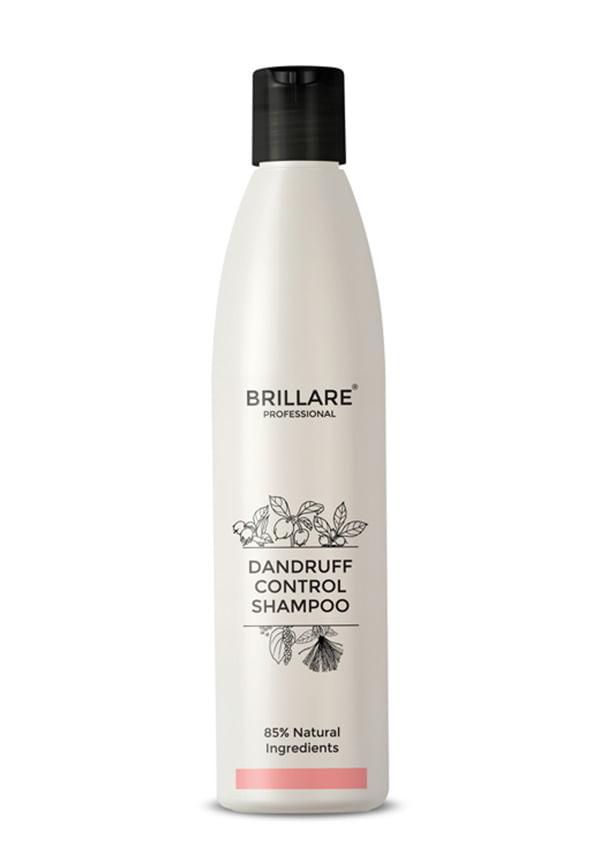
Dandruff Control Shampoo For Itchy, Flaky Scalp
Nourishing & Dandruff-Fighting Shampoo
5“This shampoo deeply nourishes the scalp and strengthens the hair from roots to tips. and removes all dandruff within 2..4 wash”
Love this product, order every time
5“love this product i ordered it every time”
Quick Results, Gentle & Amazing Quality
5“you will see results quickly rather than anything, very gentle small quantity enough , quality amazing”
Apple cider vinegar diluted with water can help restore your scalp's pH balance and provide quick relief. Mix one part vinegar with three parts water and apply it to your scalp, then rinse after a few minutes. Tea tree oil mixed with a carrier oil can also help, but use it sparingly as it's quite potent.
Once you've got immediate relief, it's time to think about longer-term solutions. The best approach often combines natural remedies with targeted treatments based on your specific scalp concerns.
Coconut oil isn't just trendy – it actually has antimicrobial properties that can help soothe itchy scalp conditions. Apply it to your scalp, leave it for 30 minutes, then shampoo as usual. Oatmeal baths or oatmeal paste applied to the scalp can also provide anti-inflammatory benefits that help calm irritation.
Honey mixed with a bit of water creates a gentle, moisturising treatment that can help heal minor scalp irritation. Its natural antibacterial properties make it particularly good for scalps that are both itchy and prone to minor infections.
For persistent scalp itch, medicated shampoos containing ketoconazole, selenium sulphide, or zinc pyrithione can be game-changers. These target the underlying causes of conditions like dandruff and seborrheic dermatitis. Start by using them twice a week and adjust based on how your scalp responds.
If over-the-counter options aren't cutting it, a dermatologist might prescribe topical steroids or stronger antifungal treatments. These are particularly helpful for conditions like psoriasis or severe seborrheic dermatitis that don't respond to gentler treatments.
Prevention is always better than cure, especially when it comes to scalp care. Building a routine that keeps your scalp healthy can save you from future itching episodes and help maintain overall hair health.
Choose your products wisely. Look for shampoos and conditioners that are free from harsh sulphates, parabens, and artificial fragrances if you have a sensitive scalp. Don't wash your hair too frequently – every other day or even twice a week might be enough, depending on your hair type and lifestyle.
Manage stress levels, as chronic stress can definitely contribute to scalp problems. Regular exercise, adequate sleep, and stress-reduction techniques can all help keep your scalp calm and healthy. Your diet matters too – foods rich in omega-3 fatty acids, zinc, and B vitamins support healthy scalp function.
Regular scalp massages can improve circulation and help distribute natural oils, which keeps your scalp moisturised and less prone to irritation. Use your fingertips, not your nails, and massage gently in circular motions for a few minutes before washing your hair.
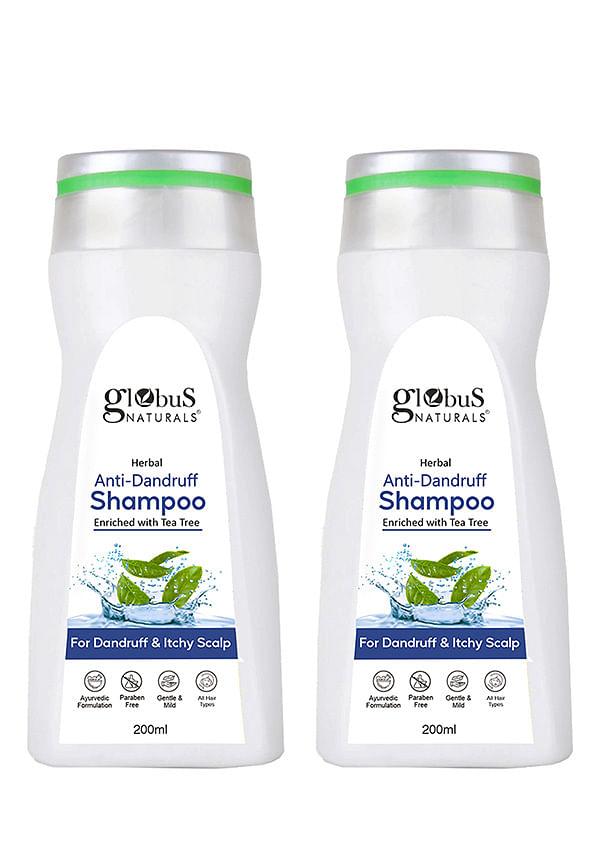
Anti Dandruff Shampoo, For Dandruff and Itchy Scalp
Effective for Itchy Scalp, Small Packing
5“small packing, but a great offer in price product is nice on scalp to reduce itchy issues effectively”
Nice Shampoo
5“dis shampoo is very nice liked it”
Nice Shampoo
5“dis shampoo is very nice liked it”
Start with immediate relief methods like cool water rinses or aloe vera gel. For longer-term solutions, identify and eliminate triggers, use gentle hair products, and consider medicated shampoos if the problem persists. If the itching is severe or accompanied by other symptoms, consult a dermatologist for proper diagnosis and treatment.
Keep a scalp diary noting when itching occurs, what products you've used, and any environmental factors. Try eliminating potential triggers one by one, starting with new hair products. Pay attention to patterns – does it happen after washing, during stress, or at certain times of day? If you can't identify the cause or if symptoms worsen, see a healthcare professional.
Focus on gentle scalp care with fragrance-free, sulphate-free products. Avoid scratching, which can worsen irritation. Use cool water when washing your hair, and consider natural remedies like diluted apple cider vinegar or coconut oil treatments. If the itching persists for more than a few weeks, it's worth getting a professional evaluation.
Scalp itch without visible flakes can be caused by dry scalp, product sensitivity, stress, hormonal changes, or even over-washing. Environmental factors like hard water or pollution can also cause irritation without producing flakes. Sometimes the flakes are too small to see or get washed away before you notice them.
Diluted apple cider vinegar rinses, coconut oil treatments, and aloe vera gel are among the most effective natural options. Cool water rinses, gentle scalp massages, and avoiding harsh products can also provide relief. Tea tree oil mixed with a carrier oil can help, but use it sparingly as it's quite strong.
Consult a dermatologist if your scalp itch persists for more than a few weeks, is accompanied by hair loss, bleeding, or severe flaking, or if you develop patches of discoloured skin. Also seek professional help if over-the-counter treatments aren't working or if the itching is severely affecting your daily life or sleep.
Finding the cause of your itchy scalp might take some detective work, but it's absolutely worth the effort. Most scalp irritation has a fixable cause, whether it's switching to gentler products, managing stress better, or treating an underlying condition. The key is being patient with the process and not giving up if the first solution doesn't work.
Remember that your scalp is skin too, and it deserves the same gentle care you'd give your face. Start with the simplest solutions – gentle products, proper hydration, and stress management – before moving on to stronger treatments. Most importantly, don't suffer in silence if the problem persists. Professional help can make all the difference in getting your scalp back to its happy, healthy state.
Not sure which scalp care products might work for your specific concerns? Smytten offers trial-size versions of many gentle shampoos and scalp treatments from trusted brands – a smart way to test what works for your scalp before committing to full-size bottles.
