Effective Scalp Treatment FAQ: Your Scalp Care Questions Answered

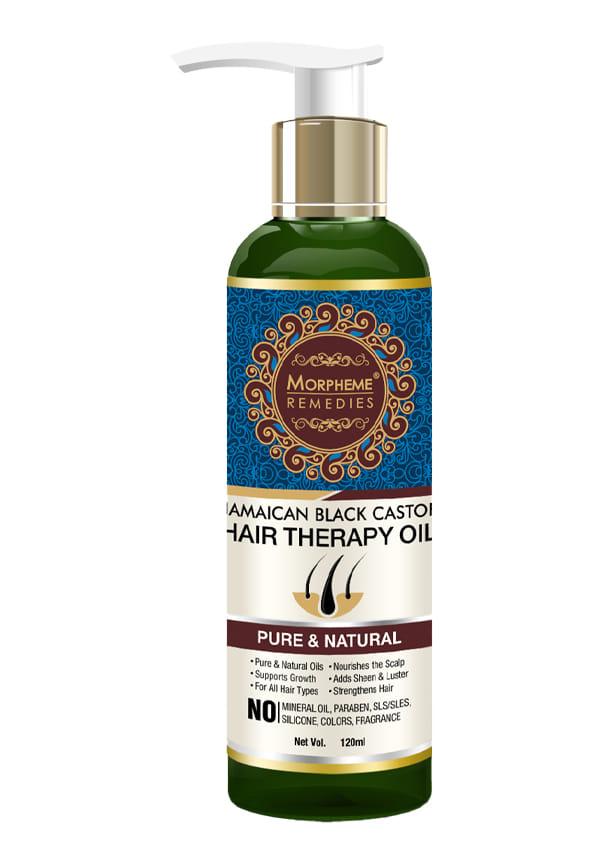
Morpheme Remedies Jamaican Black Castor Hair Therapy Oil - No Mineral Oil & Silicones
You know that feeling when your scalp starts acting up and suddenly every hair day becomes a bad hair day? Whether it's the dreaded flakes on your shoulders, that persistent itch that makes you want to scratch in public, or just general scalp weirdness that leaves you wondering what's going on up there. Real talk—your scalp is basically the foundation for everything happening with your hair, and when it's not happy, nothing else falls into place. The good news? Most scalp issues are totally manageable once you know what you're dealing with and have the right game plan. Let's dive into everything you need to know about getting your scalp back to its happy place.
Let's be real about what makes a scalp treatment actually worth your time and money. An effective scalp treatment isn't just about slapping on any product and hoping for the best—it's about targeting your specific concern with ingredients that have proper science backing them up. The most effective scalp treatments work by addressing the root cause of your issue, not just masking symptoms. For instance, if you're dealing with dandruff, you need antifungal ingredients like ketoconazole or zinc pyrithione that actually tackle the yeast overgrowth causing those flakes. If it's dryness making your life miserable, you want ingredients that restore moisture and strengthen your scalp barrier—think hyaluronic acid, ceramides, and gentle oils. Timing matters too. Most people expect overnight miracles, but your scalp needs time to reset. Dandruff treatments typically show results in 2-4 weeks, while dry scalp treatment can take 4-6 weeks to really turn things around. Scalp psoriasis treatment might need even longer, especially if you're dealing with a stubborn flare-up. The key is consistency and patience. Your scalp has been through whatever's been bothering it for a while, so give it the time it needs to heal properly. Also, effective doesn't always mean expensive—some of the best scalp care solutions are surprisingly affordable when you know what to look for.
Every scalp issue needs its own approach, and what works for your friend might not work for you. Here's the breakdown of the most common scalp concerns and what actually helps.
Dry scalp is often confused with dandruff, but they're totally different beasts. Dry scalp happens when your scalp isn't producing enough natural oils, or when something's stripping away the moisture it does have. You'll notice small, white flakes that feel dry and your scalp might feel tight or itchy. The most effective dry scalp treatment focuses on gentle hydration. Look for sulfate-free shampoos that won't strip your scalp further, and ingredients like glycerin, hyaluronic acid, and natural oils. Coconut oil, jojoba oil, and argan oil are particularly good because they're lightweight but deeply moisturising.
That constant urge to scratch can drive you absolutely mad, and scratching only makes things worse. Itchy scalp relief comes down to calming inflammation and addressing whatever's causing the irritation in the first place. Anti-inflammatory ingredients like tea tree oil, peppermint, and aloe vera can provide immediate soothing relief. For longer-term management, you might need to look at your haircare routine—are you using products with harsh sulfates or fragrances that could be irritating your scalp?
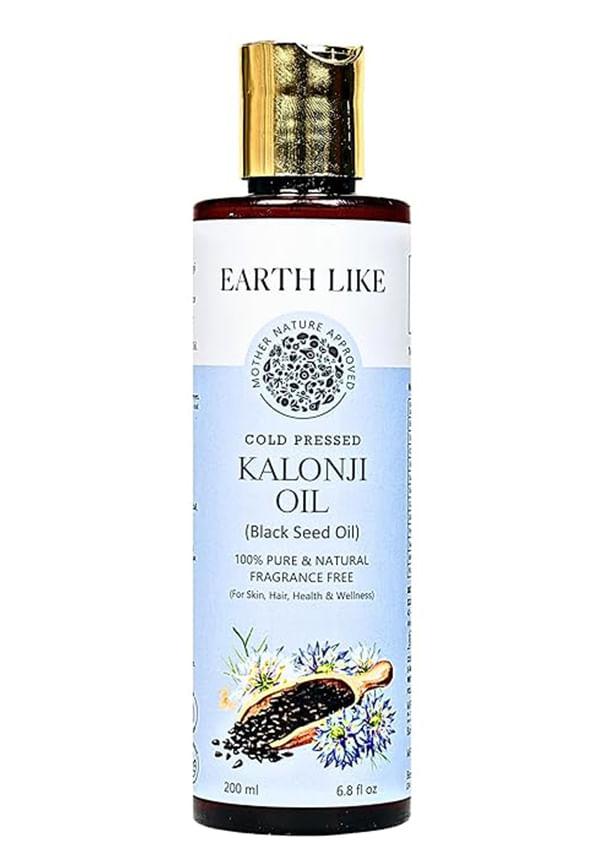
Kalonji Black Seed Oil for Healthy Hair, Skin Hydration & Scalp Nourishment
Dandruff is usually caused by an overgrowth of a yeast called Malassezia, which feeds on the oils your scalp produces. The flakes are typically larger and more oily than dry scalp flakes, and they often come with redness and irritation. Effective dandruff treatment requires antifungal ingredients. Zinc pyrithione is gentle and works well for mild cases, while ketoconazole is stronger for stubborn dandruff. Coal tar treatments are the heavy hitters for really persistent cases, though they can be drying.
Scalp psoriasis is a whole different level of challenging. You'll see thick, silvery scales and red patches that can be quite uncomfortable. This is definitely a case where you might need professional help, especially if over-the-counter treatments aren't cutting it. Medicated shampoos with coal tar or salicylic acid can help remove scales, while corticosteroid solutions can reduce inflammation. The key with scalp psoriasis treatment is being gentle—aggressive scrubbing will only make things worse.
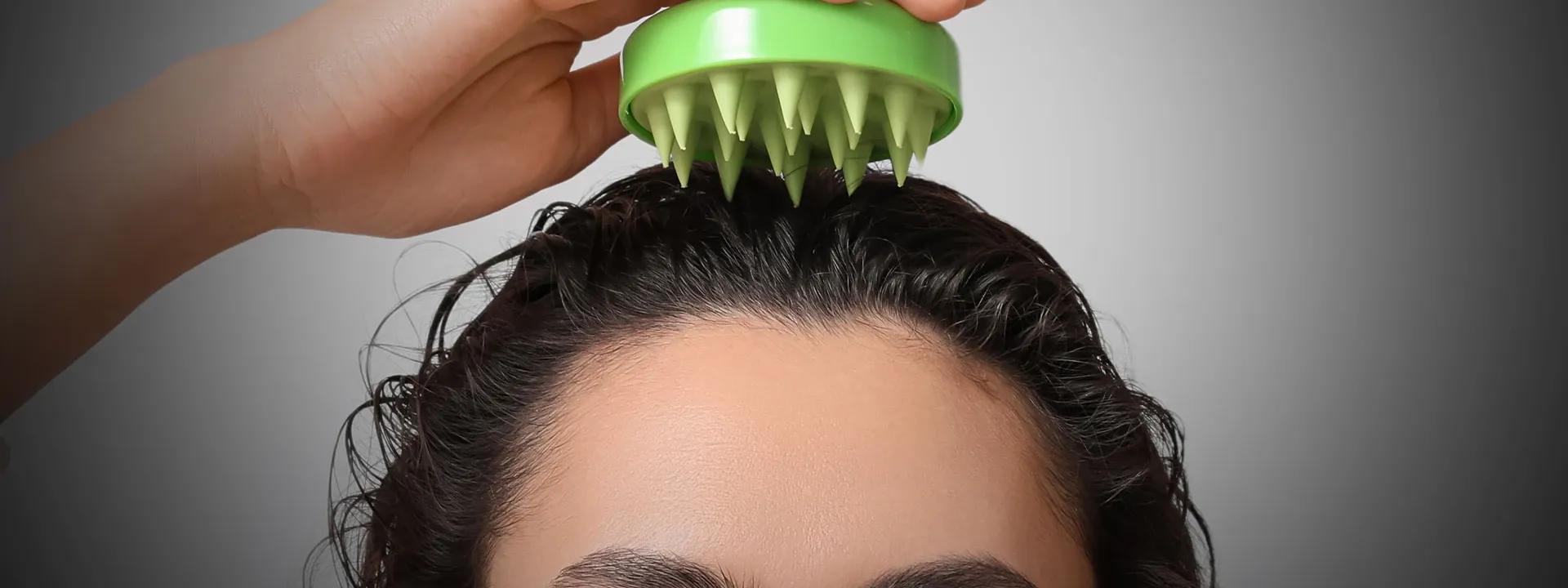
You don't always need expensive treatments to get your scalp health back on track. Some of the most effective scalp treatments can be done right at home with ingredients you might already have. Scalp massage is genuinely one of the best things you can do for overall scalp health. It improves blood circulation, helps distribute natural oils, and feels amazing. Use your fingertips (not nails) to massage in small circles for 5-10 minutes. You can do this on dry hair or with a few drops of oil. Oil treatments can work wonders for dry, irritated scalps. Warm up a small amount of coconut, jojoba, or olive oil and massage it into your scalp. Leave it on for 30 minutes to an hour before washing out with a gentle shampoo. Just don't overdo it—too much oil can actually clog your hair follicles. DIY scalp scrubs can help with flaky buildup, but be gentle. Mix brown sugar with a bit of oil and very gently massage into your scalp once a week. This helps remove dead skin cells without being too harsh. Building an effective haircare routine is crucial. Start with a gentle, sulfate-free shampoo that matches your scalp concern. Don't wash daily unless you have very oily hair—2-3 times a week is usually plenty. Always rinse thoroughly and avoid applying conditioner directly to your scalp.
Sometimes DIY just isn't going to cut it, and that's totally okay. Knowing when to see a dermatologist can save you months of frustration and potentially prevent more serious issues. If you've been dealing with scalp issues for more than 6-8 weeks without improvement, it's time to get professional help. Same goes if you're experiencing severe itching, pain, hair loss, or if your scalp condition is affecting your daily life. Dermatologists have access to prescription treatments that are much stronger than anything you can buy over the counter. They can also properly diagnose what's actually going on—sometimes what looks like dandruff is actually seborrheic dermatitis or another condition that needs specific treatment. Professional hair follicle treatment might be necessary if you're dealing with conditions like folliculitis or if your scalp issues are contributing to hair loss. These treatments can include prescription antifungals, antibiotics, or specialized therapies that target inflammation.
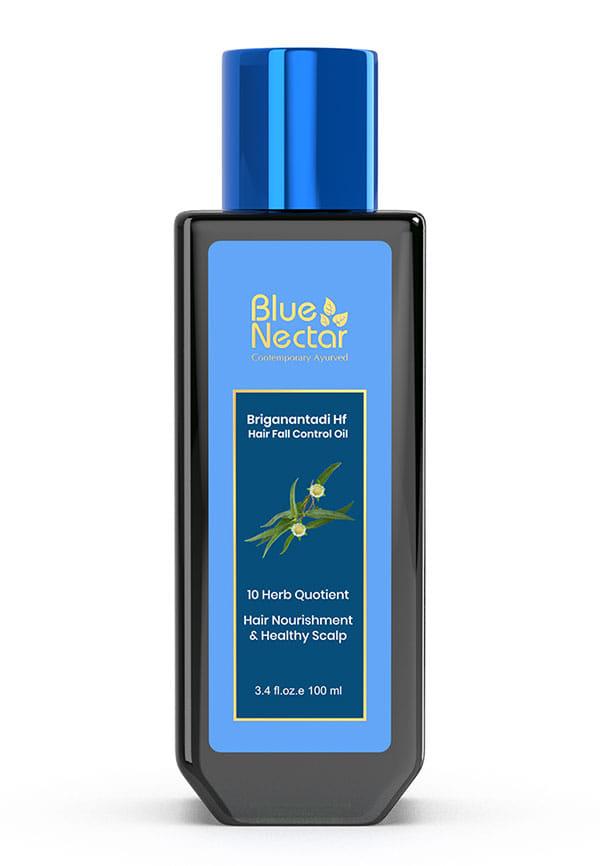
Briganantadi Hair Fall control and Healthy Scalp Hair Oil 10 Herbs
Here's something that might surprise you—your scalp health directly impacts how well your hair grows. A healthy scalp creates the perfect environment for strong, healthy hair, while scalp issues can actually slow down or disrupt hair growth. Inflammation is one of the biggest enemies of hair growth. When your scalp is constantly inflamed, it can damage hair follicles and disrupt the normal hair growth cycle. This is why treating scalp conditions isn't just about comfort—it's about maintaining healthy hair long-term. Scalp massage isn't just relaxing; it genuinely helps with hair growth by improving blood circulation to hair follicles. Better circulation means more nutrients and oxygen reaching your hair roots, which supports stronger, faster growth. Certain ingredients can pull double duty—treating scalp concerns while supporting hair growth. Niacinamide reduces inflammation and can help with hair thickness. Caffeine-infused treatments stimulate circulation. Peptides can strengthen both scalp barrier function and hair follicles.
With so many options out there, picking the right scalp care approach can feel overwhelming. The key is starting with an honest assessment of what's actually happening with your scalp. First, identify your primary concern. Are you dealing with flakes, itching, dryness, oiliness, or something else? Sometimes you might have multiple issues, but focus on the most bothersome one first. Consider your hair type and current haircare routine. If you have fine hair, heavy oil treatments might weigh your hair down. If you have textured or curly hair, you might need more moisturising treatments than someone with straight, oily hair. Patch test new products, especially if you have sensitive skin. Apply a small amount behind your ear or on your inner wrist and wait 24-48 hours to make sure you don't react. Start slowly with new treatments. Don't completely overhaul your routine all at once—introduce one new product at a time so you can tell what's actually helping.
The best scalp treatment depends entirely on your specific issue. For dandruff, antifungal ingredients like ketoconazole or zinc pyrithione work best. Dry scalp responds well to gentle, moisturising treatments with ingredients like hyaluronic acid and natural oils. Itchy scalp relief often comes from anti-inflammatory ingredients like tea tree oil or aloe vera. The key is matching the treatment to your specific concern rather than trying a one-size-fits-all approach.
Yes, DHT (dihydrotestosterone) can contribute to scalp inflammation, particularly in people with androgenetic alopecia. DHT binds to receptors in hair follicles and can trigger an inflammatory response that damages the follicles over time. This inflammation can make the scalp more sensitive and prone to other issues. Managing DHT-related inflammation often requires targeted treatments that address both the hormonal aspect and the resulting scalp irritation.
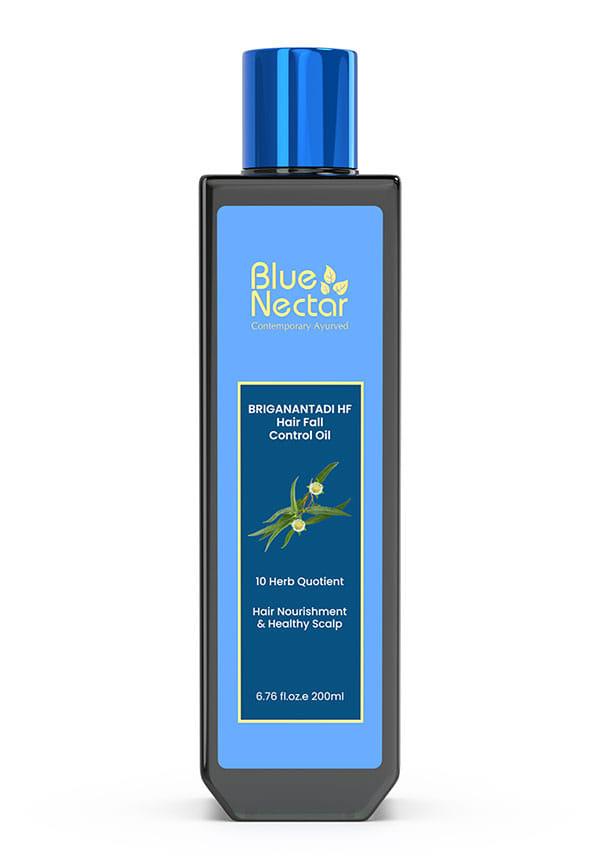
Briganantadi Hair Fall control and Healthy Scalp Hair Oil 10 Herbs
Absolutely. Regular scalp massage genuinely improves blood circulation to hair follicles, which brings more nutrients and oxygen to support healthy hair growth. Studies have shown that just 4 minutes of daily scalp massage can increase hair thickness over time. Use your fingertips to massage in small circles with gentle to medium pressure. You can do this on dry hair or with a few drops of oil for added benefits.
The most effective approach starts with identifying your specific scalp concern, then building a gentle, consistent routine around it. Use a sulfate-free shampoo appropriate for your issue, don't overwash (2-3 times per week is usually enough), and incorporate targeted treatments like medicated shampoos or scalp serums as needed. Regular scalp massage, staying hydrated, and managing stress also play important roles in overall scalp health.
Most scalp treatments need 4-8 weeks to show significant results, though you might notice some improvement sooner. Dandruff treatments typically work within 2-4 weeks, while dry scalp treatment can take 4-6 weeks. More complex conditions like scalp psoriasis might need 8-12 weeks or longer. The key is consistency—stick with your routine even if you don't see immediate changes.
You can combine certain scalp treatments, but you need to be smart about it. Don't use multiple medicated shampoos at the same time, as this can cause irritation. However, you might use a medicated shampoo 2-3 times per week and a gentle, moisturising shampoo on other days. Always introduce new products one at a time and watch for any signs of irritation or sensitivity.
Your scalp deserves the same attention you give the rest of your skincare routine. Most scalp issues are totally manageable with the right approach, but it takes patience and consistency to see real results. The most important thing is matching your treatment to your specific concern. Dandruff needs antifungal ingredients, dry scalp needs gentle hydration, and inflammatory conditions need soothing, anti-inflammatory care. Don't be afraid to start simple—sometimes the most effective scalp treatment is just switching to a gentler shampoo and adding regular scalp massage to your routine. Remember that healthy hair starts with a healthy scalp. When you take care of the foundation, everything else tends to fall into place. Not sure which approach might work best for your specific scalp concerns? Smytten also offers trial-size versions of many scalp care products—a good way to test different treatments before committing to full-size bottles.
