Effective Itchy Scalp FAQ: Common Questions Answered

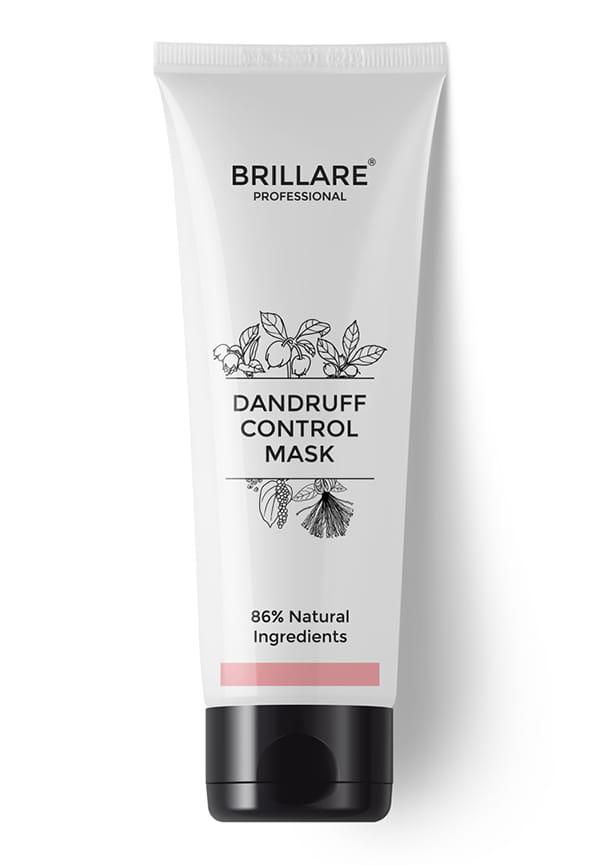
Conditioner For Itchy, Flaky Scalp
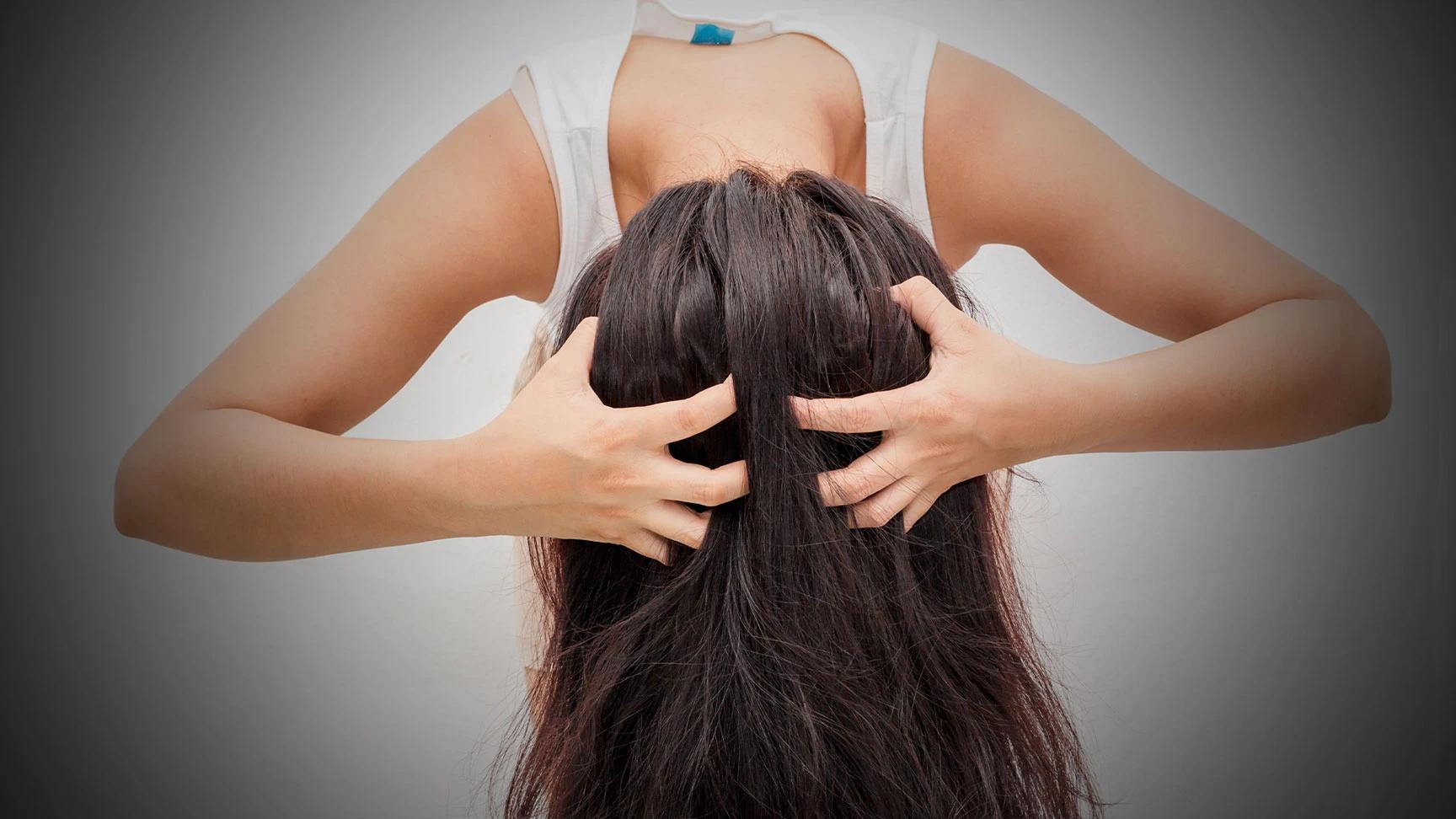
That constant urge to scratch your scalp? We've all been there. Whether it's a sudden itch that strikes during an important meeting or that persistent irritation that keeps you awake at night, an itchy scalp can seriously mess with your day. The thing is, scalp itch isn't just annoying—it's your skin trying to tell you something. From product buildup to underlying conditions, there are loads of reasons why your scalp might be acting up. The good news? Most scalp itch issues are totally manageable once you know what you're dealing with.
Real talk—figuring out why your scalp is itchy is half the battle won. Your scalp can get irritated for loads of different reasons, and knowing the cause helps you pick the right solution. Let's break down the most common culprits behind that persistent itch.
Sometimes your itchy scalp is actually a sign of an underlying condition. Dandruff is probably the most common one—those white flakes paired with itching happen when your scalp sheds skin cells too quickly. Then there's seborrheic dermatitis, which is basically dandruff's more intense cousin. It causes red, scaly patches that can be pretty uncomfortable. Scalp psoriasis is another biggie, creating thick, silvery scales that can itch like crazy.
Your environment plays a huge role in scalp health. Dry weather can leave your scalp feeling tight and itchy, especially during winter months. Product buildup from styling gels, dry shampoos, or even regular shampoos can clog your hair follicles and irritate your skin. Overwashing is another sneaky culprit—stripping your scalp of natural oils can actually make it produce more oil and get irritated.
What you eat and your hormone levels can definitely affect your scalp. Zinc deficiency is linked to scalp irritation, while low iron levels can make your scalp more sensitive. Hormonal changes during periods, pregnancy, or menopause can also trigger scalp sensitivity and itching.
When your scalp is driving you mad with itching, you need relief fast. These quick fixes can help calm things down while you work on longer-term solutions. The key is choosing gentle methods that won't make the irritation worse.
Cold therapy works wonders for immediate scalp itch relief. Apply a cold compress wrapped in a thin towel to itchy areas for 10-15 minutes. Aloe vera gel straight from the fridge provides instant cooling and has anti-inflammatory properties that help reduce irritation. Just make sure you're using pure aloe without added fragrances or alcohol.
A quick rinse with diluted apple cider vinegar can help restore your scalp's pH balance and reduce itching. Mix one part vinegar with three parts water and pour it over your scalp, then rinse with cool water. Tea tree oil mixed with a carrier oil like coconut oil can also provide quick relief—just remember to dilute it properly since tea tree oil is quite potent.
Instead of scratching, try gentle scalp massage with your fingertips (not nails). This increases blood flow and can help distribute natural oils. Use circular motions and light pressure—aggressive rubbing will only make things worse.
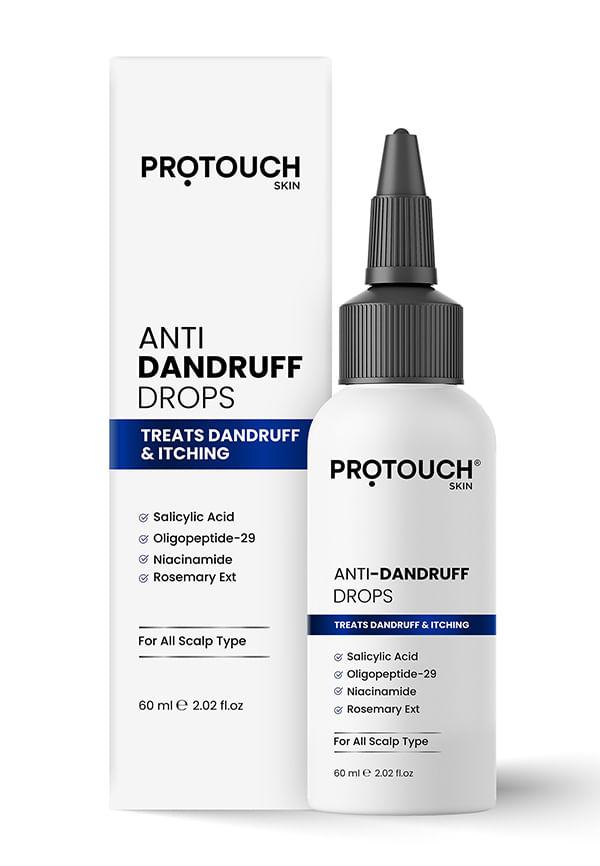
SKIN Anti Dandruff Drops Serum Soothes Itchy, Inflamed Scalp
Not all shampoos are created equal when it comes to treating scalp itch. The right ingredients can make a massive difference in how your scalp feels. Here's what to look for when you're shopping for an itchy scalp shampoo.
Salicylic acid is brilliant for removing dead skin cells and reducing buildup that can cause itching. Ketoconazole is an antifungal ingredient that's particularly effective for dandruff treatment and seborrheic dermatitis. Zinc pyrithione helps control the yeast that can contribute to scalp irritation and flaking. These ingredients are often found in medicated shampoos and can provide significant relief for persistent itching.
If your scalp is super sensitive, look for sulfate-free formulas that clean without stripping. Ingredients like coco-glucoside and decyl glucoside are much gentler than traditional sulfates. Niacinamide (vitamin B3) helps strengthen the scalp barrier and reduce inflammation, making it perfect for sensitive scalp care.
Your specific scalp condition determines which ingredients will work best. For oily, flaky scalps, stronger active ingredients like salicylic acid work well. For dry, sensitive scalps, gentler options with moisturising ingredients are better. Always patch test new products before using them all over your scalp.
Sometimes the best dry scalp remedies are sitting right in your kitchen. These natural scalp soothers can be surprisingly effective, especially for mild to moderate itching. The bonus? They're usually much gentler than commercial treatments.
Colloidal oatmeal is amazing for soothing irritated skin—just grind regular oats into a fine powder and mix with water to create a paste. Apply it to your scalp for 15-20 minutes before rinsing. Olive oil can help moisturise a dry scalp, while lemongrass oil has antimicrobial properties that can help with certain types of scalp irritation.
Essential oils can be powerful natural scalp soothers, but they need to be used correctly. Peppermint oil provides a cooling sensation and may help with circulation. Lavender oil is calming and anti-inflammatory. Always dilute essential oils in a carrier oil like jojoba or coconut oil—a few drops per tablespoon of carrier oil is plenty.
A simple honey and yoghurt mask can help balance your scalp's microbiome and provide moisture. Mix equal parts and apply to your scalp for 20 minutes before washing out. Mashed avocado mixed with a bit of olive oil creates a nourishing treatment for dry, itchy scalps.
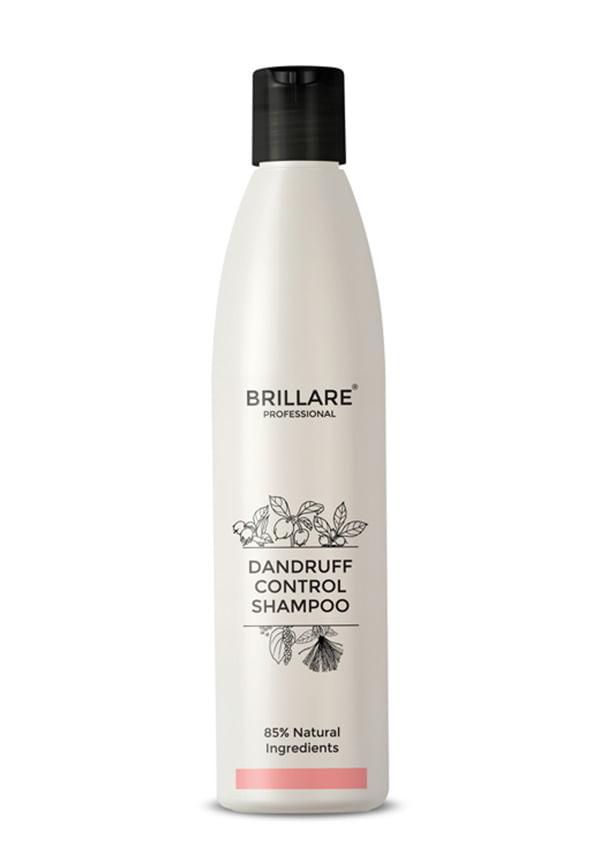
Dandruff Control Shampoo For Itchy, Flaky Scalp
If your scalp seems to get itchier when you're trying to sleep, you're not imagining things. Nighttime itching is actually pretty common and has some specific triggers. Understanding why this happens can help you get better rest and give your scalp the relief it needs.
Your pillow material might be part of the problem. Synthetic fabrics can trap heat and moisture, making itching worse. Cotton or bamboo pillowcases are much better for sensitive scalp care. Low humidity in your bedroom, especially during winter, can also dry out your scalp and increase itching. Stress from the day can make you more aware of physical sensations like itching once you're lying still.
A gentle scalp massage with a few drops of diluted lavender oil before bed can help calm both your scalp and your mind. If you wash your hair in the evening, make sure it's completely dry before bed—damp hair can create the perfect environment for irritation. Consider using a humidifier in your bedroom to keep the air from getting too dry.
Light, non-greasy scalp oils can provide overnight moisture without making your hair look oily in the morning. Jojoba oil is particularly good because it's similar to your scalp's natural sebum. Avoid heavy treatments that might transfer to your pillow and cause breakouts on your face.
Creating a consistent routine is key to managing scalp itch long-term. Your daily haircare for itchy scalp should focus on gentle cleansing, proper moisture balance, and avoiding triggers. It's all about finding what works for your specific scalp needs and sticking with it.
Start your day by gently massaging your scalp to stimulate circulation. If you're using any leave-in treatments, apply them to slightly damp hair for better absorption. Avoid tight hairstyles that can pull on your scalp and cause irritation throughout the day.
How often you wash depends on your scalp type. Oily scalps might need daily washing, while dry scalps do better with washing every 2-3 days. When you do wash, use lukewarm water—hot water can strip natural oils and worsen itching. Massage shampoo gently with your fingertips, never your nails, and rinse thoroughly to avoid product buildup.
Heat styling can dry out your scalp, so try to air dry when possible. If you must use heat tools, always use a heat protectant and keep the temperature moderate. Avoid products with alcohol, which can be drying, and be careful with dry shampoos—they can build up and cause irritation if used too frequently.
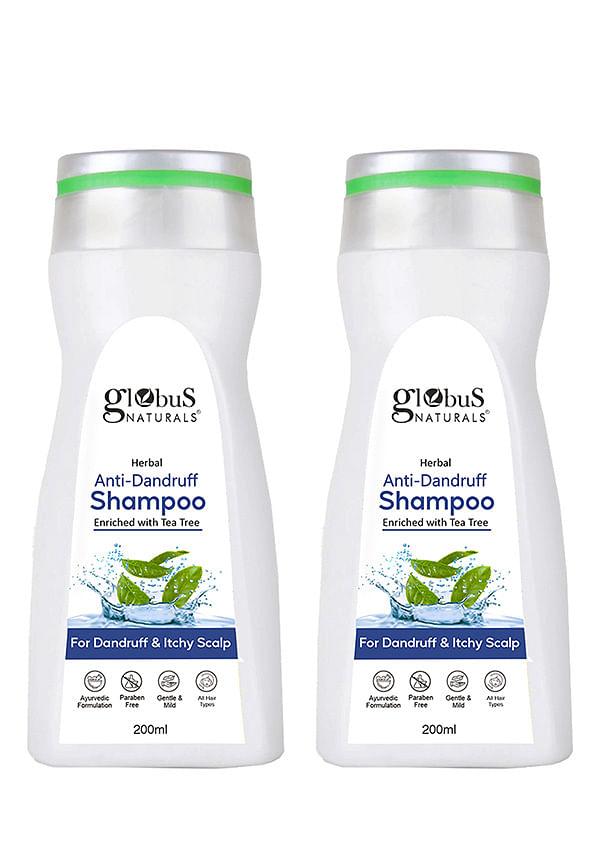
Anti Dandruff Shampoo, For Dandruff and Itchy Scalp
For immediate relief, try a cold compress or aloe vera gel applied directly to the itchy areas. A quick rinse with diluted apple cider vinegar can also help restore your scalp's pH balance and reduce itching within minutes. Avoid scratching, which only makes the irritation worse.
Identify and eliminate triggers like harsh shampoos, overwashing, or product buildup. Switch to a gentle, sulfate-free shampoo and wash with lukewarm water. If the itching persists for more than a few weeks, consider seeing a dermatologist to rule out underlying conditions like seborrheic dermatitis or scalp psoriasis.
Zinc deficiency is commonly linked to scalp irritation and itching. Iron deficiency can also make your scalp more sensitive. B vitamins, particularly biotin and B12, play important roles in scalp health. If you suspect a nutritional deficiency, consult with a healthcare provider for proper testing and supplementation advice.
Yes, elevated DHT (dihydrotestosterone) levels can contribute to scalp sensitivity and itching. DHT can cause inflammation around hair follicles, leading to irritation. This is often seen alongside male pattern baldness or androgenetic alopecia. If you're experiencing both hair thinning and scalp itching, it's worth discussing DHT levels with a dermatologist.
Chronic scratching from an itchy scalp can damage hair follicles and lead to temporary hair loss. Conditions like seborrheic dermatitis or scalp psoriasis that cause persistent itching may also contribute to hair thinning. The good news is that treating the underlying scalp condition usually helps hair grow back normally.
Most people see some improvement within 1-2 weeks of starting a new treatment routine. However, it can take 4-6 weeks to see significant changes, especially for conditions like dandruff or seborrheic dermatitis. Be patient and consistent with your chosen treatment—switching products too quickly can actually make things worse.
See a professional if your scalp itching persists for more than 4 weeks despite trying over-the-counter treatments, if you notice hair loss, or if you develop painful sores or severe scaling. Also seek help if the itching is affecting your sleep or daily activities, or if you suspect an allergic reaction to a product.
Managing an itchy scalp is totally doable once you understand what's causing the irritation. Whether it's switching to gentler products, adjusting your washing routine, or trying natural remedies, there are loads of effective options to explore. The key is being patient and consistent with whatever approach you choose—your scalp needs time to heal and adjust.
Remember that everyone's scalp is different, so what works for your friend might not work for you. Start with gentle changes and gradually introduce new products or treatments. If you're dealing with persistent itching that doesn't improve with home care, don't hesitate to consult a dermatologist for professional guidance.
Not sure which products might work best for your specific scalp concerns? Smytten offers trial-size versions of many scalp care products from trusted brands—a smart way to test different formulations before committing to full-size bottles. After all, finding your perfect scalp care routine shouldn't involve guesswork or expensive mistakes.
