Effective Hair Care Practices FAQ: Your Questions Answered

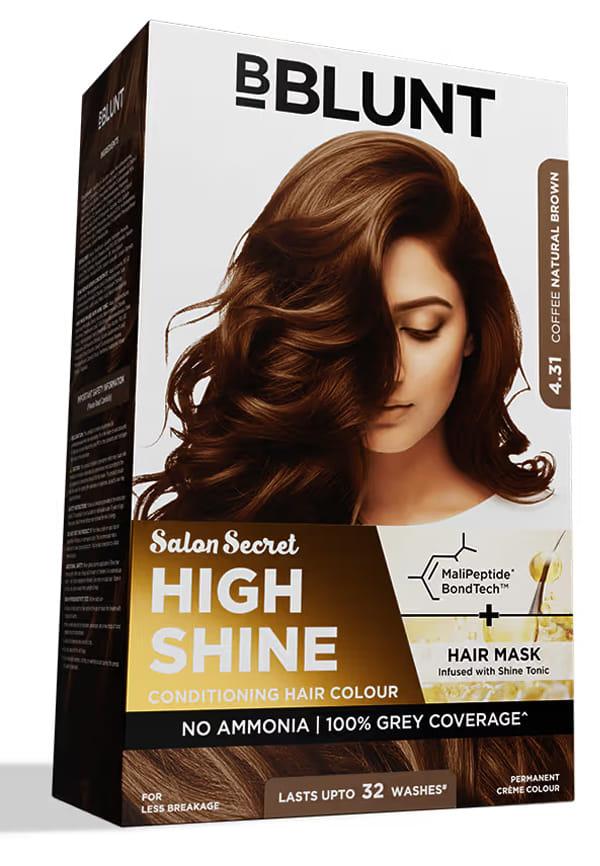
Salon Secret High Shine Conditioning Hair Colour
All-time favorite, great results
 5
5“my All time fevrouite result bahut ache h”
Nice, Effective & Impactful Product
5“very nice effective and impactful product. Total coverage”
Good Product, Suits Hair
4“really good product. suits my hair”
You know that feeling when you've tried everything for your hair but nothing seems to work? One day it's too oily, the next it's dry as straw, and don't even get us started on those random frizz attacks. If you're nodding along, you're definitely not alone. The thing is, effective hair care practices aren't some mysterious secret—they're actually pretty straightforward once you know what works for your specific hair type and concerns. Whether you're dealing with stubborn dandruff, trying to grow your hair longer, or just want that healthy shine everyone talks about, the right approach can make all the difference. Let's dive into the most common hair care questions and get you some real answers that actually work.
Real talk—there's no one-size-fits-all answer here, but there are some solid foundations that work for pretty much everyone. Think of effective hair care practices like building a house: you need a strong foundation before you can add the fancy stuff. The key is understanding that your hair and scalp have different needs, and what works for your friend might not work for you.
The most successful hair care routine starts with knowing your hair type, understanding your scalp condition, and being consistent with your approach. It's not about using the most expensive products or following every trend—it's about finding what genuinely works for your hair and sticking with it long enough to see results.
Every solid hair care routine follows four basic steps: cleanse, treat, nourish, and protect. Cleansing means using proper hair washing techniques—not scrubbing your scalp like you're washing dishes, but gently massaging to remove buildup without stripping natural oils. Treating involves conditioning and any targeted treatments for specific concerns like dryness or damage. Nourishing focuses on scalp care and feeding your hair the nutrients it needs. Protecting means shielding your hair from heat, environmental damage, and harsh styling practices.
Your hair type determines how often you should wash, what products to use, and which styling methods work best. Oily hair might need daily washing, whilst dry or curly hair often benefits from less frequent washing to preserve natural oils. Fine hair needs lightweight products that won't weigh it down, whilst thick or coarse hair can handle richer formulations.
Building a hair care routine that actually works means thinking beyond just shampoo and conditioner. Your daily hair maintenance should be simple enough that you'll actually stick to it, but comprehensive enough to address your hair's needs. The best routines adapt to your lifestyle—if you're always rushing in the morning, focus on evening care and quick morning touch-ups.
Consistency beats perfection every time. It's better to do a simple routine religiously than to attempt an elaborate one that you'll abandon after a week. Start with the basics and add treatments gradually as you figure out what your hair responds to best.
Your morning routine should be quick and protective. If you're washing your hair, use lukewarm water and focus shampoo on your scalp, not the lengths. Apply conditioner from mid-length to ends, never on the roots. If it's a non-wash day, refresh with a light leave-in product or just dampen slightly and reshape your style.
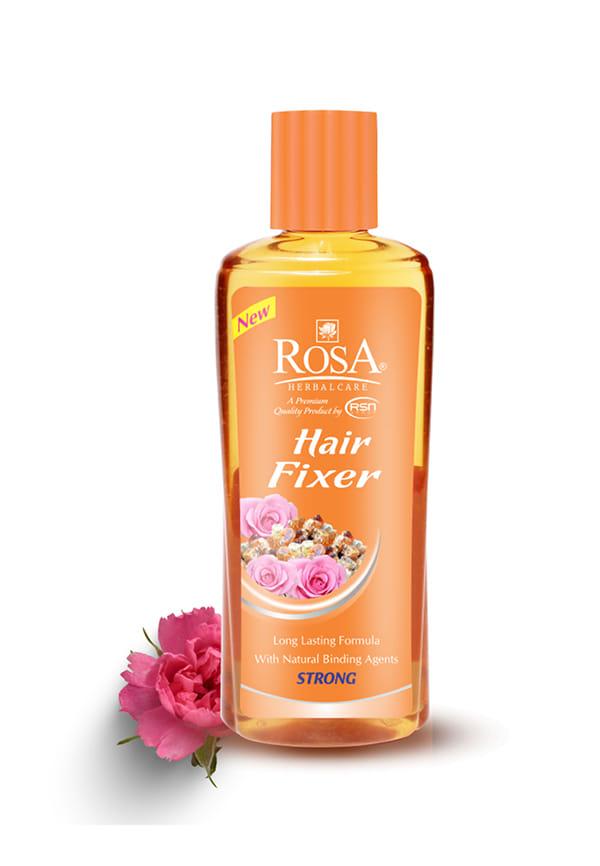
Hair Fixer strong with long lasting I For All skin I Natural & Herbal ingredients I For soft and smooth skin
Once a week, give your hair some extra love with a deeper treatment. This might be a protein mask if your hair feels weak and stretchy, or a moisture mask if it's feeling dry and brittle. Don't forget about your scalp—a weekly gentle exfoliation or nourishing treatment can work wonders for overall hair health.
Let's be honest—most of us learned to wash our hair as kids and never really questioned whether we were doing it right. But proper hair washing techniques can make a huge difference in how your hair looks and feels. It's not just about getting clean; it's about maintaining your hair's natural balance whilst removing buildup and impurities.
The temperature of your water matters more than you might think. Hot water strips natural oils and can irritate your scalp, whilst cold water doesn't cleanse effectively. Lukewarm water is your sweet spot—warm enough to open the hair cuticles for proper cleansing, but not so hot that it causes damage.
Start by thoroughly wetting your hair with lukewarm water. Use about a teaspoon of shampoo for shoulder-length hair—you really don't need much. Focus on massaging your scalp with your fingertips, not your nails, working the shampoo through your roots. The suds will naturally cleanse the lengths as you rinse, so don't scrub the ends of your hair.
Conditioning is where many people go wrong. Apply conditioner only from your ears down to the ends of your hair—putting it on your roots can make your hair look greasy and flat. Leave it on for at least two minutes to let it penetrate the hair shaft, then rinse thoroughly with cool water to seal the cuticles and add shine.
Here's the thing about heat styling—it's not inherently evil, but it can be damaging if you're not careful. The key is knowing when to use heat, how to protect your hair when you do, and having plenty of heat-free alternatives in your styling arsenal. Your hair will thank you for giving it breaks from high temperatures.
Heat protection isn't just about spraying on a product and hoping for the best. It's about using the right temperature for your hair type, applying protectant properly, and not overdoing it with multiple hot tools in one session.
Air-drying doesn't have to mean frizzy, shapeless hair. Try applying a leave-in conditioner and styling cream to damp hair, then scrunching gently with a microfibre towel. For waves without heat, try braiding slightly damp hair before bed or using foam rollers. These methods take a bit longer but are much gentler on your hair.
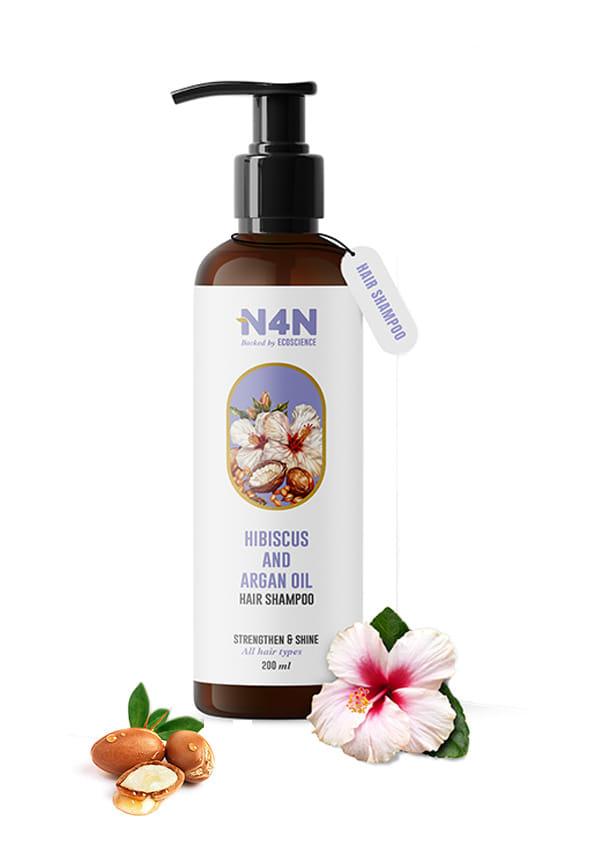
Hair Shampoo | Hibiscus And Argan Oil | Strengthen & Shine
If you're using hot tools, never skip the heat protectant—apply it to damp hair before blow-drying or to dry hair before using straighteners or curling irons. Keep temperatures below 180°C for fine or damaged hair, and never exceed 200°C for any hair type. Always use tools on completely dry hair unless they're specifically designed for wet styling.
Your hair is basically a reflection of your overall health, so it makes sense that what you eat and how you live affects how it looks and grows. You can't supplement your way out of a poor hair care routine, but good nutrition definitely supports healthy hair from the inside out.
The connection between diet and hair health isn't just wellness marketing—it's backed by science. Your hair follicles are some of the most active cells in your body, so they need a steady supply of nutrients to function properly.
Protein is crucial since hair is mostly made of keratin, a type of protein. Include fish, eggs, nuts, and legumes in your diet. Iron deficiency can cause hair loss, so make sure you're getting enough from sources like spinach, lentils, and lean meat. Omega-3 fatty acids from fish and walnuts help keep hair shiny and strong.
Stress can literally make your hair fall out, so finding ways to manage it—whether through exercise, meditation, or just getting enough sleep—is crucial for hair health. Poor sleep disrupts the hair growth cycle, whilst chronic stress can push hair follicles into a resting phase. Even simple things like using a silk pillowcase can reduce friction and breakage whilst you sleep.
We've all been there—trying a new technique we saw online or using a product that promised miraculous results, only to end up with hair that looks worse than when we started. The good news is that most hair care mistakes are easily fixable once you know what to look out for.
The biggest mistake people make is expecting instant results and switching products too quickly. Hair care is a marathon, not a sprint, and it can take weeks or even months to see significant changes from a new routine.
Don't brush wet hair aggressively—it's at its most vulnerable when wet, so use a wide-tooth comb and start from the ends. Don't wash your hair every day unless you have very oily hair or an active lifestyle that requires it. Don't use heat tools without protection, and don't ignore your scalp health—a healthy scalp is the foundation of healthy hair. Finally, don't use products meant for other hair types just because they smell nice or are on sale.
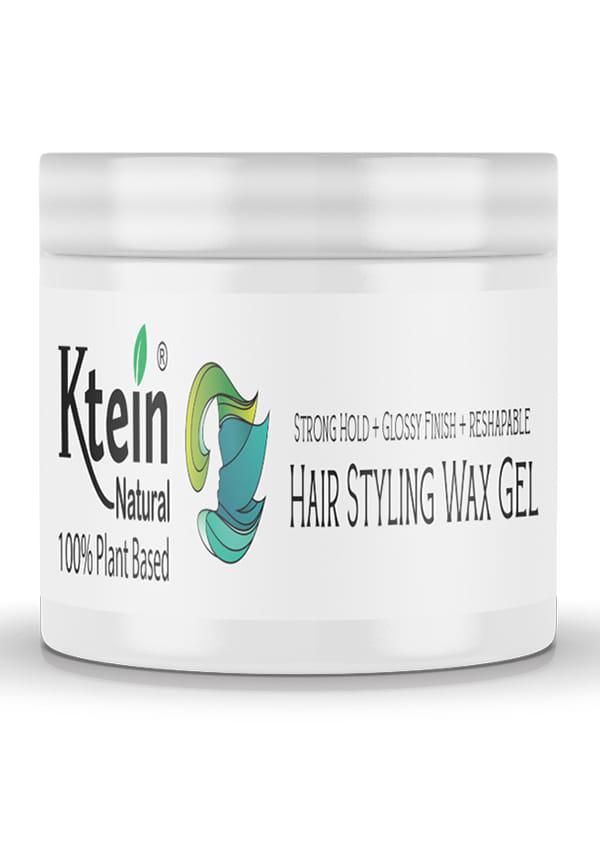
Hair Styling Wax Gel 100% Plant Based Strong Hold Glossy Finish Reshapable for Men & Women
Do be gentle when handling your hair, especially when it's wet. Do stick with a routine long enough to see results—at least 6-8 weeks. Do get regular trims to prevent split ends from travelling up the hair shaft. Do choose products based on your hair's actual needs, not marketing claims. And do consult a professional if you're dealing with persistent issues like excessive hair loss or scalp problems.
This depends entirely on your hair type and lifestyle. Oily hair might need daily washing, whilst dry or curly hair often benefits from washing just 2-3 times per week. If you exercise regularly or live in a polluted environment, you might need to wash more frequently. The key is finding the balance where your hair feels clean without being stripped of natural oils.
Price doesn't always indicate quality, but there can be differences in ingredient concentration and formulation. Expensive products might contain higher-quality ingredients or more advanced technology, but many budget options work just as well. Focus on finding products with ingredients that address your specific hair concerns rather than just looking at the price tag.
Absolutely. Your hair follicles are among the most active cells in your body and need proper nutrition to function. Deficiencies in protein, iron, zinc, or vitamins can lead to hair loss, thinning, or poor hair quality. A balanced diet with adequate protein, healthy fats, and vitamins will support healthy hair growth and strength.
Look for signs like reduced breakage, improved shine, easier manageability, and healthier-looking ends. Your scalp should feel comfortable without excessive oiliness or dryness. Remember that it takes time—you might not see significant changes for 6-8 weeks, as that's roughly one hair growth cycle.
If you're experiencing increased breakage, persistent scalp irritation, excessive oiliness or dryness, or if your hair feels consistently dull or lifeless, it might be time to reassess your routine. Seasonal changes, hormonal shifts, or lifestyle changes might also require adjustments to your hair care approach.
Your hair's needs can change with the seasons. Winter might require more moisture due to heating and dry air, whilst summer might call for more frequent washing due to sweat and humidity. Pay attention to how your hair responds to environmental changes and adjust your routine accordingly.
Effective hair care practices aren't about following every trend or using the most expensive products—they're about understanding your hair's unique needs and being consistent with a routine that works. Remember that healthy hair starts with a healthy scalp, proper nutrition, and gentle handling. Don't expect overnight miracles; good hair health is built over time with patience and the right approach.
The most important thing is to start where you are and make gradual improvements. Whether you're dealing with oily roots, dry ends, or just want to maintain healthy hair, the key is finding products and techniques that work for your specific situation. If you're not sure which products might work best for your hair type, exploring trial-size versions can be a smart way to test different formulations before committing to full-size bottles. Smytten offers trial packs from trusted haircare brands, letting you discover what works for your hair without the guesswork or waste.
