Dry Scalp FAQ: Understanding Causes and Treatments

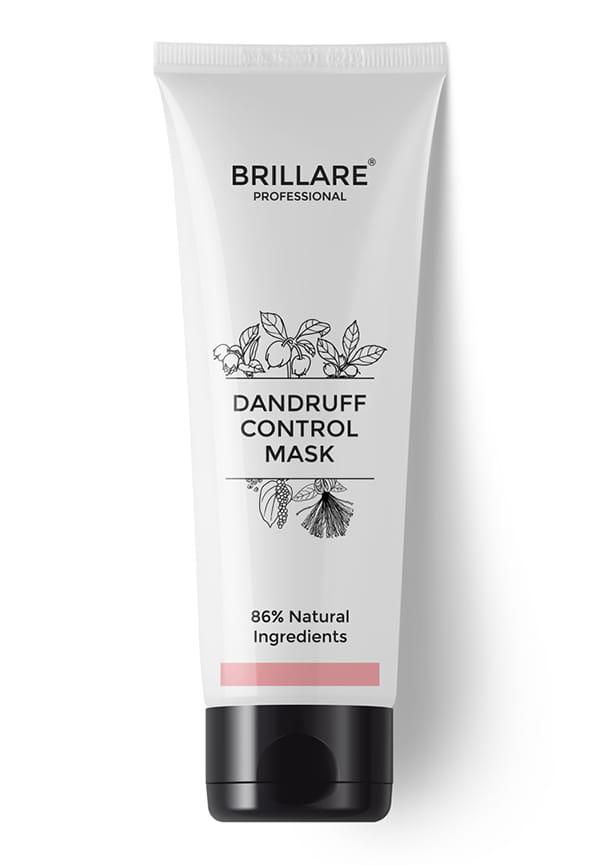
Conditioner For Itchy, Flaky Scalp
You know that feeling when your scalp feels tight, itchy, and you're constantly brushing away those annoying white flakes? Yeah, we've all been there. Dry scalp is one of those hair concerns that seems to pop up at the worst times—right before an important meeting or when you're wearing that perfect black top. The thing is, understanding what causes dry scalp is actually the first step to sorting it out for good. Let's dive into everything you need to know about scalp dryness, from the sneaky culprits behind it to the treatments that actually work.
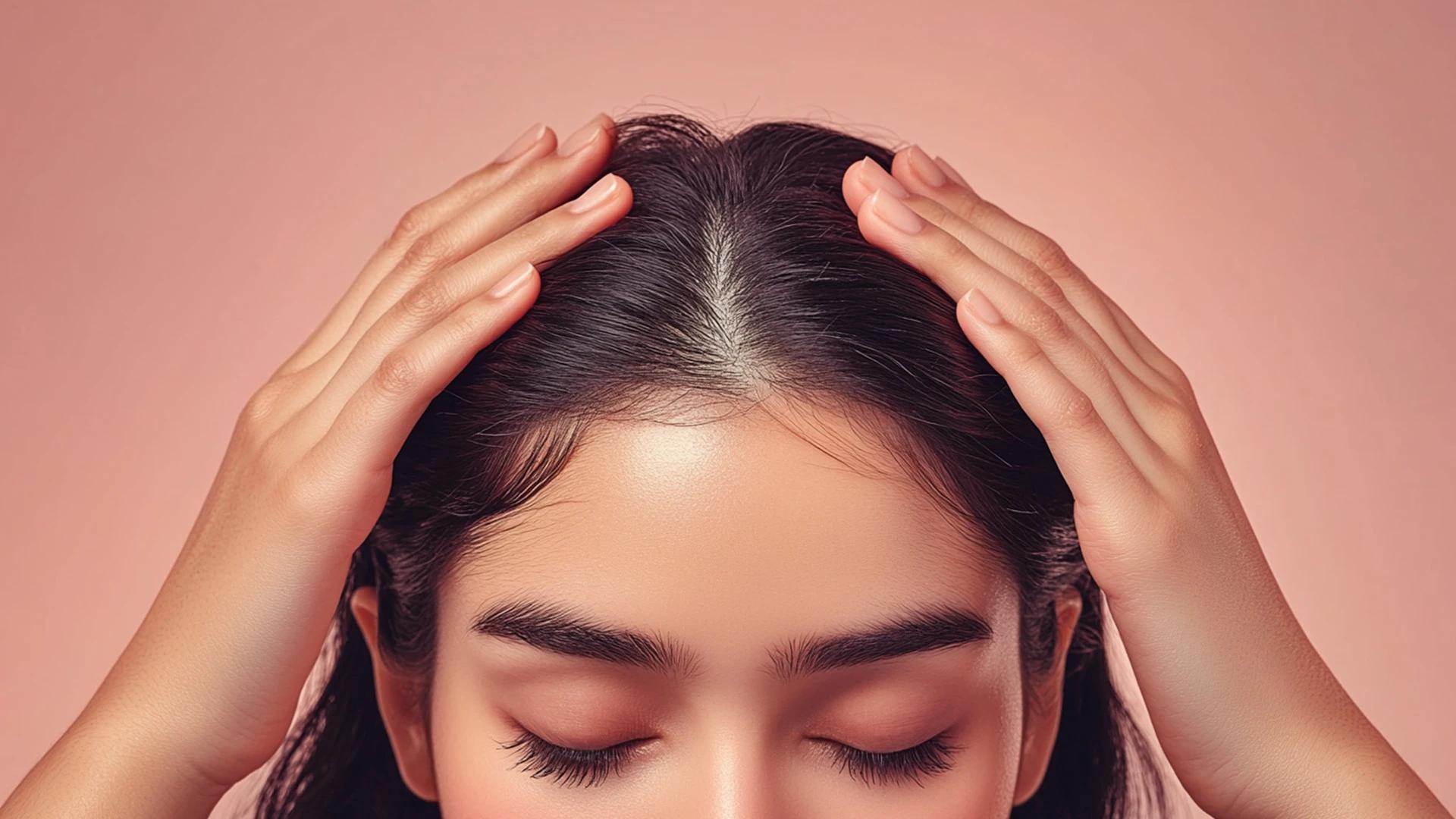
Before we get into what causes dry scalp, let's talk about how to spot it. Dry scalp isn't just about flakes—though those are definitely the most obvious sign. You might notice small, white flakes that feel dry and powdery when you touch them. These are quite different from the larger, yellowish, oily flakes you'd see with dandruff.
The itchy scalp sensation is another telltale sign. It's that persistent, annoying itch that makes you want to scratch, but scratching only makes things worse. Your scalp might also feel tight, almost like your skin is too small for your head. Some people describe it as feeling like their scalp is stretched or pulled.
Scalp irritation can show up as redness or sensitivity, especially after washing your hair or using styling products. You might find that products that never bothered you before suddenly make your scalp feel uncomfortable. The flaky scalp appearance is usually most noticeable when you run your fingers through your hair or when you're wearing dark colours.
Real talk—if your symptoms are severe, persistent, or accompanied by hair loss, it's worth checking in with a dermatologist. Sometimes what looks like simple dryness can actually be a sign of underlying scalp conditions that need professional attention.
Now for the big question—what actually causes dry scalp? The answer isn't always straightforward because several factors can contribute to scalp dryness, often working together to create the perfect storm for an irritated scalp.
Weather changes are probably the biggest culprit behind dry scalp causes. When humidity drops during winter months, your scalp loses moisture just like the rest of your skin. Air conditioning and central heating don't help either—they create artificially dry environments that strip moisture from your scalp. Even sun exposure can contribute to scalp dryness, especially if you spend a lot of time outdoors without protecting your scalp.
This one might surprise you, but your haircare routine could be the reason behind your dry scalp. Harsh shampoos containing sulfates can strip away your scalp's natural oils, leaving it feeling tight and flaky. Over-washing is another common mistake—washing your hair daily can actually make scalp dryness worse by removing the protective oils your scalp produces naturally.
Hot water feels amazing, but it's not doing your scalp any favours. Washing your hair with water that's too hot can strip away natural oils and contribute to scalp irritation. The same goes for blow dryers, straighteners, and curling irons used too close to the scalp or at high temperatures.
As we get older, our scalps naturally produce less sebum (the oil that keeps our skin moisturised). This is why dry scalp becomes more common as we age, particularly after our thirties. It's completely normal, but it does mean we need to adjust our haircare routines accordingly.
Sometimes dry scalp is actually a symptom of broader scalp conditions. Contact dermatitis from hair products, eczema, or psoriasis can all cause scalp dryness and flaking. These conditions require different treatment approaches than simple environmental dryness.
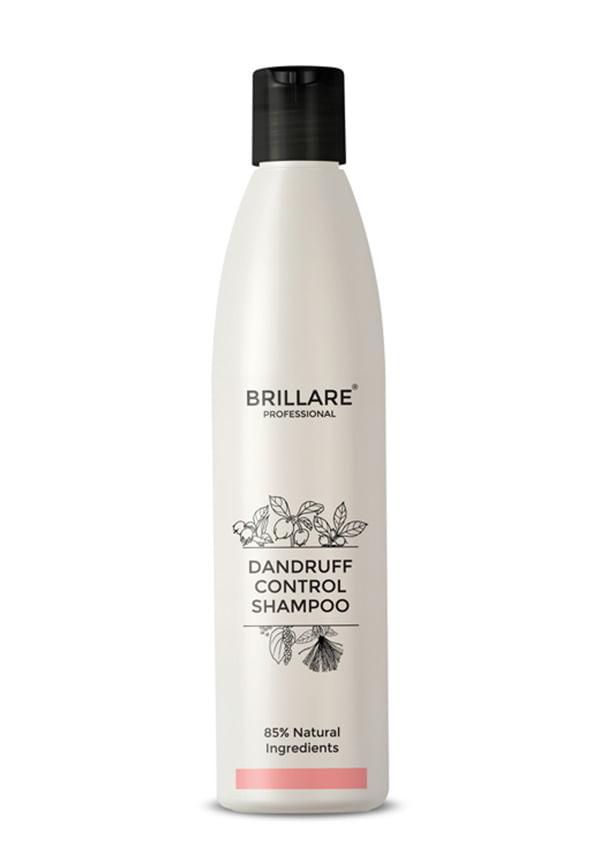
Dandruff Control Shampoo For Itchy, Flaky Scalp
Poor diet, dehydration, and stress can all contribute to scalp dryness. Your scalp is skin, and like all skin, it reflects your overall health. Not drinking enough water or eating a diet lacking in essential fatty acids can show up as dry, flaky scalp.
Some people are simply more prone to dry scalp due to genetics. If your family has a history of dry skin conditions, you might naturally produce less sebum or have a skin barrier that doesn't retain moisture as effectively.
Here's where things get a bit confusing—dry scalp and dandruff look similar but have completely different causes. Understanding the difference is crucial because the treatments are quite different too.
Dry scalp is caused by a lack of moisture, while dandruff is actually caused by too much oil and an overgrowth of yeast called Malassezia. With dry scalp, you'll see small, dry, white flakes. Dandruff flakes are typically larger, more yellow or greasy-looking, and stick to your hair and scalp.
The itchy scalp sensation is common with both conditions, but dandruff itching tends to be more intense. Seborrheic dermatitis, a more severe form of dandruff, can cause red, scaly patches on the scalp and other areas of the body.
If you're dealing with dry scalp, moisturising treatments will help. If you have dandruff, you'll need antifungal ingredients like zinc pyrithione or ketoconazole. Using the wrong treatment can actually make your condition worse, so it's worth figuring out which one you're dealing with.
Your diet plays a bigger role in scalp health than you might think. Several nutritional deficiencies can contribute to scalp dryness and other scalp conditions.
Vitamin D deficiency is surprisingly common and can affect skin barrier function, including on your scalp. B vitamins, particularly B2 (riboflavin), B3 (niacin), B6, and B7 (biotin), are essential for healthy skin cell production and oil regulation. Zinc deficiency can lead to dry, flaky skin and impaired wound healing, while omega-3 fatty acids help maintain the skin's natural oil barrier.
Hydration is equally important—your scalp needs adequate water intake to maintain moisture levels. If you're not drinking enough water, it can show up as dry, tight-feeling scalp. These haircare tips for dry scalp include eating a balanced diet rich in these nutrients and staying properly hydrated throughout the day.
Now for the good news—dry scalp treatment is usually pretty straightforward once you know what you're dealing with. The key is being gentle and consistent with your approach.
Switch to a sulfate-free shampoo that won't strip your scalp's natural oils. Look for ingredients like ceramides, hyaluronic acid, or glycerin that help retain moisture. Reduce your washing frequency to 2-3 times per week unless you have very oily hair. When you do wash, use lukewarm water instead of hot water.
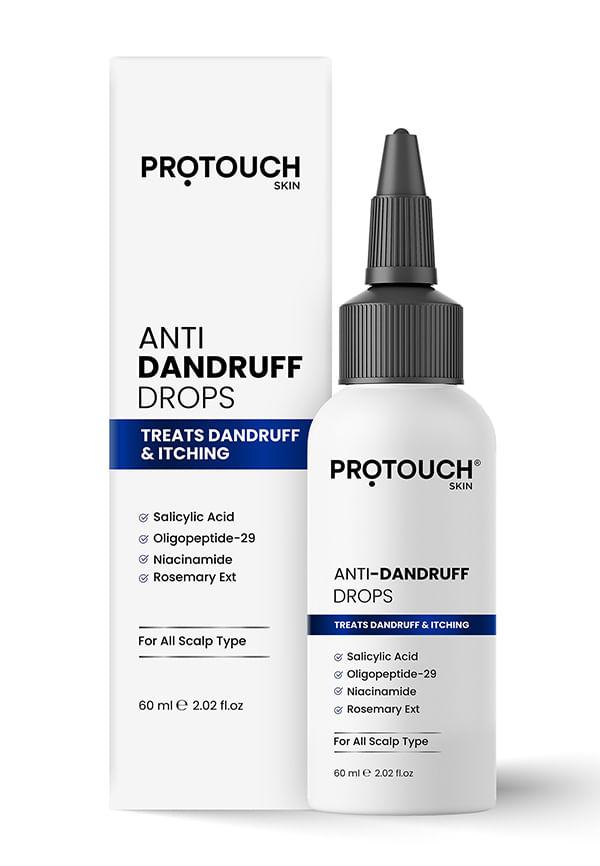
SKIN Anti Dandruff Drops Serum Soothes Itchy, Inflamed Scalp
Natural oils like coconut oil, jojoba oil, or argan oil can provide deep moisture to your scalp. Apply them 30 minutes before washing your hair, focusing on the scalp rather than the lengths. Scalp serums with ingredients like niacinamide or ceramides can also help restore the skin barrier. Leave-in conditioners applied to damp hair can provide ongoing moisture protection.
If home treatments aren't working, a dermatologist might prescribe medicated shampoos or topical treatments. These are particularly helpful if your dry scalp is related to underlying scalp conditions like seborrheic dermatitis or psoriasis.
Coconut oil masks, aloe vera gel, and honey treatments can provide natural moisture and soothing relief. Mix honey with a few drops of tea tree oil for an antimicrobial boost, or blend aloe vera with coconut oil for a cooling, hydrating mask.
Most people see improvement within 2-4 weeks of consistent treatment, but complete healing can take 6-8 weeks depending on how severe the dryness is.
When shopping for products to treat scalp dryness, knowing which ingredients to look for can make all the difference. Hyaluronic acid is brilliant for drawing moisture into the scalp, while ceramides help repair and strengthen the skin barrier.
Niacinamide (vitamin B3) reduces inflammation and helps regulate oil production, making it perfect for sensitive, dry scalps. Glycerin is a humectant that attracts moisture from the environment, while panthenol (pro-vitamin B5) soothes irritation and adds moisture.
On the flip side, avoid ingredients that can worsen scalp dryness. Sulfates, drying alcohols (like isopropyl alcohol), and strong fragrances can all contribute to scalp irritation. Tea tree oil can be helpful in small amounts, but it can be too drying if used in high concentrations.
Application technique matters too. When using scalp treatments, part your hair into sections and apply the product directly to your scalp, not just your hair. Massage gently with your fingertips to improve circulation and help the product absorb better.
Prevention is always better than treatment when it comes to scalp dryness. Protecting your scalp from environmental stressors is a great place to start. Use a humidifier during dry winter months, wear a hat when spending time in the sun, and try to limit exposure to harsh winds.
Modify your heat styling routine by using lower temperatures and always applying a heat protectant that covers your scalp area. When blow-drying, keep the dryer moving and don't hold it too close to your scalp.
Seasonal scalp care adjustments can make a huge difference. Your scalp needs more moisture in winter and more gentle cleansing in summer. Pay attention to how your scalp responds to different seasons and adjust your routine accordingly.
Lifestyle changes like staying hydrated, eating a balanced diet rich in omega-3 fatty acids and vitamins, managing stress, and getting enough sleep all contribute to overall scalp health. These haircare tips for dry scalp might seem basic, but they form the foundation of healthy scalp care.
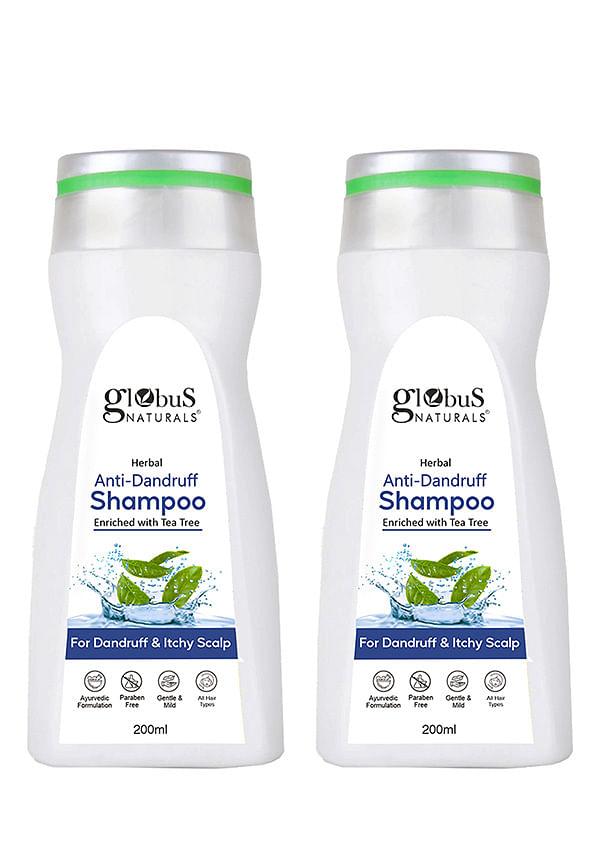
Anti Dandruff Shampoo, For Dandruff and Itchy Scalp
Use gentle, sulfate-free shampoos, limit washing to 2-3 times weekly, apply scalp moisturisers like natural oils or hydrating serums, avoid hot water when washing, and protect your scalp from environmental stressors like harsh weather and excessive heat styling.
Apply natural oils like coconut or jojoba oil directly to your scalp, use hydrating scalp serums with ingredients like hyaluronic acid or ceramides, drink adequate water throughout the day, and use a humidifier in dry environments to maintain moisture levels.
Common deficiencies that contribute to scalp dryness include vitamins D, B2, B3, B6, and B7, zinc, and omega-3 fatty acids. These nutrients directly impact skin barrier function, oil production, and immune response. Dehydration can also manifest as dry scalp.
Environmental factors like temperature changes, low humidity, and harsh hair care products that strip natural oils are the most frequent causes of dry scalp. Weather changes, particularly during winter months, and over-washing with sulfate-containing shampoos are top culprits.
While dry scalp itself doesn't cause permanent hair loss, excessive scratching due to itchy scalp can lead to temporary hair breakage and thinning. Severe scalp irritation and inflammation can also disrupt the hair growth cycle, but this is usually reversible with proper treatment.
With consistent dry scalp treatment, most people see improvement within 2-4 weeks. Complete healing and restoration of the scalp's natural moisture barrier may take 6-8 weeks, depending on the severity of dryness and underlying causes.
No, dry scalp and dandruff have different causes and treatments. Dry scalp is caused by lack of moisture and produces small, dry white flakes. Dandruff is caused by excess oil and yeast overgrowth, producing larger, greasy yellowish flakes. Seborrheic dermatitis is a more severe form of dandruff.
Yes, stress can contribute to scalp dryness by affecting hormone levels, reducing immune function, and disrupting the skin's natural barrier. Chronic stress can also lead to poor sleep and dietary habits, which further impact scalp health and moisture retention.
Understanding what causes dry scalp is really the key to treating it effectively. Whether it's environmental factors, product choices, or lifestyle habits, most cases of scalp dryness are totally manageable with the right approach. The important thing is to be patient and consistent with your treatment—your scalp didn't become dry overnight, and it won't heal overnight either.
Remember that everyone's scalp is different, so what works for your friend might not work for you. Pay attention to how your scalp responds to different products and treatments, and don't be afraid to adjust your routine as needed. If you're dealing with persistent scalp conditions or severe symptoms, it's always worth consulting with a dermatologist for professional guidance.
When you're ready to try new products for your dry scalp journey, Smytten's curated selection includes trusted brands with gentle, effective formulations for sensitive scalps. Not sure which treatment approach works best for your specific scalp concerns? Smytten also offers trial-size versions of many scalp care products—a smart way to test different solutions before committing to full-size bottles.
