Dry Hair Ends Treatment Guide for Humidity: FAQ

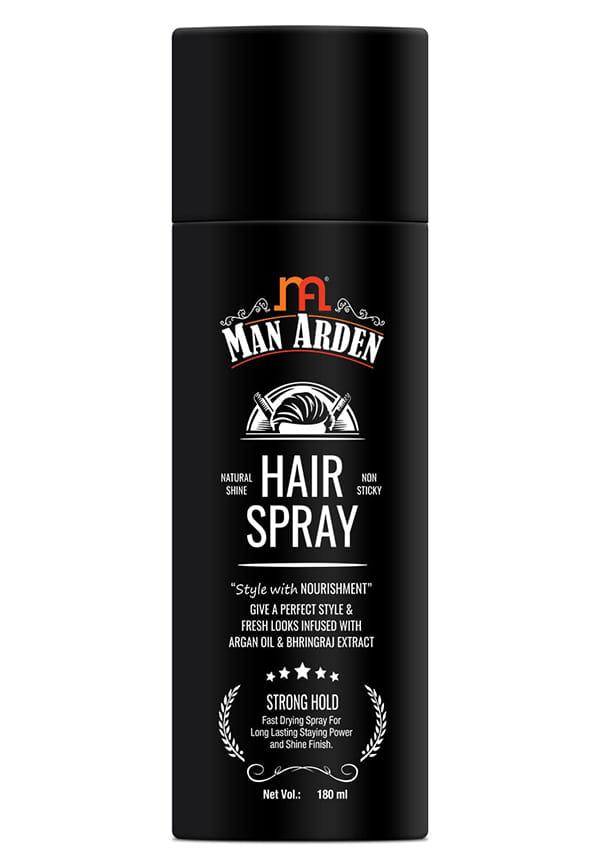
Hair Spray - Strong Hold, Styling With Nourishment - Argan Oil And Bhringraj
Humidity can be your hair's worst enemy, especially when it comes to those delicate ends that seem to turn into a frizzy, dry mess the moment you step outside. If you've ever wondered why your hair looks perfect indoors but transforms into something unrecognisable in humid weather, you're not alone. The science behind humidity's impact on hair is fascinating yet frustrating—moisture in the air causes hair cuticles to lift, leading to frizz, while simultaneously making dry ends even more brittle and damaged. This comprehensive dry hair ends treatment guide for humidity will walk you through everything you need to know about protecting, treating, and maintaining healthy hair ends in challenging weather conditions. From understanding the science behind humidity damage to discovering effective treatments you can try through platforms like Smytten, we'll cover practical solutions that actually work for Indian weather conditions.
TL;DR
Humidity causes hair cuticles to lift, making dry ends more prone to frizz and damage
Effective treatment combines moisture-rich products, protective styling, and regular deep conditioning
Home remedies like oil treatments and DIY masks can provide significant relief for dry hair ends
Prevention through proper daily care routines is key to managing humidity-related hair damage
Different hair types require tailored approaches for optimal humidity protection
Let's be real—humidity is basically your hair's frenemy. When moisture levels in the air rise above 70%, your hair starts acting up in ways that can drive you absolutely mad. The science behind this isn't rocket science, but it's worth understanding so you can fight back effectively.
Your hair shaft is made up of overlapping cuticles, kind of like roof tiles. In humid conditions, these cuticles lift and separate, allowing moisture from the air to penetrate the hair shaft. This sounds good in theory, but here's the catch—if your hair is already damaged or dry (especially at the ends), this process becomes chaotic rather than beneficial.
Hair ends are the oldest part of your hair strands, having been exposed to months or even years of styling, environmental damage, and general wear and tear. They're naturally more porous and fragile, making them prime targets for humidity-related chaos. When humid air hits these vulnerable ends, they absorb moisture unevenly, leading to that dreaded combination of frizz and dryness.
Most hair types start showing signs of humidity damage when moisture levels hit around 70%. This is when you'll notice increased frizz, loss of style definition, and that general "my hair has a mind of its own" feeling. For those with already damaged or chemically treated hair, this threshold can be even lower.
Spotting dry hair ends isn't always straightforward, especially when humidity adds its own layer of complications. Your hair might feel simultaneously dry and frizzy, which seems contradictory but is actually quite common in humid climates.
The key indicators include rough texture when you run your fingers through your hair, visible split ends that seem to multiply overnight, and ends that look significantly lighter or more damaged than the rest of your hair. You might also notice that your hair tangles more easily and breaks when you brush it, particularly at the ends.
Split ends are literal splits in the hair shaft—you can actually see the hair strand dividing into two or more parts. Dry ends, on the other hand, feel rough and brittle but might not show visible splitting yet. Both conditions often occur together, but dry hair repair can prevent the progression to split ends if caught early.
Take a strand of hair from your ends and gently stretch it. Healthy hair should stretch about 30% of its length before breaking. If it snaps immediately, you're dealing with severe dryness. Also, check if your ends feel significantly different from your roots—they shouldn't feel like a completely different texture.
Now for the good stuff—actual solutions that work. Treating dry hair ends in humid weather requires a multi-pronged approach that addresses both the immediate damage and prevents future issues.
The foundation of any effective dry hair ends treatment guide for humidity starts with understanding that you need both moisture and protein. Damaged hair ends often lack both, but the ratio matters. Too much protein can make hair brittle, while too much moisture can make it limp and weak.
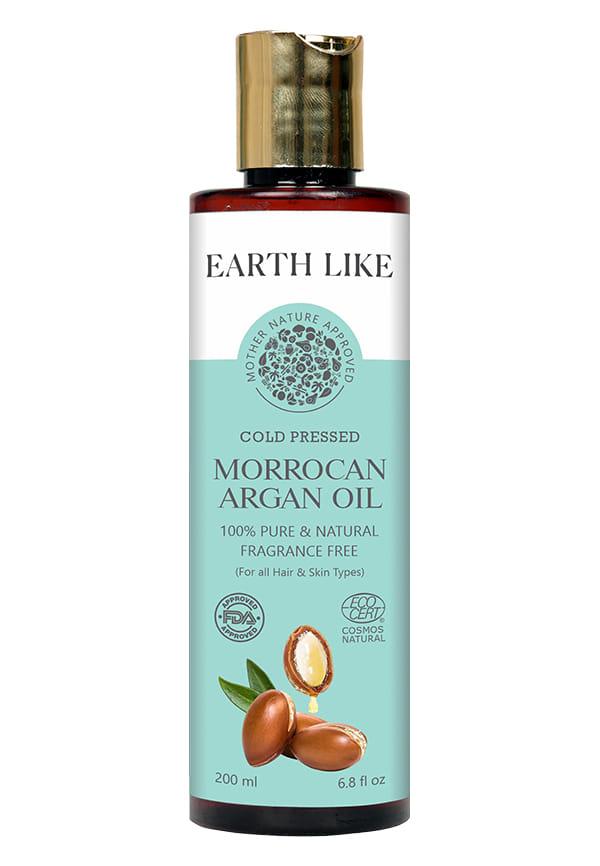
Moroccan Argan Oil for Hair Conditioning & Skin Moisture
Good & Nice Product
 4
4“good product very nice product”
Versatile Hair Oil
4“best oil I use it as a pre shampoo hair mask and as well as post shampoo hair treatment”
Nice Hair & Body Oil
5“Nice tonise as hair and body oil”
Deep conditioning treatments should become your weekly ritual, not an occasional treat. Look for treatments that contain ingredients like keratin, argan oil, or shea butter. Apply the treatment from mid-length to ends, avoiding the roots to prevent greasiness.
While salon treatments like keratin treatments or deep protein masks can provide dramatic results, consistent at-home care is equally important. Professional treatments typically last 3-4 months, but your daily routine determines how well your hair maintains that health between appointments.
Fine hair typically needs lighter, more frequent treatments (weekly), while thick, coarse hair can handle heavier treatments less frequently (bi-weekly). Curly hair often needs more moisture-focused treatments, while straight hair might benefit from protein-moisture balance.
Your kitchen might just be the secret weapon in your fight against humidity-damaged hair ends. These time-tested remedies have been helping people manage dry hair for generations, and they're particularly effective for hair ends care in humid climates.
Natural oils are absolute game-changers for preventing dry hair. Argan oil is lightweight and perfect for fine hair, while coconut oil works wonders for thick, coarse textures. Jojoba oil closely mimics your scalp's natural sebum, making it ideal for all hair types.
Mix two tablespoons of coconut oil with one mashed avocado and a tablespoon of honey for the ultimate moisture for dry hair mask. Apply this to damp hair, focusing on the ends, and leave for 30 minutes before shampooing. The combination provides both immediate moisture and long-term nourishment.
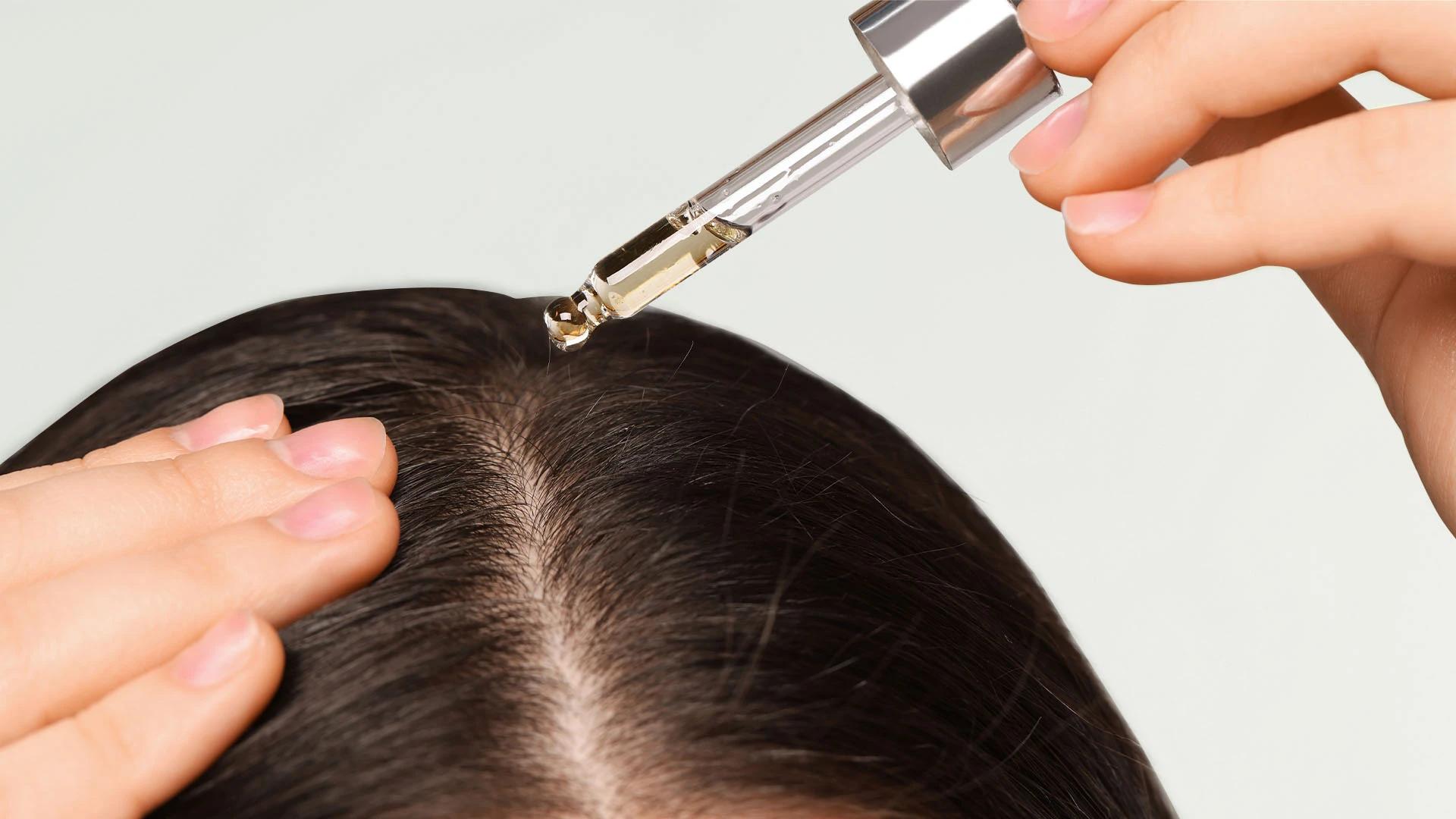
For severely damaged ends, overnight oil treatments can provide intensive repair. Apply a small amount of argan or jojoba oil to your ends before bed, braid your hair loosely, and sleep on a silk pillowcase. This method allows for deep penetration without the mess of heavy treatments during the day.
Rice water contains amino acids and vitamins that strengthen hair. After shampooing, pour cooled rice water over your hair, focusing on the ends. Leave for 5 minutes before rinsing with cool water. This treatment helps with hair hydration while adding strength to prevent future damage.
The right hair products for humid weather can make the difference between a good hair day and a complete disaster. The key is layering products strategically to create a barrier against humidity while still allowing your hair to breathe.
Anti-humidity serums work by creating a protective film around each hair strand. Look for products containing silicones like dimethicone or cyclomethicone, which provide excellent humidity protection without weighing hair down. These frizzy hair solutions should be applied to damp hair before styling.
Your foundation products matter more than you might think. Humidity-resistant shampoos typically contain gentle cleansing agents that don't strip natural oils, while the corresponding conditioners focus on sealing the hair cuticle to prevent moisture penetration from the environment.
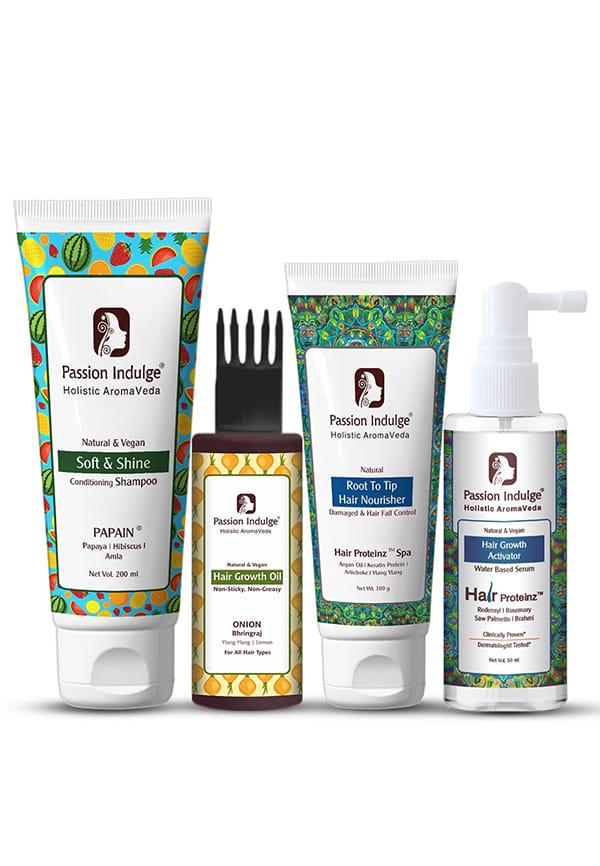
Onion Hair oil, Rosemary Hair Growth Serum, Hair Spa Protein Booster & Papain Shampoo
The secret to effective humidity protection lies in proper product layering. Start with a leave-in conditioner for moisture, add a heat protectant if you're styling, and finish with an anti-humidity serum. Each layer serves a specific purpose in your defense against humid weather.
You don't need to break the bank for effective humidity protection. Many drugstore brands offer excellent anti-humidity products. The key is reading ingredient lists and understanding what works for your specific hair type rather than being swayed by marketing claims.
Not all hair is created equal, especially when it comes to humidity response. Understanding your specific hair type and its unique needs is crucial for developing an effective treatment strategy.
Curly hair faces unique challenges in humid weather because its natural structure makes it more porous and prone to frizz. The curl pattern creates natural weak points where humidity can penetrate, leading to uneven moisture distribution and loss of curl definition.
Fine hair can easily become weighed down by heavy treatments, so the approach needs to be lighter but more frequent. Use lightweight oils like argan or grapeseed, and focus on protein treatments that strengthen without adding bulk. Avoid over-conditioning, which can make fine hair limp in humid conditions.
Thick hair can handle heavier treatments and often needs them to penetrate effectively. Deep conditioning masks, heavy oils like coconut or castor oil, and longer treatment times work well. The challenge is ensuring even distribution of products throughout the hair shaft.
Chemically treated hair is more vulnerable to humidity damage because the chemical processes compromise the hair's natural protective barriers. These hair types need extra protein to rebuild damaged bonds and more intensive moisture treatments to combat dryness.
Prevention is always better than cure, especially when it comes to humidity hair care tips. Developing a solid daily routine that protects your hair from environmental damage will save you from more intensive treatments later.
Your morning routine should focus on creating a protective barrier against humidity. This means applying leave-in treatments to damp hair, using heat protectants if styling, and finishing with anti-humidity products. The key is working with slightly damp hair, as completely dry hair won't absorb protective products effectively.
Evenings are perfect for repair and recovery. Gently detangle your hair with a wide-tooth comb, apply a small amount of nourishing oil to the ends, and sleep on a silk or satin pillowcase to reduce friction damage. This simple routine helps undo the day's humidity damage.
Certain hairstyles naturally protect your ends from humidity exposure. Braids, buns, and twisted styles keep ends tucked away and reduce surface area exposed to humid air. These styles also prevent mechanical damage from wind and touching.
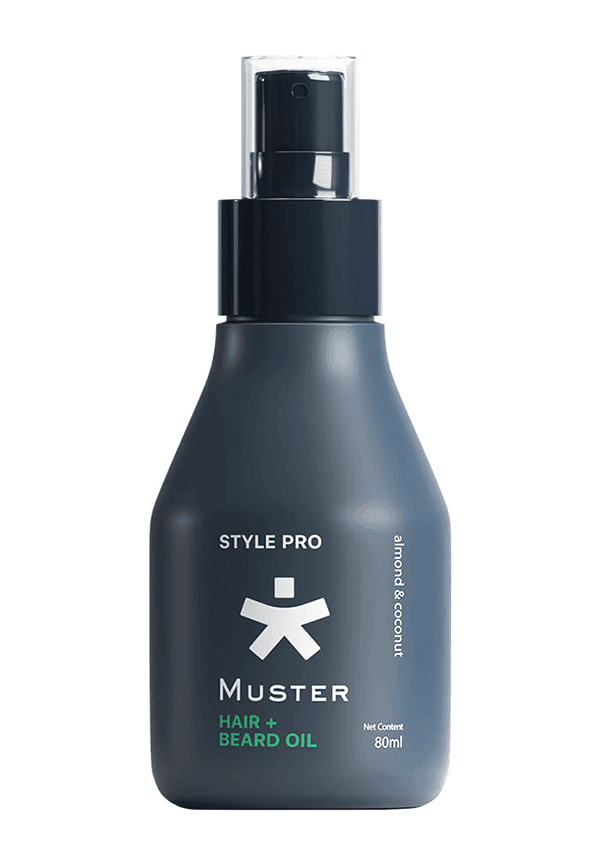
Style Pro Hair & Beard Oil
Great Product
5“nice product very useful good results”
Price Concerns
5“Cheaper But still Higher discount is needed”
Great Product Quality
5“nice product nice quality nice”
Your diet and overall health significantly impact hair health. Foods rich in omega-3 fatty acids, biotin, and vitamins A and E support hair strength and moisture retention. Staying hydrated also helps maintain your hair's natural moisture balance.
Start with regular deep conditioning treatments twice a week, focusing on the ends. Use leave-in treatments daily and apply anti-humidity serums before going outside. Trim your hair every 6-8 weeks to remove damaged ends and prevent further splitting. Consider overnight oil treatments for severely damaged ends.
Yes, 70% humidity is typically the threshold where most hair types start experiencing frizz and loss of style definition. However, well-moisturised and properly protected hair can withstand higher humidity levels without significant damage. The key is maintaining your hair's moisture balance and using appropriate protective products.
Apply a small amount of argan or jojoba oil to your ends before bed, focusing on the most damaged areas. Braid your hair loosely or twist it into a low bun to prevent tangling. Sleep on a silk pillowcase to reduce friction. This treatment provides intensive moisture without the heaviness of traditional hair masks.
In humid climates, deep conditioning should be done 1-2 times per week, depending on your hair's damage level and type. Fine hair might need lighter treatments more frequently, while thick, coarse hair can handle heavier treatments less often. Monitor your hair's response and adjust accordingly.
Regular conditioner is too heavy to use as a leave-in treatment and can weigh your hair down or cause buildup. Leave-in conditioners are specifically formulated to be lighter and provide ongoing protection without residue. If you're exploring different hair products, platforms like Smytten offer trial sizes of various leave-in treatments so you can find what works best for your hair type.
You should notice immediate improvements in texture and manageability after the first treatment, but significant repair takes 4-6 weeks of consistent care. Split ends cannot be repaired and must be trimmed, but you can prevent new damage and improve the overall health of your hair ends with regular treatment.
Managing dry hair ends in humid weather requires a comprehensive approach that combines understanding your hair's specific needs with consistent, targeted treatments. The most effective strategy involves regular deep conditioning, protective styling, and daily use of humidity-blocking products tailored to your hair type.
Remember that prevention is always more effective than treatment. Establishing a solid daily routine that includes moisture-rich products and protective measures will help you avoid the worst effects of humidity damage. Don't forget that different hair types require different approaches—what works for thick, curly hair might not be suitable for fine, straight hair.
Home remedies can be incredibly effective and budget-friendly, but they require consistency to show results. Professional treatments can provide dramatic improvements, but maintaining those results depends on your daily care routine. Most importantly, be patient with your hair and adjust your routine based on seasonal changes and your hair's evolving needs.
Finding the right products and treatments for your specific hair needs doesn't have to be a expensive guessing game. Smytten is India's largest product discovery and trial platform, connecting consumers with top lifestyle, beauty, wellness, and grooming brands through curated trial packs from over 2,400 trusted brands such as Cetaphil, Dot & Key, WishCare, Swiss Beauty, and Bella Vita. This approach lets you explore and experience different haircare products before committing to full-size purchases, which is particularly valuable when you're trying to find the perfect humidity-fighting routine. Each mini is linked with Trial Points, and users can get up to 10 Trial Points for just ₹279, plus Smytten offers 100% cashback on the purchase of these minis, redeemable in the shop section for future orders. With over 28 million users and 100 million trial minis delivered across 90% pin code coverage, you can try before you buy and discover authentic brand-verified minis that work specifically for your hair's humidity challenges. After all, why settle for 'maybe' when you can #TryItAll!
