Does Wearing a Helmet Cause Hair Loss? FAQ

Absolute Hair Fall Defence Protein Oil
You're rushing to work, helmet on, and suddenly that nagging thought hits: "Is my daily helmet routine slowly making me bald?" If you've ever caught yourself checking your hairline in the mirror after a long day of helmet-wearing, you're definitely not alone. This worry has sparked countless debates in bike groups, construction sites, and even among cricket players. Let's dig into what's actually happening up there and separate the real science from the scary stories your mate probably shared.
Here's the thing about does wearing helmet cause hair loss – it's not as straightforward as a simple yes or no. The helmet hair loss myth has been floating around for ages, but the reality is way more nuanced than most people think.
Real talk: helmets don't directly cause male pattern baldness or genetic hair loss. That's controlled by your DNA and hormones, not your headgear. However, wearing a helmet can contribute to specific types of hair damage and scalp issues that might make existing hair loss more noticeable or cause temporary thinning.
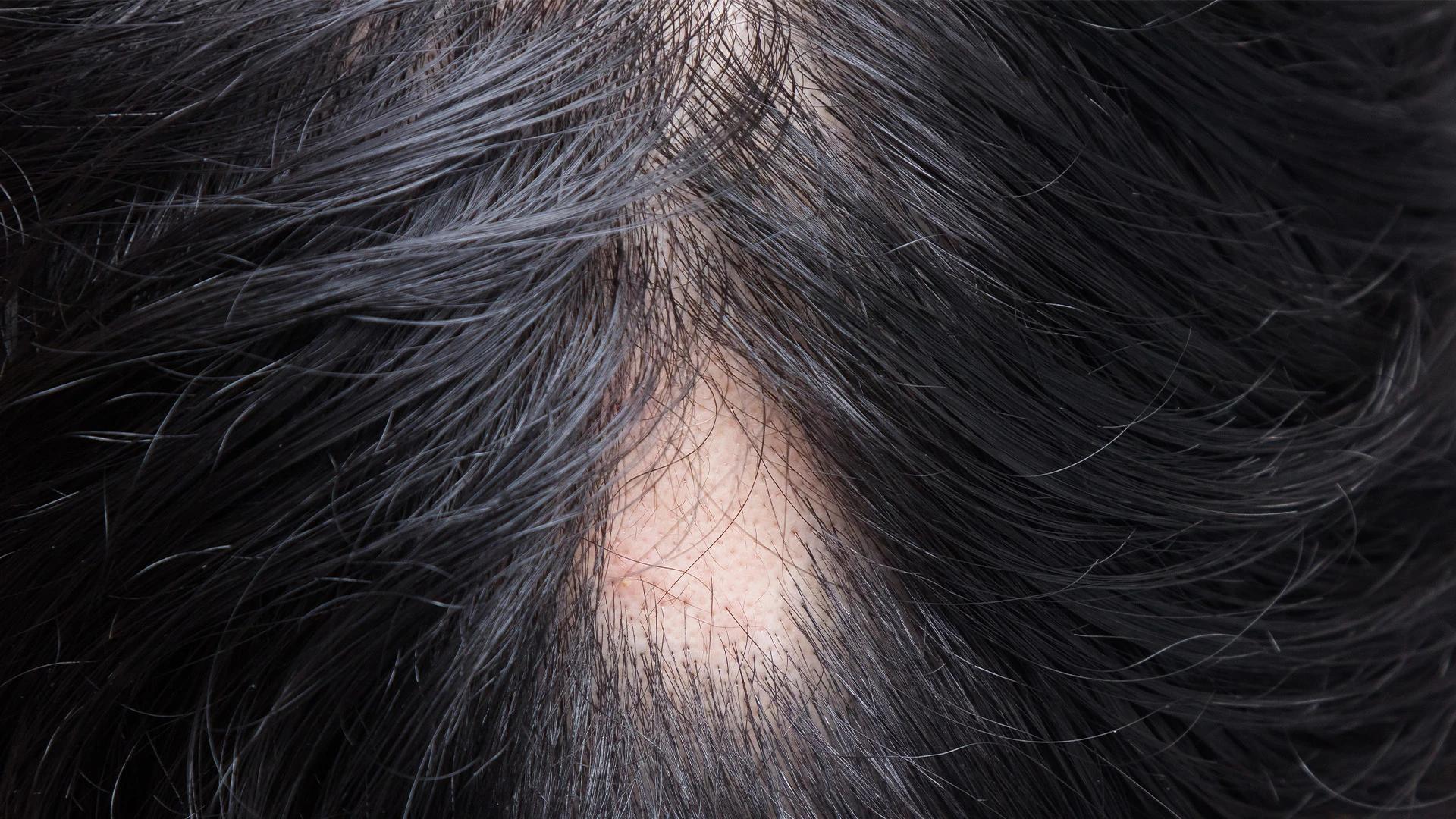
Research shows that mechanical stress on hair follicles can lead to a condition called traction alopecia – basically hair loss from constant pulling or pressure. This is different from genetic baldness because it's reversible if caught early. Dermatologists have observed this in people who wear tight helmets for extended periods, especially when the fit isn't quite right.
The key difference lies in understanding what type of hair loss you're dealing with. Genetic hair loss follows predictable patterns (receding hairlines, crown thinning), while helmet-related issues tend to show up where the helmet creates the most pressure – usually around the hairline and crown area.
Your hair follicles are pretty resilient, but they're not invincible. When a helmet sits on your head, it creates a microenvironment that can stress your hair in several ways. The constant pressure can reduce blood flow to follicles, while trapped heat and moisture create the perfect breeding ground for bacteria and fungi.
Hair breakage is often mistaken for hair loss, but they're completely different issues. Breakage happens when the hair shaft snaps due to friction or weakness, while actual hair loss occurs when the follicle stops producing hair altogether.
Let's break down the actual ways helmets can mess with your hair and what you can do about each one. Understanding these mechanisms helps you tackle the problem at its source rather than just worrying about it.
This is probably the most serious helmet-related hair issue you might face. Hair thinning from helmets often starts as traction alopecia – a fancy term for hair loss caused by constant pulling or pressure on the follicles.
You'll typically notice this around pressure points where your helmet sits tightest: the forehead area, temples, and crown. Early signs include tenderness in these areas, small bumps around hair follicles, and gradual thinning that follows the helmet's contact pattern.
The good news? Traction alopecia is usually reversible if you catch it early and make adjustments. Recovery can take anywhere from a few months to a year, depending on how long the damage has been happening.
Damage Repair Shampoo
Your scalp health and helmets have a complicated relationship. That warm, moist environment under your helmet is basically a spa day for bacteria and fungi – not exactly what you want for healthy hair growth.
Poor scalp health can lead to conditions like folliculitis (inflamed hair follicles), seborrheic dermatitis, and even fungal infections. These conditions don't just make your scalp uncomfortable; they can actually interfere with normal hair growth cycles and make existing hair loss worse.
The moisture buildup also softens your hair shaft, making it more prone to damage and breakage. It's like how your skin gets wrinkly in the bath – your hair becomes more fragile when it's constantly damp.
Every time you put on or take off your helmet, there's friction. Every time you move your head while wearing it, there's more friction. This constant rubbing can cause helmet hair breakage, especially if your hair is already damaged or chemically treated.
The damage typically shows up as split ends, shorter broken hairs around the hairline, and overall hair that feels rougher or looks duller. Long hair is particularly vulnerable because there's more surface area for friction, but short hair isn't immune either.
Now for the good stuff – actual solutions that work. These aren't just random tips from the internet; they're strategies that dermatologists and hair specialists actually recommend to their patients who wear helmets regularly.
Getting the right fit is absolutely crucial. A helmet that's too tight creates pressure points that can lead to traction alopecia, while one that's too loose will move around and cause friction damage.
When trying on helmets, look for even pressure distribution around your head. You shouldn't feel any specific pressure points, and the helmet shouldn't leave marks on your forehead after wearing it for a while. Good ventilation is non-negotiable – look for helmets with multiple air vents that actually allow airflow.
Material matters too. Helmets with moisture-wicking liners are worth the extra investment, and avoid helmets with rough interior surfaces that can catch and pull your hair.
Your helmet hair care tips routine starts before you even put the helmet on. Clean, dry hair is less likely to get damaged than dirty or damp hair. If your hair is long enough, try loose braids or low ponytails that distribute pressure more evenly.
Consider using a thin cotton or silk liner between your hair and the helmet. These materials reduce friction and absorb some moisture while being gentle on your hair. Some people swear by bandanas or buff-style head coverings for this purpose.
After taking off your helmet, give your scalp a gentle massage to restore blood flow and shake out your hair to prevent it from staying in the same compressed position.
Professional Bond Repair Shampoo For Damaged Hair
Sometimes the simplest solution is adjusting how you style your hair. Tight ponytails, buns, or braids combined with helmet pressure create a double whammy of tension on your follicles.
Try looser styles that don't pull on your hairline. If you have long hair, consider protective styles that keep your hair contained without creating tension points. Products that reduce static and friction – like leave-in conditioners or anti-frizz serums – can also help minimise damage.
Here's something most people don't think about: your helmet's cleanliness directly affects your hair health. A dirty helmet is basically a bacteria farm sitting on your head for hours at a time.
Clean your helmet's interior at least once a week if you use it daily. Remove any removable padding and wash it according to the manufacturer's instructions. For the shell, use antibacterial wipes or a mild soap solution, making sure to dry it completely before your next use.
Replace padding when it starts to break down or smell funky – usually every 6-12 months depending on usage. If you share helmets (like at work sites), always use a disposable liner or bring your own protective covering.
Store your helmet in a well-ventilated area where it can dry completely between uses. Avoid leaving it in hot cars or damp areas where bacteria can multiply.
Let's be real – everyone loses hair daily. The average person sheds 50-100 hairs per day, and this is completely normal. The question is: how do you know if your helmet is causing problems beyond normal shedding?
Warning signs include noticeable thinning that follows your helmet's pressure pattern, tender or sore spots on your scalp, persistent itching or irritation, and hair that breaks off rather than falling out from the root. If you're seeing these signs, it's worth chatting with a dermatologist.
Take photos of your hairline and crown area monthly if you're concerned. This gives you an objective way to track changes over time rather than relying on daily mirror checks, which can be misleading.
If you're dealing with helmet hair problems that aren't improving with basic prevention measures, professional help is available. Dermatologists can properly diagnose whether you're dealing with traction alopecia, scalp infections, or other issues.
Treatment options range from topical medications to improve scalp health, to specific therapies that can help stimulate hair regrowth in areas affected by traction alopecia. The key is getting proper diagnosis and treatment before the damage becomes permanent.
Some dermatologists also offer scalp analysis services that can help identify problem areas before they become visible to the naked eye.
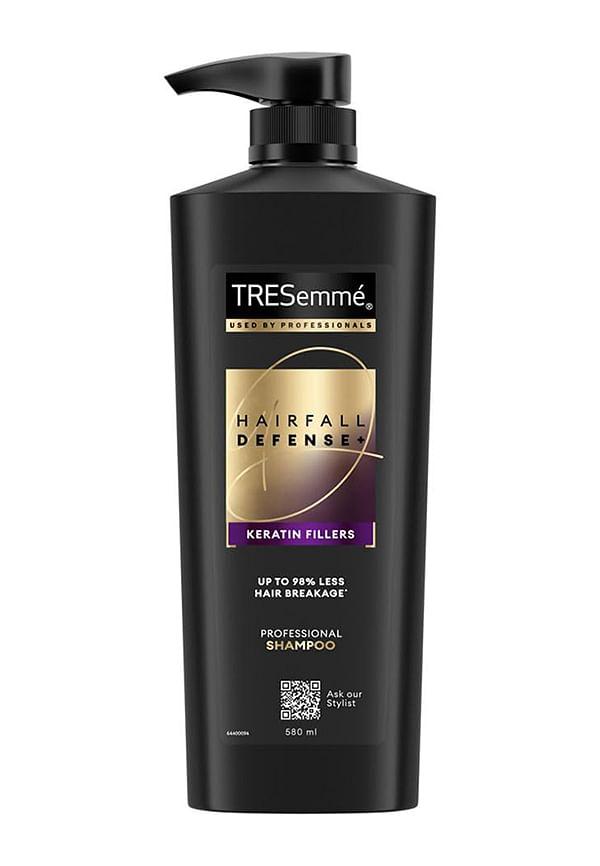
Hair Fall Defence Shampoo
Helmets don't cause genetic or permanent hair loss, but they can contribute to temporary hair loss through traction alopecia or scalp health issues. Most helmet-related hair problems are reversible with proper care and helmet adjustments. However, if left untreated for extended periods, traction alopecia can become permanent, so it's important to address issues early.
Focus on proper helmet fit, regular cleaning, and protective measures like cotton liners. Ensure your helmet isn't too tight, has good ventilation, and clean it weekly. Use gentle hairstyles that don't create additional tension, and give your scalp breaks from helmet-wearing when possible. Maintain good scalp hygiene and consider using products that reduce friction.
Regular headgear use doesn't cause genetic baldness, but it can contribute to hair thinning through mechanical stress and poor scalp health. Athletes and workers who wear helmets for extended periods may experience traction alopecia or increased hair breakage. The key is using properly fitted equipment and maintaining good scalp hygiene.
Watch for thinning that follows your helmet's pressure pattern, especially around the hairline and crown. Other signs include scalp tenderness, persistent itching, hair that breaks off rather than falls out naturally, and increased hair shedding after helmet use. If you notice these symptoms, consider adjusting your helmet fit or consulting a dermatologist.
Yes, most helmet-related hair issues are reversible if caught early. Traction alopecia typically recovers within 6-12 months once the source of tension is removed or reduced. Hair breakage grows out as new, healthy hair replaces damaged strands. However, recovery depends on addressing the underlying causes and may require professional treatment in severe cases.
Absolutely not. Safety should always come first, and the protective benefits of helmets far outweigh potential hair concerns. Instead, focus on prevention strategies like proper fit, regular cleaning, and protective liners. There are many ways to protect your hair while still wearing appropriate safety equipment.
The bottom line on helmet hair loss solutions is pretty straightforward: helmets don't cause genetic baldness, but they can create conditions that damage your hair if you're not careful about it. The good news is that most helmet-related hair issues are totally preventable and reversible with the right approach.
Your hair's health while wearing a helmet comes down to three main factors: proper fit, good hygiene, and protective measures. Get these right, and you can wear your helmet with confidence knowing you're protecting both your head and your hair.
Remember, if you're trying new hair care products to support your helmet-wearing routine, Smytten offers trial-size versions of many scalp-friendly shampoos, conditioners, and treatments – a smart way to test what works for your hair before committing to full bottles.
