Does Biotin Stop Hairfall? Your FAQ Answered


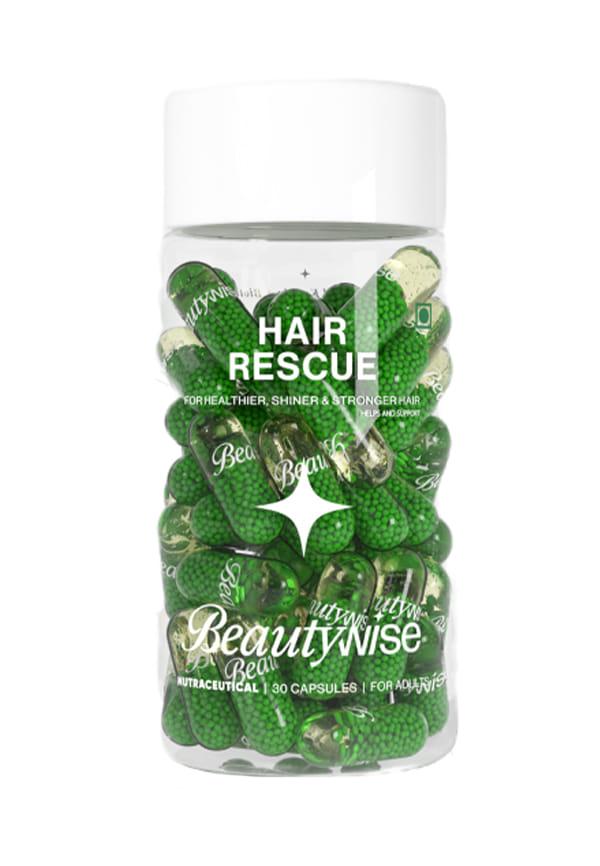
Hair Rescue, Hair Aminos, Vitamins, DHT Blocker for Hairfall Control & Growth
You've probably seen those Instagram ads promising thicker hair in 30 days with biotin supplements. Maybe your friend swears by her biotin gummies, or you've noticed biotin-infused shampoos everywhere. But here's the thing—if you're dealing with hair fall, biotin might not be the miracle cure you're hoping for. Let's dig into what actually works and when biotin makes sense for your hair.
Real talk: biotin only helps with hair fall if you're actually deficient in it. Think of it like trying to fill up a car that already has a full tank—you're not going anywhere faster. Studies show that about 38% of women have some level of biotin deficiency, but that doesn't mean everyone losing hair falls into this category.
Biotin deficiency typically happens due to specific medical conditions like biotinidase deficiency, prolonged antibiotic use, or certain genetic disorders. If you're deficient, you'll likely notice brittle nails, skin rashes, and yes, hair thinning. But here's the catch—most people with normal biotin levels won't see any hair growth benefits from supplements.
The biotin benefits for hair only kick in when your body actually needs more of this B-vitamin to function properly. If you suspect you're deficient, a simple blood test can confirm it. Your doctor can check your biotin levels and determine if supplementation makes sense for your specific situation.
Beyond hair fall, biotin deficiency shows up as brittle or splitting nails, red scaly rashes around your eyes and mouth, and sometimes neurological symptoms like depression or fatigue. If you're experiencing several of these together, it's worth getting tested.
Here's where things get interesting—biotin is naturally found in loads of foods we eat regularly. Eggs, nuts, seeds, salmon, and even bananas contain biotin. Your gut bacteria also produce some biotin naturally. So unless you have a specific medical condition or severely restricted diet, you're probably getting enough.
The supplement industry has done a brilliant job marketing biotin for hair concerns, but the science doesn't back up most of these claims. Multiple studies have found that biotin supplementation in people with normal levels doesn't improve hair growth, thickness, or reduce hair fall. It's basically expensive urine at that point.
What's more frustrating is that many vitamins for hair growth marketed to consumers contain mega-doses of biotin—sometimes 10,000 mcg when the recommended daily amount is just 30 mcg. Your body can only use so much, and the rest gets flushed out.
Biotin supplements are a multi-million pound industry, but the research supporting their use for hair growth in healthy individuals is surprisingly thin. Most studies showing positive results were done on people with confirmed biotin deficiency or specific genetic conditions.
If biotin isn't the answer, what's actually causing your hair fall? About 95% of hair loss cases are due to androgenetic alopecia—basically, genetic hair loss triggered by hormones. This affects both men and women and typically starts with gradual thinning rather than sudden hair fall.
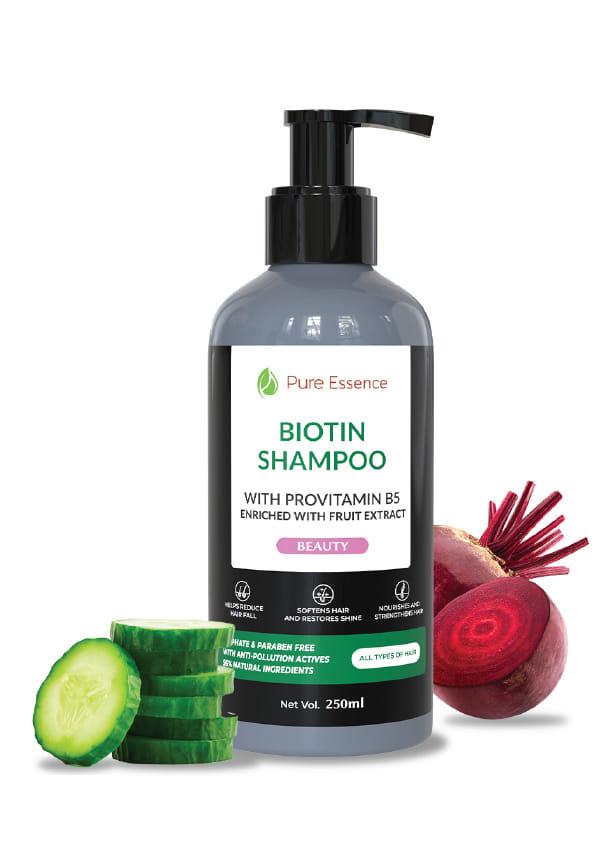
Biotin Shampoo | Softens Hair | Nourishes Scalp | Lowers Hairfall
Telogen effluvium is another major cause, especially after stressful events, illness, or hormonal changes like pregnancy or menopause. This type of hair loss usually happens 2-3 months after the triggering event and can make it seem like your hair is falling out in clumps.
Nutritional deficiencies do play a role in hair health, but iron deficiency is far more common than biotin deficiency. Low iron, zinc, or protein levels can definitely impact hair growth. Thyroid disorders, certain medications, and autoimmune conditions can also trigger hair loss.
Understanding hair fall causes is crucial because the treatment depends entirely on what's actually happening. Throwing biotin at genetic hair loss is like using a band-aid for a broken bone—it's not addressing the real issue.
Androgenetic alopecia happens when hair follicles are sensitive to dihydrotestosterone (DHT), a hormone derived from testosterone. This sensitivity is genetic, which is why hair loss often runs in families.
Let's talk about hair loss treatment options that have solid scientific backing. Minoxidil is probably the most well-known—it's available over-the-counter and works by increasing blood flow to hair follicles. Studies show it can slow hair loss and promote regrowth in about 60-70% of users.
For men with androgenetic alopecia, finasteride is often recommended. It blocks the enzyme that converts testosterone to DHT, addressing the root cause of genetic hair loss. Women might be prescribed spironolactone, which has anti-androgen effects.
Low-level laser therapy (LLLT) is another FDA-approved treatment that uses red light to stimulate hair follicles. While it sounds futuristic, multiple studies support its effectiveness for both men and women with pattern hair loss.
The key with any proven treatment is consistency and realistic expectations. Most take 3-6 months to show results, and stopping treatment usually means losing any gains you've made. It's not as simple as popping a biotin pill, but these approaches actually address the underlying mechanisms of hair loss.
While you can't stop genetic hair loss entirely, gentle hair handling, stress management, and a balanced diet can help maintain overall hair health. Avoid tight hairstyles, excessive heat styling, and harsh chemical treatments that can damage hair shafts.
If you are genuinely biotin deficient, the typical recommended dose is around 5mg daily. But here's something important—biotin supplements can interfere with certain lab tests, including thyroid function tests and cardiac markers. This can lead to false results and potentially dangerous misdiagnoses.
Biotin side effects are generally mild since it's water-soluble, but mega-doses can cause skin rashes, digestive issues, and kidney problems in some people. More concerning is the lab interference issue—biotin can make it look like you have hyperthyroidism or heart problems when you don't.
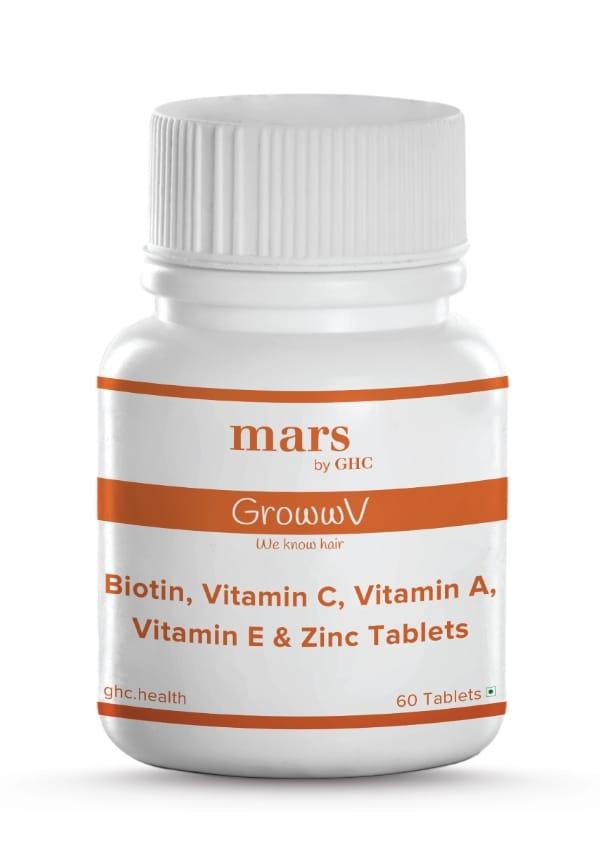
Biotin Natural Supplement to Control Hair Fall
If you're taking biotin supplements, let your doctor know before any blood work. They might ask you to stop taking it for a few days before testing to ensure accurate results.
Biotin can interact with certain medications, particularly anti-seizure drugs. It can also affect the absorption of some antibiotics. Always check with your healthcare provider before starting any new supplement regimen.
Instead of focusing on biotin, consider a holistic approach to hair health. A diet rich in protein, iron, zinc, and vitamins A, C, and D provides the building blocks your hair actually needs. Think salmon, spinach, eggs, nuts, and colourful fruits and vegetables.
Haircare tips that actually make a difference include using a gentle shampoo, avoiding excessive heat styling, and protecting your hair from sun damage. Scalp massage can improve circulation, and some people find that essential oils like rosemary or peppermint help with hair growth.
Stress management is huge for hair health. Chronic stress can push hair follicles into the resting phase, leading to increased shedding. Regular exercise, adequate sleep, and stress-reduction techniques can help maintain healthy hair growth cycles.
Vitamins for hair growth that are more likely to help include iron (if you're deficient), vitamin D, and omega-3 fatty acids. But again, supplementation should be based on actual deficiencies, not just hopes for better hair.
Your scalp is the foundation for healthy hair growth. Keep it clean but not over-washed, and consider using products with ingredients like salicylic acid or tea tree oil if you have dandruff or buildup issues.
If you're losing more than 100 hairs per day, noticing bald patches, or experiencing sudden hair loss, it's time to see a professional. A dermatologist can perform tests to determine the exact cause of your hair loss and recommend appropriate hair thinning solutions.
During a consultation, expect questions about your family history, recent stress or illness, medications, and hair care routine. They might perform a pull test, examine your scalp under magnification, or order blood tests to check for underlying conditions.
Professional hair loss treatment plans are tailored to your specific type of hair loss and can combine multiple approaches. This might include topical treatments, oral medications, lifestyle changes, or even procedures like hair transplants in severe cases.
Don't wait too long to seek help—early intervention often leads to better outcomes. Hair follicles that have been dormant for years are much harder to reactivate than those that are just starting to miniaturise.

Hair Revive | Plant Based Biotin | Promotes Healthy Hair and Fights Hair Fall
If you were taking biotin to address a genuine deficiency, stopping it might lead to hair thinning returning. However, if you were taking biotin with normal levels, stopping won't cause additional hair loss. Your hair will simply return to its baseline state, which might make it seem like the biotin was helping when it actually wasn't.
For people with actual biotin deficiency, improvements in hair and nail health typically take 3-6 months of consistent supplementation. However, if you don't have a deficiency, you won't see results regardless of how long you take it. Hair growth cycles are slow, so any legitimate treatment takes time to show effects.
Yes, biotin can interact with certain medications, particularly anti-seizure drugs like phenytoin and carbamazepine. It can also affect lab tests for thyroid function, cardiac markers, and hormone levels. Always inform your healthcare provider about biotin supplementation before medical tests or when starting new medications.
Biotin is generally considered safe during pregnancy and breastfeeding when taken in recommended amounts. However, pregnancy can actually increase biotin needs, so some women may benefit from supplementation. Always consult with your healthcare provider before taking any supplements during pregnancy.
For most people, addressing the actual cause of hair loss is more effective than biotin supplementation. This might mean using minoxidil for androgenetic alopecia, treating iron deficiency, managing stress, or using prescription medications. A balanced diet and gentle hair care practices are also more beneficial than biotin for people with normal levels.
The bottom line on biotin and hair fall is pretty straightforward—it only helps if you're actually deficient, which most people aren't. While biotin deficiency can cause hair loss, the majority of hair fall cases are due to genetics, hormones, stress, or other nutritional deficiencies like iron or zinc.
If you're serious about addressing hair loss, focus on proven treatments like minoxidil, addressing underlying health issues, and maintaining overall hair health through gentle care and good nutrition. Save your money on expensive biotin supplements unless a blood test confirms you actually need them.
Remember, hair loss is complex and often requires a multi-faceted approach. What works for your friend might not work for you, and that's completely normal. The key is understanding what's actually causing your hair fall and addressing that specific issue rather than hoping a one-size-fits-all supplement will solve everything. If you're exploring different haircare products to support your hair health journey, Smytten offers trial-size versions of many treatments and supplements—a practical way to test what works for your hair before committing to full-size purchases.
