DIY Hair Mask Recipes FAQ: Your Questions Answered
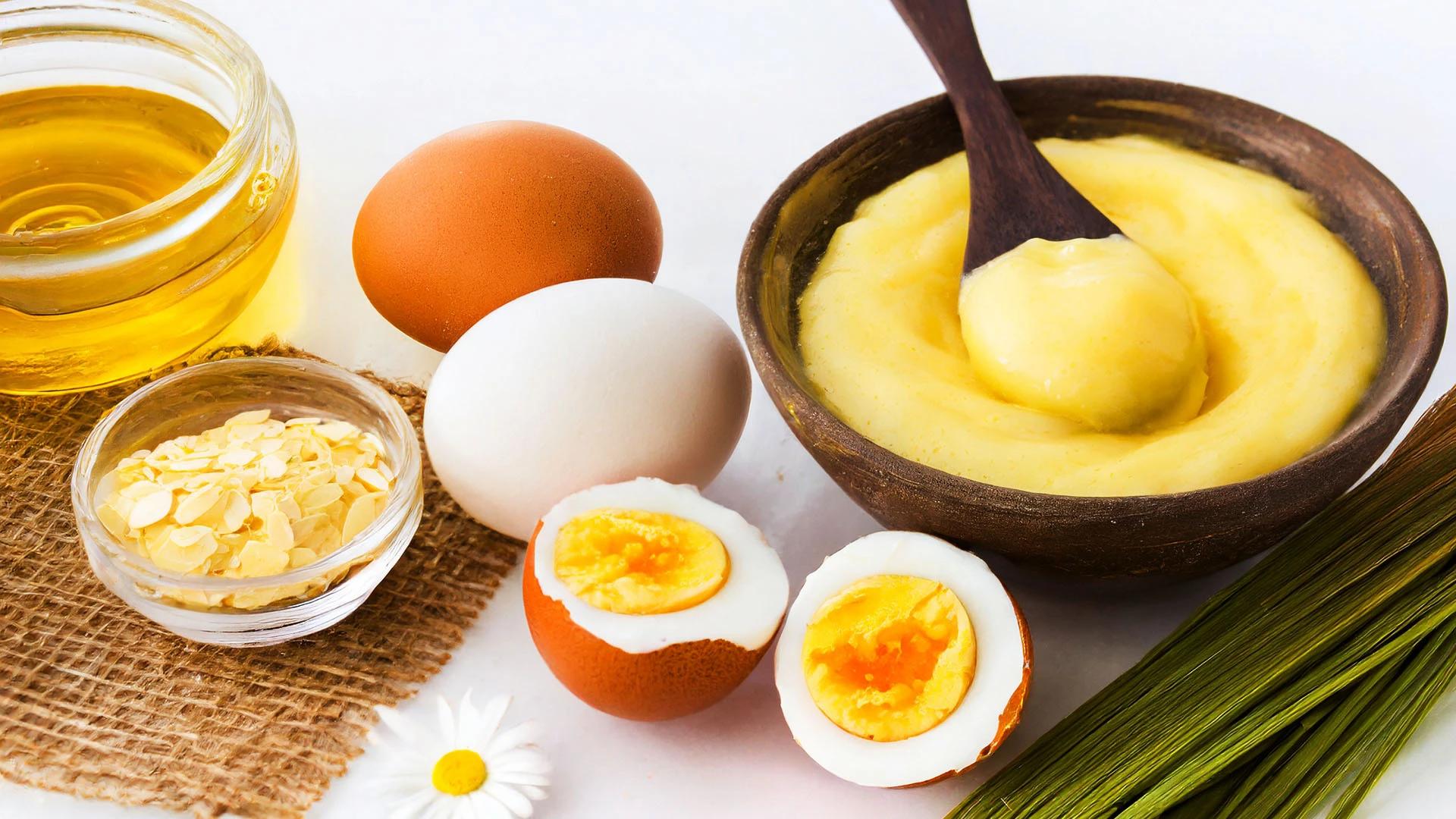

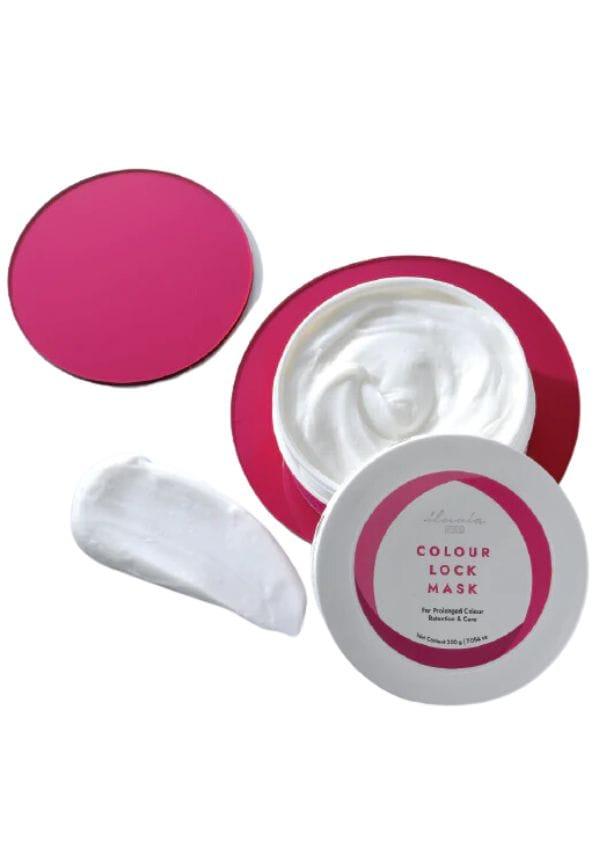
Colour Lock Mask
Ever stood in your kitchen, staring at honey and coconut oil, wondering if they could actually save your hair? You're not alone. The whole DIY hair mask thing can feel overwhelming—especially when you're not sure which recipe will work for your specific hair type or if you're even doing it right. Let's sort through the confusion and get you the answers you need to create effective homemade hair treatments that actually deliver results.
The beauty of DIY hair mask recipes lies in their simplicity and customisation. Unlike commercial products that try to be everything to everyone, homemade hair masks let you target your exact concerns with ingredients you probably already have at home. The key is understanding which ingredients work for your hair type and how to combine them properly.
Most effective natural hair mask recipes revolve around a few powerhouse ingredients: coconut oil for deep moisture, honey for humectant properties, eggs for protein, and avocado for healthy fats. These aren't just trendy ingredients—they've got science backing their effectiveness. Coconut oil's molecular structure allows it to penetrate the hair shaft, whilst honey draws moisture from the air and locks it into your strands.
Your kitchen is basically a hair treatment goldmine. Coconut oil works as a natural emollient, smoothing the hair cuticle and reducing protein loss. Raw honey acts as a humectant, pulling moisture from the environment into your hair. Avocado provides oleic acid and vitamins that nourish damaged strands, whilst eggs deliver both protein and lecithin for strength and shine.
Start with this foolproof base: 2 tablespoons melted coconut oil mixed with 1 tablespoon raw honey. Apply from mid-lengths to ends, avoiding your roots unless you have very dry hair. Cover with a shower cap and leave for 30 minutes before washing out with lukewarm water and a gentle shampoo.
Dry and damaged hair needs serious moisture and repair, which is where these nutrient-rich recipes shine. The goal here isn't just surface-level smoothness—you want ingredients that can actually penetrate the hair shaft and repair damage from the inside out. These masks work by filling in gaps in damaged cuticles and providing the lipids your hair has lost through heat styling, chemical processing, or environmental damage.
Mash half a ripe avocado with 2 tablespoons honey and 1 tablespoon olive oil until smooth. This powerhouse combination delivers healthy fats, vitamins, and moisture-binding properties. Apply generously to damp hair, focusing on the most damaged areas. The healthy fats in avocado help rebuild the hair's natural lipid barrier, whilst olive oil provides deep conditioning.
Beat 1 whole egg with 2 tablespoons Greek yogurt and 1 teaspoon honey. This hair mask for damaged hair provides the protein your strands need to rebuild strength. Apply to clean, damp hair and rinse with cool water to prevent the egg from cooking. The lactic acid in yogurt gently exfoliates whilst the protein fills in damaged areas.
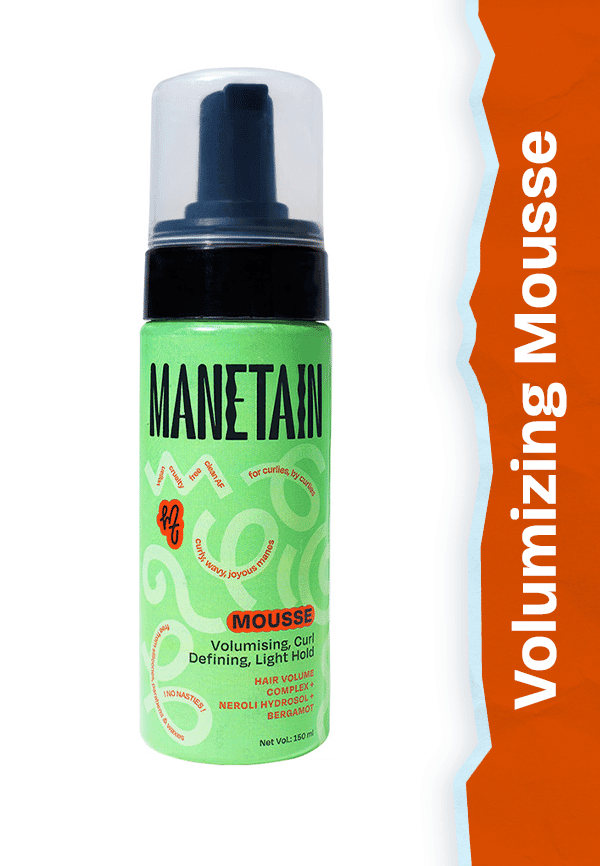
Volumizing Curl Defining Light Hold Mousse Hair Mask
Whilst no topical treatment can magically make hair grow faster, certain ingredients can create optimal scalp conditions for healthy growth. These hair mask for hair growth recipes focus on stimulating circulation, providing nutrients to hair follicles, and maintaining a healthy scalp environment. The key is consistency—these treatments work best when used regularly over time.
Mix 3 tablespoons coconut oil with 1 teaspoon cinnamon powder. The cinnamon provides gentle stimulation to increase blood flow to the scalp, whilst coconut oil nourishes and protects. Massage into your scalp for 5 minutes before applying to lengths. This combination can feel slightly tingly—that's normal and indicates increased circulation.
Traditional Ayurvedic wisdom offers time-tested combinations. Try mixing 2 tablespoons aloe vera gel with 1 tablespoon honey and 1 teaspoon apple cider vinegar. Aloe vera soothes the scalp and provides vitamins, whilst apple cider vinegar balances pH and removes buildup that can impede growth.
Oily hair presents a unique challenge—you need to control excess sebum without stripping your hair completely, which can actually trigger more oil production. These hair mask for oily hair recipes focus on gentle clarification and oil regulation. The trick is treating your scalp differently from your lengths, as many people with oily roots still have dry ends.
Whisk 2 egg whites with 1 tablespoon fresh lemon juice. Egg whites help absorb excess oil whilst tightening the hair cuticle, and lemon's natural acidity helps regulate sebum production. Apply primarily to your scalp and roots, leaving lengths alone unless they're also oily. Rinse thoroughly with cool water.
Mix 2 tablespoons bentonite clay with enough water to form a paste, then add 1 teaspoon apple cider vinegar. Clay naturally draws out impurities and excess oil from the scalp. Apply to damp hair, focusing on the scalp, and rinse thoroughly after 15 minutes. This treatment is particularly effective for those dealing with product buildup.
Sometimes you don't need intensive repair—you just want that glossy, touchable hair that catches light beautifully. These recipes focus on smoothing the hair cuticle and adding natural shine without weighing hair down. The secret is using ingredients that can seal the cuticle flat, which reflects light and creates that coveted glossy finish.
Blend 1 very ripe banana with 1 tablespoon coconut oil and 1 tablespoon honey until completely smooth—no chunks allowed, or you'll be picking banana bits out of your hair for days. This natural hair mask smooths frizz and adds incredible shine. The potassium in bananas helps strengthen hair whilst the natural sugars add gloss.
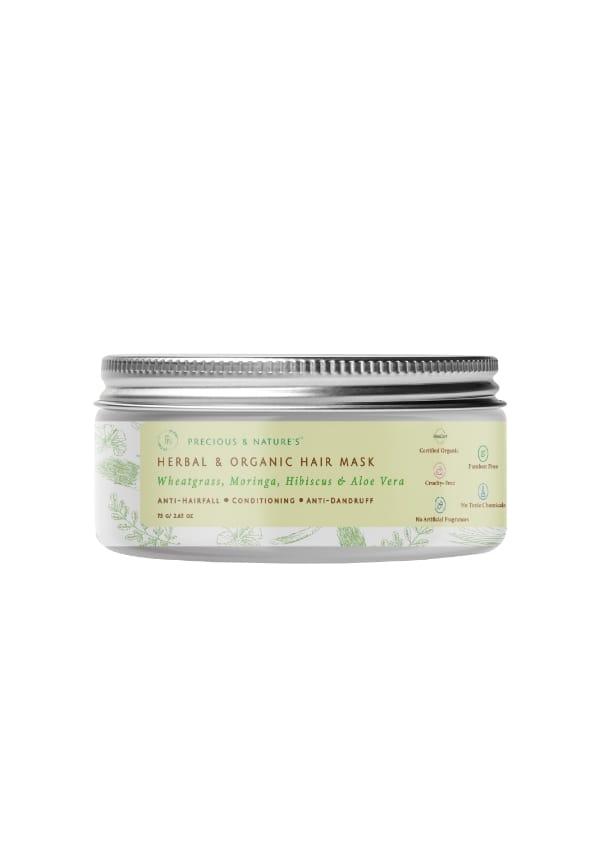
Organic and Herbal Hair mask
Warm ¼ cup olive oil slightly and mix with 1 tablespoon honey and 1 teaspoon apple cider vinegar. The gentle heat helps the treatment penetrate better, whilst the combination seals the cuticle for maximum shine. Apply to damp hair and leave for 45 minutes under a shower cap for best results.
Even the best homemade hair mask recipe can fail if you're not applying it correctly. Proper technique makes the difference between a mediocre treatment and one that transforms your hair. These hair care tips will help you get the most from your DIY beauty routine and avoid common mistakes that can leave your hair looking worse than when you started.
Always start with damp, not soaking wet hair—excess water dilutes your treatment. Section your hair into four parts and apply the mask systematically, ensuring even coverage. Focus on mid-lengths and ends where damage typically occurs, unless you're specifically treating scalp issues. Use a wide-tooth comb to distribute the mask evenly through your strands.
The removal process is just as important as application. Start with lukewarm water to loosen the mask, then follow with a gentle shampoo—you might need to shampoo twice to remove oil-based treatments completely. Finish with cool water to seal the cuticle and lock in the benefits. Skip conditioner if your mask was particularly moisturising.
More isn't always better with hair treatments. Most hair types benefit from weekly DIY masks, but damaged hair might need twice-weekly treatments initially. Pay attention to how your hair responds—if it starts feeling heavy or greasy, reduce frequency. Seasonal changes might require adjustments too—winter often calls for more moisture, whilst summer might need clarifying treatments.
The best homemade hair mask depends entirely on your hair type and concerns. For universal appeal, the coconut oil and honey combination works for most hair types, providing moisture without heaviness. Dry hair benefits most from avocado-based masks, whilst oily hair responds well to egg white and clay treatments. The key is matching ingredients to your specific needs rather than following trends.
Effective hair mask ingredients fall into three categories: moisturisers (coconut oil, honey, avocado), proteins (eggs, Greek yogurt), and clarifiers (lemon juice, apple cider vinegar, clay). The best masks combine elements from different categories to address multiple concerns. Natural emollients smooth the cuticle, proteins strengthen damaged areas, and gentle acids remove buildup whilst balancing pH.
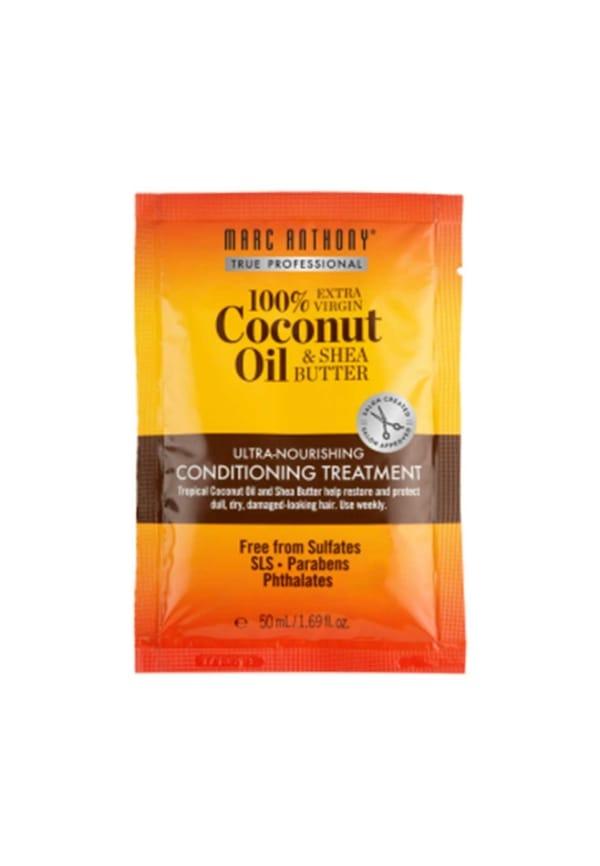
Hydrating Coconut Oil And Shea Butter Deep Nourishing Conditioning Treatment Mask
Weekly treatments work best for most people, but damaged hair might benefit from twice-weekly sessions initially. Watch for signs of over-treatment like limpness, greasiness, or protein overload (hair feeling stiff and brittle). Healthy hair maintenance typically requires less frequent treatments—every 10-14 days might be sufficient once your hair reaches its optimal condition.
DIY hair masks can complement chemical treatments beautifully, but timing matters. Wait at least 48 hours after colouring before using any mask, and avoid protein treatments immediately after relaxers or perms. Deep conditioning masks work particularly well between salon visits to maintain chemically treated hair. Always patch test new ingredients on processed hair, as it can be more sensitive.
DIY hair mask recipes offer customisation and ingredient transparency that commercial products can't match. You know exactly what's going on your hair, and you can adjust formulations based on your hair's changing needs. However, commercial products often contain stabilisers and preservatives that extend shelf life and improve texture. The best approach might be combining both—using DIY treatments for targeted concerns and quality commercial products for daily care.
Most homemade hair masks work best with 20-45 minutes of contact time. Oil-based treatments can handle longer application—even overnight for severely damaged hair. Protein masks should stay on for shorter periods (15-30 minutes) to avoid overloading your hair. Clay-based masks for oily hair work quickly, often requiring just 10-15 minutes before they become too drying.
Fresh ingredients mean fresh masks work best, but some combinations can be stored briefly. Oil and honey masks keep in the refrigerator for up to a week, whilst anything containing eggs or dairy should be used immediately. Dry ingredient mixes (like clay powders with added herbs) can be pre-made and stored in airtight containers, with liquid ingredients added just before use.
Creating effective DIY hair mask recipes isn't about following trends—it's about understanding your hair's unique needs and choosing ingredients that deliver real results. Whether you're dealing with dryness, damage, oiliness, or just want that extra shine, the right combination of kitchen staples can transform your hair care routine without breaking the bank.
The beauty of homemade hair masks lies in their simplicity and customisation. You're not stuck with one-size-fits-all formulations that might not address your specific concerns. Instead, you can adjust recipes based on seasonal changes, hair damage levels, or simply what you have available in your kitchen.
Remember that consistency trumps perfection when it comes to hair treatment. A simple coconut oil and honey mask used weekly will deliver better results than an elaborate recipe used sporadically. Start with basic formulations, pay attention to how your hair responds, and adjust accordingly. Your hair will thank you for the personalised attention, and your wallet will appreciate the savings compared to salon treatments.
For those times when you want to explore professional-grade ingredients or try products before committing to full sizes, Smytten offers curated trial packs from trusted haircare brands. It's a smart way to discover what works for your hair type before investing in full-size products—because sometimes the perfect solution is a combination of DIY treatments and quality commercial products that complement your homemade routine.
