Different Hair Fall Solutions FAQ: Your Questions Answered


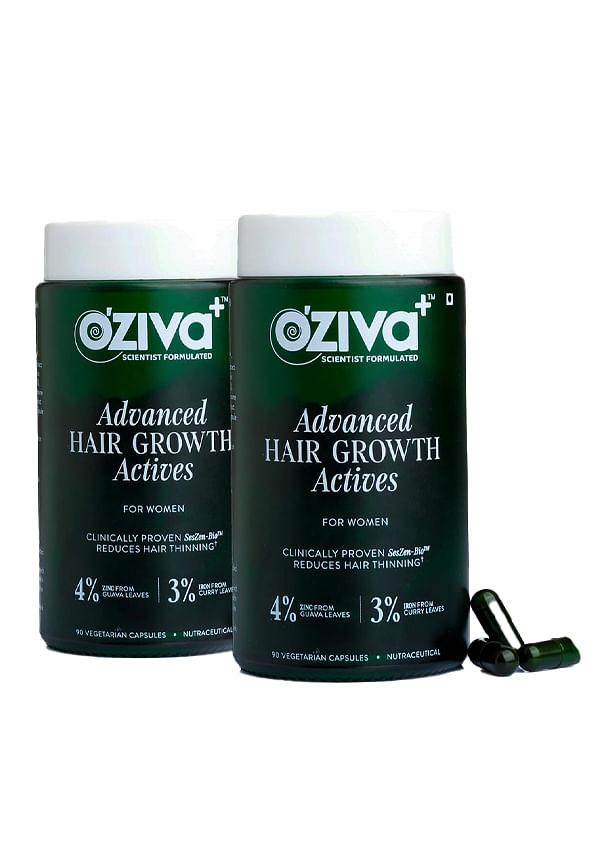
Advanced Hair Growth Actives | Anti-Thinning Hair Formula for Women
Good Product
 5
5“good product”
Good product, I like it
5“good product i like it it feels when I use it”
Nice Product
4“nice product.....thank you smytten”
You know that sinking feeling when you run your fingers through your hair and find way more strands than usual? Or when your hairbrush looks like it's collected half your head? Hair fall can feel overwhelming, especially when you're not sure if what you're experiencing is normal or something that needs attention. The good news is that most hair fall concerns have solutions — you just need to know which approach works for your specific situation.
Let's be real — everyone loses hair daily, and that's completely normal. Your hair goes through natural growth cycles, and shedding is part of the process. But knowing when your hair fall crosses from normal to concerning can help you take action early.
Most people lose between 50 to 100 hairs per day without even noticing. This happens because your hair follicles go through three phases: growth (anagen), transition (catagen), and rest (telogen). During the telogen phase, older hairs naturally fall out to make room for new growth. If you're losing around this amount, your hair is probably just doing its thing.
Hair fall causes vary depending on your life stage and circumstances. Stress, hormonal changes, nutritional deficiencies, and genetics all play roles. For younger people, lifestyle factors like poor diet, excessive heat styling, and stress from studies or work often contribute. As you age, hormonal shifts, medical conditions, and medication side effects become more common triggers.
When home remedies aren't cutting it, medical hair loss treatments can offer more targeted solutions. These treatments are backed by research and often provide more predictable results than DIY approaches.
Minoxidil is probably the most well-known hair regrowth treatment. Available over-the-counter, it works by improving blood flow to hair follicles and extending the growth phase. You'll typically see results after 3-6 months of consistent use. Finasteride is another option, but it's prescription-only and works by blocking DHT, a hormone that contributes to hair loss.
For more severe hair thinning solutions, procedures like platelet-rich plasma (PRP) therapy use your own blood platelets to stimulate hair growth. Low-level laser therapy devices can also help improve hair density over time. Hair transplantation remains the most permanent solution for significant hair loss, though it's also the most invasive and expensive option.
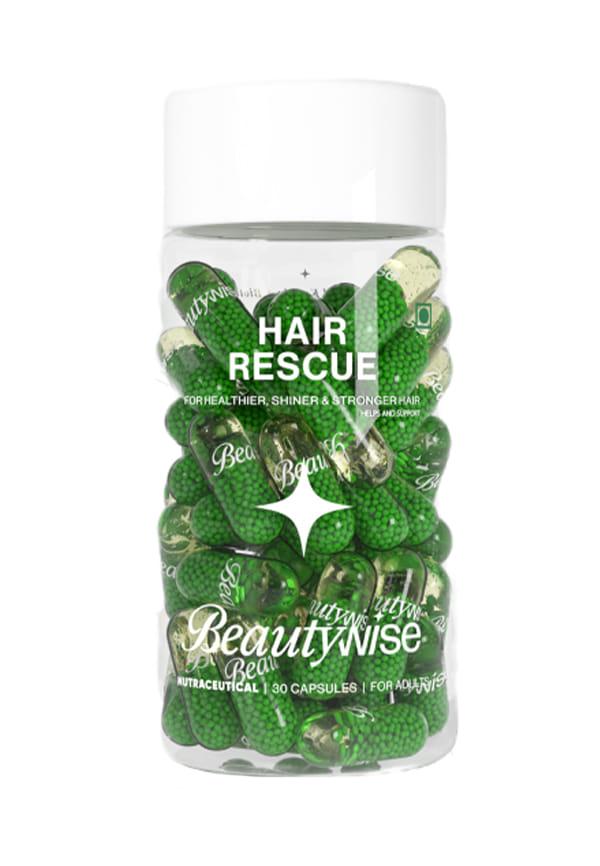
Hair Rescue, Hair Aminos, Vitamins, DHT Blocker for Hairfall Control & Growth
Good product, slow hair growth
4“good product but slow process of growth of hair”
Hair Improvement
5“my hair are improving day by day.”
Not everyone wants to jump straight into medical treatments, and that's fair. Several natural hair loss solutions have research backing their effectiveness, making them worth trying before exploring more intensive options.
Aloe vera contains enzymes that can help remove dead skin cells from your scalp, creating a healthier environment for hair growth. Coconut oil penetrates hair shafts better than most oils, providing deep conditioning that can prevent breakage. Onion juice might sound odd, but studies show it can improve hair regrowth when applied to the scalp regularly.
Your daily habits impact your hair more than you might think. Managing stress through meditation, exercise, or hobbies can reduce cortisol levels that contribute to hair fall. Getting 7-9 hours of quality sleep helps your body repair and regenerate, including your hair follicles. Regular exercise improves circulation, ensuring your scalp gets the nutrients it needs.
Prevention often works better than trying to reverse damage after it happens. Small changes to your hair care routine can make a significant difference in reducing unnecessary hair fall and keeping your existing strands healthy.
Gentle handling is key to preventing breakage that can worsen hair fall. Wash your hair with lukewarm water instead of hot, and avoid aggressive towel drying. When your hair is wet, it's more fragile, so use a wide-tooth comb and start detangling from the ends. Limit heat styling tools, and when you do use them, always apply a heat protectant first.
A healthy scalp creates the foundation for healthy hair growth. Regular scalp massages with your fingertips can improve blood circulation and help distribute natural oils. Avoid brushing wet hair aggressively, and choose brushes with natural bristles or wide-spaced teeth. Keep your scalp clean but don't over-wash, as this can strip natural oils that protect your hair.
What you eat directly affects your hair health. Hair follicles are among the most active cells in your body, so they need consistent nutrition to function properly. Deficiencies in key nutrients can lead to noticeable hair fall within weeks.
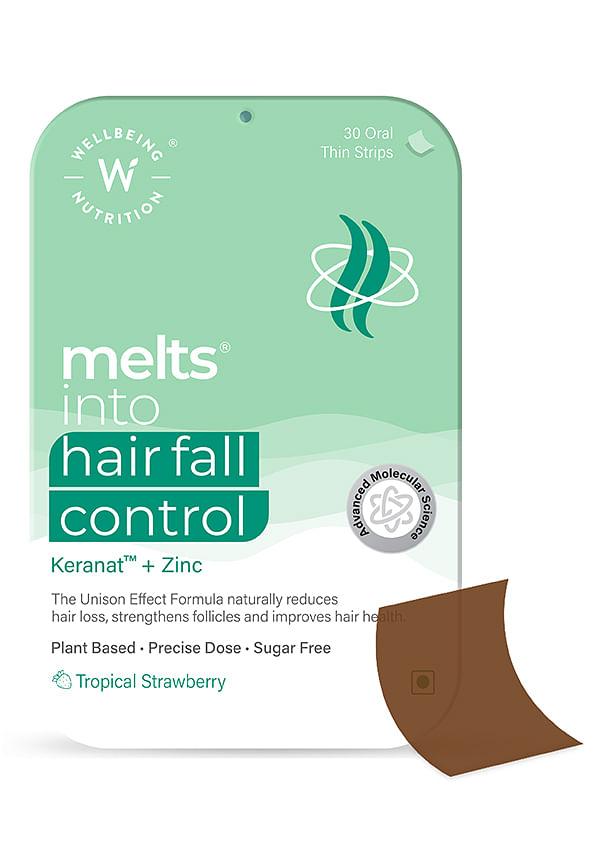
Melts Hair Fall Control Keranat & Zinc, Hair Loss Support to Improve Hair Anchoring (30 Oral Strips)
Protein forms the building blocks of hair, so aim for adequate intake from sources like eggs, fish, legumes, and nuts. Iron deficiency is one of the most common nutritional causes of hair fall, especially in women. Biotin, vitamin D, and B-complex vitamins all support healthy hair growth, while omega-3 fatty acids help maintain scalp health and add shine.
Spinach provides iron and vitamins A and C, which help produce sebum that naturally conditions hair. Sweet potatoes are rich in beta-carotene, which your body converts to vitamin A. Avocados offer healthy fats and vitamin E that support scalp health. While supplements can help fill gaps, getting nutrients from whole foods is generally more effective and better absorbed.
The hair care market is flooded with products claiming to prevent hair loss, but knowing what ingredients actually work can help you make smarter choices. Focus on products with proven active ingredients rather than flashy marketing claims.
Look for sulfate-free formulations that clean without stripping your hair's natural oils. Ingredients like ketoconazole, saw palmetto, and caffeine have shown promise in reducing hair fall. pH-balanced products help maintain your scalp's natural protective barrier. Avoid products with harsh chemicals that can irritate your scalp or weaken hair strands.
Hair serums and treatments with peptides, niacinamide, or plant stem cells can support hair follicle health. Apply these products to clean, damp hair and massage gently into your scalp. Remember that consistency matters more than expensive formulations — using a good product regularly will give better results than using an amazing product occasionally.
There's no one-size-fits-all answer because hair fall causes vary from person to person. The most effective approach combines identifying and addressing the underlying cause with appropriate treatments. For mild hair fall, improving nutrition, reducing stress, and using gentle hair care practices often help. For more significant hair loss, medical treatments like minoxidil or consulting a dermatologist might be necessary. The key is starting with the least invasive options and gradually moving to stronger treatments if needed.
Most hair fall treatments require patience. Natural remedies and lifestyle changes typically show results after 2-3 months of consistent use. Medical treatments like minoxidil usually require 3-6 months before noticeable improvement. Hair growth happens in cycles, so you need to give treatments time to work through complete growth phases. Don't expect overnight miracles — sustainable hair health takes time to achieve.
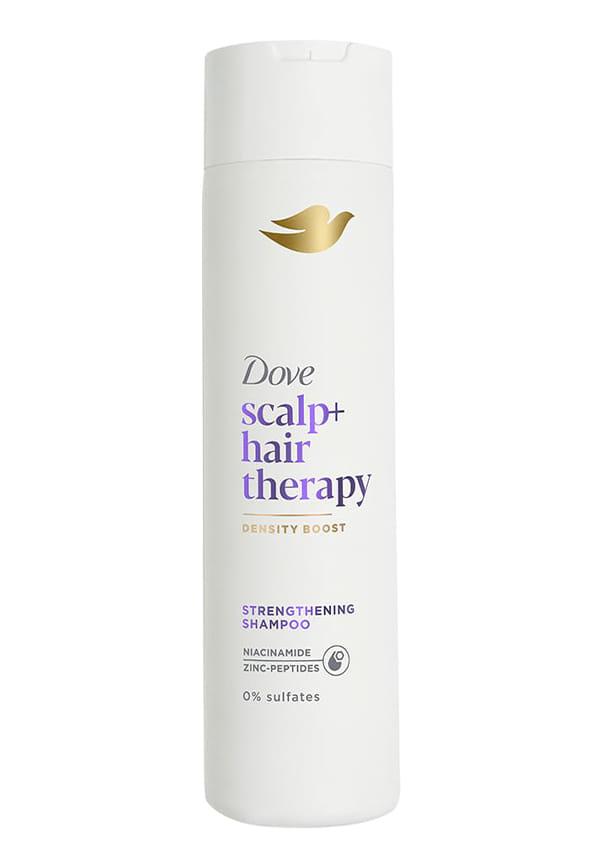
Dove Scalp+Hair Therapy Sulphate Free Density Boost Strengthening Shampoo
Complete prevention isn't realistic since some daily hair loss is natural and healthy. However, you can significantly reduce excessive hair fall by addressing its causes. Genetic hair loss can be slowed but not completely stopped, while hair fall from stress, nutrition, or hair care practices can often be reversed with proper treatment. The goal should be maintaining healthy hair growth rather than eliminating all hair loss.
Price doesn't always correlate with effectiveness. Some of the most proven hair loss treatments, like basic minoxidil or improving your diet, are relatively affordable. Expensive procedures might be necessary for severe cases, but many people see good results with budget-friendly options. Focus on ingredients and proven methods rather than price tags when choosing treatments.
Consult a dermatologist if you're losing more than 100 hairs daily for several weeks, notice sudden bald patches, or experience scalp irritation along with hair loss. Also seek medical advice if hair fall doesn't improve after 3-4 months of consistent home treatment, or if you have other symptoms like fatigue or hormonal changes that might indicate underlying health issues.
Washing your hair doesn't cause hair fall — you're simply removing hairs that were already ready to shed. In fact, keeping your scalp clean can promote healthier hair growth. The myth that frequent washing causes hair loss probably comes from people noticing more hair in the drain, but those hairs would have fallen out anyway. Wash your hair as often as needed based on your hair type and lifestyle.
Tight hairstyles like ponytails, braids, or buns can cause traction alopecia if worn consistently over time. This type of hair loss is usually reversible if you catch it early and change your styling habits. Regular hat wearing doesn't cause hair loss unless the hat is extremely tight and worn constantly. Give your hair breaks from tight styles and choose looser alternatives when possible.
Finding the right hair fall solution often involves trying different approaches to see what works for your specific situation. Start with gentle, natural methods like improving your diet, managing stress, and using proper hair care techniques. If these don't provide enough improvement after a few months, consider medical treatments or consult a dermatologist for personalised advice.
Remember that consistency matters more than perfection. Small, sustainable changes to your routine often produce better long-term results than dramatic overhauls that are hard to maintain. Whether you're dealing with stress-related hair fall, nutritional deficiencies, or genetic factors, there are solutions available — it's just about finding the right combination for you.
Not sure which hair care products might work for your specific concerns? Smytten offers trial-size versions of many hair fall treatments and nourishing products — a good way to test different formulations before committing to full bottles.
