Dandruff Relief Tips FAQ: Everything You Need to Know

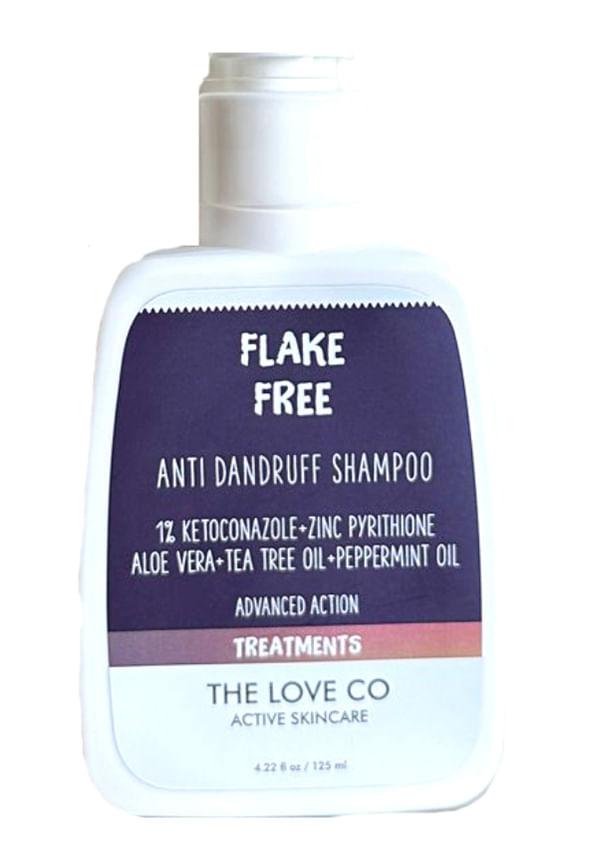
Anti Dandruff Shampoo - Flake Free - 125ml
You're washing your hair, feeling pretty good about your routine, when you catch a glimpse of your shoulders in the mirror. Those telltale white flakes are back, scattered across your dark top like unwanted confetti. Sound familiar? You're definitely not alone in this struggle. Dandruff affects nearly half the population at some point, yet there's still so much confusion about what actually works. Let's dive into the real answers you've been searching for, from understanding what's happening on your scalp to finding dandruff relief tips that actually stick.
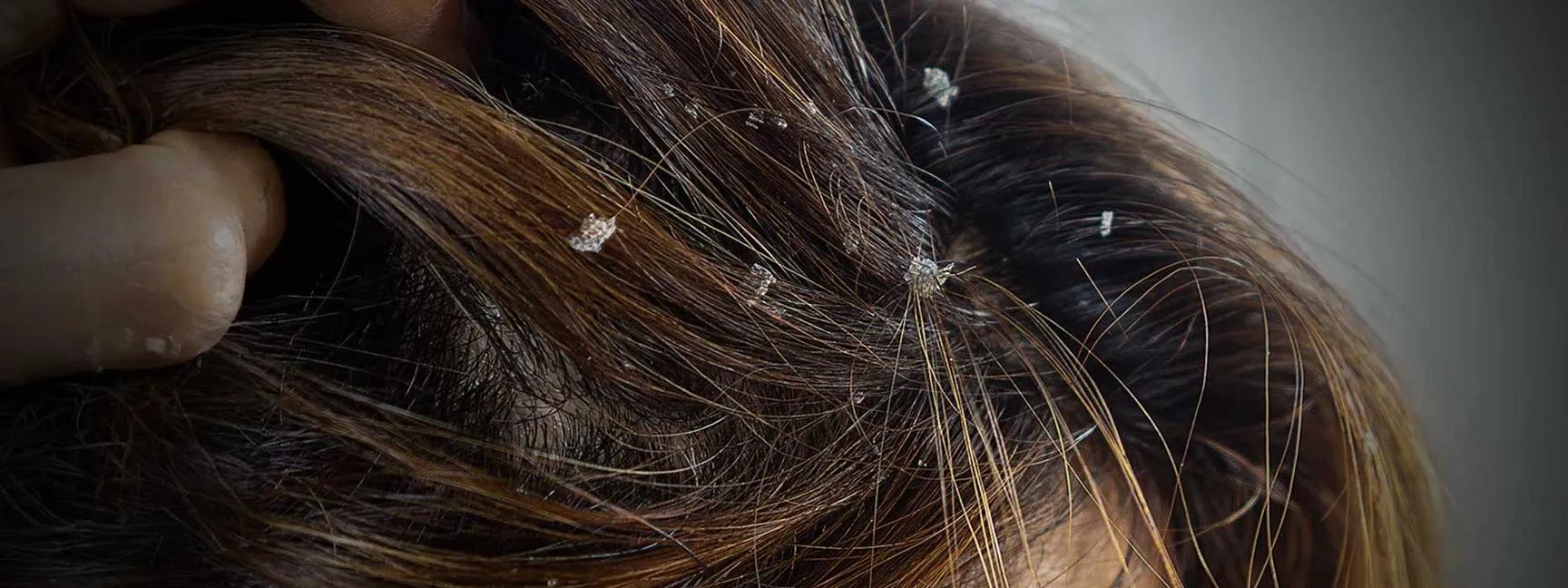
Real talk: dandruff isn't just about having a "dirty" scalp or not washing enough. The main culprit is actually a yeast called Malassezia that lives on everyone's scalp. When this yeast goes into overdrive, it breaks down the oils on your scalp and creates irritation. Your skin responds by shedding cells faster than usual, and voilà—those flakes start appearing.
But here's where it gets interesting: not all flaky scalps are created equal. Seborrheic dermatitis is the medical term for the more intense version of dandruff, where you'll notice redness, inflammation, and sometimes even yellowish, greasy flakes. This condition often extends beyond just your scalp to areas like your eyebrows, nose, and chest. On the flip side, simple dry scalp creates smaller, whiter flakes without the redness and tends to feel tight rather than itchy.
Stress plays a bigger role than you might think. When cortisol levels spike, your scalp's oil production can go haywire, creating the perfect environment for that troublesome yeast to multiply. Hormonal changes during puberty, pregnancy, or even seasonal shifts can trigger flare-ups too.
Look at your flakes closely. Oily dandruff tends to be larger, yellowish, and sticks to your hair and scalp. Dry dandruff creates smaller, white flakes that fall easily onto your shoulders. If you're dealing with intense itching, redness, or patches that seem inflamed, you're likely looking at seborrheic dermatitis rather than simple dandruff.
When it comes to getting serious about dandruff relief tips, the right active ingredients make all the difference. Think of these as your scalp's best friends—each one tackles the problem from a different angle, so finding your match is key.
Ketoconazole is probably the strongest player in the anti-dandruff game. This antifungal ingredient directly targets that problematic yeast we talked about earlier. You'll find it in concentrations ranging from 1% to 2%, with the higher percentage typically requiring a prescription. Zinc pyrithione works differently—it's both antibacterial and antifungal, making it brilliant for preventing future flare-ups while treating current ones.
Selenium sulfide is another powerhouse that slows down how quickly your scalp sheds skin cells. It's particularly effective for stubborn cases but can be a bit drying, so you'll want to follow up with a good conditioner on your lengths. Coal tar might sound intimidating, but it's actually been used for decades to treat scalp conditions—it works by slowing down cell turnover.
Here's something most people get wrong: you need to let that dandruff shampoo actually work. Apply it to wet hair, massage gently into your scalp, then leave it on for at least five minutes before rinsing. This contact time is crucial for the active ingredients to do their job. Washing every other day or three times a week usually hits the sweet spot—daily washing can actually irritate your scalp further.
Sometimes the best solutions are sitting right in your kitchen. While medical treatments are often more effective for severe cases, natural dandruff solutions can be incredibly helpful for mild to moderate flaking, especially when you want to avoid harsh chemicals or you're dealing with a sensitive scalp.
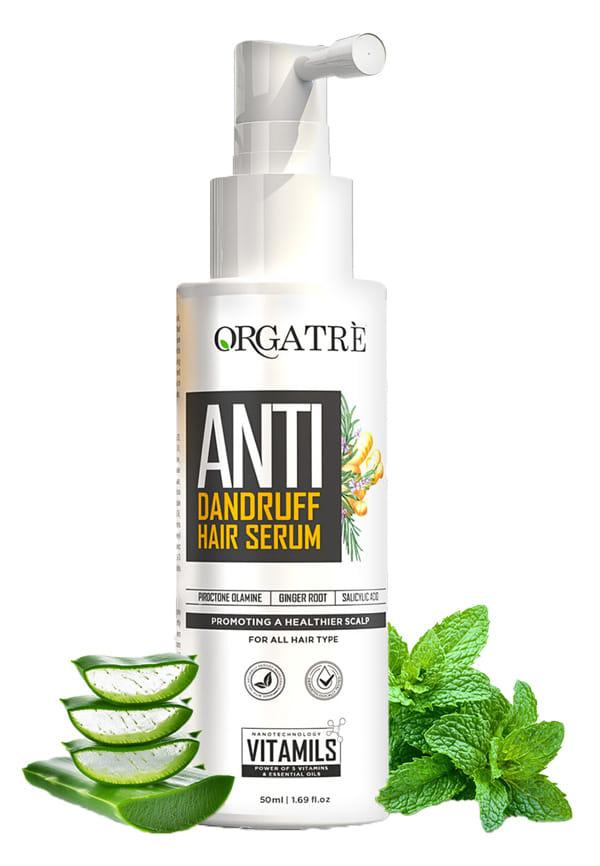
Anti Dandruff Hair Serum | Treatment for Dandruff, Flaky & Dry Scalp
Apple cider vinegar deserves its reputation as a scalp game-changer. Its acidity helps restore your scalp's natural pH balance, creating an environment where that troublesome yeast can't thrive. Mix equal parts water and apple cider vinegar, apply to damp hair, let it sit for 15 minutes, then rinse thoroughly. The smell fades once your hair dries, promise.
Tea tree oil is another natural antifungal that packs a punch. Add 10-15 drops to your regular shampoo or mix with a carrier oil like coconut oil for a pre-wash treatment. Just remember—tea tree oil is potent, so always dilute it properly to avoid irritation.
Coconut oil can work wonders as an overnight treatment, but there's a catch. If you have oily dandruff or seborrheic dermatitis, heavy oils might actually feed the yeast and make things worse. For dry scalp conditions, though, a light application of coconut oil can provide much-needed moisture and has natural antifungal properties.
Consistency beats intensity every time when it comes to scalp care routine success. Think of dandruff management like skincare—it's about creating sustainable habits rather than looking for quick fixes. Your scalp is skin too, and it needs the same thoughtful approach you'd give your face.
Start by identifying your triggers. Keep a simple diary noting when flare-ups happen—is it during stressful periods, after using certain products, or during seasonal changes? This detective work helps you stay ahead of problems rather than just reacting to them. Stress management isn't just good for your mental health; it directly impacts your scalp's oil production and inflammation levels.
Your hairbrush choice matters more than you think. Natural bristle brushes help distribute oils evenly from root to tip, preventing buildup at the scalp. Brush gently and clean your brush regularly—old product residue and dead skin cells can reintroduce problems you're trying to solve.
Rotate your shampoos to prevent your scalp from getting too comfortable with one formula. Use your medicated dandruff shampoo 2-3 times per week, and alternate with a gentle, sulfate-free cleanser on other wash days. Once a week, treat yourself to a scalp massage with your fingertips—not your nails—to boost circulation and help remove buildup.
Sometimes home remedies and over-the-counter solutions aren't enough, and that's completely normal. Seborrheic dermatitis treatment often requires a more targeted approach, especially when you're dealing with persistent inflammation, hair loss, or symptoms that extend beyond your scalp.
Prescription treatments typically include stronger concentrations of the active ingredients we've discussed, plus topical corticosteroids for inflammation. These aren't meant for long-term use but can provide significant relief during flare-ups. Your dermatologist might also recommend combination therapy—using different treatments together for better results.
Topical antifungals like prescription-strength ketoconazole or ciclopirox can be game-changers for resistant cases. Some doctors also prescribe medicated foams or solutions that are easier to apply and less greasy than traditional creams.
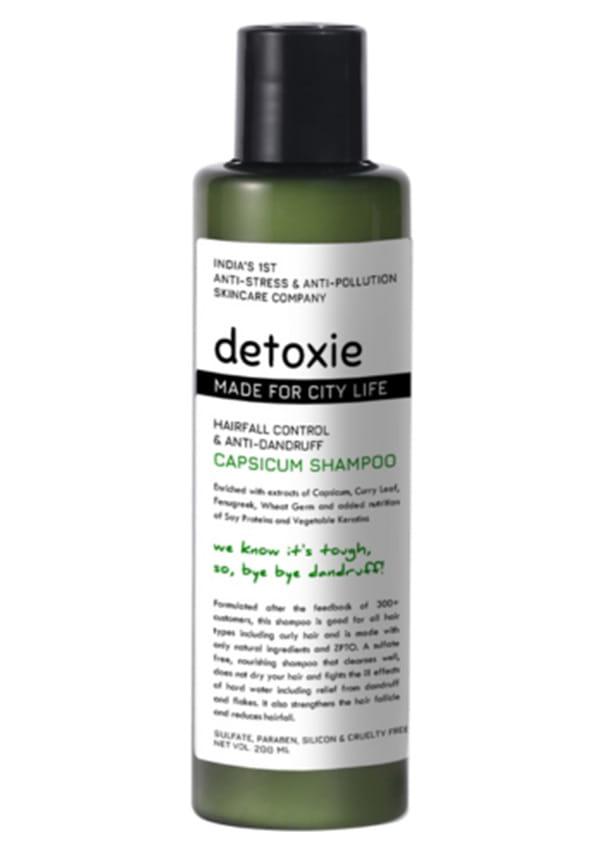
Anti-Dandruff & Flake Relief Capsicum Shampoo
Book that dermatologist appointment if you notice patches of hair loss, severe redness that doesn't improve with treatment, or if your symptoms are affecting other areas of your face and body. Also, if you've been consistently using anti-dandruff products for six weeks without improvement, it's time for professional help.
Managing dandruff doesn't mean sacrificing your hair goals. The key is choosing products that work with your scalp condition rather than against it. Heavy styling products, especially those with lots of oils or silicones, can create buildup that feeds the yeast causing your dandruff.
When selecting a conditioner, focus on lightweight formulas and apply only from mid-length to ends—keeping it away from your scalp prevents additional buildup. Look for ingredients like salicylic acid in your styling products, which can actually help with gentle exfoliation while you style.
Sulfate-free doesn't automatically mean better for dandruff-prone scalps. Sometimes you need that extra cleansing power, especially if you use styling products regularly. The trick is balancing thorough cleansing with moisture preservation.
For dry scalp remedies, focus on gentle, moisturising treatments and avoid over-washing. If you're dealing with oily scalp issues, you might need to wash more frequently and use clarifying treatments weekly to prevent buildup. Seasonal adjustments are crucial too—your scalp's needs change with humidity and temperature.
Ketoconazole-based shampoos with 2% concentration show the fastest results when used correctly. Apply to wet hair, leave for 5-10 minutes, then rinse. Most people see improvement within 2-4 weeks of consistent use. Combining this with proper scalp hygiene and stress management accelerates results significantly.
Start with zinc pyrithione shampoo 2-3 times weekly, ensuring you massage it into your scalp and leave it on for at least 5 minutes before rinsing. Avoid over-oiling your scalp, manage stress levels, and keep your hairbrush clean. Consistency matters more than intensity—stick to your routine for at least 6 weeks.
Complete elimination varies by individual, but most people achieve 90%+ improvement through consistent use of medicated shampoos, proper scalp hygiene, stress management, and identifying personal triggers. The key is understanding that dandruff management is ongoing rather than a one-time fix.
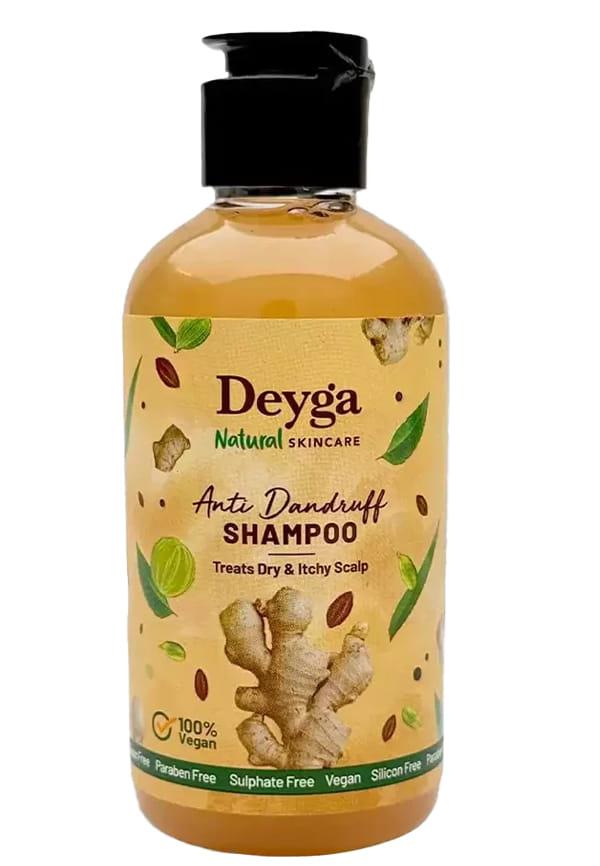
Intensive Scalp Repair Anti Dandruff Shampoo
Dandruff is manageable rather than permanently curable for most people. The underlying factors—like yeast sensitivity and oil production—are part of your scalp's natural ecosystem. With proper treatment, symptoms can be controlled long-term, but maintenance is typically required to prevent recurrence.
Focus on long-term management through consistent scalp care routine, stress reduction, and avoiding personal triggers. While "permanent" cures are rare, many people successfully manage dandruff for years with the right combination of treatments and lifestyle adjustments.
Use ketoconazole shampoo 3 times weekly for 2 weeks, apply diluted apple cider vinegar rinse after washing, and avoid heavy styling products during treatment. Quick improvement usually means 2-4 weeks rather than overnight results. Be patient—rushing the process often leads to scalp irritation.
While one-wash cures are unrealistic, baking soda paste (mix with water, apply for 10 minutes) followed by apple cider vinegar rinse provides immediate flake reduction. This combination helps exfoliate dead skin and balance pH, but you'll need repeated treatments for lasting results.
Dry scalp creates small, white flakes and feels tight, usually caused by lack of moisture. Dandruff produces larger, oilier flakes with itching and redness, caused by yeast overgrowth. Dry scalp needs moisturising treatments, while dandruff requires antifungal ingredients. Misidentifying the condition leads to using wrong treatments.
Absolutely. Stress increases cortisol production, which affects your scalp's oil production and immune response. This creates ideal conditions for the yeast that causes dandruff to multiply. Managing stress through exercise, meditation, or other techniques often improves scalp conditions alongside topical treatments.
Most people with dandruff benefit from washing 2-3 times per week with medicated shampoo. Daily washing can irritate your scalp, while washing too infrequently allows buildup. Adjust based on your hair type and oil production—oily scalps might need more frequent washing than dry ones.
Managing dandruff successfully comes down to understanding your specific scalp type and finding the right combination of treatments that work for your lifestyle. Whether you're dealing with simple flaking or more complex seborrheic dermatitis, the key is consistency and patience. Remember that what works for your friend might not work for you—scalp chemistry is surprisingly individual.
The most effective approach combines proven active ingredients with good scalp hygiene and stress management. Don't be afraid to experiment with different formulations until you find your perfect match. And if over-the-counter solutions aren't cutting it after six weeks of consistent use, there's no shame in seeking professional help.
Building a sustainable scalp care routine takes time, but the payoff is worth it—not just for your hair's appearance, but for your confidence too. Start with one or two changes rather than overhauling everything at once. Your scalp will thank you for the gentle, consistent approach. If you're curious about trying different dandruff shampoo formulations before committing to full-size bottles, Smytten offers trial-size versions of many anti-dandruff products from trusted brands—a smart way to find what works for your specific scalp needs without the guesswork.
