Dandruff Itch Causes FAQ: Everything About Scalp Irritation

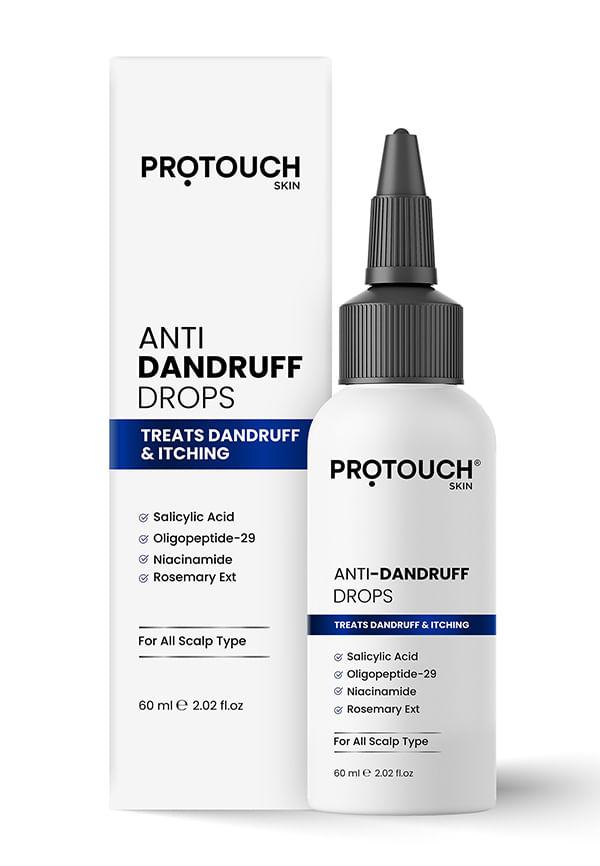
SKIN Anti Dandruff Drops Serum Soothes Itchy, Inflamed Scalp
Picture this: you're in the middle of an important meeting when that familiar tingle starts. Your scalp begins to itch, and suddenly all you can think about is scratching. Sound familiar? You're definitely not alone. That annoying combination of flaky scalp and relentless itching affects millions of people, and honestly, it's one of those things that can make you feel self-conscious at the worst possible moments. The good news? Understanding what's actually happening up there is the first step to getting real relief.
Let's get one thing straight—if you've got dandruff, the itching isn't just in your head (pun intended). There's actual science behind why those white flakes come with such an annoying side of scalp irritation. The main culprit? A tiny fungus called Malassezia that lives on everyone's scalp but sometimes gets a bit too comfortable.
When this fungus feeds on the natural oils your scalp produces, it creates byproducts that can trigger inflammation. Your skin basically throws a mini tantrum, leading to that characteristic combination of flaking and itching. The dandruff symptoms you're experiencing—those white or yellowish flakes plus the urge to scratch—are actually your scalp's way of trying to shed irritated skin cells faster than usual.
Here's what's considered normal: mild itching that comes and goes, especially when your scalp gets oily or you've skipped a few wash days. What's not normal? Intense itching that keeps you up at night, bleeding from scratching, or patches of thick, scaly skin. If you're dealing with any of these, it might be time to chat with a dermatologist because you could be looking at something more serious than basic dandruff.
Real talk—not all itchy scalps are created equal. While dandruff is probably the most common reason your head feels like it needs a good scratch, there are quite a few other troublemakers that might be causing your scalp irritation.
Seborrheic dermatitis is like dandruff's more intense cousin. It causes similar flaking but with added redness, oiliness, and sometimes even crusty patches. You'll often see it around your hairline, behind your ears, or in other oily areas of your face. Unlike regular dandruff, seborrheic dermatitis can be pretty stubborn and might need stronger treatment.
Then there's dry scalp, which gets confused with dandruff all the time but is actually quite different. With a dry scalp, you'll see smaller, drier flakes (think more like dust than the larger, oilier flakes of dandruff). This usually happens when your scalp isn't producing enough oil, often due to cold weather, over-washing, or using harsh products.
Contact dermatitis is another sneaky cause of scalp inflammation. This happens when your scalp has an allergic reaction to something in your haircare routine—could be a new shampoo, hair dye, or even that fancy styling product you just started using. The itching usually shows up within a day or two of using the offending product.
Psoriasis can also affect your scalp, creating thick, silvery scales that itch like crazy. Unlike dandruff, psoriasis patches tend to be well-defined and might extend beyond your hairline. There are also some rarer causes like fungal infections, autoimmune conditions, or even stress-related scalp issues that can trigger persistent itching.
Trying to figure out exactly what's going on with your scalp can feel like detective work, but there are some telltale signs that can help you narrow things down. The type of flakes you're seeing is actually a pretty good clue about what you're dealing with.
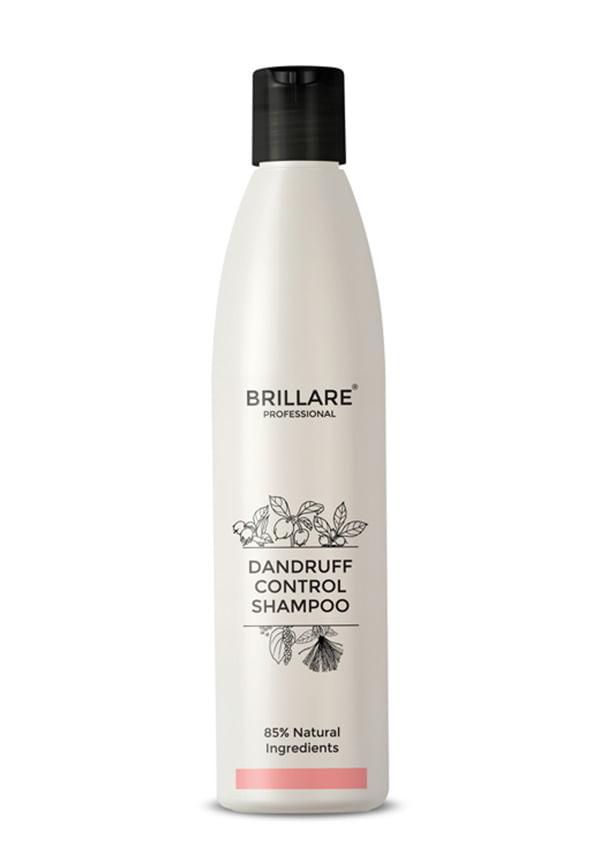
Dandruff Control Shampoo For Itchy, Flaky Scalp
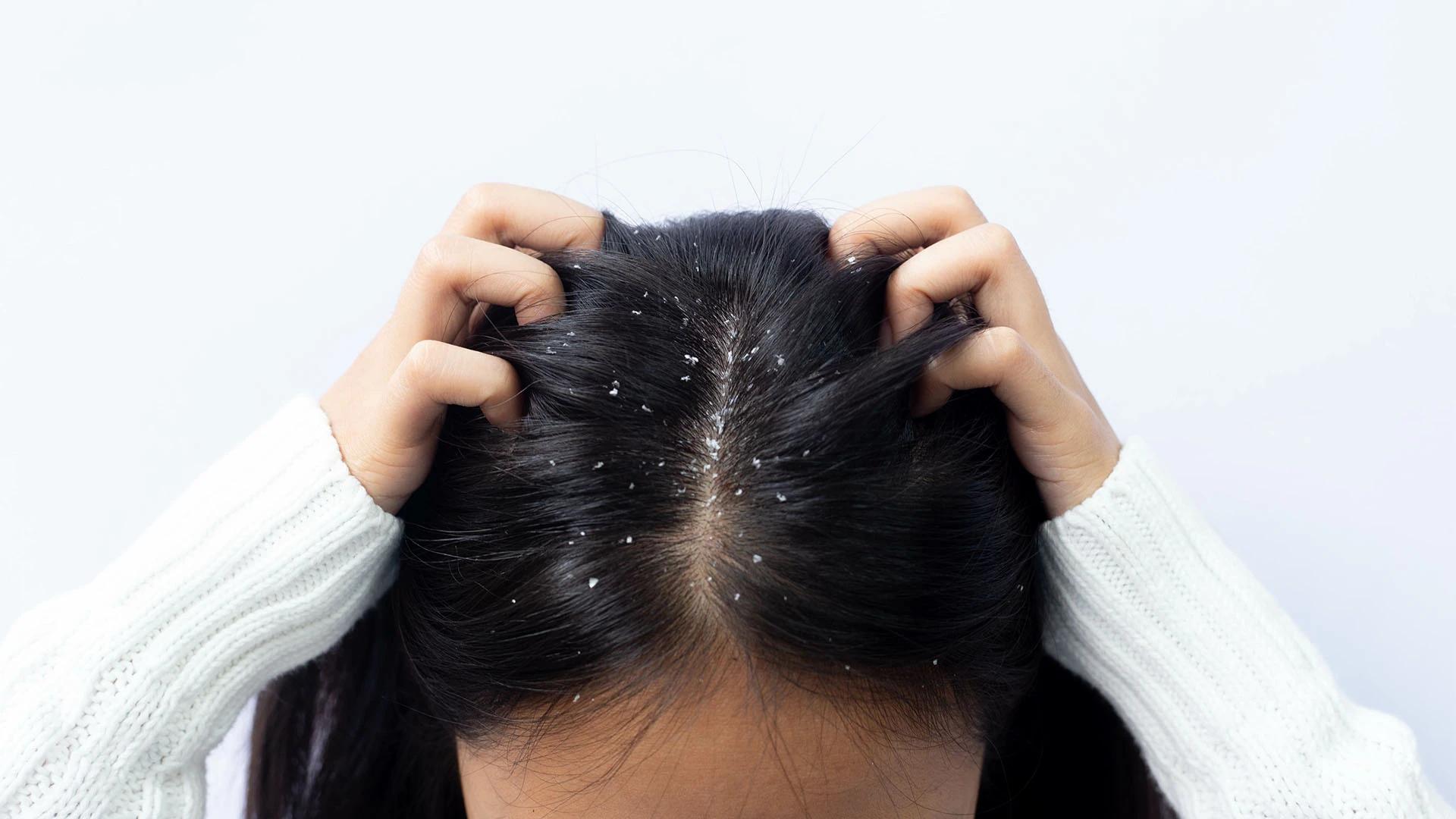
Classic dandruff flakes are usually white to yellowish, somewhat oily, and tend to be medium-sized. They'll stick to your hair a bit and might leave your scalp looking slightly red or irritated. If you're seeing smaller, drier flakes that brush off easily, you're probably dealing with a dry scalp instead.
Seborrheic dermatitis flakes are often larger, greasier, and yellowish. You might also notice red, inflamed patches underneath, and the flaking tends to be more concentrated in certain areas rather than spread evenly across your scalp.
Here's a quick self-check: Does the itching get worse when you're stressed? Do you notice more flakes after using certain products? Is the problem worse in winter or summer? These patterns can give you valuable clues about what's triggering your flaky scalp issues.
If over-the-counter treatments aren't helping after 4-6 weeks, or if you're dealing with severe itching, hair loss, or signs of infection, it's worth seeing a dermatologist. They can do proper testing and rule out more serious conditions.
Ever notice how your scalp seems to get extra itchy right when you're trying to fall asleep? You're not imagining it—there are actually several reasons why nighttime can make scalp irritation worse.
Your body's natural inflammatory responses tend to ramp up at night as part of your circadian rhythm. This means any existing scalp inflammation might feel more intense when you're lying in bed. Plus, when you're not distracted by daily activities, you're more likely to notice that persistent itch.
Your pillow and bedding can also be secret irritants. Fabric softeners, detergents, or even the material of your pillowcase might be triggering contact dermatitis. If you're using a lot of hair products during the day, they can transfer to your pillow and create a cycle of irritation.
Stress and hormonal changes also play a role. Evening is when many people process the day's stress, and stress hormones can definitely make existing scalp conditions worse. Hot showers before bed can also strip your scalp of natural oils, leading to dryness and itching later.
When your scalp is driving you absolutely mad with itching, you need relief now, not next week. Here are some tried-and-true methods that can give you immediate comfort while you work on longer-term solutions.
Cold therapy is your friend. A cold compress or even a bag of frozen peas wrapped in a thin towel can provide instant relief by numbing the itch sensation. You can also try rinsing your scalp with cool water—it won't cure the underlying problem, but it'll give you temporary peace.
Gentle scalp massage can help too, but emphasis on gentle. Use your fingertips (never your nails) to lightly massage your scalp in circular motions. This can improve blood circulation and provide some relief from the itching sensation.
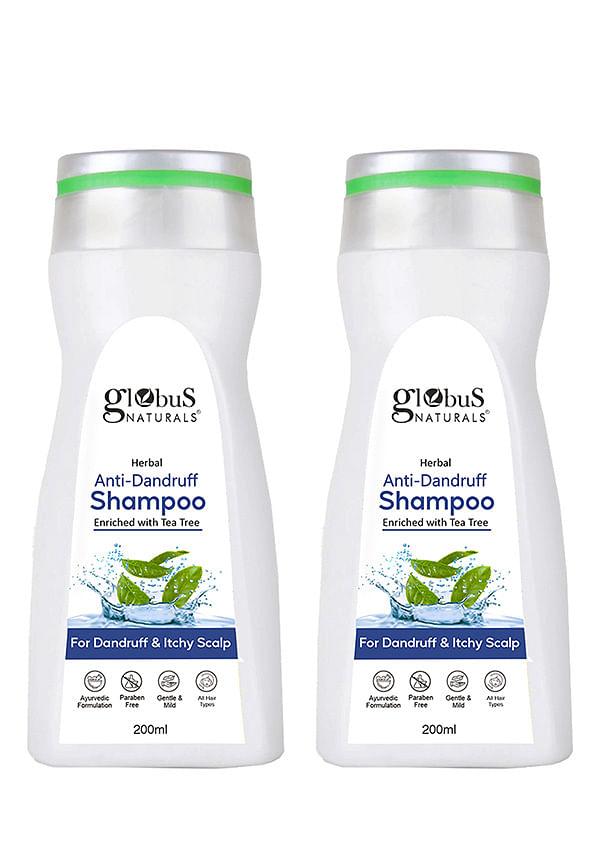
Anti Dandruff Shampoo, For Dandruff and Itchy Scalp
Aloe vera gel straight from the fridge can be incredibly soothing. Apply a small amount directly to itchy areas—just make sure it's pure aloe without added fragrances or alcohol that might make things worse.
Resist the urge to scratch, even though it feels impossible. Scratching can damage your scalp, lead to infections, and actually make the itching worse in the long run. Also avoid hot water, harsh scrubbing, or applying random home remedies without knowing what's causing your itch.
While quick fixes are great for immediate relief, the real goal is getting your scalp back to a happy, healthy state long-term. This means understanding what ingredients actually work and building a routine that keeps dandruff and itching at bay.
Medicated shampoos are often your best bet for persistent dandruff. Zinc pyrithione is probably the gentlest option—it's antifungal and anti-inflammatory, making it perfect for regular use. Ketoconazole is stronger and particularly effective against stubborn fungal overgrowth, though you might only need to use it a couple times a week.
Selenium sulfide works by slowing down skin cell turnover, which can help reduce flaking. Coal tar is one of the older treatments but still effective for really stubborn cases—just be aware it can be drying and might not smell the greatest.
Natural remedies can also play a supporting role in your haircare routine. Tea tree oil has antifungal properties, though it should always be diluted before use. Apple cider vinegar can help restore your scalp's pH balance, and coconut oil might help with dry scalp issues (though it can make oily scalp worse).
The key is consistency and patience. Most treatments need 4-6 weeks to show real results, and you might need to try a few different approaches before finding what works for your specific scalp situation.
Absolutely. The itching is actually a direct result of the scalp inflammation that causes dandruff in the first place. When the Malassezia fungus irritates your scalp, it triggers an inflammatory response that makes your skin feel itchy while also causing those characteristic flakes.
The most effective approach combines immediate relief methods with long-term treatment. For quick relief, try cold compresses or gentle scalp massage. For lasting results, use medicated shampoos with ingredients like zinc pyrithione or ketoconazole, and stick to a consistent routine for at least 4-6 weeks.
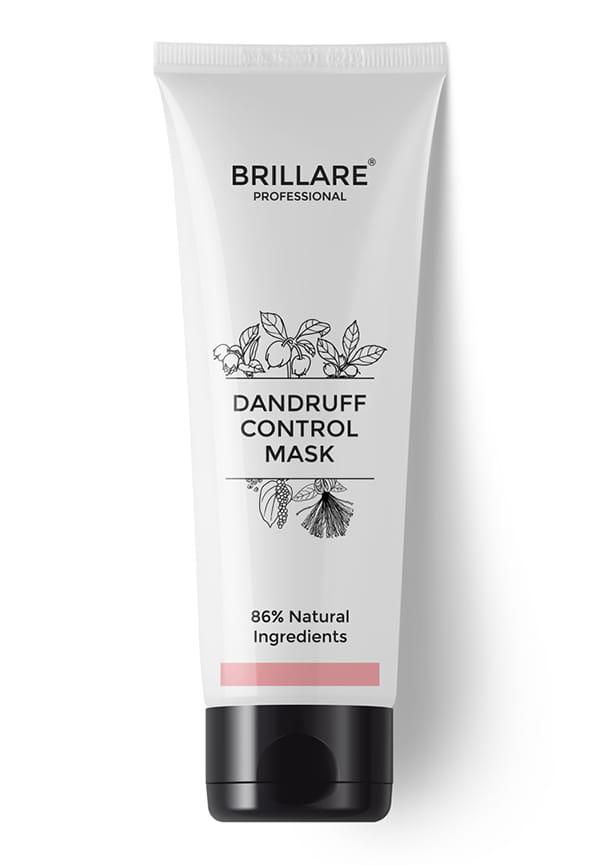
Conditioner For Itchy, Flaky Scalp
Tea tree oil has strong antifungal properties that can help control the Malassezia fungus responsible for dandruff. Apple cider vinegar can also help by restoring your scalp's natural pH balance. However, these natural remedies work best as part of a comprehensive treatment plan rather than standalone solutions.
Cold therapy is your best bet for instant relief. Apply a cold compress to itchy areas, rinse with cool water, or use chilled aloe vera gel. These methods work by temporarily numbing the itch sensation and reducing inflammation.
Yes, stress can definitely make dandruff worse. Stress hormones can increase oil production on your scalp and weaken your immune system's ability to keep the Malassezia fungus in check. Managing stress through exercise, meditation, or other relaxation techniques can be an important part of your dandruff treatment plan.
This could be due to several factors: you might be using water that's too hot, your shampoo could contain irritating ingredients, or you might not be rinsing thoroughly enough. Try using lukewarm water, switching to a gentler shampoo, and making sure you rinse for at least 30 seconds.
See a dermatologist if over-the-counter treatments haven't helped after 6 weeks, if you're experiencing severe itching that interferes with sleep, if you notice hair loss, or if you see signs of infection like pus, severe redness, or fever.
While there's no permanent "cure" for dandruff since it's often related to your scalp's natural oil production and sensitivity to Malassezia fungus, you can definitely keep it well-controlled with the right routine. Many people find that once they identify effective products and stick to a consistent regimen, their dandruff becomes much more manageable.
Dealing with dandruff and scalp itching doesn't have to be a constant battle. Understanding that the itch is a normal part of the dandruff process—caused by inflammation from fungal overgrowth—can help you choose the right treatments and set realistic expectations.
The most important thing is finding the right combination of immediate relief methods and long-term management strategies. Whether that's medicated shampoos, natural remedies, or lifestyle changes, consistency is key. Most treatments need several weeks to show results, so patience is definitely required.
Remember that not all itchy scalps are the same. If your symptoms don't improve with standard dandruff treatments, or if they're severe enough to disrupt your daily life, don't hesitate to consult a professional. Sometimes what looks like simple dandruff might actually be seborrheic dermatitis, psoriasis, or another condition that needs different treatment.
When you're ready to explore different treatment options, Smytten's curated selection includes various scalp care products from trusted brands. Not sure which approach might work for your specific scalp situation? Many of these products are available in trial sizes, letting you test different formulations before committing to full-size bottles—a smart way to find your perfect scalp care routine without the guesswork.
