Damaged Hair Repair Guide for Heat Styling: FAQ

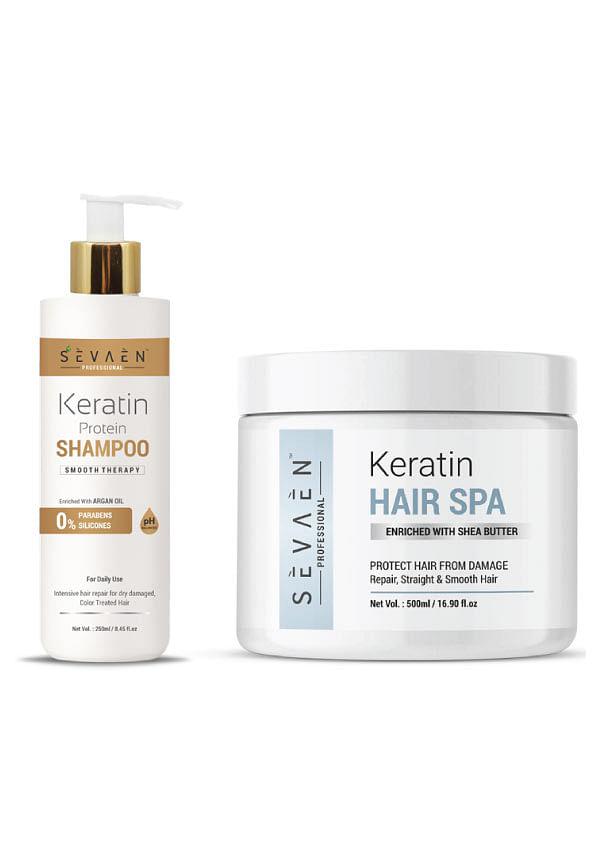
Keratin Shampoo And Hair Spa Cream For Hair Dry&Damage repair And strengthening&Smoothing Hair With Deep Conditioning Treatment
Soft & Shiny Hair
 5
5“Leaves hair very soft and shiny”
Positive Product Review
5“nice product........good to use”
Positive Spa Cream Review
4“nice products...... spa cream is very nice”
Let's be real—we've all been there. You're rushing to get ready, cranking up that straightener to maximum heat, or blasting your hair with the hottest blow dryer setting because you're already running late. Fast forward a few weeks, and your once-healthy locks are looking more like straw than silk. Heat styling damage is probably one of the most common haircare disasters, but here's the good news: it's totally fixable with the right approach. This damaged hair repair guide for heat styling will walk you through everything from spotting the warning signs to creating a recovery plan that actually works. Whether you're dealing with minor dryness or full-on fried hair, we've got your back. Plus, platforms like Smytten make it easier than ever to trial different repair products without committing to full sizes—because finding your perfect heat damage treatment shouldn't break the bank.
Heat damage shows up as split ends, brittleness, and loss of shine—catch it early for easier repair
Stop all heat styling immediately and focus on moisture restoration with deep conditioning masks
Recovery takes 3-6 months with consistent treatment including protein-moisture balance
Prevention is key: use heat protectants, lower temperatures, and embrace no-heat styling alternatives
Professional treatments can help severe damage, but many effective solutions work at home
Before diving into heat damaged hair treatment, you need to know what you're dealing with. Heat damage doesn't happen overnight—it's usually a gradual process that sneaks up on you until one day you're looking in the mirror wondering where your healthy hair went.
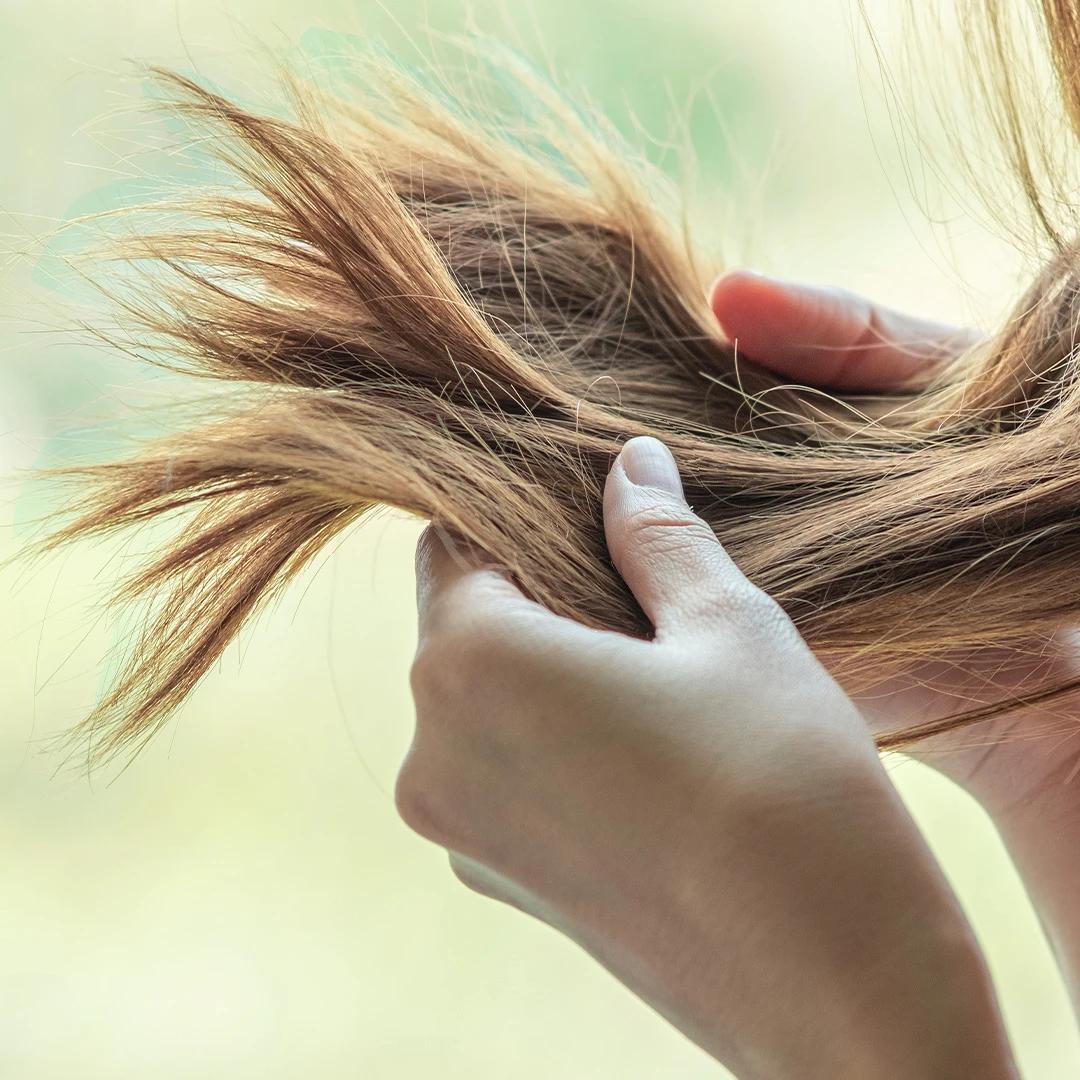
Your hair has its own way of telling you it's been through too much. Split ends are usually the first red flag, but they're just the beginning. When repairing hair from heat becomes necessary, you'll notice your strands feel rough to the touch, almost like they've lost their natural smoothness. The texture changes are pretty obvious once you know what to look for—healthy hair should have some bounce and elasticity when you gently stretch a strand.
Here's the science bit made simple: your hair is basically made of protein, and when you apply too much heat, those proteins start to break down. Think of it like cooking an egg—once those proteins change structure, there's no going back to the original state. The outer layer of your hair (the cuticle) gets damaged, which means moisture escapes more easily and your hair becomes more porous.
When you realise your hair is seriously heat damaged, your first instinct might be to panic. Don't. The first 48 hours are crucial for damage control, and there are some immediate steps you can take to stop things from getting worse.
Step one: put down the heat tools. Seriously, all of them. Your hair needs a break to start the healing process. Next, you want to flood your strands with moisture. This isn't the time for your regular conditioner—you need something much more intensive.
If your hair feels like straw, you're dealing with severe moisture loss. Overnight treatments can work wonders here. Apply a thick, moisture-rich mask from mid-length to ends, wrap your hair in a silk scarf or use a silk pillowcase, and let it work its magic while you sleep. Some people swear by DIY treatments using ingredients like honey and olive oil, but honestly, a good quality deep conditioning mask will be more effective.
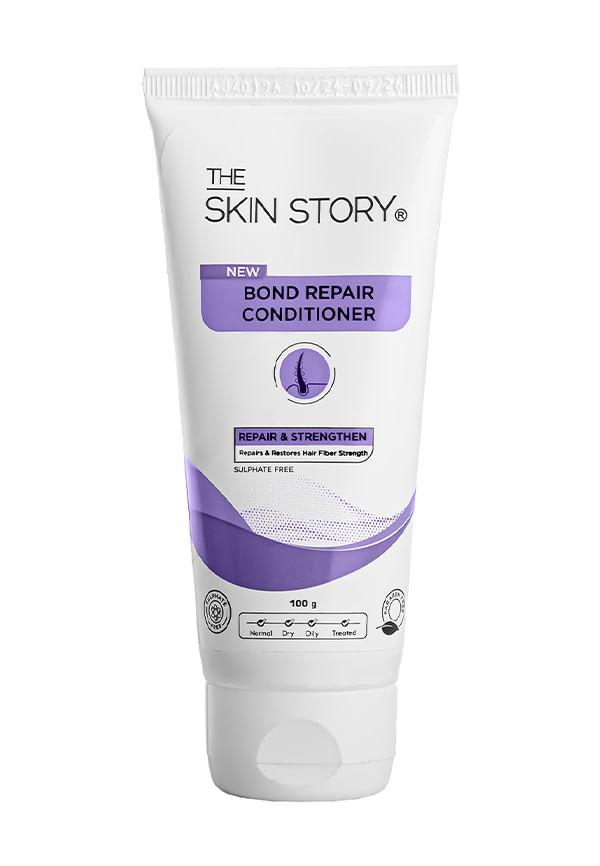
Sulphate Free Bond Repair Conditioner For Damage Repair Hair
Real talk: fixing heat damage isn't a quick fix situation. It's more like a fitness programme for your hair—consistency is everything, and you need to stick with it to see results. Here's your roadmap to healthier hair.
Start with the basics: gentle cleansing and intensive conditioning. Switch to a sulfate-free shampoo that won't strip your already damaged hair of its natural oils. Your hair care for heat styling recovery should focus on being as gentle as possible during this phase.
This is where the real work happens. Weekly deep conditioning masks become non-negotiable, and you might want to introduce protein treatments if your hair is feeling particularly weak. The key is finding the right balance—too much protein can make hair brittle, while too much moisture can make it limp.
By now, you should start seeing some improvement. This phase is about maintaining your progress and preventing future damage. Regular trims every 6-8 weeks will help remove any remaining damaged ends and keep your hair looking healthy as it grows.
Finding the right products for repairing hair from heat can feel overwhelming, especially when every brand claims to have the miracle cure. The truth is, different types of damage need different approaches, and what works for your friend might not work for you.
Sulfate-free shampoos are your new best friend. Look for ingredients like keratin, argan oil, or coconut oil. Deep conditioning masks should be protein-based if your hair feels mushy when wet, or moisture-based if it feels dry and brittle. Leave-in treatments are perfect for daily protection—they create a barrier between your hair and environmental damage.
You don't need to spend a fortune to restore heat damaged hair effectively. Many drugstore brands offer excellent repair products that work just as well as their expensive counterparts. The key is reading ingredient lists and understanding what your hair actually needs. Sometimes a ₹300 mask works better than a ₹3000 one—it's all about finding what suits your hair type.
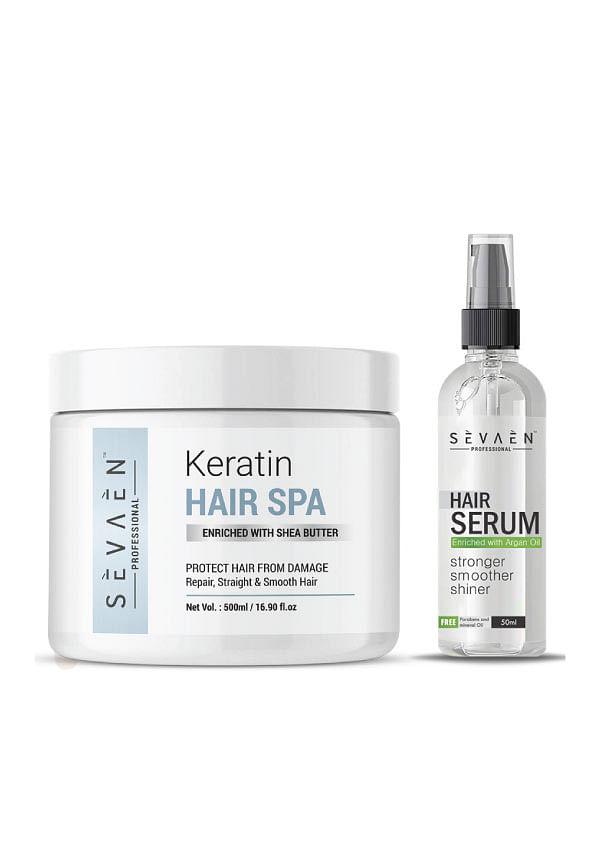
Keratin Hair Spa Cream And Hair Serum For Hair Dry&Damage repair And strengthening&Smoothing Hair With Deep Conditioning Treatment
Best Product Ever
5“best product ever loved it !!!!!”
Unexpectedly good, very moisturizing
5“I didn’t expect it to turn out so good. The mask is sooo mosturizing, that I am going to buy this again and again. ”
Effective Hair Combo
4“Nice combo for hair and also effictive”
Once you've gone through the process of repairing heat damage, you'll want to make sure it never happens again. Prevention really is better than cure, and there are some simple strategies that can help you prevent heat damage hair while still enjoying your styling tools.
Most people use way too much heat. Fine hair should never go above 250°F, medium hair can handle up to 300°F, and thick, coarse hair can go up to 350°F maximum. If you're not sure what temperature your tools are set to, invest in ones with adjustable heat settings—your hair will thank you.
Hair styling heat protection starts before you even pick up your tools. Always apply a heat protectant to damp hair, focusing on the mid-lengths and ends where damage is most likely to occur. Make sure your hair is completely dry before using straighteners or curling irons—wet hair and high heat are a recipe for disaster.
Sometimes the best way to prevent heat damage hair is to avoid heat altogether. Overnight braids, foam rollers, and air-drying techniques can give you gorgeous results without any thermal damage. It might take some practice to master these methods, but your hair will be much healthier in the long run.
When basic treatments aren't cutting it, you might need to bring in the big guns. There are some advanced techniques for dealing with severe heat damage, both professional and at-home options that can help restore heat damaged hair more effectively.
Keratin treatments can help smooth damaged cuticles and add a protective layer to your hair. Bond-building treatments like Olaplex work at a molecular level to repair broken hair bonds. These treatments can be expensive, but they're often worth it for severely damaged hair that isn't responding to at-home care.
Hot oil treatments using coconut, argan, or jojoba oil can penetrate the hair shaft and provide deep conditioning. Scalp massage improves blood circulation, which can help with overall hair health. Some people find success with DIY protein treatments using ingredients like yogurt and honey, though these should be used sparingly to avoid protein overload.
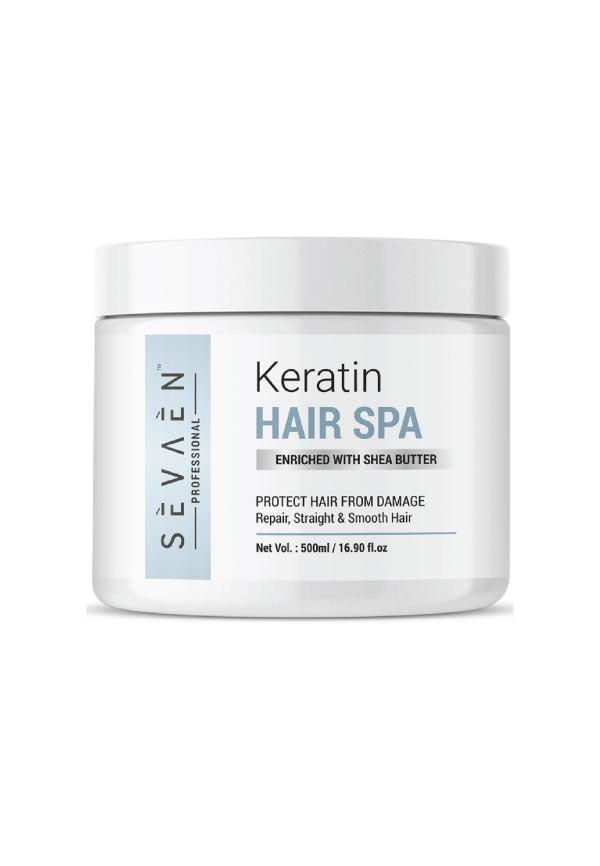
Keratin Hair Spa Cream For Hair Dry&Damage repair And strengthening&Smoothing Hair With Deep Conditioning Treatment
Superb for Hair
5“Superb soo good cant explain mu hair feels soo good now ”
Superb for Hair
5“Superb soo good cant explain mu hair feels soo good now ”
Superb for Hair
5“Superb soo good cant explain mu hair feels soo good now ”
Hair recovery after heat styling typically takes 3-6 months with consistent treatment. The timeline depends on the severity of damage and how well you stick to your repair routine. Mild damage might improve in 6-8 weeks, while severe damage could take longer.
It's best to avoid heat tools completely for the first 2-4 weeks of treatment. After that, you can gradually reintroduce them with proper heat protection and lower temperatures. Always use a heat protectant and never exceed 300°F during the repair phase.
Protein treatments help strengthen weak, brittle hair by filling in gaps in the hair shaft. Moisture treatments focus on hydration and are better for dry, frizzy hair. Most damaged hair needs both, but the balance depends on your specific type of damage.
Regular trims every 6-8 weeks help remove split ends and prevent further damage from travelling up the hair shaft. While it might seem counterproductive when you're trying to grow your hair, regular trims actually help maintain healthier length.
Not necessarily. While some high-end products do contain superior ingredients, many affordable options work just as well. The key is finding products with the right ingredients for your hair type and damage level. Platforms like Smytten let you trial different products before committing to full sizes, which is perfect for finding what works without wasting money.
While you can significantly improve the appearance and feel of heat damaged hair, severe damage to the hair shaft is technically permanent. However, with proper treatment, your hair can look and feel healthy again, and new growth will be undamaged if you follow prevention strategies.
Repairing heat damaged hair is definitely possible, but it requires patience, consistency, and the right approach for your specific type of damage. The most important thing is to stop further damage immediately by eliminating or drastically reducing heat styling. Focus on restoring moisture and protein balance through targeted treatments, and don't expect overnight results—good hair recovery takes time. Prevention strategies like using heat protectants, lowering tool temperatures, and embracing no-heat styling methods will help protect your hair once it's healthy again. Remember that everyone's hair is different, so what works for someone else might not work for you. It's worth experimenting with different products and techniques to find your perfect repair routine.
Finding the right products for your heat damage repair journey doesn't have to involve expensive guesswork. Smytten is India's largest product discovery and trial platform, connecting consumers with top lifestyle, beauty, wellness, and grooming brands. With curated trial packs from over 2,400 trusted brands such as Cetaphil, Dot & Key, WishCare, and Love, Beauty & Planet, you can explore different haircare solutions before committing to full-size purchases. Each mini is linked with Trial Points, and users can get up to 10 Trial Points for just ₹279. Plus, Smytten offers 100% cashback on the purchase of these minis, redeemable in the shop section for future orders, making product discovery both affordable and rewarding. When you find a heat damage treatment that actually works for your hair, buying the full-size version is just a click away. With over 28 million users and 100% authentic products directly sourced from brands, Smytten helps you make smarter, more confident choices for your hair recovery journey. After all, why settle for 'maybe' when you can #TryItAll!
