Daily Monsoon Hair Care FAQ: Humidity & Frizz Solutions


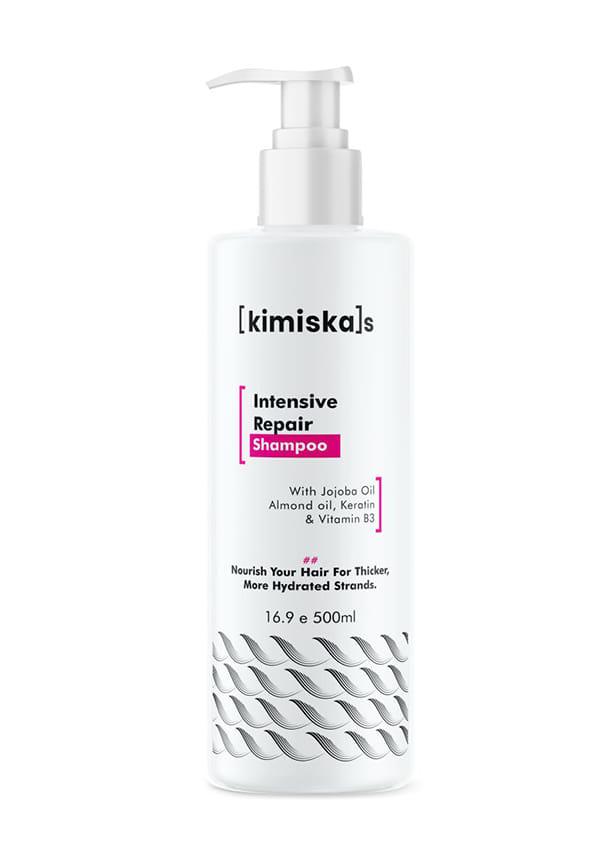
Intensive Hair Repair Shampoo for Dry and Frizzy Hair
You know that feeling when you step out with perfectly styled hair, only to have the monsoon humidity turn it into a frizzy mess within minutes? We've all been there. The rainy season brings its own set of hair challenges — from uncontrollable frizz to stubborn hair fall and that perpetually greasy scalp that just won't quit. But here's the thing: with the right daily monsoon hair care routine, you can actually work with the weather instead of fighting against it. Let's dive into everything you need to know about keeping your hair happy during India's most humid months.
Real talk — humidity is basically your hair's arch-nemesis. When the air is loaded with moisture (which it definitely is during monsoon), your hair acts like a tiny sponge, absorbing all that extra water and expanding in ways you never signed up for. This is especially true if you have naturally porous or chemically treated hair, which is already more vulnerable to environmental changes.
The science bit is actually quite fascinating. Your hair shaft has tiny scales called cuticles that lie flat when your hair is healthy. But when humidity strikes, these cuticles lift up to let moisture in, causing your hair to swell and creating that dreaded frizz. Hair care for humidity becomes crucial because this constant swelling and shrinking can weaken your hair structure over time.
Different hair types react differently to monsoon madness. If you've got naturally coarse or curly hair, you're probably already familiar with frizz, but humidity can make it ten times worse. Fine hair, on the other hand, might become limp and greasy faster because the moisture weighs it down. And if you've recently coloured or chemically treated your hair? Well, those cuticles are already compromised, making them even more susceptible to humidity's effects.
Beyond frizz, monsoon brings other unwelcome guests: increased hair fall (thanks to weakened roots from constant moisture), scalp infections (because damp conditions are a breeding ground for fungi), and that annoying cycle of washing your hair more often only to have it look greasy again by evening. Understanding these challenges is the first step towards building an effective frizzy hair solutions strategy.
Building a solid daily monsoon hair care routine is like creating a shield against humidity. It's not about using more products — it's about using the right ones at the right time. Your morning and evening routines during monsoon should be slightly different from your regular hair care approach, focusing more on protection and moisture balance.
Start your day by applying a lightweight leave-in conditioner or anti-frizz serum to damp (not wet) hair. This creates a protective barrier that helps lock moisture in while keeping excess humidity out. Focus on the mid-lengths and ends, avoiding the roots if you have oily hair.
Your evening routine should focus on cleansing away the day's humidity and pollution. If you've been caught in the rain, don't just towel-dry and hope for the best. Gently cleanse your scalp with a mild shampoo, follow with a lightweight conditioner, and always finish with a wide-tooth comb to prevent breakage.
Weekly deep conditioning becomes non-negotiable during monsoon. Choose a protein-moisture balanced mask that can repair daily humidity damage without weighing your hair down. Apply it once a week, focusing on damaged areas, and always rinse thoroughly to prevent product buildup.
Here's a monsoon hair care tip that many people miss: if you get caught in unexpected rain, don't panic. Gently squeeze out excess water with a microfibre towel, apply a small amount of leave-in treatment, and let your hair air-dry as much as possible. Avoid aggressive towel-drying or immediate heat styling, as wet hair is more vulnerable to damage.
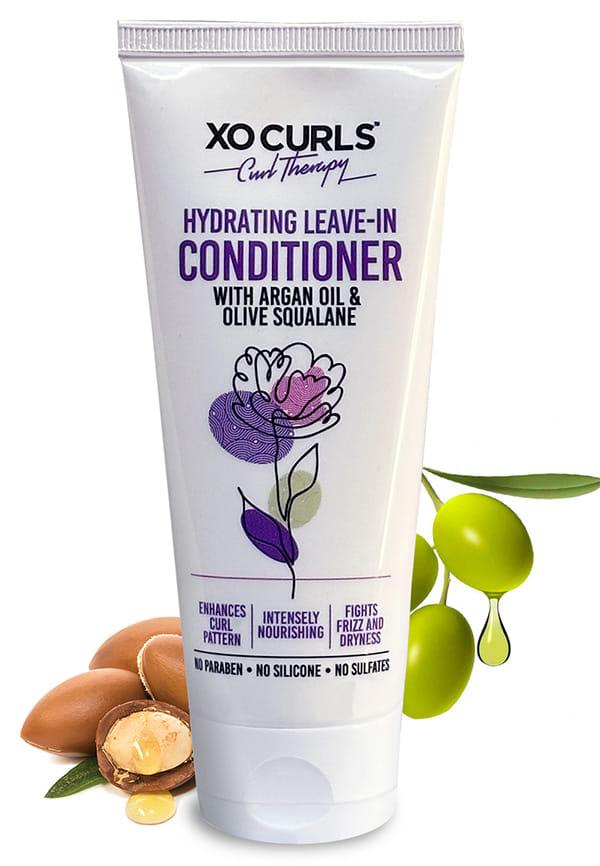
Hydrating Leave In Conditioner With Argan Oil And Olive Squalane To Tame Dryness & Frizz
Your scalp deserves special attention during monsoon because it's dealing with a perfect storm of excess oil production, trapped moisture, and potential fungal growth. Managing an oily scalp during monsoon requires a delicate balance — you need to cleanse effectively without over-stripping, which can actually trigger more oil production.
If you're dealing with an oily scalp during monsoon, consider washing your hair every alternate day rather than daily. Use a gentle, sulfate-free shampoo that cleanses without being harsh. Look for ingredients like tea tree oil, neem, or salicylic acid, which have natural antifungal properties and can help prevent scalp infections monsoon season often brings.
Scalp infections during monsoon are more common than you'd think. The combination of humidity, sweat, and trapped moisture creates an ideal environment for fungi and bacteria. Keep your scalp as dry as possible, especially after getting wet in the rain.
Hair cleansing during monsoon should focus on thorough but gentle removal of buildup. If you notice any itching, flaking, or unusual odour, don't ignore it. These could be early signs of a scalp infection that needs attention. A weekly scalp scrub with gentle exfoliating ingredients can help remove dead skin cells and prevent clogged follicles.
One effective scalp detox method involves mixing equal parts apple cider vinegar and water, applying it to your scalp before shampooing, and letting it sit for 5-10 minutes. This helps balance your scalp's pH and removes product buildup that can trap moisture and bacteria.
Not all hair is created equal, especially when it comes to handling monsoon madness. Your hair type determines not just which products to use, but how often to use them and in what combination. Let's break down targeted approaches for different hair concerns during the rainy season.
For dry hair during monsoon, the challenge is adding moisture without making your hair a magnet for humidity. Look for lightweight oils like argan or jojoba that can penetrate the hair shaft without sitting on top. Apply these oils to damp hair, focusing on the ends, and avoid the roots to prevent greasiness.
Hair fall control during monsoon requires a multi-pronged approach. The constant moisture can weaken hair follicles, while the tendency to tie wet hair up (because who has time to dry it properly?) can cause breakage. Gentle handling becomes crucial — use silk or satin scrunchies, avoid tight hairstyles when hair is wet, and never brush wet hair aggressively.
Strengthening treatments with ingredients like biotin, keratin, or rice protein can help fortify your hair against monsoon damage. Apply these treatments to clean, damp hair and focus on the areas where you notice the most breakage — usually around the hairline and ends.
If you have colour-treated hair, monsoon can be particularly challenging because the humidity can cause colour to fade faster and make your hair more porous. Use colour-safe products exclusively, and consider a weekly gloss treatment to seal the cuticles and lock in colour.
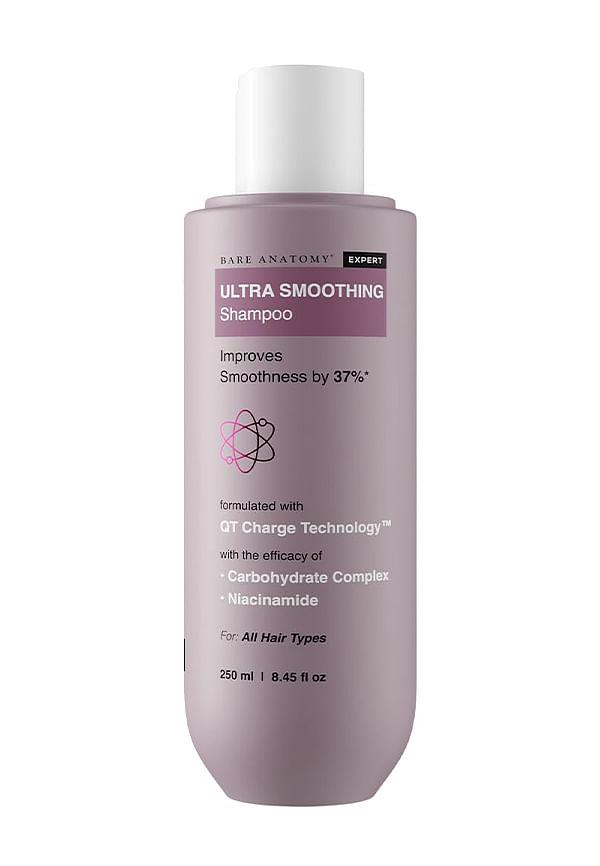
Ultra Smoothing Shampoo for Dry and Frizzy Hair
Navigating monsoon hair products can feel overwhelming, but focusing on key ingredients makes the choice easier. During humid weather, your product selection should prioritise humidity resistance, lightweight moisture, and scalp health.
For shampoos, look for gentle cleansers that won't strip your hair but will effectively remove buildup. Ingredients like coconut-derived surfactants are milder than traditional sulfates but still provide good cleansing power. If you have an oily scalp, clarifying shampoos once a week can help reset your scalp without daily over-cleansing.
Anti-frizz hair serums are your best friend during monsoon, but choosing the right one matters. Silicone-based serums create an effective barrier against humidity but can build up over time, requiring regular clarifying. Natural alternatives with ingredients like flaxseed gel or aloe vera provide frizz control without the buildup but might need more frequent reapplication.
Leave-in treatments during monsoon should be lightweight but effective. Look for products with humectants like glycerin (but not as the first ingredient, as it can attract too much moisture in very humid conditions) and film-forming ingredients that create a protective barrier.
DIY solutions can be incredibly effective and budget-friendly. A simple frizz-control spray made with distilled water, a few drops of your favourite oil, and a tiny amount of gel can work wonders. The key is finding the right ratio for your hair type through experimentation.
Deciding between professional treatments and at-home care during monsoon depends on your hair's condition, budget, and time constraints. Professional treatments like keratin smoothing or deep conditioning can provide longer-lasting results, but they require maintenance and can be expensive.
Salon treatments excel at addressing severe humidity damage or providing intensive repair that's hard to achieve at home. A professional scalp treatment can be particularly beneficial if you're dealing with persistent scalp issues during monsoon. However, the key to maintaining salon results lies in your daily routine and product choices.
At-home alternatives have come a long way and can be surprisingly effective. Weekly protein treatments, regular oil massages, and consistent use of quality products can maintain healthy hair throughout monsoon. The advantage of at-home care is consistency — you can address your hair's needs as they change rather than waiting for your next salon appointment.
Cost-wise, investing in a few high-quality at-home products often provides better value than frequent salon visits. However, if your hair is severely damaged or you're dealing with persistent scalp issues, professional intervention might be necessary to get back on track.
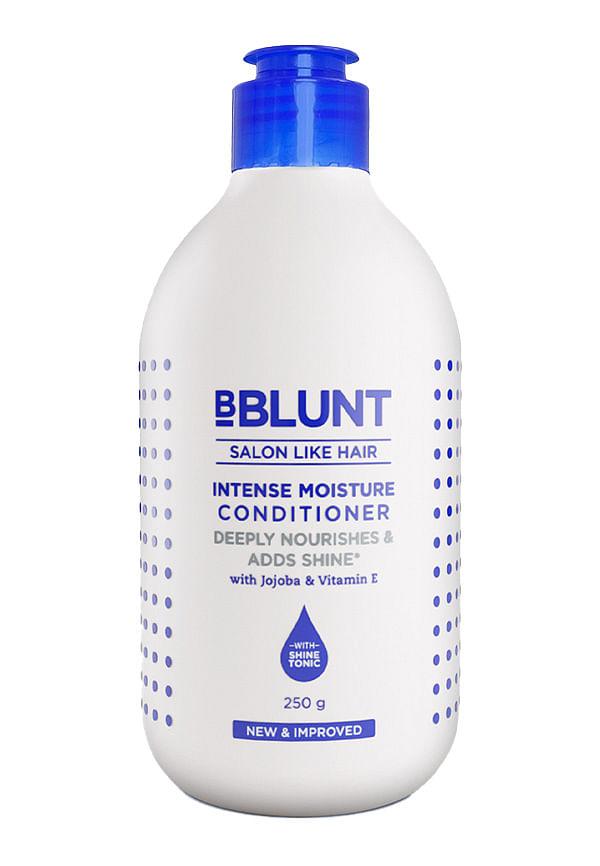
Intense Moisture Conditioner with Vitamin E & Jojoba for Dry & Frizzy Hair
The frequency depends on your hair type and scalp condition. If you have oily hair or scalp, washing every alternate day might be necessary during peak humidity. For dry or normal hair, 2-3 times a week is usually sufficient. Pay attention to how your scalp feels rather than following a rigid schedule — if it feels itchy or greasy, it's time for a wash.
Humidity causes your hair cuticles to lift and absorb moisture from the air, leading to swelling and frizz. This is especially pronounced in damaged, porous, or naturally textured hair. The key is creating a barrier with the right products and maintaining optimal moisture balance in your hair.
Yes, but choose lightweight oils and apply them strategically. Avoid heavy oils like coconut oil on the scalp if you're prone to greasiness. Instead, use lighter oils like argan or jojoba on the mid-lengths and ends. Apply oil to slightly damp hair for better absorption and easier washing.
Avoid products with high glycerin content as the first ingredient, as it can attract too much moisture in very humid conditions. Heavy silicones can also build up faster during monsoon. Instead, look for lightweight, water-soluble ingredients that provide protection without weighing your hair down.
Keep your scalp clean and dry, avoid tying up wet hair for extended periods, and use antifungal ingredients like tea tree oil or neem in your hair care routine. If you get caught in the rain, cleanse your scalp as soon as possible and ensure it's completely dry before styling.
Air drying is ideal, but if you must use heat, apply a heat protectant and use the lowest effective temperature. Gently squeeze out excess water with a microfibre towel, apply leave-in treatment, and let your hair dry naturally as much as possible. Avoid going to bed with wet hair, as this can lead to scalp issues.
You don't need a complete overhaul, but adjustments are helpful. Focus more on humidity protection, scalp health, and gentle cleansing. You might need to wash more frequently, use lighter products, or add anti-frizz treatments to your routine. The key is adapting to your hair's changing needs.
Mastering daily monsoon hair care isn't about fighting the weather — it's about working with it intelligently. The key lies in understanding how humidity affects your specific hair type and adjusting your routine accordingly. Focus on creating protective barriers, maintaining scalp health, and choosing products that provide moisture balance without weighing your hair down.
Remember, consistency matters more than perfection. A simple routine followed regularly will give you better results than an elaborate regimen you can't maintain. Pay attention to how your hair responds to different approaches and don't be afraid to adjust your strategy as the season progresses.
Whether you're dealing with frizz, hair fall, or scalp issues, the solutions exist — it's just about finding the right combination for your unique hair needs. Not sure which products might work best for your hair type? Smytten also offers trial-size versions of many haircare products from trusted brands — a smart way to test different formulations before committing to full-size bottles.
