Daily Hair Care Steps FAQ: Your Routine Questions Answered

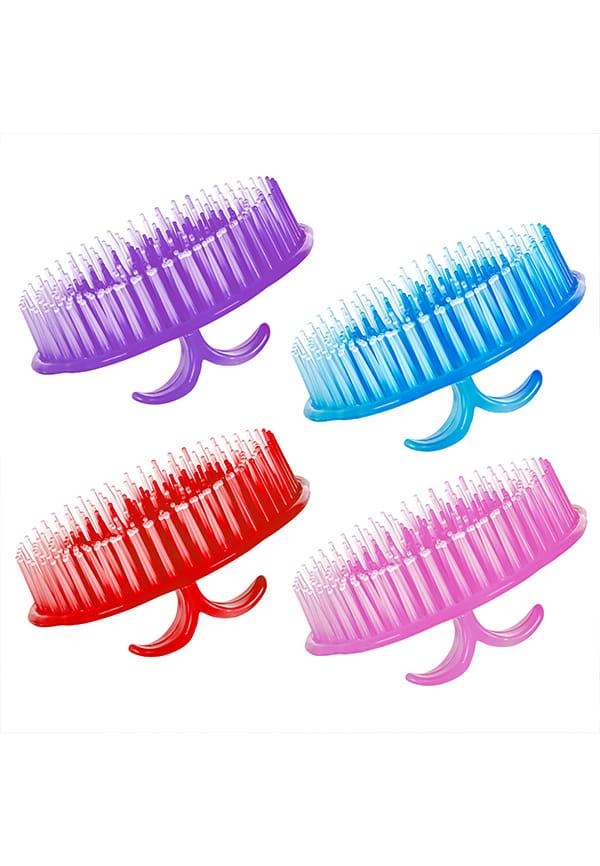
Hand Grip Round Comb & Scalp Massager | Small Round Hair Comb Shampoo Brush Scalp Massage
Ever stood in front of the mirror wondering why your hair looks dull despite using that expensive shampoo? You're definitely not alone. Most of us have been there—buying products that promise the world but somehow missing the mark on the basics. The thing is, great hair isn't just about what you use, it's about how you use it. And honestly, the daily steps matter way more than we give them credit for. Let's sort through the confusion and get your routine working for you, not against you.
Real talk—your hair doesn't need a 12-step routine to look good. What it needs is consistency with the right basics. Think of daily hair care like brushing your teeth: simple steps that compound over time to give you results worth obsessing over.
The core daily maintenance starts before you even step into the shower. Gentle detangling with a wide-tooth comb prevents unnecessary breakage when your hair is wet and most vulnerable. Work from the ends up to the roots—this technique distributes natural oils and reduces the tugging that leads to split ends.
Strategic cleansing is where most people go wrong. Washing every day strips your scalp of natural oils, leaving your hair dry and your scalp overcompensating with excess oil production. The sweet spot for most hair types is every 2-3 days, though this varies based on your hair's thickness, texture, and lifestyle.
When you do wash, focus the shampoo on your scalp—not the lengths of your hair. Your scalp produces the oils and collects the buildup, whilst the lengths get clean from the shampoo running down during rinsing. Follow with conditioner applied from mid-length to ends, avoiding the roots to prevent greasiness.
The drying process can make or break your hair's health. Swap that rough cotton towel for a microfiber one or even a cotton t-shirt. These materials are gentler and reduce friction that causes frizz and breakage. Pat, don't rub, and let your hair air-dry whenever possible.
Not everything needs to happen every day. Daily steps should focus on protection and gentle maintenance—detangling, applying leave-in treatments, and using heat protection if you're styling. Weekly routines include deep conditioning treatments and scalp massages to boost circulation. Monthly maintenance covers clarifying treatments to remove product buildup and protein treatments for strengthening.
Finding your optimal washing frequency is like finding your perfect coffee order—it takes some experimenting, but once you know, you know. Fine or oily hair typically needs washing every other day because oil travels down the hair shaft more quickly. Normal hair usually thrives with washing 2-3 times per week, whilst thick, curly, or chemically-treated hair often does best with 1-2 washes weekly.
Water temperature matters more than you might think. Hot water feels amazing but strips natural oils and can irritate your scalp. Lukewarm water opens the hair cuticle just enough for effective cleansing without overdoing it. End with a cool rinse to seal the cuticle and add shine.
Your shampooing technique should focus on massaging the scalp with your fingertips—never your nails. This stimulates blood flow and effectively removes buildup without causing irritation. Spend about 30 seconds really working the product through your scalp before rinsing thoroughly.
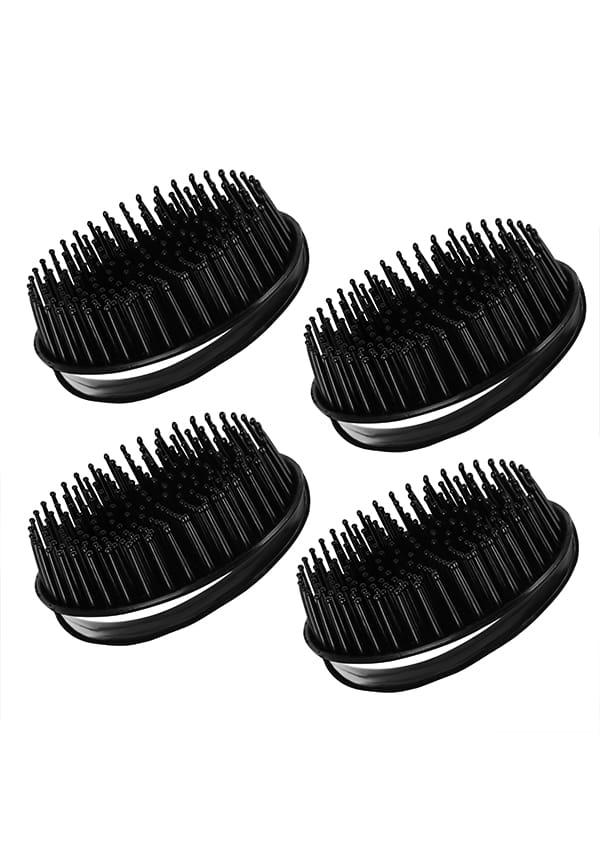
Hand Grip Round Comb & Scalp Massager | Small Round Hair Comb Shampoo Brush Scalp Massage
Over-washing is probably the biggest mistake people make. It creates a cycle where your scalp produces more oil to compensate for what's being stripped away, leading to greasier hair that seems to need daily washing. Breaking this cycle takes patience—your scalp needs 2-3 weeks to adjust to a new routine.
Another common error is using the wrong products for your hair type. Clarifying shampoos are brilliant for removing buildup but shouldn't be used daily. Sulfate-free formulas are gentler for regular use, especially if your hair is colour-treated or naturally dry.
Conditioning isn't just about making your hair soft—it's about maintaining the hair's moisture balance and protecting it from environmental damage. The key is applying conditioner correctly: from mid-length to ends, avoiding the roots where your natural oils already provide moisture.
Leave the conditioner on for 2-3 minutes to allow the ingredients to penetrate the hair shaft. This isn't the time to rush—those few minutes make a real difference in how your hair feels and behaves throughout the day.
Weekly deep conditioning treatments are your hair's equivalent of a spa day. Hair masks work best on clean, damp hair and should be left on for 5-20 minutes depending on the product and your hair's needs. If your hair is particularly dry or damaged, you can enhance the treatment by covering your hair with a shower cap and applying gentle heat with a blow dryer for a few minutes.
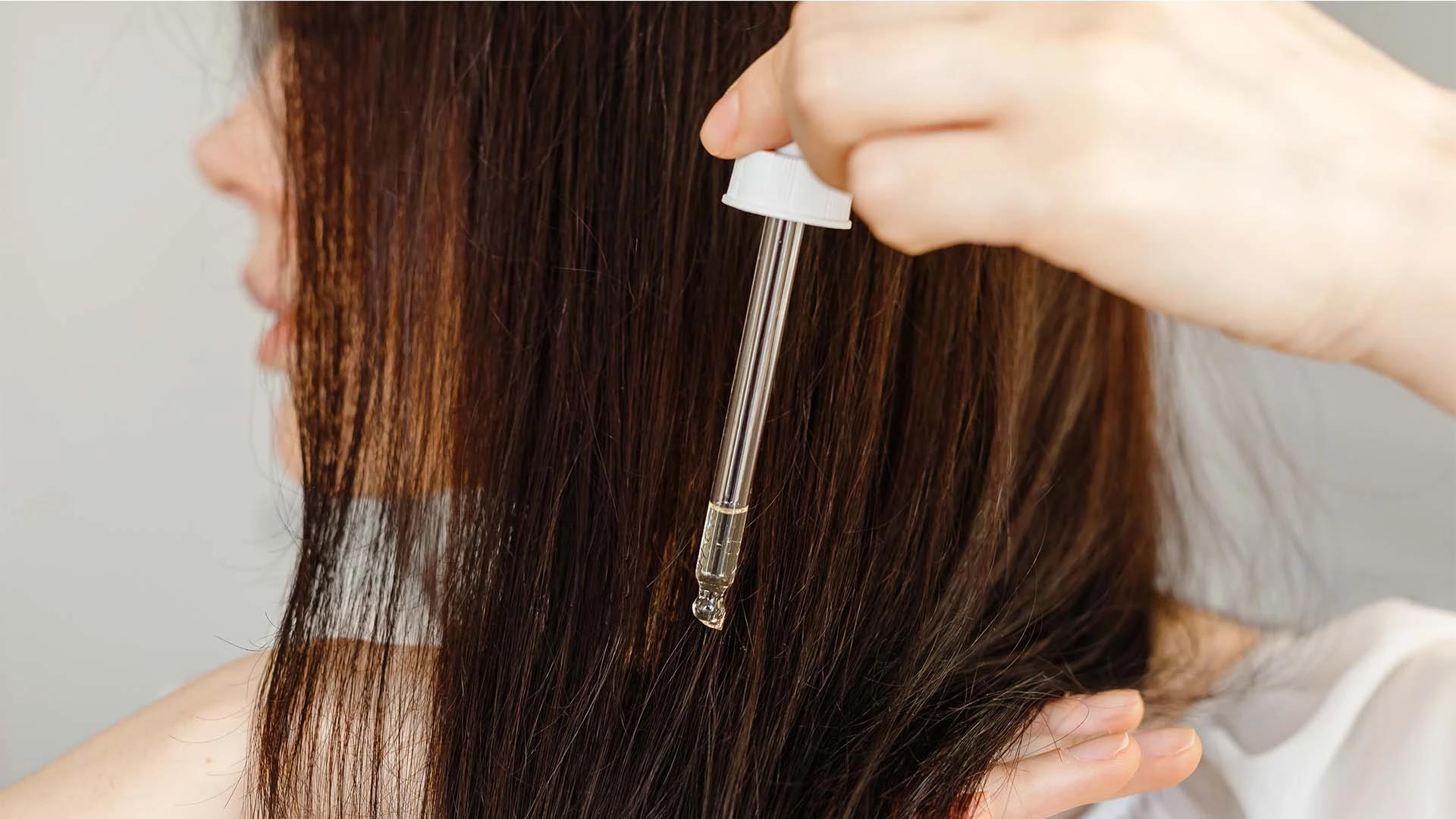
Your scalp needs attention too, but different attention than your hair lengths. Whilst you avoid applying regular conditioner to your roots, your scalp benefits from weekly oil treatments or scalp-specific serums. Gentle massage with oils like argan or jojoba can improve circulation and maintain scalp health without weighing down your hair.
Heat-free styling is your hair's best friend. Overnight techniques like loose braids, twist-outs, or pin curls can give you gorgeous texture without any damage. The trick is working with your hair's natural pattern rather than fighting against it.
When you do use heat tools, temperature control is crucial. Fine hair should stay below 150°C, whilst thicker hair can handle up to 180°C. Always use a heat protectant—it's not optional. Apply it to damp hair before blow-drying or to dry hair before using hot tools.
Protective styling for daily wear means choosing styles that don't put tension on your hairline or cause breakage. Loose ponytails, gentle clips, and silk scrunchies are much kinder to your hair than tight elastics or metal accessories.
Less is often more when it comes to styling products. Start with a small amount and build up if needed. Apply products to damp hair for even distribution, and remember that different hair types absorb products differently—fine hair needs lighter formulas whilst thick hair can handle richer creams.
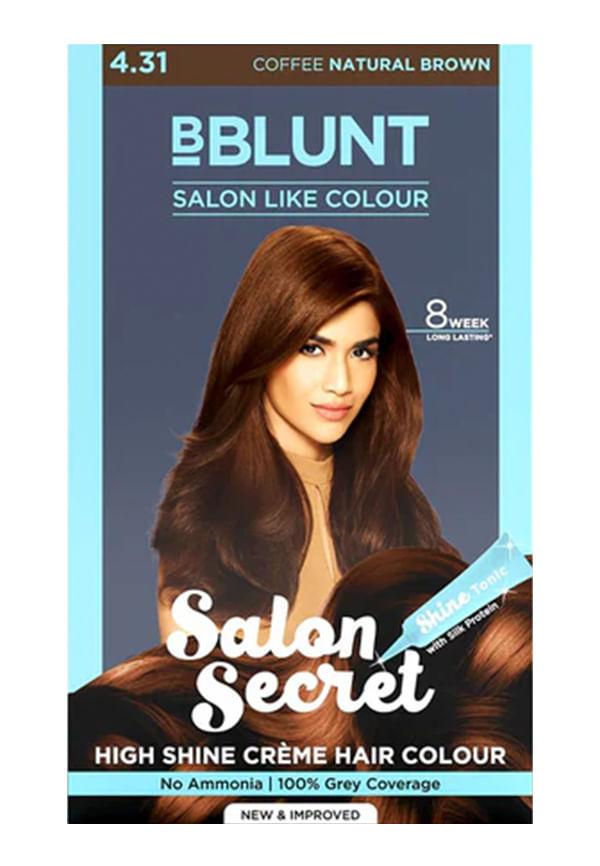
Salon Secret High Shine Conditioning Hair Colour
Think of your scalp as the soil where your hair grows—if it's not healthy, your hair won't be either. Daily scalp care doesn't need to be complicated. A gentle massage while shampooing improves circulation, and being mindful of product buildup prevents clogged follicles.
Weekly scalp treatments can address specific concerns. If your scalp is dry, a few drops of oil massaged in before washing can help. If it's oily, a clarifying treatment once a week keeps things balanced. Pay attention to how your scalp feels—it should never be tight, itchy, or irritated.
Signs of a healthy scalp include feeling comfortable throughout the day, minimal flaking, and hair that grows steadily. If you notice persistent itching, excessive flaking, or sudden changes in hair growth, it might be time to reassess your routine or consult a professional.
Proper scalp massage involves using your fingertips (never nails) in small circular motions across your entire scalp. Spend about 2-3 minutes during shampooing, focusing on areas that feel tense. This simple step can improve blood flow and make your hair washing routine feel more luxurious.
Your daily hair care arsenal doesn't need to be extensive, but it should be strategic. A good shampoo suited to your hair type, a nourishing conditioner, a leave-in treatment for protection, and a heat protectant cover most daily needs.
When selecting products, look at the ingredient list rather than just the marketing claims. Ingredients like hyaluronic acid provide hydration, whilst proteins like keratin help strengthen damaged hair. Avoid products with harsh sulfates if your hair is colour-treated or naturally dry.
Product layering matters for effectiveness. Start with the thinnest consistency and work up to thicker products. So: leave-in conditioner first, then serum, then cream or oil. This ensures each product can penetrate properly without being blocked by heavier formulas.
Great hair care doesn't require breaking the bank. Many drugstore brands offer excellent formulations, and DIY treatments using ingredients like coconut oil, honey, or avocado can be surprisingly effective. The key is consistency rather than expensive products.
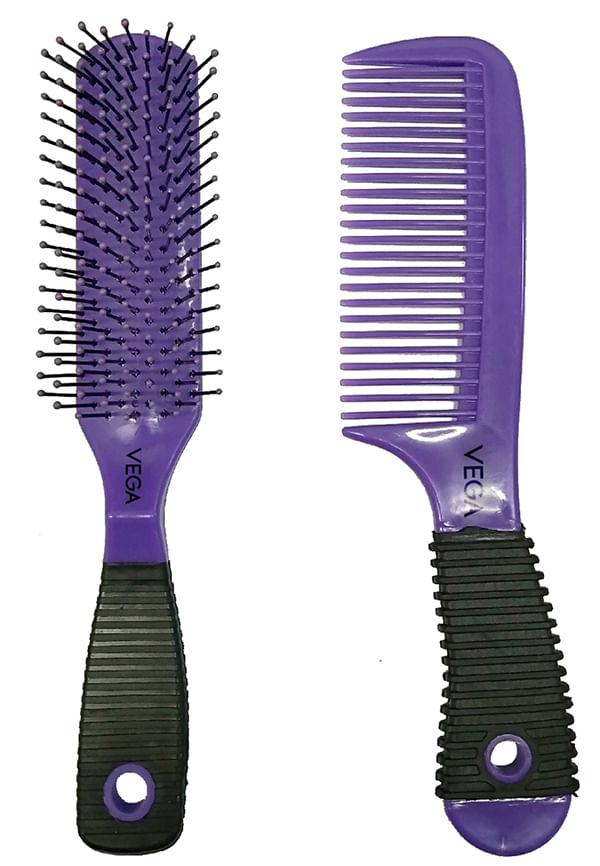
Hair Grooming Set- Flat Hair Brush and Combfor Man and Women, (HBCS-02)
This depends entirely on your hair type and lifestyle. Fine or oily hair typically needs washing every other day, whilst thick, curly, or chemically-treated hair often does best with 1-2 washes per week. Normal hair usually thrives with washing 2-3 times weekly. Pay attention to how your scalp feels and how your hair looks—these are better indicators than following a rigid schedule.
Always start with the thinnest consistency and work towards thicker products. On wash days: shampoo, rinse, conditioner, rinse. On styling days: leave-in conditioner or treatment, heat protectant, then styling products like serums, creams, or oils. This ensures each product can penetrate effectively without being blocked by heavier formulas.
Wet hair is more fragile and prone to breakage, so if you must detangle when wet, use a wide-tooth comb and start from the ends, working your way up. For daily maintenance, gentle brushing on dry hair with a natural bristle brush distributes oils and removes loose hairs without causing damage.
The biggest culprits for daily breakage are rough towel drying, aggressive brushing, and tight hairstyles. Switch to a microfiber towel or cotton t-shirt for drying, use a wide-tooth comb for detangling, and opt for loose styles that don't pull on your hairline. Sleep on silk or satin pillowcases to reduce friction overnight.
Rinse-out conditioners are formulated to be washed away after a few minutes and focus on immediate detangling and moisture. Leave-in conditioners are lighter formulas designed to provide ongoing protection, hydration, and manageability throughout the day. Most hair types benefit from using both—rinse-out during washing and leave-in for daily protection.
Signs of product overload include hair that feels heavy, looks greasy despite being clean, or lacks volume. Your hair might also feel sticky or attract dirt more quickly. If this sounds familiar, try using smaller amounts of product or clarifying your hair weekly to remove buildup.
Whilst daily care can't change your genetic growth rate, it can create optimal conditions for healthy growth by maintaining scalp health and preventing breakage. Regular scalp massage, proper hydration, and gentle handling all contribute to keeping the hair you grow strong and healthy.
Building a daily hair care routine that actually works isn't about following someone else's 10-step process—it's about understanding your hair's unique needs and being consistent with the basics. Start simple: gentle cleansing, proper conditioning, and protective styling. From there, you can add treatments and techniques that address your specific concerns.
Remember, good hair days aren't just about luck—they're about creating the right foundation through daily habits that support your hair's health. Whether you're dealing with dryness, oiliness, or just want to maintain what you've got, the key is patience and consistency.
If you're looking to experiment with new products or find what works best for your hair type, exploring trial sizes can be a smart way to test formulas before committing to full bottles. Smytten offers trial-size versions of many haircare products from trusted brands, making it easier to discover your perfect routine without the guesswork.
