Create Monsoon Hair Plan FAQ: Your Monsoon Haircare Questions Answered

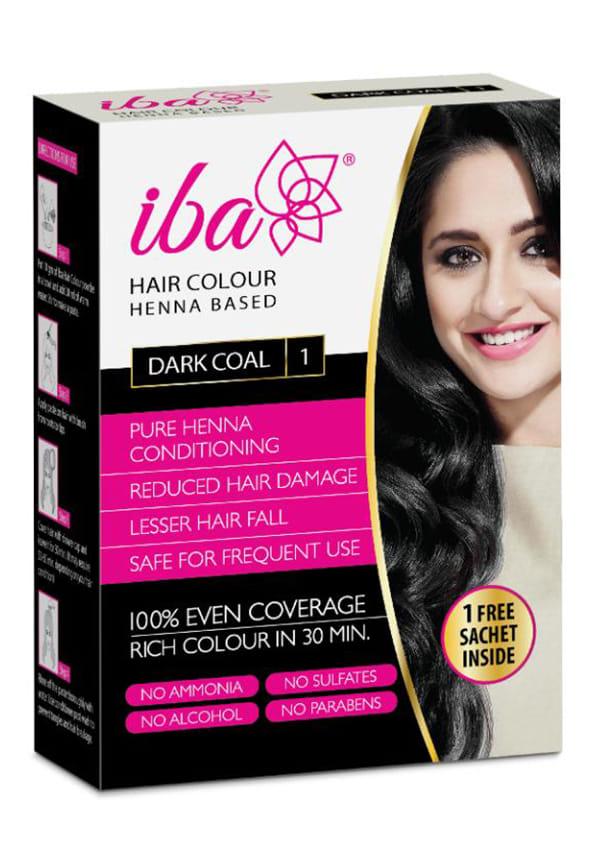
Halal Care Hair Colour
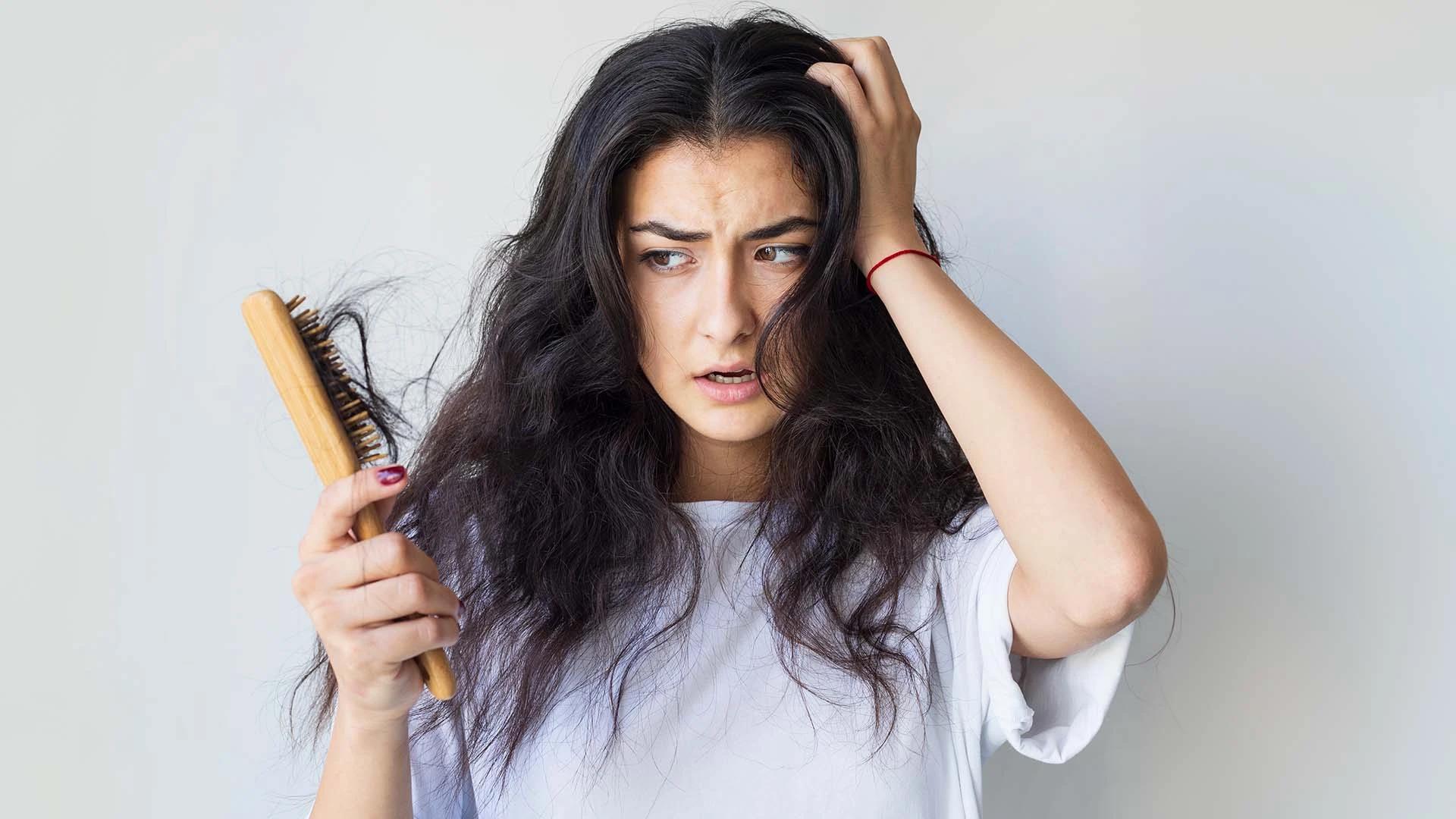
Picture this: you wake up to the sound of rain, and your hair looks like it's been through a blender. The humidity has turned your sleek locks into a frizzy mess, and your scalp feels greasier than yesterday's leftover pizza. Sound familiar? Monsoons bring relief from the heat, but they also bring a whole new set of hair challenges that can leave you feeling frustrated and defeated. The good news? With the right monsoon hair plan, you can actually enjoy healthy, manageable hair even when the weather's working against you.
Let's be real—monsoons are basically your hair's worst enemy. The increased humidity levels during rainy season can wreak absolute havoc on your strands, and it's not just about looking a bit messy. When humidity levels spike above 60%, your hair cuticles lift and allow moisture to penetrate the hair shaft unevenly. This creates that dreaded frizzy texture we all know too well.
But frizz isn't the only villain in this story. Monsoon hair problems run much deeper than surface-level styling issues. The combination of high humidity and fluctuating temperatures creates the perfect storm for increased oil production on your scalp. Your sebaceous glands go into overdrive, leading to that greasy, weighed-down feeling that makes you want to wash your hair every single day.
Hair fall during monsoons is another major concern that affects millions of people across India. The excess moisture in the air can weaken your hair follicles, making them more prone to breakage. Plus, the constant dampness creates an ideal breeding ground for fungal infections and scalp irritation, which can further contribute to hair loss.
Environmental factors play a huge role too. Pollutants in rainwater, increased exposure to dust and grime, and the tendency to tie wet hair up tightly all contribute to hair damage during the rainy season. Your regular haircare routine that worked perfectly during summer suddenly feels inadequate, leaving you scrambling for solutions.
Creating an effective haircare routine for monsoon requires a complete strategy shift from your regular regimen. Think of it as switching from summer clothes to monsoon gear—you need different tools for different weather conditions.
Your morning routine should start with a gentle, sulfate-free shampoo that cleanses without stripping your hair of essential oils. During monsoons, you might need to wash your hair more frequently than usual—every alternate day or even daily if you have an oily scalp. The key is finding that sweet spot where your hair feels clean but not over-dried.
After shampooing, always follow up with a lightweight conditioner focused on the mid-lengths and ends of your hair. Avoid applying conditioner directly to your scalp during monsoons, as this can add to the already increased oil production. A good rule of thumb is to apply conditioner from your ears down.
Your evening routine should focus on protection and repair. This is when you want to apply leave-in treatments, hair serums, or overnight masks. The goal is to create a protective barrier that shields your hair from humidity while you sleep. If you're dealing with particularly stubborn frizz, consider applying a small amount of anti-frizz serum to damp hair before bed.
Weekly deep conditioning treatments become non-negotiable during monsoons. Your hair needs that extra moisture boost to combat the drying effects of frequent washing and environmental stress. Choose protein-rich masks if you're experiencing breakage, or moisture-focused treatments if your hair feels dry and brittle.
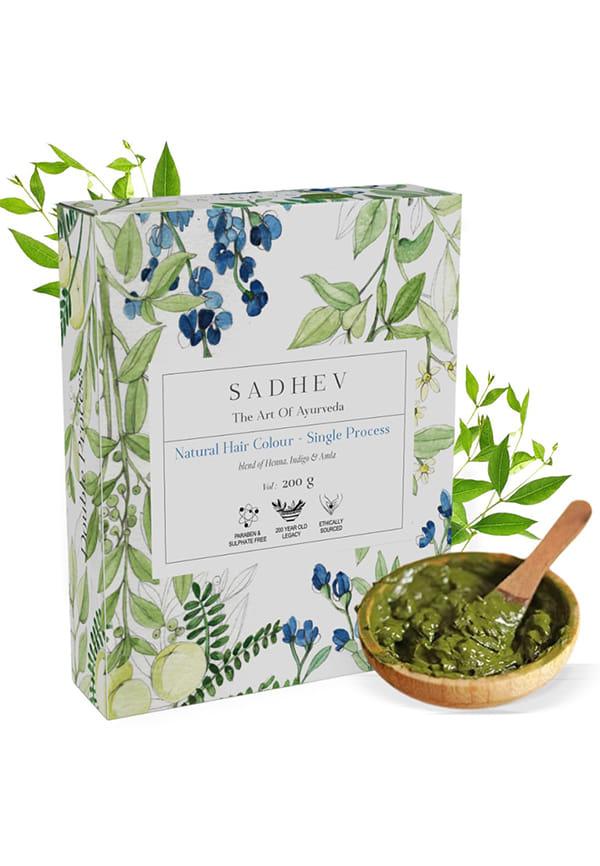
Natural Hair Colour - Single Process - Henna, Indigo & Amla 200gm
When it comes to choosing the best shampoo for monsoon, look for formulas that balance cleansing power with gentleness. Clarifying shampoos can be your best friend during rainy season, but use them sparingly—once or twice a week at most. For daily washing, opt for mild, pH-balanced shampoos that won't disrupt your scalp's natural barrier.
Hair serums are absolute game-changers for monsoon haircare. A good anti-frizz serum creates an invisible shield around each strand, preventing humidity from penetrating and causing chaos. Look for serums containing silicones like dimethicone or cyclomethicone—they're excellent at repelling moisture while adding shine.
For those dealing with oily scalp during monsoons, dry shampoos become essential. They help absorb excess oil between washes and add volume to limp, humidity-affected hair. Choose powder-based formulas over aerosol ones for better oil absorption and longer-lasting results.
Leave-in conditioners and detangling sprays are also crucial for monsoon hair management. Wet hair is more fragile and prone to breakage, so having products that make combing easier can prevent unnecessary damage. Look for lightweight formulas that won't weigh your hair down in the already heavy, humid air.
Deep conditioning masks and hair oils deserve special mention for monsoon care. Coconut oil, argan oil, and jojoba oil are excellent choices for pre-shampoo treatments. They penetrate the hair shaft and provide lasting moisture protection against humidity.
Frizzy hair during monsoons feels like fighting a losing battle, but there are proven strategies that actually work. The secret lies in understanding that frizz is essentially your hair's cry for moisture balance. When humidity levels are high, your hair tries to absorb moisture from the air, causing the cuticles to lift and create that fuzzy texture.
Start with the plopping method for drying your hair. Instead of rubbing your hair with a towel (which creates friction and more frizz), gently squeeze out excess water and wrap your hair in a microfiber towel or cotton t-shirt. This technique reduces mechanical damage and helps maintain your hair's natural texture.
Hair fall during monsoons requires a multi-pronged approach. First, be extra gentle when your hair is wet—this is when it's most vulnerable to breakage. Use a wide-tooth comb and start detangling from the ends, working your way up to the roots. Never brush wet hair aggressively.
Protective hairstyles become your best friend during rainy season. Loose braids, low buns, and twisted updos keep your hair secure without putting too much tension on the roots. Avoid tight ponytails or styles that pull at your hairline, as these can contribute to hair fall.
Consider incorporating scalp massages into your routine. Gentle circular motions with your fingertips can improve blood circulation to the hair follicles, promoting healthier growth and reducing hair fall. You can do this with or without oil, depending on your scalp type.
Sometimes the best monsoon hair solutions come straight from your kitchen. Natural remedies can be incredibly effective and budget-friendly alternatives to commercial products, especially when you're dealing with specific monsoon-related hair issues.
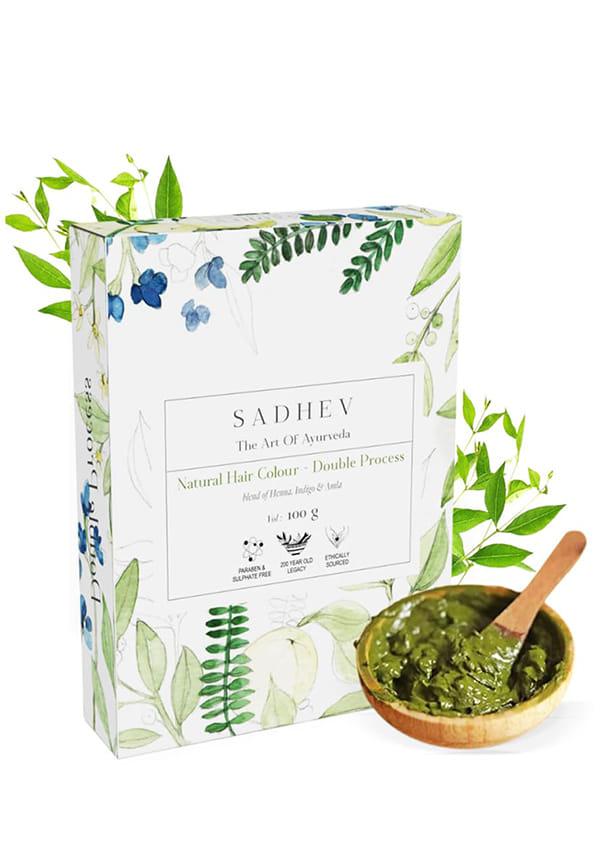
Natural Hair Colour - Single Process - Henna, Indigo & Amla 100gm
An amla and hibiscus hair mask is particularly powerful for monsoon haircare. Blend fresh amla juice with hibiscus leaves to create a paste that's rich in vitamin C and natural proteins. This combination helps strengthen hair follicles and reduces hair fall while adding natural shine. Apply this mask once a week for best results.
For oily scalp issues, try a clay mask made with bentonite or multani mitti. Mix the clay with rose water or green tea to create a paste that absorbs excess oil without over-drying your scalp. This treatment is especially helpful if you're dealing with scalp acne or irritation caused by increased humidity.
Fenugreek seeds soaked overnight and ground into a paste make an excellent anti-frizz treatment. The natural proteins in fenugreek help smooth the hair cuticle and reduce humidity-induced frizz. Mix with yogurt for added conditioning benefits.
Apple cider vinegar rinses can help balance your scalp's pH and remove product buildup that's common during monsoons. Mix one part ACV with three parts water and use as a final rinse after shampooing. This helps seal the hair cuticles and adds natural shine.
This depends on your hair type and scalp condition. If you have an oily scalp, you might need to wash every day or every other day during peak monsoon season. For normal to dry hair, 2-3 times a week is usually sufficient. The key is listening to your hair and adjusting based on how it feels and looks.
Several factors contribute to increased hair fall during monsoons. High humidity weakens hair follicles, making them more prone to breakage. Fungal infections caused by dampness can irritate the scalp and lead to hair loss. Additionally, frequent washing to combat oiliness can sometimes strip the hair of natural oils, making it more fragile.
While humidity itself doesn't cause permanent damage, the repeated swelling and contracting of hair strands due to moisture changes can weaken the hair structure over time. However, with proper care and protection, you can minimise this damage and maintain healthy hair throughout monsoon season.
Air drying is ideal, but it's not always practical during monsoons. If you must use heat, apply a heat protectant first and use the lowest temperature setting. The plopping method with a microfiber towel can speed up air drying while reducing frizz. Avoid going to bed with wet hair, as this can lead to fungal infections.
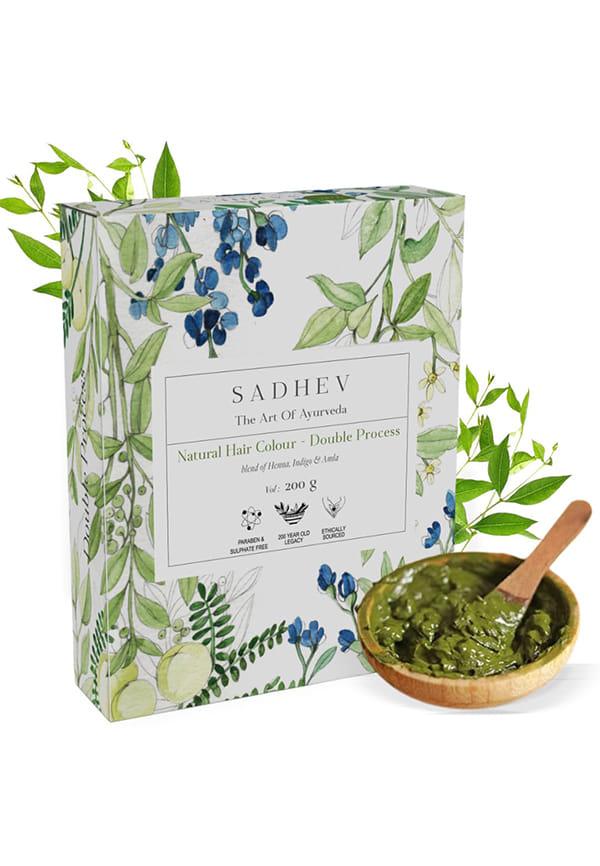
Natural Hair Colour - Double Process - Henna, Indigo & Amla 200gm
Keep your scalp clean and dry as much as possible. Use antifungal shampoos if you're prone to infections. Avoid tying wet hair tightly, and ensure your hair is completely dry before styling. If you notice persistent itching, flaking, or unusual odour, consult a dermatologist promptly.
Light oiling can be beneficial, but avoid heavy oils that might weigh your hair down or contribute to scalp greasiness. Use oils sparingly as pre-shampoo treatments rather than leave-in products. Coconut oil, jojoba oil, and argan oil are good choices for monsoon hair care.
Professional hair stylists and dermatologists agree that monsoon haircare requires a proactive rather than reactive approach. Instead of waiting for problems to develop, start adjusting your routine as soon as the monsoon season begins.
One key piece of advice from hair experts is to invest in a good quality shower filter. Hard water combined with monsoon pollutants can be particularly harsh on your hair. A filter helps remove chlorine and other chemicals that can strip your hair of natural oils and cause dryness.
Trichologists recommend paying special attention to your diet during monsoons. Increased humidity can affect your body's ability to absorb certain nutrients, so focus on foods rich in biotin, iron, and omega-3 fatty acids. These nutrients support healthy hair growth from the inside out.
Professional treatments like keratin smoothing or protein treatments can provide extra protection during monsoon season. However, timing is crucial—get these treatments done before the monsoon begins for maximum effectiveness. Avoid chemical treatments during peak humidity periods as they may not set properly.
If you're experiencing severe hair fall or persistent scalp issues, don't hesitate to consult a dermatologist. Sometimes what seems like monsoon-related hair problems could be underlying conditions that require professional treatment.
Creating an effective monsoon hair plan doesn't have to be overwhelming. The key is understanding your hair's specific needs during humid weather and adjusting your routine accordingly. Remember, what works for your friend might not work for you, so be patient as you figure out your perfect monsoon haircare strategy.
Consistency is more important than perfection when it comes to monsoon haircare. Small daily habits like gentle drying, protective styling, and using the right products will yield better results than sporadic intensive treatments. Your hair will thank you for the extra attention during these challenging months.
If you're looking to experiment with different products to find what works best for your monsoon hair plan, Smytten offers trial-size versions of many haircare products from trusted brands. This way, you can test different formulas and find your perfect monsoon routine without committing to full-size products right away.
