Control Frizzy Hair FAQ: Your Questions Answered


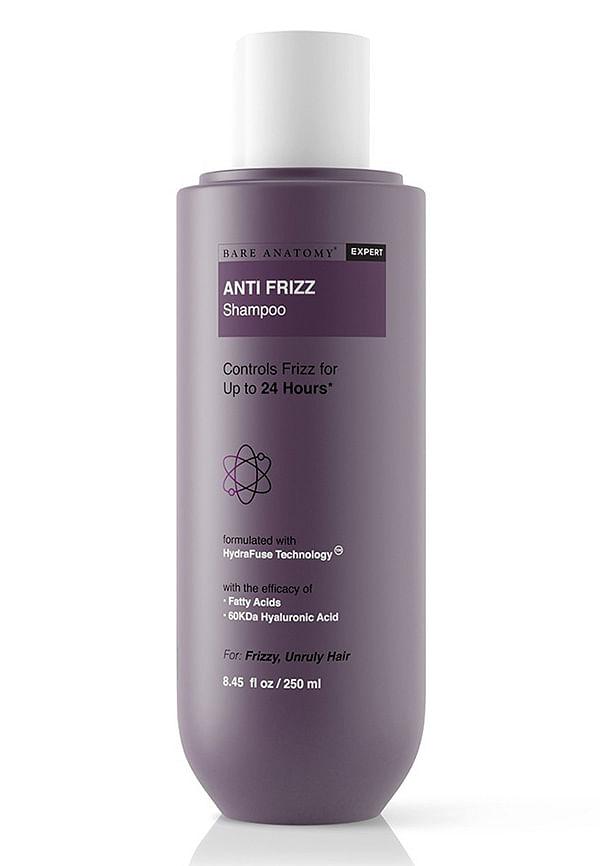
Expert Anti-Frizz Shampoo Tames Frizz For Up To 24 Hours
You know that moment when you catch your reflection and your hair looks like you've been wrestling with a balloon? Yeah, we've all been there. Hair frizz has this sneaky way of showing up right when you need to look put-together. Whether it's the humidity doing its thing or your hair just deciding to have a personality crisis, dealing with frizzy strands can feel like a daily battle. But here's the thing—understanding why it happens and having the right game plan can totally change how you control frizzy hair.
Let's get real about what's actually going on with your hair when it decides to go rogue. Hair frizz happens when your hair cuticles (those tiny overlapping scales on each strand) lift up instead of lying flat. Think of it like roof tiles that aren't sitting properly—moisture gets in, and chaos follows.
The main culprit? Moisture imbalance. When your hair is thirsty, it tries to grab moisture from wherever it can find it—usually the air around you. That's why humid days are basically your hair's worst enemy. But it's not just about the weather. Chemical treatments like colouring or perming can damage those cuticles, making them more likely to lift. Heat styling without protection? Same deal. Even genetics play a role—some hair types are just naturally more prone to frizz because of their structure.
Environmental factors don't help either. Pollution, UV rays, and even the chlorine in swimming pools can rough up your cuticles. As we age, our hair also produces less natural oil, which means less built-in protection against frizz. It's like your hair's natural defence system gets a bit lazy over time.
Sometimes you need frizzy hair solutions that work right now. Maybe you're running late or just noticed your hair's having a moment. Here are some quick fixes that actually work.
First up, the cool water trick. If you're at home, quickly rinse your hair with cold water—this helps seal those lifted cuticles back down. Pat (don't rub) with a microfiber towel or even a cotton t-shirt. Regular towels are too rough and will just make things worse.
Got a hair serum handy? Apply a tiny amount to damp palms and gently smooth over the frizzy areas. Don't go overboard—a little goes a long way. If your hair's completely dry, mist it lightly with water first, then apply the serum.
For emergency flyaway control, try the dryer sheet trick. Gently run an unscented dryer sheet over your hair to tame flyaways. It sounds weird, but it works because it reduces static. Just make sure to use it sparingly.
Another quick hack: if you have a bit of hand cream (the non-greasy kind), warm a tiny amount between your palms and lightly smooth over frizzy sections. This can help manage frizzy hair when you're in a pinch.
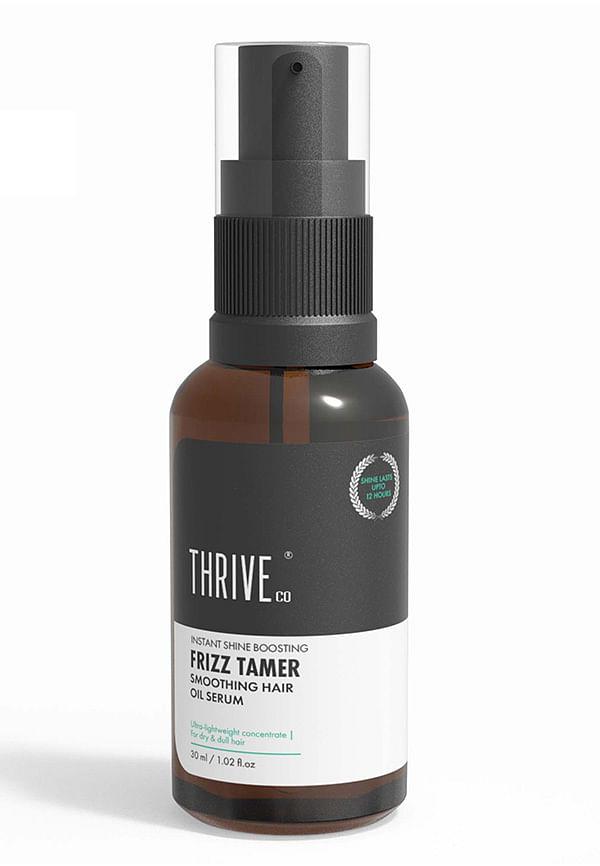
Frizz Tamer Smoothening Hair Oil
Building a solid arsenal of anti frizz products is your best bet for long-term smooth hair success. You don't need a million products, just the right ones that work for your hair type.
Start with a sulfate-free shampoo. Sulfates strip your hair of natural oils, leaving it dry and more prone to frizz. Look for gentle, moisturising formulas that clean without being harsh. Follow up with a good conditioner—this is where you want to focus on the mid-lengths and ends of your hair, not the roots.
Hair serums are absolute game-changers for frizz control. They create a protective barrier that locks in moisture and smooths the cuticle. Apply to damp hair for best results. If your hair is on the thicker side, you might prefer a leave-in treatment or hair oil instead.
Don't sleep on hair masks—they're like a spa day for your strands. Use one weekly to deeply hydrate hair and repair damage. Look for ingredients like argan oil, keratin, or shea butter.
Heat protectant is non-negotiable if you use any hot tools. It creates a barrier between your hair and the heat, preventing further cuticle damage. Apply before blow-drying, straightening, or curling.
Creating a consistent hair care routine is key to keeping frizz under control. It's not about doing everything perfectly every day—it's about being consistent with the basics.
Washing frequency matters more than you think. If you have frizzy hair, washing 2-3 times per week is usually ideal. Over-washing strips natural oils, while under-washing can lead to buildup that weighs hair down and makes it look dull.
When you do wash, use lukewarm water for shampooing and conditioning, then finish with a cool rinse. The cool water helps seal the cuticles and adds shine. Apply conditioner from mid-length to ends, avoiding the roots unless your hair is extremely dry.
After washing, gently squeeze out excess water—never wring or twist your hair. Apply a leave-in conditioner or hair serum to damp hair, then let it air dry about 70% before using any heat tools. This reduces the amount of heat exposure your hair gets.
For daily maintenance, a light application of serum or hair oil can help smooth any overnight frizz. Focus on the areas that tend to get most unruly—usually around the hairline and crown.
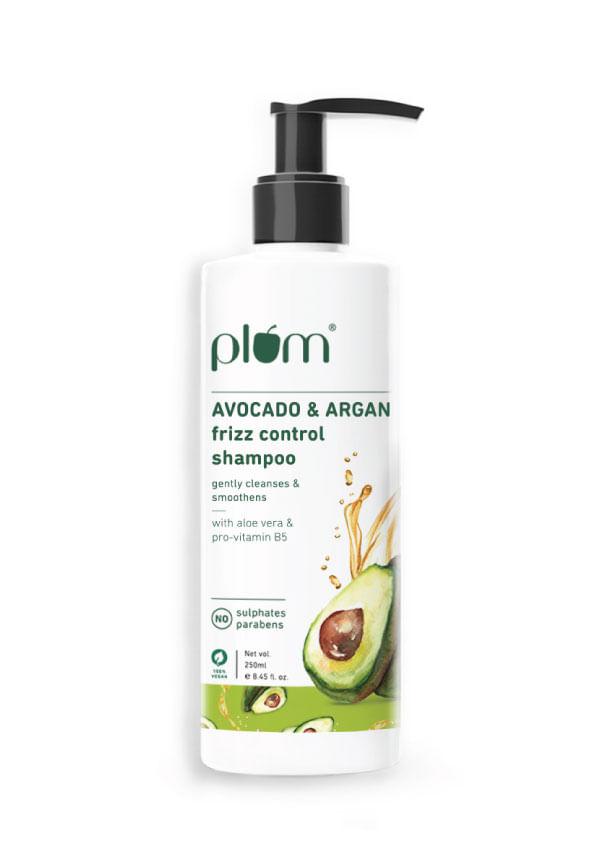
Avocado & Argan Frizz Control Shampoo For Curly, Wavy, Frizzy Hair
You've got options when it comes to treating frizzy hair, from DIY remedies to professional salon treatments. At-home hair masks using natural ingredients like coconut oil, honey, or apple cider vinegar can provide decent moisture and smoothing benefits. These work best as weekly treatments rather than daily fixes.
Professional treatments like keratin smoothing or deep conditioning services can provide longer-lasting results, but they come with a higher price tag. If your frizz is severe or you're dealing with significant damage, a professional consultation might be worth it to get a proper assessment and treatment plan.
Heat styling doesn't have to be the enemy of smooth hair—it's all about technique and protection. When blow-drying, use a heat protectant and keep the dryer moving. A diffuser attachment can help distribute airflow more evenly, reducing frizz formation.
If you're straightening or curling, make sure your hair is completely dry first. Wet or damp hair + heat = instant damage and more frizz. Use the lowest effective temperature and work in small sections for better results with less heat exposure.
Consider air-drying alternatives too. Plopping (wrapping wet hair in a t-shirt) or using silk scrunchies for loose braids can help maintain smoothness while your hair dries naturally.
Overnight protection is huge. Silk or satin pillowcases reduce friction that can cause frizz and breakage. If you don't want to invest in new bedding, a silk hair wrap or bonnet works just as well.
Real talk—there's no permanent fix for frizzy hair because it's often related to your hair's natural structure and environmental factors you can't control. However, consistent care with the right products and techniques can dramatically reduce frizz and keep it manageable long-term. Focus on maintaining moisture balance, protecting from heat damage, and using products designed for your specific hair type.
You can definitely tame frizzy hair quickly for immediate improvement, but lasting results take time and consistency. Quick fixes like cool water rinses, serums, and proper drying techniques can smooth things out in minutes. For deeper changes, you'll need to commit to a routine that addresses the underlying causes of frizz.
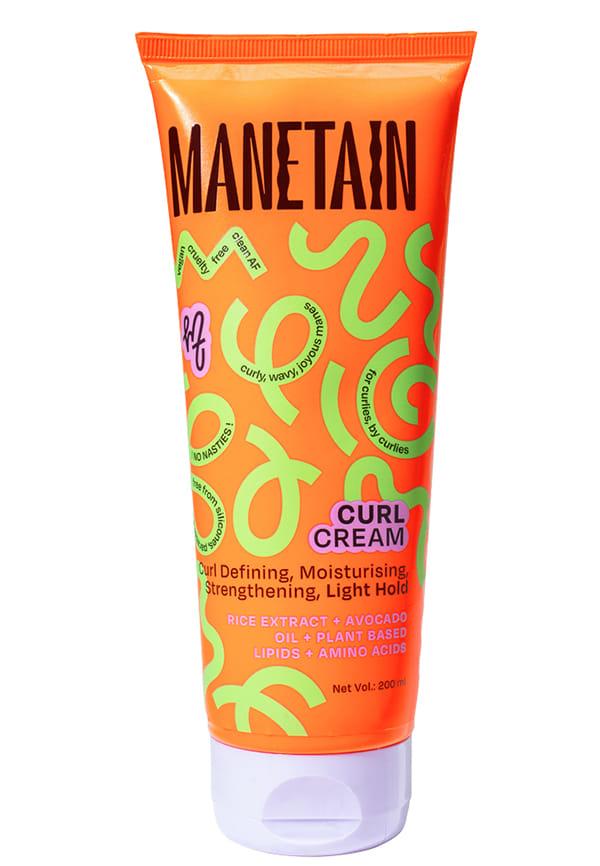
Frizz Control Curl Cream
The best routine depends on your hair type, but generally includes gentle cleansing 2-3 times weekly, regular conditioning, weekly deep treatments, and daily moisture protection. Avoid sulfates, use heat protection, and be gentle with wet hair. Consistency matters more than using expensive products.
Most frizz-prone hair benefits from washing 2-3 times per week. This maintains cleanliness without stripping natural oils that help control frizz. If your hair gets oily quickly, you might need to wash more frequently, but use a gentle, sulfate-free formula to minimise drying.
Some natural remedies can help hydrate hair and temporarily smooth frizz, but they're not miracle cures. Coconut oil, honey masks, and apple cider vinegar rinses can provide moisture and shine, but they work best as part of a broader hair care routine rather than standalone solutions.
Even with the best intentions, it's easy to accidentally make frizz worse. One of the biggest mistakes is using regular towels to dry your hair. The rough texture creates friction that lifts the cuticles and creates more frizz. Switch to microfiber towels or cotton t-shirts for gentler drying.
Over-washing is another common issue. It might seem logical that cleaner hair would be less frizzy, but stripping natural oils actually makes the problem worse. Stick to 2-3 washes per week unless your hair gets genuinely dirty or oily.
Brushing wet hair is a major no-no. Wet hair is at its most vulnerable, and brushing can cause breakage and disturb the cuticle. If you must detangle, use a wide-tooth comb and start from the ends, working your way up.
Using products with alcohol can also backfire. While they might provide temporary hold, alcohol-based products dry out your hair over time, leading to more frizz. Check ingredient lists and avoid products where alcohol appears in the first five ingredients.
Finally, touching your hair throughout the day might feel satisfying, but it disrupts your hair's natural pattern and can create frizz and flyaways. Try to keep your hands off once you've styled it.
Controlling frizzy hair isn't about finding one magic product—it's about understanding your hair's needs and building consistent habits that work. Focus on maintaining moisture, protecting from damage, and being gentle with your strands. The right combination of products and techniques can make a massive difference in how manageable your hair feels day to day.
Remember that everyone's hair is different, so what works for your friend might not work for you. It's worth experimenting with different approaches to find your perfect routine. Not sure which products might work best for your hair type? Smytten offers trial-size versions of many haircare products—a smart way to test different formulas before committing to full-size bottles.
