Common Rainy Hair Issues FAQ: Solutions for Frizzy Hair Humidity

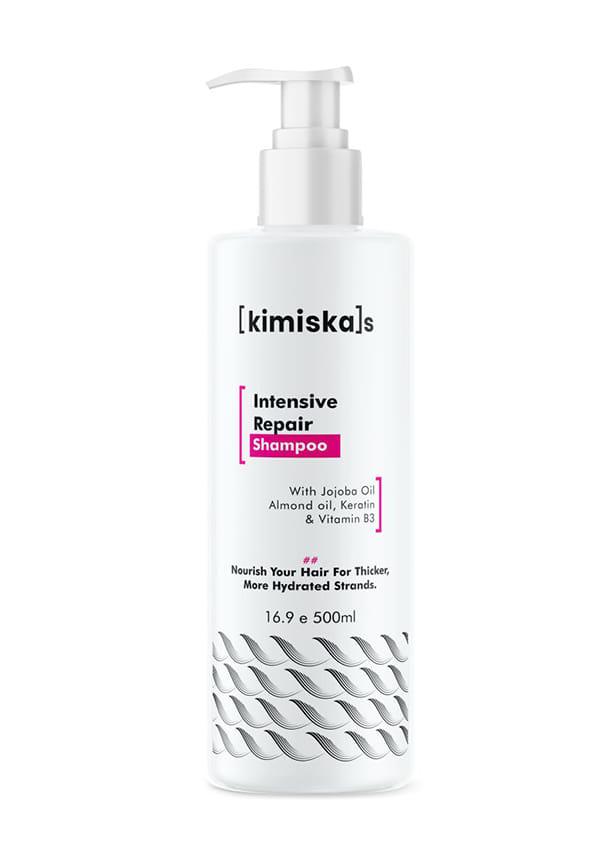
Intensive Hair Repair Shampoo for Dry and Frizzy Hair
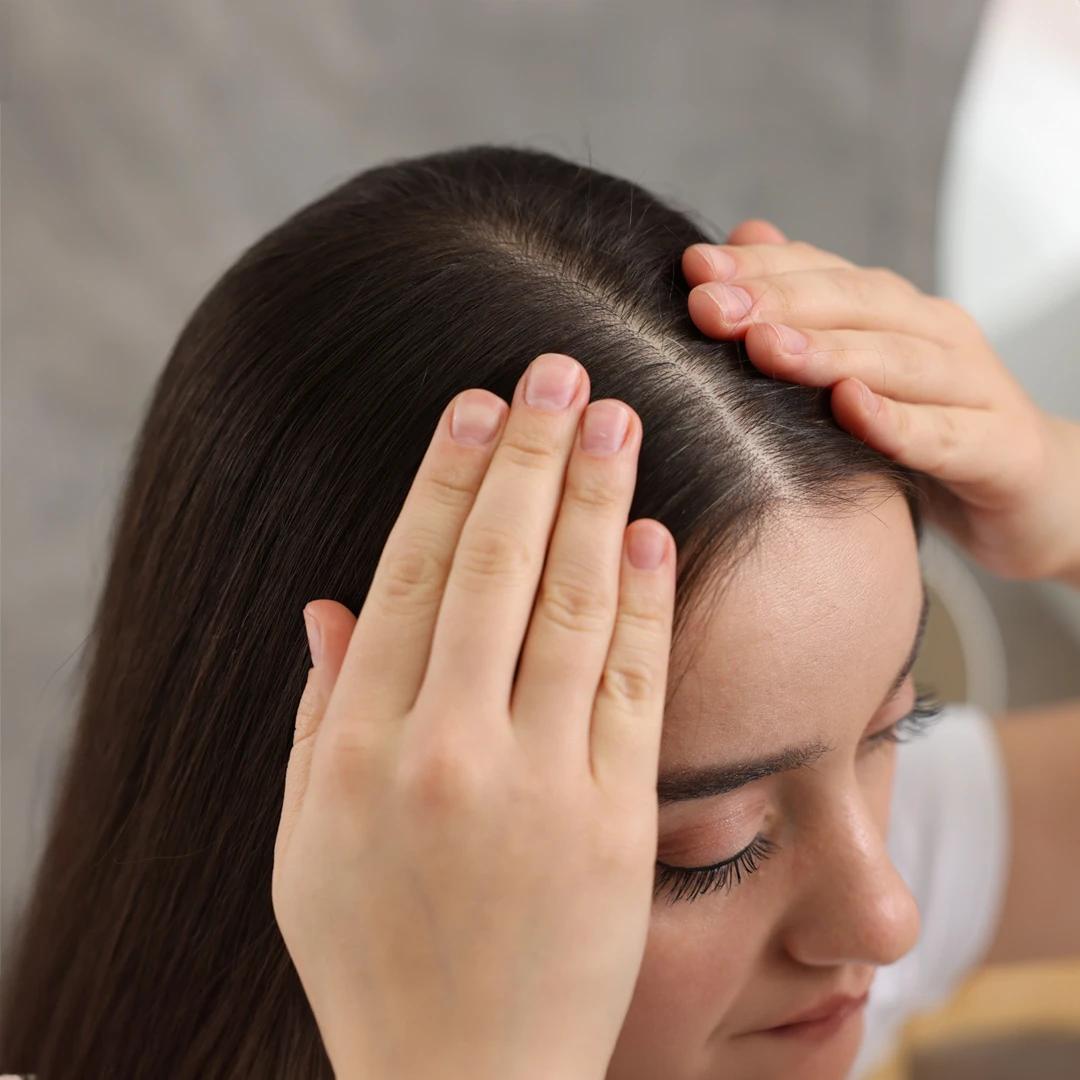
You know that feeling when you step outside and your hair immediately decides to throw a tantrum? One minute you're looking put-together, the next you're dealing with a frizzy mess that seems to have a mind of its own. If you've ever wondered why rainy weather turns your hair into an unruly cloud, you're definitely not alone. Millions of people across India struggle with common rainy hair issues every monsoon season, from stubborn frizz to unexpected hair fall. The good news? Understanding what's happening to your hair during humid weather is the first step to taking control. Let's dive into the science behind these frustrating hair moments and explore practical solutions that actually work.
Real talk—your hair is basically a moisture magnet during rainy season. When humidity levels spike, your hair strands absorb water from the air, causing the hair cuticle (the outer protective layer) to swell and lift. This creates that rough, frizzy texture we all know and dread. Think of it like a sponge soaking up water, except your hair doesn't have an off switch.
Here's where it gets interesting: your hair contains hydrogen bonds that break and reform when exposed to moisture. In high humidity, these bonds constantly shift, making your hair unpredictable and hard to style. If your hair is already damaged from heat styling or chemical treatments, it becomes even more porous, meaning it absorbs moisture faster and holds onto it longer.
Rainwater isn't just H2O, especially in urban areas. It picks up pollutants, dust, and sometimes acidic particles as it falls, which can leave residue on your scalp and hair. Add temperature fluctuations between air-conditioned indoors and humid outdoors, and your hair is constantly adjusting to different conditions. This creates the perfect storm for frizzy hair humidity problems.
Let's break down what you're actually dealing with when the monsoon hits. These aren't just cosmetic annoyances—they're real concerns that affect how you feel about your hair every day.
This is probably the most universal rainy day hair complaint. Your hair's porosity level plays a huge role here—highly porous hair absorbs moisture quickly, causing immediate frizz. Even if you start with smooth hair, stepping into humid air can transform your look within minutes.
Notice more hair in your brush during rainy season? You're not imagining it. Prolonged dampness can lead to scalp infections, while the stress of constantly dealing with unmanageable hair can actually trigger more shedding. Weather-related hormonal changes also play a part in this frustrating cycle.
High humidity makes your scalp work overtime, producing extra sebum to protect itself. Combined with sweat and environmental pollutants, this creates that uncomfortable sticky feeling that makes you want to wash your hair daily—which can actually make the problem worse.
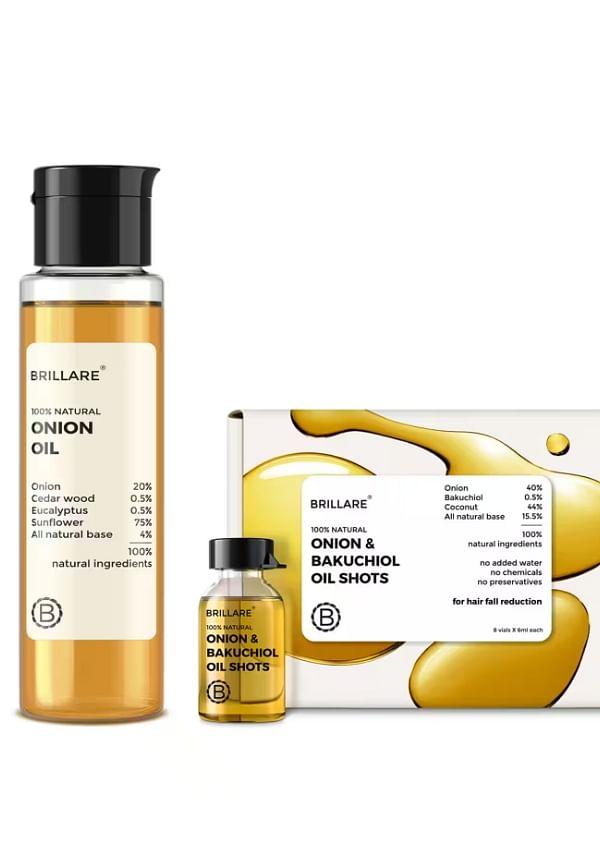
Hair & Scalp Treatment Duo for Dry, Frizzy & Hair Fall-Prone Hair
Great Products
 5
5“awesome as always...we are very satisfied with ur products”
Effective Hair Fall Control
5“nice products for useing hair fall control”
Amazing Hair Oil
5“This hair oil is a gem in market, I applied a lot of hair oils but It's really the best one”
Moist conditions are basically a five-star resort for fungi like Malassezia, which thrives during rainy season. This can lead to increased dandruff, itching, and general scalp discomfort that goes beyond just cosmetic concerns.
Getting your hair completely dry becomes nearly impossible when humidity levels are through the roof. This creates a cycle where your hair never fully dries, making it more susceptible to damage and styling difficulties.
Now for the good stuff—actual solutions that work in real life, not just in perfect conditions. These strategies focus on both emergency fixes for when you're caught off guard and sustainable approaches for the entire rainy season.
Keep a small anti-frizz serum in your bag for touch-ups throughout the day. Silk or satin scrunchies can help you create quick protective styles without causing additional damage. If your hair gets completely soaked, gently squeeze out excess water with a microfibre towel rather than rubbing, which creates more frizz.
Switch to a clarifying shampoo once a week to remove buildup from humidity and pollutants. Reduce washing frequency if possible—over-washing strips natural oils that actually help protect against moisture. Focus on lightweight, humidity-blocking products rather than heavy creams that can weigh your hair down.
The right products can make or break your rainy season hair game. Look for formulations specifically designed to create a barrier against humidity while still allowing your hair to breathe and move naturally.
Leave-in conditioners with silicones create a protective film around each strand, blocking moisture absorption. Anti-frizz serums work best when applied to damp hair before styling. Look for ingredients like dimethicone or cyclopentasiloxane in your humidity hair solutions—they're your best friends during monsoon season.
Braids, buns, and twisted styles keep your hair contained and protected from environmental moisture. Heat-free styling methods like plopping (wrapping wet hair in a cotton t-shirt) or air-drying with diffusers help maintain your hair's natural texture without additional damage. Professional keratin treatments can provide long-term frizz control, though they require investment and maintenance.
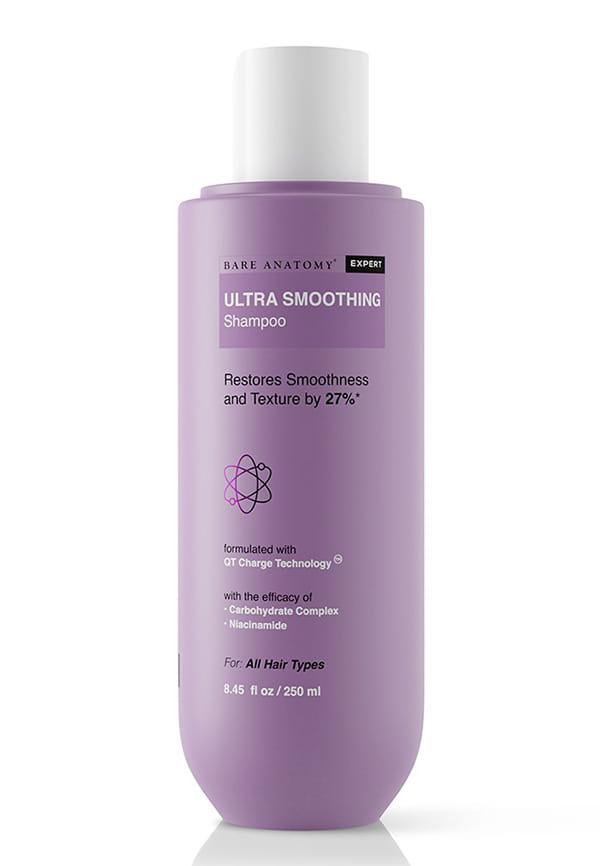
Expert Ultra Smoothing Shampoo To Restore Smoothness
Nice shampoo, use with mask
4“n8ce shampoo but use it with mask”
Excellent Product
5“Best product ever used. Thanksss”
Positive Brand Impression
5“I just love the brand it's cool”
Apple cider vinegar rinses help seal the hair cuticle, reducing moisture absorption. Coconut oil applied to mid-lengths and ends creates a natural barrier against humidity. Aloe vera gel mixed with a few drops of essential oil makes an effective, budget-friendly anti-frizz treatment you can whip up at home.
The best defence against common rainy hair issues starts before the first drop falls. Preparing your hair for monsoon season is like waterproofing your home—a little effort upfront saves you major headaches later.
Deep conditioning treatments in the weeks leading up to rainy season help strengthen your hair's structure. Protein treatments can temporarily fill in gaps in damaged hair, making it less porous and more resistant to humidity. Getting regular trims removes damaged ends that are more susceptible to frizz and breakage.
Apply a heat protectant even when air-drying—it creates an additional barrier against environmental moisture. Sleep on silk or satin pillowcases to reduce friction and maintain your style overnight. Consider your diet too—foods rich in omega-3 fatty acids and biotin support hair health from the inside out.
Sometimes wet hair problems go beyond typical monsoon frustrations. Knowing when to consult a professional can save you from long-term hair damage and help address underlying issues that home remedies can't fix.
If you're losing more than 100 hairs per day consistently, experiencing bald patches, or dealing with persistent scalp irritation that doesn't improve with gentle care, it's time to see a dermatologist. Sudden changes in hair texture or extreme brittleness might indicate underlying health issues that need professional attention.
Salon treatments like Brazilian blowouts or keratin smoothing can provide months of frizz control. Scalp treatments for fungal infections require prescription medications that only a dermatologist can provide. Advanced treatments like PRP therapy or laser therapy might be recommended for severe hair fall issues.
Rainy weather itself doesn't directly impact hair growth, but the humidity and environmental factors can affect scalp health. Poor scalp conditions during monsoon season can indirectly influence hair growth by creating an unhealthy environment for hair follicles. Maintaining good scalp hygiene and using appropriate products helps support healthy hair growth even during challenging weather.
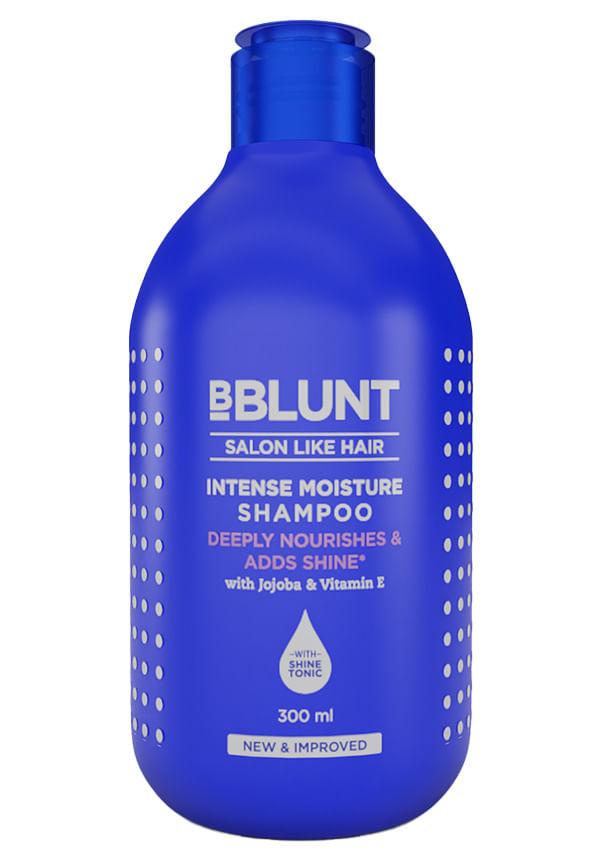
Intense Moisture Shampoo with Jojoba and Vitamin E for Dry & Frizzy Hair
Mixed: Bad Smell, Good Shine
4“smells not good but add shine to hair”
Mixed: Bad Smell, Good Shine
4“smells not good but add shine to hair”
Mixed: Bad Smell, Good Shine
4“smells not good but add shine to hair”
Several factors contribute to increased hair fall during rainy season. High humidity can lead to scalp infections, while constant dampness weakens hair strands. Hormonal fluctuations due to weather changes, increased stress from managing difficult hair, and nutritional deficiencies common during monsoon months all play a role in temporary hair fall spikes.
Prevention starts with using humidity-blocking products like leave-in conditioners with silicones. Avoid touching your hair throughout the day, as this disrupts the cuticle and increases frizz. Sleep with your hair in a loose braid or silk scarf, and consider protective styles that keep your hair contained during particularly humid days.
Look for clarifying shampoos that remove buildup from humidity and pollutants, but use them sparingly to avoid over-drying. Moisturising shampoos with ingredients like glycerin can help maintain hydration balance. Anti-fungal shampoos containing ketoconazole or zinc pyrithione are helpful if you're dealing with scalp issues during rainy season.
Most hair damage from monsoon season is temporary and reversible with proper care. However, neglecting hair health during this period can lead to cumulative damage that takes longer to repair. Consistent use of protective products and gentle handling prevents most permanent damage from occurring.
Air-drying is gentler, but in high humidity, it can take forever and leave hair damp for too long. Use a blow dryer on cool or low heat settings with a diffuser attachment. Microfibre towels or cotton t-shirts are better than regular towels for initial water removal. The key is getting hair completely dry to prevent bacterial growth.
Pure rainwater isn't harmful, but urban rainwater often contains pollutants and acidic particles that can irritate the scalp and weaken hair strands. Regular exposure to contaminated rainwater without proper cleansing can contribute to scalp problems that may lead to temporary hair loss.
This depends on your hair type and scalp condition. Oily scalps might need washing every other day, while dry hair can go 2-3 days between washes. The key is finding a balance that keeps your scalp clean without stripping natural oils that protect against humidity. Use dry shampoo between washes if needed.
Managing common rainy hair issues doesn't have to feel like an uphill battle every monsoon season. The key is understanding that your hair's behaviour in humidity is completely normal and totally manageable with the right approach. Whether you're dealing with frizzy hair humidity problems or more complex wet hair problems, consistency in your haircare routine makes all the difference.
Remember, what works for your friend might not work for you—hair is incredibly individual, and finding your perfect rainy day hair routine might take some experimentation. Start with one or two changes rather than overhauling your entire routine at once. Your hair will thank you for the patience.
If you're curious about trying new anti frizz products or humidity hair solutions but don't want to commit to full-size bottles, Smytten offers trial-size versions of many haircare products from trusted brands. It's a smart way to test what works for your specific hair needs before investing in larger quantities—especially helpful when you're building your monsoon-ready haircare arsenal.
